
Finding the right hanger stand in Singapore requires balancing spatial constraints with the demanding tropical climate. In a landscape dominated by high-rise apartments, condominiums, and Housing & Development Board (HDB) flats, entryways and bedrooms must remain highly functional without becoming cluttered. A reliable hanger stand serves as an essential organizational tool, keeping daily-use bags, umbrellas, and outerwear accessible yet tidy.
To identify a reliable brand, you must look beyond aesthetic appeal and focus on structural integrity, material treatments, and spatial efficiency. Brands that design specifically for compact urban living and high-humidity environments consistently deliver the best long-term value. Investing in a well-engineered stand prevents frequent replacements, protects your flooring, and ensures household safety by eliminating tipping hazards.
What Makes a Hanger Stand Brand Reliable in Singapore?
Evaluating a hanger stand brand in Singapore requires looking closely at how its products perform under local environmental conditions. The combination of high relative humidity, smooth flooring surfaces, and compact architectural layouts places specific demands on furniture that mass-market designs from cooler, drier climates often fail to meet.
Products mentioned in this guide
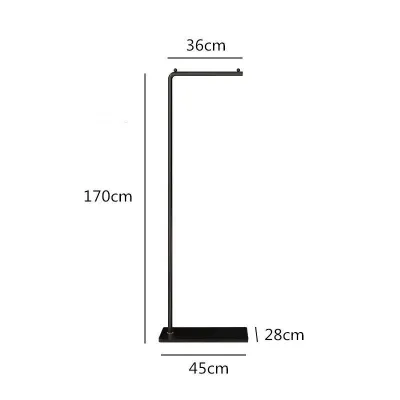
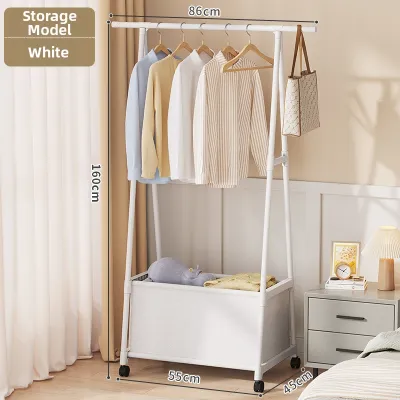
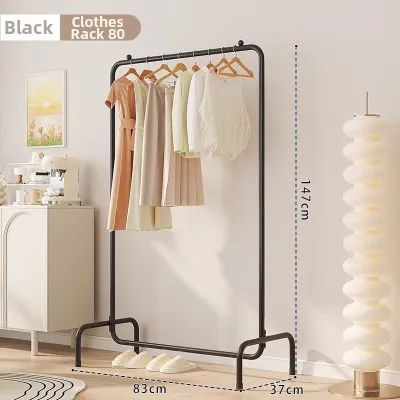
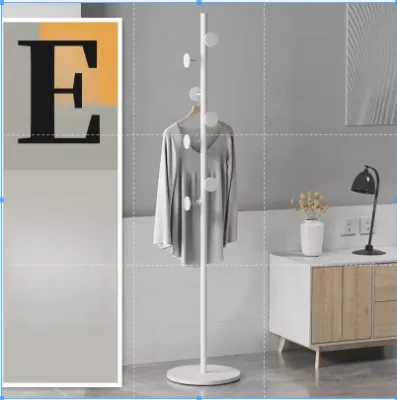
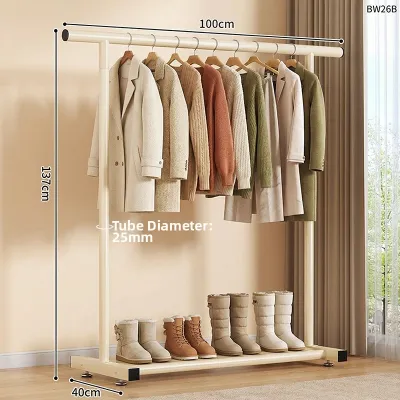
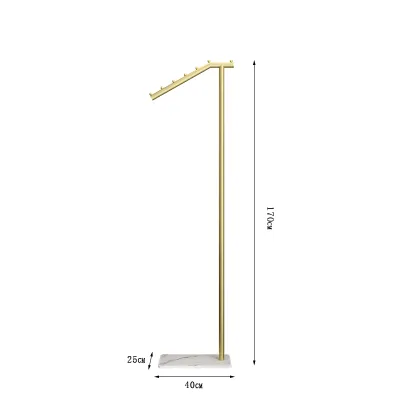

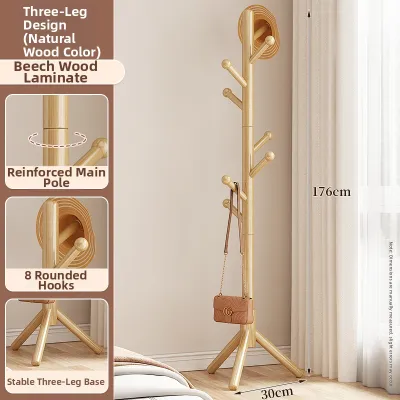
Prices are valid at publication and may change. Please refer to the product page for the latest price.
Material Resilience Against Tropical Humidity
Singapore’s average relative humidity frequently exceeds 80 percent, creating an environment where low-grade materials degrade rapidly. When evaluating brands, look closely at their surface treatments rather than relying on generic material names like “metal” or “wood.” Reliable brands use advanced protective coatings to seal their products against moisture.
For metal hanger stands, electrostatic powder coating is the industry standard for durability. This process applies a dry powder that is cured under heat to form a continuous, non-porous barrier. This barrier is far superior to standard wet paint or cheap chrome plating, which often feature microscopic pores that allow moisture to reach the underlying steel, leading to bubbling and rust.
For wooden hanger stands, raw or minimally treated timber will absorb moisture from the air, leading to warping, joint misalignment, and mold growth. Reliable brands apply multi-layered polyurethane seals, water-resistant lacquers, or deep-penetrating wood oils. These treatments lock out atmospheric moisture while preserving the natural grain of the wood, ensuring the stand remains structurally sound and visually appealing over years of tropical exposure.
Structural Stability and Weight Distribution
Singaporean homes often feature glazed porcelain tiles, polished marble, or luxury vinyl tiles (LVT). While these flooring materials are durable and easy to clean, their smooth surfaces offer very little friction. A hanger stand with an unstable base can easily slide, tilt, or scratch the floor when loaded unevenly.
Reliable brands engineer their stands with a low center of gravity. This is achieved by using dense, heavy materials for the base—such as cast iron, solid steel plates, or thick natural stone—while keeping the upper shaft and hooks relatively lightweight. Additionally, look for brands that include non-slip silicone, rubber, or high-density felt pads on the underside of the base. These pads provide essential grip on smooth floors and prevent unsightly scratches when the stand is moved.
Brand Transparency and Specifications
A major indicator of a brand’s reliability is the transparency of its product specifications. Substandard manufacturers often use vague marketing terms like “heavy-duty” or “high-capacity” without providing concrete figures. Reliable brands publish precise technical details to help you make an informed decision.
Before purchasing, verify whether the brand provides explicit weight capacity limits per hook as well as for the entire unit. They should also clearly state the net weight of the stand itself, the exact diameter or footprint of the base, and detailed assembly instructions. This transparency ensures you can accurately assess whether the stand can safely support your daily gear without risk of structural failure.
Brand Categories to Match Your Space and Budget
The Singapore retail market offers a wide array of hanger stand brands, which can be broadly categorized into three tiers. Understanding these categories helps you align your purchase with your budget, spatial limitations, and aesthetic preferences.

Mass-Market and Functional Retailers
Mass-market brands focus on affordability, modularity, and immediate accessibility. These retailers, including global giants like IKEA and various local household utility brands, design products that are highly functional and easy to transport. Their hanger stands typically feature lightweight tubular steel or engineered wood construction.
- Price Range: Budget-friendly, typically ranging from S$20 to S$70.
- Best For: Renters, temporary living setups, student accommodations, or low-traffic areas like guest rooms.
- Key Advantages: These brands offer excellent modularity, allowing you to easily add or remove hooks. Because they produce items on a massive scale, finding replacement hardware, screws, or matching accessories is straightforward. Their lightweight nature also makes them easy to reposition as your room layout changes.
- Trade-Offs: Lightweight construction means these stands have a higher risk of tipping if overloaded on one side. The joints, which often rely on simple metal-to-plastic or metal-to-wood connections, can loosen over time with heavy daily use.
Design-Led and Minimalist Labels
Design-led brands prioritize aesthetics, space-saving profiles, and premium finishes. Japanese brands like Yamazaki (particularly their Tower series) and Scandinavian-inspired design houses are prominent players in this category. These brands design specifically for modern, compact urban apartments where every square centimeter counts.
- Price Range: Mid-range to premium, typically ranging from S$60 to S$180.
- Best For: Visible entryways, narrow HDB corridors, compact bedrooms, and homes with minimalist, Japandi, or modern industrial interior themes.
- Key Advantages: These stands feature exceptionally slim profiles that fit into tight corners or flush against walls. Despite their delicate appearance, they utilize high-grade, heavy-gauge steel with matte powder coatings, providing surprising stability. Many designs incorporate clever multi-functional elements, such as integrated trays for keys and coins or dedicated slots for umbrellas.
- Trade-Offs: To maintain a sleek, minimalist aesthetic, these stands often feature fewer hooks than mass-market options. They are designed for curated daily essentials rather than heavy, bulk storage.
Heavy-Duty and Solid Wood Specialists
Solid wood specialists focus on traditional craftsmanship, high weight capacities, and long-term durability. Brands in this category, such as Scanteak or local premium furniture boutiques, utilize high-quality hardwoods like teak, oak, or rubberwood. Teak is particularly valued in Singapore for its natural oils, which provide inherent resistance to moisture and pests.
- Price Range: Premium, typically starting from S$150 and exceeding S$300 for artisan pieces.
- Best For: Permanent family homes, spacious foyers, walk-in wardrobes, and classic or rustic interior designs.
- Key Advantages: These stands offer unmatched structural strength and aesthetic warmth. They are constructed using robust joinery techniques, such as mortise-and-tenon joints, or heavy-duty internal steel bolts that resist loosening. A solid wood stand can easily support heavy winter coats (for travel preparation), multiple loaded backpacks, and wet umbrellas without bowing or wobbling.
- Trade-Offs: These units have a significantly larger physical footprint and are much heavier to move. They require occasional specialized care to maintain their finish in Singapore's humid climate.
Essential Features to Verify Before Purchasing
Before finalizing your purchase from any brand, it is crucial to verify several physical and mechanical features. This checklist ensures the model you choose will perform safely and effectively in your specific living space.
Base Design and Tipping Risk
The physical shape and weight of the base directly determine how safe the hanger stand is to use. You will generally encounter three primary base designs, each with distinct stability profiles:
- Tripod Bases: These feature three outward-extending legs. While they can be highly stable on perfectly flat surfaces, they require a wide footprint to prevent tipping. If the legs are too narrow, hanging a heavy bag on one side will easily shift the center of gravity outside the support triangle, causing the stand to fall.
- Flat Weighted Bases: These consist of a solid, heavy disc or square plate at the bottom. This is the safest freestanding design for compact spaces, as it keeps the center of gravity incredibly low while maintaining a minimal physical footprint.
- Wall-Anchored Options: Some modern hanger stands feature a lean-to design that rests on the floor and anchors directly into the wall. This completely eliminates tipping risks but requires drilling, which may not be permitted in rental properties or easily done on concrete HDB bomb shelter walls.
Weight Capacity Claims
Never assume a hanger stand can support heavy items based solely on its visual thickness. You must cross-reference the manufacturer’s official weight ratings with your actual daily-use items.
A standard laptop backpack loaded with a computer, books, and accessories can easily weigh between 4 kg and 7 kg. A wet, high-quality golf umbrella can weigh close to 1 kg. If a hanger stand has a total weight capacity of only 10 kg, hanging just two daily bags can push it to its structural limit. Look for stands that specify a per-hook capacity of at least 2 kg to 3 kg, with an overall structural capacity of 15 kg or more.
Joint and Connection Quality
The points where the vertical shafts connect, and where the hooks attach to the main pole, are the most common failure zones. Inspect how these connections are engineered:
- Metal-on-Metal Threading: On metal stands, look for screws that thread directly into welded metal inserts inside the pole. This creates a secure, long-lasting connection that can be tightened repeatedly without stripping.
- Threaded Wood Inserts: On wooden stands, avoid models where screws are driven directly into raw wood. Over time, the wood fibers will compress and strip, leaving the hooks loose. Reliable brands use threaded brass or steel inserts embedded inside the wood to receive the assembly screws.
- Welded Joints: Fully welded metal joints offer the absolute highest durability, though they make the stand non-collapsible for transport.
Spatial Clearance and the "Swing Radius"
When measuring your home for a hanger stand, do not just measure the physical footprint of the base. You must account for the “swing radius” of the items you plan to hang.
If a hanger stand has a base diameter of 35 cm, but the hooks extend outward by 15 cm on all sides, the actual width of the empty stand is 65 cm. Once you hang bulky jackets or wide tote bags, that width can easily expand to 80 cm or more. If you place this stand in a narrow 1-meter-wide HDB entryway corridor, the hanging items will block the walkway, catch on your clothing as you pass, or interfere with the opening of your front door or bomb shelter door.
Where to Buy and Verify Brand Authenticity
To ensure you are purchasing a genuine product backed by customer support and safety guarantees, you must choose your retail channels carefully. The Singapore market features a mix of official showrooms, authorized digital storefronts, and unbranded online listings.
Official Showrooms and Authorized Retailers
Whenever possible, visit a physical showroom or an authorized retail outlet in Singapore. Showrooms located in major retail hubs (such as Orchard, Dhoby Ghaut, or Tampines) or furniture industrial estates (such as Ubi, Kallang, or Sungei Kadut) allow you to interact with the product directly.
Visiting a physical store allows you to perform a simple stability check. Gently shake the display model to see if the joints wobble or if the base lifts off the floor too easily. You can also inspect the quality of the finish and verify the smoothness of the hooks, ensuring they will not snag delicate fabrics like silk or knitwear.
Identifying Red Flags in Online Marketplaces
While online marketplaces offer convenience, they are also flooded with unbranded, low-quality imitations. When shopping online, watch for these common red flags:
- Vague or Missing Specifications: Listings that fail to state the exact net weight of the stand, the materials used for the internal connections, or explicit weight capacities.
- Lack of Local Customer Support: Sellers who do not provide a local contact number, physical address, or clear communication channels in Singapore.
- Unrealistic Price Points: A stand claiming to be made of "solid premium teak" priced under S$40 is almost certainly made of low-grade softwood with a cheap laminate finish.
Warranty and Return Policies
A reliable brand stands behind its products with clear warranty coverage. For furniture like hanger stands, look for a minimum of a 1-year structural warranty. This warranty should cover manufacturing defects, such as cracked wooden shafts, failing welds, or stripped internal threads. Additionally, ensure the brand has a clear policy for replacing missing hardware or screws upon delivery, which is a common issue with flat-packed items.
Maintenance and Care for Longevity
Once you have selected a high-quality hanger stand, simple routine maintenance will preserve its appearance and structural integrity, ensuring it lasts for many years in Singapore’s tropical environment.
Routine Cleaning and Drying Protocols
Dust and moisture are the primary enemies of furniture finishes. Establish a simple cleaning routine based on the material of your stand:
- For Metal Stands: Wipe the frame weekly with a dry, clean microfiber cloth to remove dust and hand oils. If you hang a wet umbrella or a damp raincoat on the stand, dry the affected areas immediately afterward. Never use abrasive scrubbing pads or harsh chemical cleaners, as these can scratch the protective powder coating, exposing the raw metal underneath to rust.
- For Wooden Stands: Use a slightly damp cloth to remove dust, followed immediately by a dry cloth to ensure no moisture remains on the surface. Keep wooden stands away from direct sunlight near windows, which can cause the wood to fade and crack. Also, avoid placing them directly under air conditioning vents, as the rapid temperature and humidity fluctuations can cause the wood to warp.
Periodic Hardware Tightening
Freestanding hanger stands experience subtle vibrations and shifting forces every time you hang or remove an item. Over several months, these micro-movements can slowly loosen the assembly screws and bolts.
Set a calendar reminder to check and tighten all joints every six months. Use the appropriate hex key or screwdriver to gently snug the screws. Be careful not to overtighten, especially on wooden stands, as excessive force can strip the internal threads or crack the surrounding wood.
Safe Loading Practices
How you load your hanger stand plays a massive role in preventing long-term structural damage. Always distribute weight as evenly as possible around the center pole. Avoid hanging all your heavy bags on one side, which places continuous lateral stress on the joints and can cause the central shaft to warp or bend permanently over time. Additionally, place heavier items on the lower hooks and lighter items on the upper hooks to keep the overall center of gravity as low as possible.
Frequently Asked Questions (FAQ)
How much weight can a typical freestanding hanger stand hold?
The weight capacity of a freestanding hanger stand varies widely based on its design, base weight, and construction materials. A standard budget-friendly metal stand typically holds between 10 kg and 15 kg of total evenly distributed weight. High-end, heavy-duty solid wood stands or dense steel minimalist designs can comfortably support 20 kg to 30 kg. Always refer to the manufacturer’s explicit weight rating rather than guessing based on visual thickness, and avoid overloading individual hooks beyond their specified limits.
Are wall-mounted coat racks safer than freestanding hanger stands?
Wall-mounted coat racks are inherently safer from a tipping perspective, as they are anchored directly into the wall and cannot fall over if loaded unevenly. This makes them excellent options for households with active pets or young children. However, their safety depends entirely on proper installation. In Singapore, you must verify your wall type before mounting. Anchoring a heavy rack into solid concrete (common in HDB flats) requires a hammer drill and masonry plugs, which provides immense strength. Mounting onto drywall partition walls requires specialized toggle bolts and has a much lower weight capacity. If you cannot drill or prefer not to damage your walls, a heavily weighted freestanding hanger stand remains the best option.
Community discussion
Share your experience or ask a question. Comments are reviewed before publication.