
In Singapore, finding a reliable cloth hanger stand involves balancing space constraints, high humidity, and daily usage patterns. Whether you live in a compact HDB flat, a modern condominium, or a landed property, a freestanding rack serves as an essential extension of your wardrobe. The most reliable brands available locally are those that address the structural demands of daily loading while resisting the corrosive effects of a tropical climate. Depending on your storage volume, space limits, and aesthetic preferences, the leading options generally fall into three distinct categories: mass-market modular giants, minimalist lifestyle brands, and heavy-duty utility specialists. Identifying the right brand requires looking past visual appeal to evaluate structural engineering, material treatments, and physical dimensions.
What Makes a Cloth Hanger Stand Reliable for Daily Use?
To determine if a cloth hanger stand can withstand years of daily use, you must look beyond marketing claims and evaluate its core engineering. Many manufacturers advertise high weight capacities, but these are often calculated under static, perfectly balanced laboratory conditions. In a real home, garments are constantly added, removed, and shifted, creating dynamic loads that test the physical limits of the frame.
Calculating your actual wardrobe weight is the first step toward making an informed purchase. A typical dry cotton t-shirt weighs approximately 150 to 250 grams, while a pair of heavy denim jeans can easily exceed 700 to 800 grams. If you plan to hang damp laundry straight from the washing machine, the water retention can double these weights. A standard single-rod stand holding 20 to 30 everyday outfits will regularly bear a load of 10 to 15 kilograms. Consequently, a truly reliable stand should feature a verified safe working load that comfortably exceeds your calculated daily maximum, ideally providing a safety margin of at least 30 percent.
Products mentioned in this guide

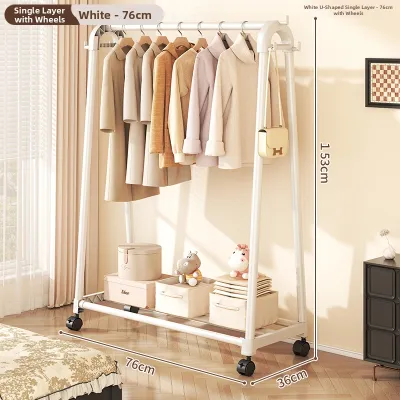
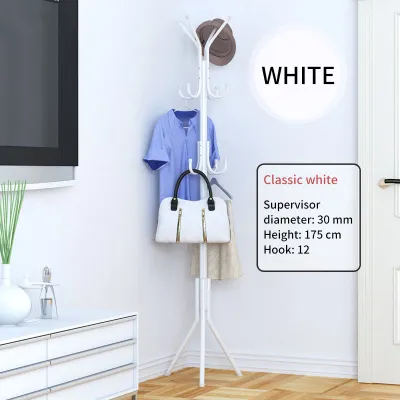
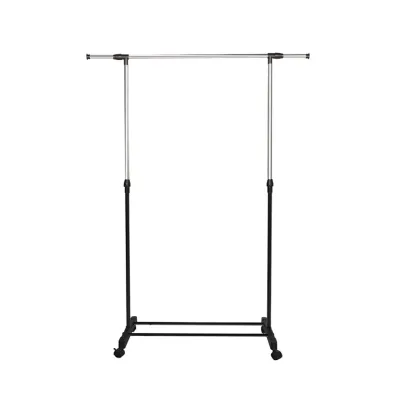
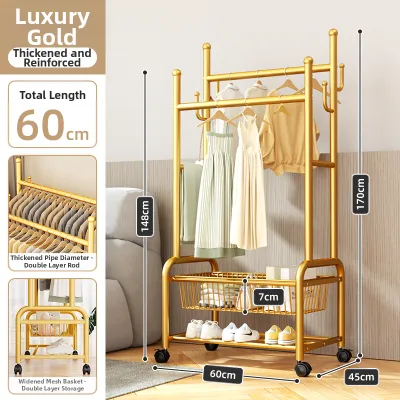
![[✅SG Ready Stock] Clothes Drying Airer Rack stainless steel Hanger Drying Racks foldable Stand Super Fast Delivery](https://img.lazcdn.com/g/p/0a78ef6dfa9fa201f5dc91c542347efa.jpg_400x400q80.jpg_.webp)
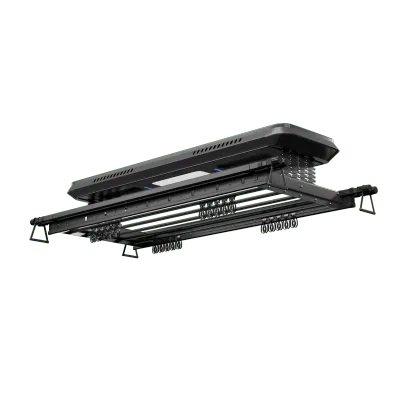
Prices are valid at publication and may change. Please refer to the product page for the latest price.
The physical base of the stand dictates its stability and resistance to tipping. Freestanding racks generally employ either a heavily weighted compact base or a wide-footprint design. Weighted bases, often constructed from solid cast iron or dense composite materials, keep the center of gravity low, allowing the stand to occupy a smaller floor area. Wide-footprint designs, such as A-frame or H-frame configurations, distribute the weight over a larger surface area. If you select a tall stand or plan to place it in a high-traffic hallway, a wider base or a low-profile weighted base is essential to prevent accidental tip-overs when garments are pulled off quickly.
Structural durability is determined by the quality of the materials and their surface treatments rather than the raw material name alone. For example, while “steel” sounds inherently durable, thin-walled steel tubing can easily bend under uneven loads. You should verify the thickness of the load-bearing poles—often referred to as the gauge—and inspect the joint connections. Threaded metal-to-metal inserts provide significantly higher structural integrity over time compared to simple plastic friction collars, which tend to slip or crack under constant pressure.
When evaluating metal finishes, chrome plating offers a shiny, modern aesthetic but can easily chip if struck by metal hangers, exposing the underlying steel to moisture. Powder coating, which involves electrostatically applying a dry powder and curing it under heat, creates a thick, resilient barrier that is far more resistant to chipping and chemical cleaning agents. For the ultimate rust protection, especially if the stand will be placed in a semi-outdoor service yard, grade 304 stainless steel is the gold standard. While stainless steel stands typically command a higher price point, their natural resistance to oxidation means they will not rust even if the surface is scratched or exposed to damp laundry daily.
Finally, consider the availability of modular or replaceable components. A stand’s lifespan is often limited by its weakest part, such as a plastic caster wheel or an adjustable locking knob. Brands that offer replacement parts, such as heavy-duty polyurethane casters or add-on shelving units, allow you to repair and adapt the stand as your storage needs evolve, preventing the entire unit from becoming obsolete due to a single component failure.
Trusted Brand Categories for Everyday Wardrobe Storage
The Singapore market offers a diverse array of cloth hanger stands, ranging from budget-friendly flat-pack furniture to premium industrial-grade racking systems. Understanding the design philosophies, strengths, and limitations of each brand category will help you narrow down your choices to the options that best match your household’s requirements.

Mass-Market Furniture Retailers
Mass-market retailers are highly popular in Singapore due to their accessibility, standardized sizing, and predictable pricing structures. Brands like IKEA, alongside regional home furnishing chains, design their products to fit seamlessly into standard residential layouts, making them highly compatible with typical HDB bedrooms and utility rooms.
One of the primary advantages of purchasing from established mass-market brands is the standardization of dimensions and accessories. These stands are designed as part of broader storage ecosystems, allowing you to easily find compatible storage boxes, hanging organizers, and shoe racks that fit perfectly within the frame. Additionally, if a caster wheel breaks or you require an extra hanging rod, replacement parts are readily available at local retail outlets or through online customer service channels.
However, because these brands cater to a wide range of budgets, their product catalogs often span from entry-level utility racks to premium, heavy-duty wardrobe systems. It is crucial to verify the specific weight limits and joint construction of individual models. Entry-level models frequently utilize lightweight steel tubes connected by plastic joints, which are highly suitable for temporary guest storage or light garments but may bow under the weight of a full, permanent wardrobe. For daily, long-term use, prioritize their mid-to-high-tier models that feature all-metal fastening hardware, thicker steel tubes, and robust powder coatings.
Another critical factor to consider with mass-market brands is the assembly experience. Most of these stands are delivered flat-packed, requiring self-assembly. While the instructions are generally clear and require basic tools, the structural integrity of the final product heavily relies on how precisely you follow these steps. For instance, if the screws are not tightened evenly, the stand may develop a minor tilt that worsens over time under load. Some major retailers offer professional assembly services for a nominal fee, which is highly recommended if you are purchasing a larger, multi-tiered wardrobe system and want to ensure it is erected with perfect structural alignment.
Minimalist and Lifestyle Brands
For homeowners who prefer a clean, uncluttered aesthetic, minimalist and lifestyle brands offer sleek, visually light designs that blend into open-concept living spaces, entryways, or bedrooms. Brands like Yamazaki (known for its highly functional Japanese design philosophy) and MUJI focus on maximizing utility within a compact, elegant footprint.
The primary trade-off with minimalist stands is their load-bearing capacity. To maintain a slim, unobtrusive silhouette, these brands often utilize thinner metal rods or solid wood elements. While highly stable when loaded within their specified limits, they are not designed for bulk, high-density storage. Instead, they excel as secondary storage solutions—ideal for hanging your “next-day” outfits, organizing daily-wear bags, or airing out garments that do not require immediate washing.
To offset their lighter construction, reputable lifestyle brands invest heavily in high-quality surface treatments. They typically employ matte powder-coated finishes that resist fingerprint marks, scratches, and moisture. This is particularly important in Singapore’s humid climate, as it prevents the metal from rusting while ensuring the stand remains easy to clean with a simple damp cloth. When choosing a minimalist brand, look for models that incorporate clever space-saving features, such as integrated accessory hooks, small wooden trays for keys, or a leaning design that utilizes wall support to minimize floor space usage.
Many minimalist stands incorporate natural wood elements, such as beech, ash, or rubberwood, to add visual warmth to the design. While these wooden components can look exceptionally beautiful, they require careful environmental management in Singapore’s climate. Raw or poorly sealed wood can absorb moisture from the air, leading to warping, cracking, or mold growth. If you choose a stand with wooden elements, ensure the wood has been treated with a moisture-resistant polyurethane or lacquer finish. Avoid hanging damp clothes directly on wooden parts unless the manufacturer explicitly states the wood is treated for wet laundry use. Additionally, keep these stands away from high-humidity zones like bathrooms or open balconies.
Heavy-Duty and Utility Specialists
If your storage needs involve high-volume clothing collections, heavy winter coats for travel, or commercial-grade laundry operations, heavy-duty and utility specialists provide the necessary structural strength. These brands, often sourcing from industrial storage manufacturers or specialized commercial display suppliers, prioritize durability and load capacity over minimalist aesthetics.
Industrial-style stands are characterized by their robust construction features. They typically utilize thick-gauge steel tubing, reinforced cross-bracing, and heavy-duty metal joints that are welded or boiled securely. Instead of standard plastic casters, these units are equipped with large, industrial-grade locking wheels that can support significant weight while remaining easy to maneuver across different rooms.
While these stands offer exceptional durability, they require careful consideration regarding floor protection. The heavy weight of the stand, combined with a full load of clothing, can exert immense pressure on your flooring. If the stand is equipped with hard plastic or metal wheels, it can easily scratch or dent common Singaporean flooring materials such as vinyl, laminate, or polished ceramic tiles. Ensure the brand offers non-marking rubber or polyurethane wheels, or replace the casters with felt-padded feet if the stand is to remain stationary. Additionally, be prepared for the larger physical footprint of these units; they are best suited for dedicated walk-in wardrobes, spacious utility rooms, or sheltered service yards.
The aesthetic of heavy-duty stands is unapologetically industrial, often featuring raw steel, matte black pipes, or galvanized finishes. While this look may not suit traditional or highly formal interior designs, it fits perfectly into industrial loft, modern rustic, or minimalist contemporary spaces. Beyond aesthetics, the sheer utility of these stands is unmatched. Many models feature dual hanging rails, height-adjustable bars, and integrated wire shelves that can hold heavy storage bins or folded linens. If you have a large family or rotate seasonal wardrobes frequently, investing in a single heavy-duty stand from a commercial supplier is often more cost-effective and space-efficient than purchasing multiple lighter stands that may need replacement after a few years.
Space and Environment Checks for Singapore Homes
Before purchasing any cloth hanger stand, it is essential to perform a thorough site assessment. Singapore’s unique residential architecture and tropical climate introduce specific constraints that can affect both the physical fit and the lifespan of your furniture.
When planning where to place your stand, do not rely on visual estimation. Measure the exact floor area where the stand will sit, keeping in mind that the clothes hanging on the rack will extend beyond the physical frame of the stand by at least 15 to 20 centimeters on each side. Ensure there is sufficient clearance for door swing arcs—including bedroom doors, wardrobe doors, and nearby window panels. Walkway widths must also be preserved; a standard residential corridor should maintain a clear path of at least 90 centimeters to allow comfortable movement. If you are placing the stand in a bedroom, check that it does not block access to electrical outlets, light switches, or built-in storage drawers.
A common oversight when purchasing pre-assembled or heavy-duty clothing stands is neglecting the delivery path. Many industrial-grade or commercial garment racks are delivered fully welded or in large, non-collapsible sections. Before ordering, measure the height and width of your apartment’s entry door, as well as the dimensions of the estate’s elevator cabin. If the stand exceeds the height of the elevator door or cannot be tilted safely inside the cabin, delivery personnel may have to carry it up the stairwell, which can incur additional delivery fees or lead to structural damage if the stairwell turning radiuses are too tight. If you reside in an older HDB estate with smaller lift cabins, flat-pack models that are assembled directly inside the room are generally the safest and most practical choice.
Singapore’s tropical climate, characterized by high temperatures and relative humidity levels that frequently hover around 80 percent, presents a constant threat to metal furniture. Moisture can easily accumulate in the joints, screw threads, and unpainted interior surfaces of hollow metal poles, leading to hidden rust that compromises structural integrity. To protect your investment, look for brands that specify the use of rust-inhibiting treatments, such as hot-dip galvanization, multi-layer powder coating, or marine-grade stainless steel. When assembling the stand, consider applying a thin layer of anti-corrosion spray or silicone grease to the screw threads before insertion. Additionally, make it a habit to inspect the connection points and base joints every six months for any signs of orange discoloration or bubbling paint, which indicate early-stage rust that should be cleaned and sealed immediately.
The service yard or balcony is a common placement choice for cloth hanger stands in Singapore, as these areas provide excellent natural ventilation and sunlight for drying clothes. However, these semi-outdoor environments expose the stand to wind-driven rain and intense tropical heat. If you plan to use your stand in a service yard, stability becomes even more critical. Wind gusts can easily catch a fully loaded garment rack, acting like a sail and tipping it over. In these scenarios, a wide-footprint stand with a low center of gravity is non-negotiable. You should also opt for models that can be anchored to the wall or floor, or choose heavy-duty stands with locking casters that can be easily rolled indoors when bad weather approaches.
The location of your cloth hanger stand within the room can significantly impact the lifespan of both the stand and your clothing. Avoid placing the stand directly underneath or adjacent to air-conditioning vents. The cold air blowing from the unit can cause moisture condensation on metal surfaces when the AC is turned off and the room warms up, accelerating rust formation. Similarly, avoid placing the stand in direct sunlight near large windows. Ultraviolet (UV) radiation can degrade and fade clothing fabrics over time, and it can also cause certain paint finishes, plastic joints, and protective rubber coatings on the stand to become brittle and crack. Position the stand in a well-ventilated area that receives indirect natural light, ensuring adequate airflow around the garments to prevent musty odors and mold growth.
Assembly and Maintenance for Long-Term Durability
Proper assembly and regular upkeep are just as important as choosing a reputable brand. Even the most robust, high-end cloth hanger stand can fail prematurely if it is put together incorrectly or neglected over time.
When assembling a flat-pack cloth hanger stand, always read the manufacturer’s instruction manual thoroughly before beginning. Follow the exact assembly sequence outlined by the brand, as skipping steps can place uneven stress on the frame and lead to misalignment. Pay close attention to torque specifications. While it is important to ensure all screws and bolts are tight, over-tightening can strip the threads of metal inserts or crack plastic connectors. Use the hand tools provided by the manufacturer rather than high-powered electric screwdrivers, which can easily apply excessive torque and damage the components. If the instructions specify a particular orientation for support bars or washers, double-check your work to ensure the weight-bearing elements are correctly aligned.
How you load your cloth hanger stand on a daily basis directly affects its stability and structural lifespan. Always distribute the weight of your garments as evenly as possible across the hanging rod. Avoid hanging all your heaviest items, such as winter coats, heavy bags, or wet laundry, on one side of the rack while leaving the other side empty, as this uneven distribution creates a lever effect that can bend the top rail or cause the entire unit to tip over. If your stand features lower shelves or a built-in shoe rack, utilize this space to store heavier items like storage boxes, shoes, or folded denim. Placing heavier items at the bottom of the stand lowers its overall center of gravity, significantly improving its stability and reducing the risk of accidental tipping when you retrieve items from the top rail.
Establish a simple maintenance routine to keep your cloth hanger stand in optimal condition. Every six months, take a few minutes to check all the connection bolts and screws. Over time, the vibration from moving the stand or sliding hangers along the rail can cause fasteners to loosen slightly. Gently retighten any loose screws using the appropriate hand tools. When cleaning the stand, avoid using harsh chemical cleaners, bleach, or abrasive scrubbing pads, as these can strip away the protective powder coating or scratch the anodized metal finish, leaving the underlying material vulnerable to rust. Instead, wipe the frame down with a soft, microfiber cloth slightly dampened with water and a mild dish soap. Dry the surface immediately with a clean towel to prevent water spots and moisture buildup.
It is crucial to monitor your cloth hanger stand for signs of structural fatigue. If you notice persistent wobbling that cannot be resolved by tightening the screws, structural bending in the horizontal hanging rod, or visible cracks in the joint connectors, the stand’s load capacity has been compromised. In such cases, immediately reduce the weight on the stand and contact the manufacturer’s customer support to inquire about replacement parts or warranty coverage. Continuing to use a structurally compromised stand poses a safety hazard, as it can collapse suddenly, potentially causing injury or damaging your flooring and surrounding furniture. If replacement parts are unavailable or the frame is severely bent, it is time to replace the unit.
Frequently Asked Questions (FAQ)
Can a freestanding cloth hanger stand hold heavy winter coats?
Yes, but only if the stand is specifically designed for heavy-duty storage. Standard minimalist or entry-level mass-market stands are typically engineered for light daily wear, such as shirts and dresses, and their rods may bend or the base may tip under the weight of multiple heavy winter coats. If you need to store heavy outerwear, look for utility-grade stands constructed from thick-gauge steel with welded joints, a wide base, and an explicit load capacity rating of at least 25 to 30 kilograms. Always distribute the heavy coats evenly across the rod rather than clustering them in one spot.
How do I prevent a tall garment rack from tipping over?
To prevent a tall garment rack from tipping, always load the heaviest items—such as boots, storage boxes, or heavy bags—on the bottom shelf or base to lower the center of gravity. Position the stand against a solid wall rather than in the middle of a high-traffic room. If the manufacturer provides anti-tip wall anchors or safety straps, install them according to the instructions, ensuring they are secured to a suitable wall type. When selecting a stand, choose models with wider, stable footprints (such as A-frame designs) or those with heavy, solid cast-iron bases that provide natural resistance to tipping.
Community discussion
Share your experience or ask a question. Comments are reviewed before publication.