
A high-quality cap rack is an essential investment for anyone looking to keep their hat collection organized, pristine, and easily accessible in Singapore. The combination of high relative humidity and compact living spaces in local HDB flats and condominiums means that standard storage solutions often fall short. Choosing the wrong setup can lead to warped hat crowns, stretched straps, or even mold growth on delicate fabrics. To find a storage system that offers genuine long-term value, you must evaluate the structural materials, design ergonomics, and brand reliability carefully.
Investing in a dedicated storage system not only preserves the aesthetic appeal of your caps but also extends their lifespan by keeping them out of harm’s way. By understanding what makes a rack durable and matching the design to your specific home layout, you can transform a cluttered pile of hats into a neat, visually appealing display. This guide analyzes the key factors that determine quality and highlights the most reliable brand categories available to Singaporean homeowners.
Evaluating Quality: What Makes a Cap Rack Durable?
To ensure your storage system stands the test of time, you must look beyond aesthetic appeal and examine the core construction. In Singapore’s tropical climate, where indoor relative humidity levels frequently exceed 80 percent, material selection is the single most critical factor. Solid hardwoods like teak, oak, or rubberwood are excellent choices for premium racks, as they offer natural structural rigidity and resist warping when properly sealed. If you are considering engineered wood options like MDF or particle board, you must verify that the panels feature high-quality, fully sealed edge banding to prevent moisture from penetrating the core, which causes swelling and structural failure over time.
Products mentioned in this guide
![[SG 🚚] 10Pcs Baseball Cap Hook Traceless Hat Hanger Wall Mount Cap Headset Necklace Organizer Display Rack Hat Storage Rack](https://img.lazcdn.com/g/p/860a1a77e0c8bdd1e0796bff7912d846.jpg_400x400q80.jpg_.webp)
![[SG] Wardrobe Hat Hanger/ Closet Hanging Cap Organizer/ Adjustable Hooks Organizer Holder/Baseball Cap Rack/Wall Hanger](https://img.lazcdn.com/g/p/0f22762782458185ee6f59e156e4100f.jpg_400x400q80.jpg_.webp)


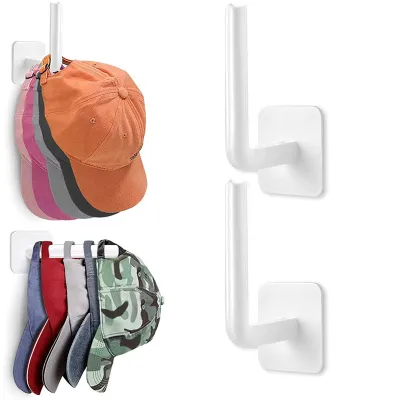
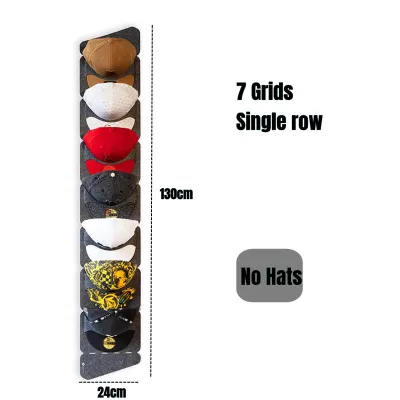
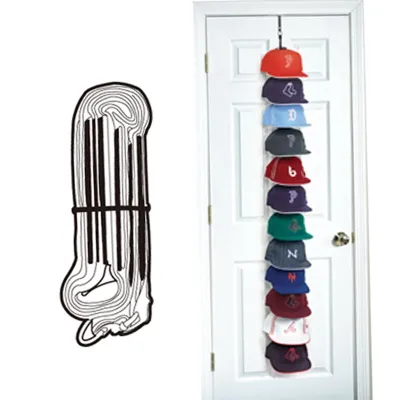
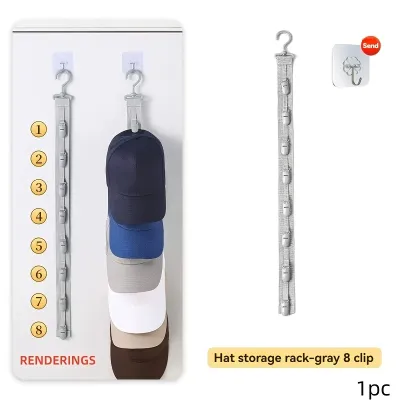
Prices are valid at publication and may change. Please refer to the product page for the latest price.
Metal options offer exceptional strength, but they require specific protective finishes to prevent rust in humid environments. Look for carbon steel or iron frames that feature an electrostatic powder-coated finish rather than standard wet paint. Powder coating creates a continuous, non-porous barrier that resists moisture, chipping, and scratch damage. For modern, visually lightweight setups, high-grade acrylic (polymethyl methacrylate) is an outstanding alternative. Acrylic is completely impervious to moisture and mold, but you must check the material thickness; structural components should be at least 3mm to 5mm thick to prevent bowing under the weight of multiple hats.
Structural stability is another vital consideration, particularly for freestanding cap trees or multi-tier floor racks. A durable freestanding rack must feature a wide, heavy base—ideally constructed from solid timber, cast iron, or weighted steel—to establish a low center of gravity. If the base is too light, hanging several heavy caps or an accompanying bag on one side will cause the unit to tip. For wall-mounted systems, look for robust, integrated mounting brackets rather than flimsy, single-point keyhole slots. The brackets should allow for multi-point fastening to distribute the load evenly across your wall surface.
Finally, a durable rack must feature a hat-friendly design that prevents physical damage to your collection. Examine the hooks, pegs, or clips for smooth, rounded edges; sharp plastic molding lines or stamped metal edges can snag delicate mesh panels on trucker hats or tear the fabric of wool caps. The spacing between hangers is equally important. There should be at least 15cm to 20cm of clearance between each peg to ensure that structured caps, such as fitted baseball hats, can sit naturally without having their crowns compressed or creased by adjacent items. For high-value collector caps, look for options that offer dust-protection features, such as enclosed acrylic display compartments or compatibility with breathable fabric covers.
Reliable Brand Categories for Cap Racks in Singapore
Established Home Furnishing and Local Brands
When looking for robust, long-lasting storage solutions, established local and regional furniture brands are excellent starting points. These brands typically specialize in solid wood or heavy-duty metal constructions that blend seamlessly with traditional, Scandinavian, or industrial interior styles. Many local Singaporean furniture retailers offer modular wall rails, entryway organizers, and wooden pegboards crafted from premium timber species like teak or oak. These materials are highly favored locally because they naturally handle ambient humidity better than cheap laminates.

Before purchasing from a local furniture showroom or brand website, always verify the finished dimensions and weight capacities of the units. Solid wood wall-mounted racks can be heavy even when empty, so you must ensure your walls can support the combined weight of the rack and your hats. It is highly recommended to visit a physical showroom if possible; this allows you to test the joint stability of the rack in person. Check for high-quality joinery techniques, such as dowel joints or pocket screws, and avoid units that rely solely on staples or thin adhesive layers, as these can fail under continuous load.
Global Minimalist and Lifestyle Brands
For modern HDB flats and condominium units where floor space is at a premium, global minimalist and lifestyle brands offer exceptional space-saving solutions. Renowned Japanese lifestyle brands, such as Yamazaki and MUJI, are highly popular in Singapore for their clean lines, functional designs, and visual lightness. Yamazaki, for instance, is famous for its smart use of slim, powder-coated steel wire frames that fit neatly into narrow entryways or bedroom corners. These designs keep your caps organized without creating visual clutter or making a small room feel cramped.
Similarly, modular wall-mounted systems from minimalist brands allow you to customize your storage layout as your collection grows. However, when opting for these ultra-slim wire or acrylic designs, you must pay close attention to the manufacturer’s specified load-bearing capacities. While a minimalist wire rack may look sleek, overloading it with heavy winter hats, snapbacks, or additional accessories can cause the thin metal frames to flex or sag. Always distribute the weight evenly across the structure and adhere strictly to the recommended weight limits to preserve the rack’s alignment.
Specialty Storage and Accessory Organizers
If you have a large collection of hats and need a high-density storage solution, specialty closet organization brands are your best option. These brands design dedicated over-the-door strap systems, modular pegboard grids, and stackable clear acrylic drawer units specifically for accessory collectors. Modular pegboard systems, constructed from powder-coated steel or heavy-duty ABS plastic, allow you to reposition individual hooks and shelves to accommodate different hat shapes and sizes over time.
Over-the-door cap organizers are particularly popular among renters in Singapore because they utilize unused vertical space without requiring any drilling. When sourcing these specialized organizers from online marketplaces or specialty home stores, you must check compatibility with local door dimensions. Standard Singaporean interior doors typically range from 35mm to 40mm in thickness, with a tight clearance gap at the top of the frame. Ensure that the over-the-door hooks are thin enough to allow the door to close smoothly without scraping the frame, and verify that wardrobe-hung variants fit within your existing closet depth.
Matching the Rack to Your Hat Collection and Living Space
Everyday Caps vs. Structured Hats
Your choice of a storage system should be directly influenced by the specific types of hats you own. Everyday caps, such as standard baseball caps, snapbacks, strapbacks, and flexible beanies, are highly resilient and can be stored using high-density methods. These caps are well-suited for clip-style hangers, vertical hanging straps, or dense peg layouts. Hanging baseball caps by their back straps or using gentle tension clips along a vertical line is an incredibly efficient way to maximize wall space, provided the clips do not pinch the fabric too tightly.
In contrast, structured hats—such as fedoras, Panama hats, wide-brim sun hats, or rigid helmets—require specialized care to preserve their shape. These hats cannot be hung from tight clips or narrow pegs without causing permanent distortion to the brim or crown. Instead, structured hats should be placed on flat, deep shelves, or suspended from wide, dome-shaped hat shapers that mimic the shape of a human head. Ensure the rack you choose offers ample vertical and horizontal clearance so that wide brims do not press against the wall or adjacent shelves, which can cause the materials to crease or warp over time.
Navigating Space Constraints in Singapore Homes
With the average size of new HDB BTO flats and apartments being relatively compact, smart spatial planning is essential when installing a cap storage system. To keep your living areas uncluttered, prioritize utilizing vertical wall space and underutilized corners. Wall-mounted rails, vertical hanging tracks, or over-the-door organizers are excellent for narrow entryways or bedroom walls. If you have a vacant corner, a slim, tall freestanding cap tree can turn an awkward nook into a functional storage zone.
Another highly effective strategy is incorporating multi-functional furniture into your home layout. Look for entryway coat racks that feature integrated low-profile hooks for caps, or wardrobe shelving units with dedicated accessory rows. Before finalizing your placement, always measure the surrounding clearances carefully. Ensure that a wall-mounted rack does not protrude more than 15cm into high-traffic walkways, as standard HDB corridors are often narrow. You must also check that the rack does not obstruct the swing arcs of bedroom doors, wardrobe doors, or window panels, ensuring daily movement remains completely unobstructed.
Essential Checks Before Buying a Cap Rack Online
- Measure Your Space and Clearances: Before placing an order on any e-commerce platform, use a measuring tape to verify the exact physical boundaries of your intended installation site. Measure the height, width, and depth of the space. Be sure to account for wall features such as skirting boards, light switches, electrical outlets, and wall-mounted air conditioning units that could interfere with a freestanding or wall-mounted unit.
- Identify Your Wall Type: Singaporean homes typically feature two types of walls: structural reinforced concrete (often found in bomb shelters and main structural pillars) and lightweight drywall partition walls (commonly used to divide bedrooms in newer BTO flats). Concrete walls require a rotary hammer drill, masonry drill bits, and standard plastic wall plugs. Drywall partitions, however, cannot support heavy loads with standard plugs; you must source specialized hollow-wall anchors, such as toggle bolts, to prevent the rack from tearing out of the wall under load.
- Verify Hardware and Assembly Requirements: Carefully read the product description to confirm if all necessary mounting hardware is included in the package. Many online imports come with basic screws that may not be suitable for your specific wall type. If the product description is unclear, contact the seller directly to ask about the weight capacity of the included anchors and whether professional installation is recommended for heavier solid wood or metal units.
- Review Return Policies and Warranties: Because shipping bulky or fragile items can sometimes result in transit damage, you must review the retailer's return and exchange policies before purchasing. Check if the seller offers a comprehensive warranty against structural defects, warped materials, or missing hardware. Ensure that the return process is straightforward and that the seller covers return shipping fees if the product arrives damaged or does not match the advertised specifications.
Maintenance Tips for Long-Term Durability
To keep your cap rack in optimal condition and protect your hat collection from damage, you must establish a simple, regular maintenance routine. Dusting the rack once a week is highly recommended to prevent dirt buildup, which can transfer onto your hats. For solid wood or veneered timber racks, use a dry or slightly damp microfiber cloth to wipe down the surfaces; avoid using soaking wet cloths or harsh chemical cleaners, as excess moisture can raise the wood grain and strip away protective finishes.
For powder-coated metal frames, wipe away any sweat or moisture transfer from recently worn caps using a soft, dry cloth to prevent localized corrosion. If you have an acrylic rack, use a specialized acrylic cleaner or a mild solution of dish soap and warm water; never use glass cleaners, ammonia, or alcohol-based sprays on acrylic, as these chemicals cause micro-cracking, also known as crazing, which ruins the material’s transparency.
In addition to cleaning, you should perform periodic structural checks every six months. The repetitive pulling and hanging motion of daily use can gradually loosen screws and wall anchors over time. Use a screwdriver to gently tighten all joints, brackets, and mounting screws on both wall-mounted and freestanding units to ensure they remain perfectly stable. Finally, pay attention to environmental placement. Position your rack away from direct afternoon sunlight to prevent UV fading of both the rack’s finish and your caps. Avoid placing the rack in high-humidity zones, such as directly outside a bathroom door or near an open balcony, to minimize the risk of mold and mildew development on your hats.
Frequently Asked Questions (FAQ)
How many hats can a standard wall-mounted cap rack hold?
The actual capacity of a wall-mounted rack is determined by its physical length, hook spacing, and the structural integrity of your wall rather than just the number of physical hooks. A standard 60cm wall rail with individual pegs can comfortably hold 6 to 8 structured caps without overlapping. If you are using a vertical strap or chain system, it can hold up to 10 to 15 unstructured caps. However, you must always prioritize the manufacturer’s maximum weight limit over the physical number of hooks. Overloading a wall-mounted rack can put excessive strain on the wall anchors, potentially causing the entire unit to pull away from the wall and damage your plaster.
Are over-the-door cap racks safe for all door types?
Over-the-door racks are highly convenient, but they are not universally suitable for every door type. Standard solid timber doors can easily handle the weight of a fully loaded cap rack, but lightweight hollow-core doors or sliding wardrobe doors may experience hinge strain or alignment issues if subjected to excessive weight. Additionally, if the clearance gap between the top of your door and the frame is less than 2mm, the metal mounting brackets may scrape the frame, damaging the paint and preventing the door from closing fully. To protect your door’s finish, always measure this gap before buying, and apply thin felt pads or foam tape to the inside of the metal brackets to prevent scratching and rattling.
Community discussion
Share your experience or ask a question. Comments are reviewed before publication.