
Quick Answer: Finding the Best Recliner Sofa for Your Comfort Needs
Selecting the ideal recliner sofa in Singapore is not about finding a single, universally perfect model; instead, the right choice depends on your specific physical proportions, space constraints, and comfort priorities. If you prefer a deep, enveloping seat that mimics a plush cloud, a traditional overstuffed manual recliner is highly suitable. If you require precise spinal alignment, suffer from lower back strain, or need assistance standing up, a modern power recliner with independent lumbar and headrest motors offers superior ergonomic utility. For compact Singaporean homes, such as HDB flats or condominiums, a wall-hugging power recliner is the most practical choice, sliding forward to conserve floor space. To ensure genuine ergonomic support, look beyond marketing claims and verify structural specifications like high-resilience foam density, spring construction, and adjustable mechanical angles.
Core Dimensions for Evaluating Recliner Comfort and Ergonomics
Evaluating a recliner sofa requires looking beyond initial showroom comfort to understand the physical and mechanical properties that support the human body over extended periods. True ergonomic design minimizes muscle strain, distributes body weight evenly, and maintains the natural alignment of the spine. By analyzing key structural dimensions, you can make an informed decision based on objective engineering rather than subjective feel.

Cushioning and Seat Depth
The composition of the seat cushion directly determines how well a recliner distributes your body weight and prevents pressure concentration on the sit bones. High-resilience (HR) polyurethane foam, typically rated between 30 and 45 kilograms per cubic meter, represents the industry standard for long-term support. It offers a supportive rebound that prevents the body from sinking too deeply, which helps maintain proper posture. Memory foam provides excellent contouring by molding to the body’s shape, but it can trap heat, which is a critical consideration in Singapore’s humid climate. To mitigate this, some manufacturers incorporate cooling gel-infused layers or pair memory foam with highly breathable fabric upholstery. Fiber-wrapped cushions provide an initial, cloud-like softness but tend to pack down over time, requiring regular manual fluffing to restore their loft.
Products mentioned in this guide
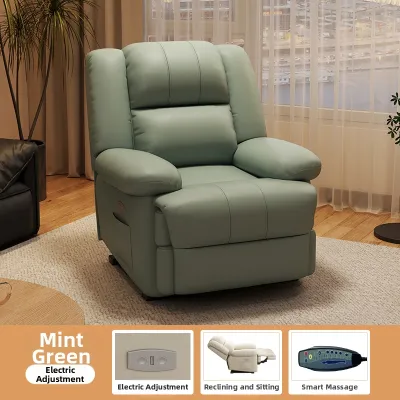
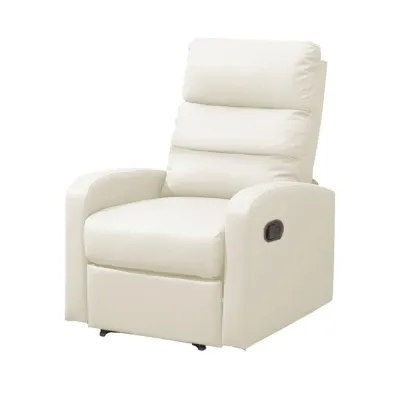
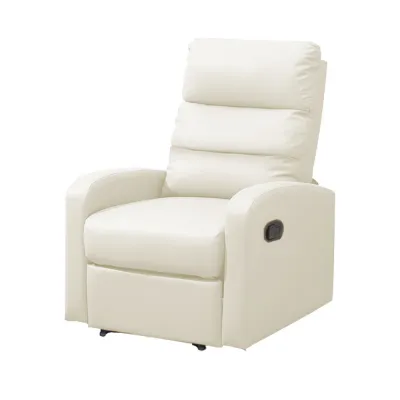
![[Free installation] Electric Recliner Sofa Chair | Single Zero Gravity Motorized Lounge Chair | Rotating Lazy Sofa Bed with Warranty](https://img.lazcdn.com/g/p/76a9b5a7220bfea1b826a65095b7fbbc.jpg_400x400q80.jpg_.webp)
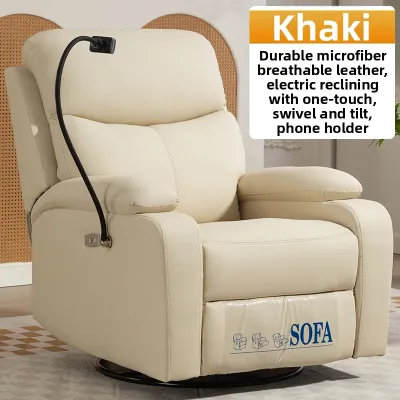
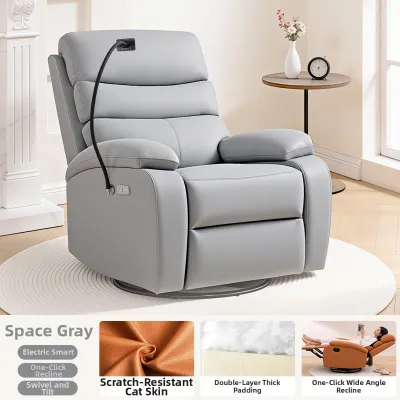
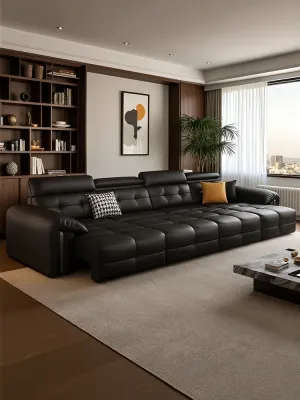
![[SG Seller] TAYLOR COWHIDE RECLINER LEATHER SOFA 3 SEETER (MANUAL/POWER RECLINER AVAILABLE)](https://img.lazcdn.com/g/p/c11663e79909996131fe58434a265c61.jpg_400x400q80.jpg_.webp)
Prices are valid at publication and may change. Please refer to the product page for the latest price.
Seat depth is equally critical for maintaining healthy blood circulation in the lower extremities. If the seat is too deep, your lower back will not reach the backrest, forcing you to slouch and placing excessive strain on the lumbar spine. Conversely, a seat that is too shallow leaves your thighs unsupported, concentrating your body weight on a smaller surface area and causing discomfort. When sitting upright, there should be a gap of approximately two fingers between the back of your knees and the front edge of the seat cushion, and your feet must be able to rest flat on the floor. This positioning ensures that your body weight is distributed evenly across your thighs and buttocks without restricting blood flow behind the knees.
Lumbar and Neck Support Mechanisms
The human spine naturally curves inward at the lower back, a shape known as the lumbar lordosis. When sitting, the pelvis tilts backward, which tends to flatten this natural curve and increase pressure on the spinal discs. To counteract this, a recliner must provide active support to fill the gap in the lower back. Traditional recliners often feature a fixed, built-in lumbar curve designed for an average body height. However, because human torsos vary significantly in length, a fixed curve can end up pressing against the mid-back or pelvis rather than the lumbar region. Power-adjustable lumbar support systems solve this issue by allowing you to electronically adjust the depth and height of the support pad to match your unique spinal shape.
An ergonomic risk unique to poorly designed recliners is bridging, which occurs when a physical gap forms between your lower back and the backrest as the chair reclines. When bridging happens, your lower back muscles must remain tensed to support your torso, leading to muscle fatigue and stiffness after sitting. To check for bridging, slide your hand behind your lower back while in a semi-reclined position; if your hand passes through easily without feeling resistance, the recliner lacks adequate support. Additionally, look for power-adjustable headrests that can tilt forward independently. This mechanism supports your cervical spine and keeps your head in a comfortable position for watching television or reading while the rest of your body is reclined.
Recline Angles and Footrest Extension
Transitioning from an upright sitting position to a reclined state is highly beneficial for reducing spinal compression. Standard recliners typically open to an angle of 135 degrees, which significantly reduces the load on your lower back compared to sitting upright at 90 degrees. However, zero-gravity recliners offer the ultimate level of joint and cardiovascular relief. Inspired by NASA research, the zero-gravity position tilts the entire seat bucket backward while reclining the backrest, elevating your legs slightly above the level of your heart. This specific alignment, where the torso-to-thigh angle is roughly 120 to 130 degrees, distributes your body weight evenly across the chair, minimizes gravity’s pull on the spine, and improves venous blood return to the heart.
To maximize the benefits of reclining, the footrest must be engineered to support your legs without creating localized pressure points. The footrest should extend fully to support both your calves and heels, forming a continuous surface with the seat cushion. If there is a gap between the seat and the footrest, your calves may hang unsupported, placing stress on the knee joints. Furthermore, the footrest should not press hard against the Achilles tendon or the back of the knees, as this can compress blood vessels and nerves. High-quality recliners feature padded, extendable footrest extensions that adjust to your leg length, ensuring that your heels rest comfortably at the very edge without dangling unsupported.
Comparing Ergonomic Design Approaches Across Recliner Categories
Because individual comfort is highly subjective and depends on physical body types, manufacturers design recliners according to different structural philosophies. Understanding these design categories allows you to identify which style aligns best with your physical needs and living space, without relying solely on brand marketing.
Traditional Plush and Oversized Recliners
Traditional plush recliners are designed with a primary focus on immediate, enveloping comfort. These models feature thick, overstuffed cushions filled with generous layers of polyester fiberfill or low-density foam, combined with wide, heavily padded armrests. The primary appeal of this design is its cozy, sink-in feel, which makes it highly popular for casual relaxation. The wide armrests provide excellent support for your forearms and elbows, reducing tension in the shoulders. This style is often favored by users who enjoy a traditional aesthetic and prioritize a soft, lounging experience over structured, therapeutic support.
However, these oversized models present clear ergonomic limitations, particularly for individuals who require firm spinal alignment or have mobility challenges. The deep, soft cushioning that makes these chairs comfortable initially can cause the pelvis to sink too far down, making it difficult to maintain a neutral spinal posture. Over time, this lack of structure can lead to lower back discomfort. Furthermore, because the user sinks so deeply into the seat, exiting the chair requires significant physical effort. For older adults, individuals recovering from joint surgery, or those with limited core strength, standing up from a deep, plush recliner can be physically challenging and may strain the knees and hips.
Modern Ergonomic and Zero-Gravity Recliners
Modern ergonomic recliners prioritize precise skeletal alignment, active support, and medical-grade comfort. These chairs typically feature a sleeker, more minimalist profile and are constructed using high-density, molded cold-cure foam that retains its supportive shape over years of heavy use. Rather than letting you sink into the chair, these models support your body along its natural anatomical curves. They often feature independent, multi-motor power systems that allow you to adjust the headrest, lumbar support, and footrest separately, giving you complete control over your seating posture.
These designs are specifically engineered for users who experience chronic back pain, neck stiffness, or poor circulation, as well as those who spend long hours reading, working, or resting in their chairs. By allowing you to adjust the chair to a precise zero-gravity angle, these recliners actively reduce pressure on the spinal discs and joints. The ability to micro-adjust the headrest means you can keep your eyes aligned with a screen or book without straining your neck muscles. While they represent a higher financial investment, their focus on active ergonomics makes them highly effective for long-term physical health.
Compact and Wall-Hugging Mechanisms
In Singapore, where residential properties like HDB flats and condominiums often feature compact living rooms, space-saving furniture is highly valued. Wall-hugging (or wall-proximity) recliners are specifically engineered to address this constraint. Unlike traditional recliners that require 30 to 50 centimeters of clearance behind the chair to recline fully, wall-huggers can be positioned as close as 5 to 10 centimeters from a wall. When you activate the recline function, the entire seat chassis glides forward along horizontal tracks as the backrest tilts backward, allowing the chair to recline fully within its own footprint.
While wall-hugging mechanisms are highly practical for saving floor space, they do introduce certain ergonomic trade-offs. Because the seat must slide forward on a track, the recline arc is often shallower and less fluid than that of a full-sized recliner. This compact geometry can restrict the maximum height of the footrest, meaning it may not elevate your legs as high as a standard model. Additionally, to fit within a smaller frame, these compact models may feature a shallower seat depth and narrower armrests, which may not fully accommodate taller or larger individuals. It is essential to verify that the compact dimensions still provide adequate thigh and leg support for your height.
Assessing Long-Term Comfort and Structural Durability
A recliner sofa is a significant investment, and its ability to provide comfortable, ergonomic support must last for years of daily use. The durability of a recliner depends on the quality of its internal materials and the engineering of its frame and mechanical parts, which are hidden beneath the upholstery.
Foam Density and Spring Systems
The longevity of a recliner’s comfort is directly tied to the density of the foam used in its cushions. Foam density is measured in kilograms per cubic meter, and higher ratings indicate a more durable material that resists flattening under daily compression. For seat cushions, which bear the majority of your body weight, look for high-resilience foam with a density of at least 35 kilograms per cubic meter. Back cushions can utilize slightly lower densities, around 25 to 30 kilograms per cubic meter, to provide a softer feel against the spine. Avoid low-density foams (under 28 kilograms per cubic meter) for seat cushions, as they quickly degrade and lose their shape, causing you to feel the hard wooden or metal frame underneath within a year of use.
Beneath the foam, the spring system provides the foundation for support and determines how well the seat manages motion. Pocket spring systems, which consist of individually wrapped steel coils, offer excellent localized support and contouring. Each spring compresses independently, allowing the seat to conform precisely to your body shape while isolating motion—an important feature if you are purchasing a multi-seat recliner sofa. Sinuous (or zig-zag) springs consist of S-shaped steel wires stretched horizontally across the frame. They provide a firmer, more resilient bounce and are highly durable, provided they are made from heavy-gauge steel. Ensure the spring system is securely anchored to the frame with nylon-coated clips to prevent squeaking and premature wear.
Mechanical Warranties and Frame Construction
Because recliners contain moving parts that undergo regular mechanical stress, the structural integrity of the frame is paramount. High-quality recliners feature frames constructed from kiln-dried hardwood (such as birch or maple) or heavy-duty engineered steel. Kiln-drying removes moisture from the wood, preventing it from warping, cracking, or splitting in Singapore’s humid climate. The joints of a wooden frame should be double-dowelled, glued, and reinforced with corner blocks for maximum stability. Avoid frames made primarily of low-grade particleboard or thin plywood, as they can flex and warp under the weight of the reclining mechanism, leading to mechanical misalignment and structural failure.
When purchasing a recliner, carefully review the manufacturer’s warranty terms, as they are a strong indicator of the product’s expected lifespan. A high-quality recliner typically features a tiered warranty structure rather than a single, flat coverage period. Look for warranties that offer:
- Frame: Lifetime or 10-year coverage, ensuring the core structure remains stable.
- Reclining Mechanism and Motors: 3 to 5 years of coverage, protecting against mechanical failure or electrical defects.
- Foam and Upholstery: 1 to 2 years of coverage, protecting against premature sagging or stitching failures.
Be sure to verify what the manufacturer classifies as normal wear and tear versus a mechanical defect. For example, a slight softening of the foam over time is normal, but a loss of more than 10 to 15 percent of the cushion’s original height is typically classified as a defect. Understanding these terms protects your investment and ensures your chair continues to provide safe, reliable support.
How to Test and Verify Recliner Comfort Before Buying
To find a recliner that fits your body perfectly, visiting a showroom is highly recommended. Do not rely solely on brief, online reviews or a quick sit-test; instead, follow a structured testing protocol to evaluate the chair’s performance under realistic use conditions.
Begin by conducting a 15-minute sit test. Sit in the recliner in its upright position for at least five minutes, then transition to a semi-reclined position (ideal for reading or watching television) for another five minutes, and finally spend five minutes in the fully reclined position. This extended test allows your muscles and spine to settle into the chair, revealing any hidden pressure points or areas of inadequate support that are not apparent during a brief sit.
Use this checklist to physically verify the chair’s ergonomic fit during your test:
- Lumbar Alignment: While seated upright, slide your hand behind your lower back. If it slides in easily without meeting resistance, the chair lacks adequate lumbar support. Repeat this check in the fully reclined position to ensure no gap (bridging) has formed.
- Neck and Head Support: In the reclined position, verify that the headrest supports your neck comfortably without pushing your head forward or forcing your chin down toward your chest. Your eyes should naturally align with a horizontal line of sight.
- Footrest Pressure: Ensure the footrest supports your calves and heels evenly. Check that there is no painful pressure on your Achilles tendon or the back of your knees, and that your feet do not hang awkwardly over the edge.
- Ease of Operation: For manual recliners, evaluate the physical effort required to pull the lever and, more importantly, to push the footrest back down with your legs to lock it in place. For power recliners, listen to the motor; it should operate smoothly and quietly without any grinding or straining sounds. Ensure the control buttons are within easy, natural reach without requiring you to twist your torso.
Finally, before finalizing your purchase, carefully measure your home’s physical access routes. Check the width of your main entryway, interior doorways, hallway corners, and your building’s lift doors. In Singapore, older HDB lifts can have door widths as narrow as 80 centimeters, which can make delivering a fully assembled recliner challenging. Confirm with the retailer whether the recliner’s backrest can be detached for delivery, and verify if their delivery team provides professional on-site assembly to ensure the chair is set up safely and correctly.
Frequently Asked Questions (FAQ)
Are power recliners better for ergonomic support than manual ones?
Yes, power recliners generally offer superior ergonomic support compared to manual models. Power recliners utilize electric motors that allow for infinite adjustability, enabling you to stop the backrest, footrest, and lumbar support at any precise angle that matches your body’s needs. This allows you to find the exact position that relieves pressure on your joints. In contrast, manual recliners typically rely on body weight to operate and lock into only two or three preset positions, which may not align with your specific height or comfort requirements.
How do I know if a recliner sofa has adequate lumbar support?
You can easily verify a recliner’s lumbar support by performing a quick physical check known as the hand test. Sit upright in the recliner with your feet flat on the floor and your back resting fully against the backrest. Attempt to slide your hand flat behind your lower back; if your hand slides through easily without meeting any resistance, the chair has a gap that will cause muscle strain over time. If you find a recliner that fits your body perfectly in all other aspects but lacks sufficient lumbar support, you can resolve this by adding an aftermarket ergonomic lumbar pillow to fill the gap and support your spine.
Community discussion
Share your experience or ask a question. Comments are reviewed before publication.