
Finding the perfect seating for your kitchen counter or home bar involves balancing comfort, durability, and visual harmony. A versatile rattan stool can instantly transform a space, but its natural texture must align with your broader interior design narrative. By understanding how different weave patterns, frame finishes, and structural silhouettes interact with popular design themes, you can select a piece that feels like an organic extension of your home rather than an awkward addition.
Selecting the right style requires looking beyond the seat itself to analyze the surrounding architecture, light levels, and daily usage patterns. Whether you are aiming for a breezy coastal kitchen, a sleek contemporary breakfast nook, or a lush tropical dining area, matching the stool’s physical design to your interior theme ensures a cohesive and polished look.
How to Assess Your Space and Existing Decor
Before browsing specific designs, take a step back to analyze the visual baseline of your kitchen or dining area. Look closely at the dominant color palette of your cabinetry, the material of your countertops, and the undertone of your flooring. A kitchen dominated by cool-toned gray cabinetry and white marble countertops benefits from the warmth of natural honey-toned rattan, which softens the clinical feel of stone. Conversely, if your space features dark wood grain or warm-toned tiles, a black-painted or dark-stained frame will create a more grounded, deliberate connection.
Products mentioned in this guide
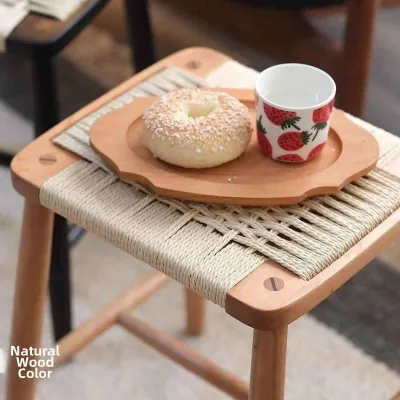
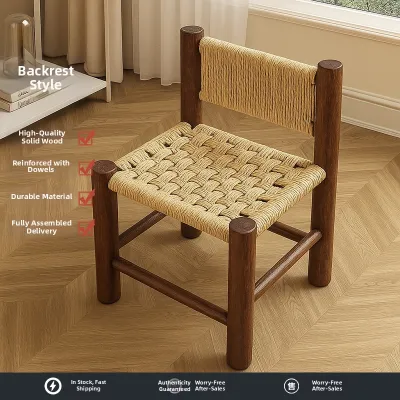
Prices are valid at publication and may change. Please refer to the product page for the latest price.
Physical dimensions are the next critical constraint when choosing seating. Measure the distance from the floor to the underside of your counter or island to determine whether you need counter-height or bar-height seating. Standard kitchen counters in modern apartments typically stand at 90 cm, requiring a seat height of 60 to 65 cm. Bar tables and elevated breakfast counters usually measure 100 to 110 cm, which demands a taller seat height of 70 to 75 cm. Failing to measure accurately can result in cramped legroom or an uncomfortably low seating position.
Beyond simple height, calculate the horizontal footprint to ensure comfortable spacing between seats. Plan for approximately 60 to 75 cm of width per stool, measured from the center of one seat to the next, to allow diners to mount and dismount without bumping elbows. If your island is 180 cm long, you can comfortably fit two large, high-backed stools or three compact, backless options. Keeping these physical limits in mind prevents your island from looking overcrowded.
Finally, evaluate the visual weight of the area to decide if your seating should blend in or stand out. In small or narrow open-concept layouts, bulky furniture can block natural light and make the room feel cramped. A lightweight, open-weave rattan design allows light to pass through, maintaining an airy and spacious feel. In contrast, if you have a large, minimalist kitchen with expansive blank walls, a pair of sculptural, high-backed rattan stools can serve as essential visual anchors that define the dining zone.
Matching Rattan Stool Styles to Popular Interior Themes
Each interior design theme carries a distinct visual language, and the way rattan is treated, framed, and woven determines how well it speaks that language. By identifying your home’s primary style, you can narrow down the weave patterns, frame colors, and materials that will complement your space.

Bohemian and Eclectic Interiors
Bohemian and eclectic homes thrive on layered textures, artistic expression, and a relaxed, lived-in atmosphere. In these spaces, furniture should feel collected over time rather than purchased as a matching set. Look for stools that showcase the raw, organic beauty of unbleached, natural rattan, which features subtle color variations from pale straw to warm amber.
Intricate weave patterns are highly effective in bohemian settings. Focus on designs that incorporate sunburst weaves, peacock-style curved backs, or elaborate looping patterns along the frame. These organic, asymmetrical shapes break up the rigid straight lines common in modern kitchen cabinetry, introducing a sense of playfulness and warmth.
To enhance the cozy, layered aesthetic, pair your stools with textured accessories. You can add soft linen cushions, fringed seat pads, or sheepskin throws in earthy tones like terracotta, mustard, or olive green. This approach not only increases seating comfort but also reinforces the relaxed, tactile character that defines bohemian design.
Tropical and Resort-Inspired Spaces
Tropical and resort-inspired interiors aim to evoke the serene, breezy atmosphere of a luxury vacation retreat. This style is particularly well-suited for warm, humid climates where natural materials help blur the line between indoor comfort and outdoor freshness. The goal is to create a lush, inviting environment centered around rich textures and organic elements.
For a resort-like feel, look for stools with dark-stained, walnut, or deep mahogany rattan frames. These darker tones provide a sophisticated contrast against light-colored walls and countertops. If the stool features upholstery, opt for fabrics with large tropical leaf motifs, or choose open, airy cane weaves that allow air to circulate freely.
Because tropical spaces often feature high humidity, check if the natural rattan has been treated with a protective clear polyurethane or lacquer finish. This protective coating helps guard the fibers against moisture absorption and makes cleaning easier. Complete the look by surrounding your dining area with large indoor plants, dark wood accents, and brass hardware.
Scandinavian and Minimalist Homes
Scandinavian and minimalist designs are built on the principles of functionality, simplicity, and clean lines. In these interiors, every piece of furniture must serve a purpose while contributing to a calm, uncluttered visual landscape. The focus shifts away from elaborate ornamentation toward beautiful materials and refined craftsmanship.
To match this aesthetic, choose stools with simple geometric lines and minimalist silhouettes. Light-colored or white-washed rattan is ideal here, as it complements pale wood species like oak, ash, and beech. Look for backless models or those with low, understated backs that can slide completely under the counter when not in use, keeping walkways clear.
Pair these clean-lined stools with matte finishes and neutral, solid-colored seat cushions made from natural fibers like cotton, linen, or wool. The combination of pale wood, light rattan, and soft gray or beige textiles creates a warm, inviting atmosphere without introducing visual clutter, perfectly embodying the Nordic concept of cozy minimalism.
Coastal and Hamptons Style
Coastal and Hamptons-style homes are characterized by bright, breezy, and elegant spaces that feel connected to the sea. This aesthetic relies on a classic color palette of crisp whites, soft creams, navy blues, and natural wood tones. The furniture should look refined yet comfortable, evoking a sense of relaxed sophistication.
For a coastal kitchen, seek out stools that pair painted frames with natural rattan elements. Stools featuring crisp white, cream, or deep navy-painted wood frames with natural honey-colored rattan seats or back panels offer a beautiful, classic contrast. Look for traditional design details such as spindle backs, simple cross-back frames, or tailored, slipcovered seats.
To maintain the bright, light-reflecting quality of coastal spaces, pair your stools with polished chrome or brass kitchen hardware, white shaker-style cabinetry, and striped linen cushions. The mix of painted wood, natural weave, and metallic accents keeps the dining area looking clean, bright, and timelessly elegant.
Modern and Contemporary Settings
Modern and contemporary kitchens are defined by sleek surfaces, handleless cabinetry, and industrial-leaning materials. While these spaces are highly functional, they can sometimes feel cold or sterile. Introducing a natural material like rattan is an excellent way to inject warmth and organic texture into a highly structured environment.
In contemporary settings, look for stools that mix rattan with contrasting industrial materials. Designs featuring matte black steel, brushed brass, or chrome frames paired with natural cane webbing panels are highly effective. The juxtaposition of a cold, rigid metal frame with a warm, flexible woven seat creates a striking visual balance.
Focus on structured, angular frames where the woven material is used as a sleek insert rather than the entire structural body. This clean-lined approach ensures the stool respects the minimalist architecture of a modern kitchen while still providing the tactile comfort and visual interest of natural wood fibers.
Key Features to Check Before Buying
Investing in bar stools requires careful attention to structural details to ensure your chosen seating is safe, durable, and comfortable for daily use. Because bar stools elevate the user off the ground, stability and material quality are paramount.
- Frame Material and Joints: Inspect the primary load-bearing frame of the stool. High-quality options utilize solid hardwood (such as teak, oak, or ash), powder-coated steel, or thick, premium rattan poles. Avoid frames made from thin, lightweight plastics or low-grade metals that can bend under pressure. Examine the joint construction closely; look for sturdy dowel joints, mortise-and-tenon connections, or reinforced heavy-duty screws. Avoid stools that rely solely on cheap glue or basic staples at key stress points, as these will loosen over time and cause the stool to wobble.
- Rattan Quality and Weave: Run your hands over the woven surfaces to check for quality. High-grade weaving should feel tight, even, and smooth, with minimal loose strands, splits, or sharp edges that could snag clothing. It is also important to understand the difference between natural rattan and synthetic polyethylene (PE) rattan. Natural rattan offers unmatched organic beauty and warmth but is sensitive to moisture and direct sunlight. Synthetic PE rattan is highly durable, easy to wipe clean, and resistant to water, making it a highly practical choice for high-traffic kitchens or semi-outdoor dining spaces.
- Dimensions and Clearance: Always measure your counter height before making a purchase. To sit comfortably without your legs feeling trapped, ensure there is a clear gap of 25 to 30 cm between the top of the stool seat and the underside of your counter or island. For example, if your counter underside sits at 90 cm, choose a stool with a seat height of 60 to 65 cm. Additionally, check the overall footprint of the stool's legs; flared legs offer excellent stability but require more floor space, which can create a tripping hazard in narrow walkways.
- Footrests and Stability: A sturdy footrest is not just a comfort feature; it is a structural necessity for tall seating. Because your feet cannot reach the floor, a footrest relieves pressure on the back of your thighs and prevents leg fatigue during long meals. Furthermore, the footrest acts as a horizontal brace that reinforces the stool's legs, preventing them from splaying outward over time. Ensure the footrest is positioned at a comfortable height (typically 35 to 40 cm below the seat) and is made of a durable, easy-to-clean material like metal or protected wood.
- Care and Maintenance: Always read the manufacturer's specific care and warranty instructions before purchasing. Natural rattan is an organic material that can dry out and crack if exposed to direct, intense sunlight, or develop mold if subjected to standing water. Verify if the stool has been treated with a protective clear coat or sealer. For daily maintenance, plan to dust the weave regularly with a soft brush or vacuum attachment, and clean up spills immediately using a damp cloth and mild, pH-neutral soap, drying the surface thoroughly afterward.
Quick Comparison of Rattan Stool Styles
To help you visualize how these design choices come together, the table below summarizes the key features, frame colors, and ideal pairing materials for each major interior theme.
| Interior Theme | Key Stool Features | Ideal Frame Colors | Best Pairing Materials |
|---|---|---|---|
| Bohemian & Eclectic | Intricate weaves, curved or peacock backs, organic shapes | Natural straw, warm amber, unbleached rattan | Terracotta, macrame, textured linen, sheepskin |
| Tropical & Resort | Large open weaves, sturdy frames, protective clear coats | Dark walnut, mahogany, deep charcoal | Indoor palms, brass hardware, dark wood cabinetry |
| Scandinavian | Simple geometric lines, low-profile or backless designs | White-washed, pale oak, natural light wood | Ash wood, matte black fixtures, neutral cotton cushions |
| Coastal & Hamptons | Spindle backs, cross-backs, elegant painted frames | Crisp white, soft cream, deep navy blue | Shaker cabinets, polished chrome, striped fabrics |
| Modern & Contemporary | Sleek cane inserts, mixed-material frames, angular shapes | Matte black steel, brushed brass, chrome | Quartz countertops, handleless cabinets, concrete |
Frequently Asked Questions (FAQ)
Can natural rattan bar stools be used outdoors in Singapore?
Natural rattan is generally not recommended for fully outdoor use in tropical climates like Singapore’s. The combination of intense equatorial sunlight, high humidity, and frequent heavy rainfall can quickly cause natural wood fibers to warp, crack, fade, or develop mold.
If you want to use rattan-style seating on an open balcony, patio, or outdoor bar, look for stools made from synthetic PE (polyethylene) rattan. These synthetic options are specifically engineered to withstand UV rays and moisture. Pair them with rust-proof, powder-coated aluminum or stainless steel frames to ensure long-lasting durability in outdoor environments.
How do I clean and maintain woven rattan seats?
To keep woven rattan seats looking pristine, establish a simple cleaning routine. Use a soft-bristled brush or a vacuum cleaner equipped with a soft brush attachment once a week to gently remove dust, crumbs, and pet hair from the crevices of the weave.
For liquid spills or sticky spots, wipe the area immediately using a soft microfiber cloth lightly dampened with warm water and a drop of mild, pH-neutral dish soap. Avoid soaking the rattan fibers, as excess water can weaken the material. Always dry the surface thoroughly with a clean towel, and let the stool air dry completely in a well-ventilated indoor space before sitting on it again.
What is the standard height for a kitchen island stool?
The standard height for a kitchen island stool depends directly on the height of your counter. For a standard kitchen counter or island that stands at approximately 90 cm from the floor, you should look for a counter-height stool, which typically features a seat height of 60 to 65 cm.
If you have a taller commercial-style bar table or an elevated breakfast counter measuring between 100 and 110 cm, you will need a bar-height stool, which generally has a seat height of 70 to 75 cm. Always measure your specific counter from the floor to the underside of the countertop before buying, as custom-built islands can vary from standard manufacturing heights.
Community discussion
Share your experience or ask a question. Comments are reviewed before publication.