
Quick Answer: Which Kitchen Counter Top Material Fits Your Needs?
Selecting a kitchen counter top is one of the most critical decisions when planning a custom kitchen renovation. In Singapore, where kitchens must withstand high humidity, heavy daily meal preparation, and varied cooking styles, your choice of material directly impacts your kitchen’s longevity and ease of use. The ideal surface depends on how you balance cooking intensity, maintenance habits, and your renovation budget.
- Choose Quartz if you prioritize consistent patterns, high stain resistance, and low daily maintenance. It is ideal for busy households seeking a modern look with minimal daily upkeep, provided you are diligent about using trivets for hot pots.
- Choose Solid Surface if you need seamless joints, integrated sinks, and repairable surfaces for complex layouts. It is perfect if you prioritize hygiene and the ability to repair minor scratches easily, and accept lower heat and scratch resistance.
- Choose Granite if you want unique natural veining, high heat tolerance, and do not mind periodic sealing and natural variations.
| Material | Relative Heat Tolerance | Scratch Resistance | Sealing Required | Relative Cost Tier |
|---|---|---|---|---|
| Quartz | Moderate (Requires trivet) | High | No | Mid to High |
| Solid Surface | Low (Requires trivet) | Moderate (Repairable) | No | Low to Mid |
| Granite | High | High | Yes (Periodic) | High to Premium |
Disclaimer: Performance characteristics can vary by brand and slab origin. Homeowners must verify exact specifications, care guidelines, and warranties with their chosen manufacturer or fabricator before purchasing.
Durability and Daily Wear: Evaluating Material Limits
Daily wear in a busy kitchen involves mechanical impacts, thermal shock, and chemical exposure. Understanding how each material behaves under these stressors is essential to selecting a surface that aligns with your household’s cooking habits.
Products mentioned in this guide
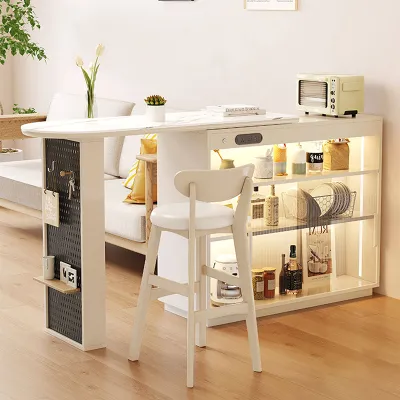
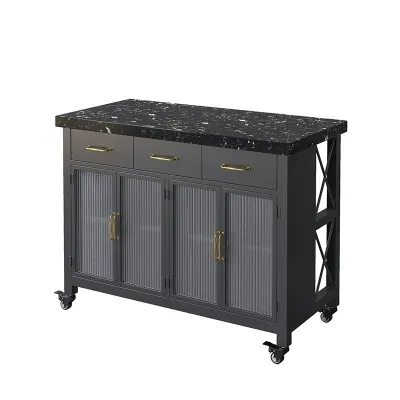
Prices are valid at publication and may change. Please refer to the product page for the latest price.

Quartz: Evaluating Engineered Consistency and Resin Limits
Engineered quartz is made of ground quartz crystals bound with polymer resins, typically in a ratio of roughly 90% to 93% mineral and 7% to 10% resin. This manufacturing process creates an exceptionally hard, non-porous surface that naturally resists staining from daily kitchen spills like coffee, wine, and dark sauces. Because there are no microscopic pores, bacteria and mold cannot penetrate the surface, making it highly hygienic.
However, the polymer resins used as binders introduce a critical vulnerability to extreme heat. If a hot pan straight from the stove is placed directly on a quartz kitchen counter top, the resin can undergo thermal shock or scorch, leaving a permanent yellow or brown ring. Homeowners should check the manufacturer’s technical specifications for maximum temperature limits and always keep trivets nearby. To assess scratch resistance, consult the Mohs hardness scale rating on the product’s spec sheet; quartz typically ranks around 7, making it highly resistant to metal utensils, though cutting directly on it is discouraged.
Solid Surface: Assessing Acrylic Blends and Heat Tolerance
Solid surface materials are manufactured from a blend of acrylic or polyester resins combined with natural mineral fillers, such as alumina trihydrate. This composition makes the material softer and more susceptible to physical scratches and thermal damage compared to stone. Placing a hot pan directly on a solid surface counter top can easily scorch or even melt the acrylic binder.
Despite this vulnerability, solid surface has a major advantage: it is completely homogeneous. Because the color and pattern run all the way through the slab, any surface scratches, minor burns, or stains can be buffed out or sanded away. Homeowners must review the fabricator’s guidelines on hot pan placement and cutting board usage to prevent permanent thermal or mechanical damage.
Granite: Inspecting Natural Stone Porosity and Sealants
Granite is a natural igneous rock formed under intense heat and pressure deep within the earth, consisting primarily of quartz, feldspar, and mica. This natural origin gives granite incredible structural hardness and exceptional heat tolerance, allowing it to withstand hot pans far better than engineered materials. However, unlike engineered quartz or solid surface, granite is naturally porous.
The level of porosity varies significantly depending on the specific geological origin and color of the slab; lighter granites are typically more porous than darker, denser varieties. To prevent liquids from seeping into these microscopic pores and causing permanent stains or harboring bacteria, granite must be properly sealed. Homeowners should perform or request a water absorption test on unsealed samples and verify whether the fabricator applies a long-lasting factory sealer or if a post-installation sealant is required.
Maintenance and Cleaning: Long-Term Care Requirements
Establishing a proper cleaning routine is vital to preserving the appearance and structural integrity of your kitchen counter top over years of daily use.
- Quartz: Daily cleaning requires only a soft microfiber cloth, warm water, and a few drops of mild dish soap. You must avoid using highly alkaline or acidic cleaning agents, oven cleaners, bleach, or abrasive scrubbing pads. These harsh materials can chemically degrade the polymer resin binder or physically micro-scratch the surface, leading to a permanent loss of the counter's polished luster.
- Solid Surface: Routine cleaning involves wiping the surface with a damp cloth and a mild household cleaner. When minor scratches or light scorch marks occur, they can often be buffed out. Homeowners can use a mild abrasive cleaning cream along with a manufacturer-approved abrasive pad, working in gentle circular motions to blend the scratch into the surrounding finish. It is vital to avoid exposing solid surfaces to strong chemical solvents like acetone or paint strippers.
- Granite: Daily cleaning must be done using pH-neutral stone cleaners or warm water mixed with a mild, non-abrasive dish soap. Standard household cleaners containing vinegar, lemon juice, or ammonia will chemically etch the stone and strip away the protective sealer. Homeowners must follow a regular re-sealing schedule, which typically ranges from every one to three years depending on usage and stone density. Perform a water droplet test to determine when re-sealing is necessary, and follow the specific sealant manufacturer’s instructions.
Cost Factors: What Drives the Price of Custom Kitchen Counter Tops?
When budgeting for a custom kitchen counter top, several key variables determine the final quote, making it essential to look beyond the base per-foot price.
- Material Grade and Origin: Standard quartz with basic patterns is more affordable than premium slabs featuring intricate, realistic marble-like veining. Similarly, granite prices fluctuate based on the rarity of the stone, its country of origin, and transport logistics.
- Slab Thickness: Slabs of 20mm thickness are the standard choice in many modern kitchens, while upgrading to a 30mm solid slab significantly increases both material and transportation costs due to the added weight.
- Fabrication Complexity: Complex edge profiles—such as a classic bullnose, a detailed ogee, or a modern mitered waterfall edge—require precise cutting and extensive hand-polishing, driving up labor costs compared to a simple eased edge. Furthermore, every cutout required for undermount sinks, hobs, and power outlets demands specialized machinery and reinforcement to prevent cracking during transport and installation.
- Seam Placement: Minimizing visible seams in large or L-shaped layouts requires careful planning and highly skilled installers, which can influence the final labor cost.
To ensure you are comparing quotes accurately, always request an itemized breakdown. Use this checklist of essential questions when discussing costs with your contractor or interior designer:
- Does the quoted price include professional on-site templating using laser measurement tools?
- Are delivery fees, lifting charges (especially for walk-up apartments or tight lift access), and final installation fully covered?
- Is the dismantling, removal, and disposal of your old kitchen counter top included in the scope of work?
- Will the cabinet base require additional structural reinforcement or a solid plywood sub-top to support heavy materials like granite, and is this cost included?
- What specific warranty is provided for both the material itself and the installation workmanship?
Aesthetics and Design Flexibility: Matching Your Kitchen Style
The visual impact of your kitchen counter top sets the tone for the entire room’s design, and each material offers distinct aesthetic advantages.
- Quartz: Offers unparalleled aesthetic consistency, as manufacturers can precisely control the distribution of pigments and mineral chips. This predictability makes quartz highly desirable for contemporary, minimalist, or Scandinavian kitchen designs where clean lines and uniform patterns are preferred. It also simplifies the planning of large, multi-slab installations, as fabricators can easily match patterns across seams, ensuring a cohesive look even on expansive kitchen islands.
- Solid Surface: Excels in design flexibility, offering capabilities that natural stone and quartz cannot match. Because the acrylic sheets can be chemically welded together using color-matched adhesives and then sanded flat, the joints become completely invisible to the eye and touch. This seamless quality is highly hygienic, eliminating the dirt-trapping silicone seams common in other installations. Additionally, solid surface can be thermoformed into dramatic curves, integrated backsplashes, or custom curved edge profiles, and allows for seamless integrated sink bowls.
- Granite: Appeals to those who desire the dramatic, organic beauty of authentic natural stone. Each slab of granite is a unique geological record, featuring unrepeatable veining, swirling patterns, mineral deposits, and color variations. This individuality means that your kitchen counter top will be completely one-of-a-kind. However, this natural variation requires careful planning. Homeowners should never select granite based on a small showroom sample; instead, you must visit the stone yard (such as those in Kranji or Sungei Kadut) to inspect the exact physical slab allocated for your project. This hands-on inspection allows you and your fabricator to map out the cuts, ensuring that the most beautiful veining is highlighted on high-visibility surfaces and that natural fissures or color shifts are strategically placed away from seams.
Final Checklist Before Ordering Your Custom Counter Top
Before finalizing your order for a custom kitchen counter top, executing a few practical verification steps can save you from costly delays and structural failures.
- Space and Access Verification: Measure your home's physical access and space constraints. In many urban residential buildings, particularly high-rise apartments and condominiums, passenger elevators have strict weight and size limits. A large, unbroken slab of granite or 20mm quartz can easily exceed these dimensions, requiring the installation team to carry the heavy material up multiple flights of stairs—which incurs significant labor surcharges—or force the fabricator to cut the slab into smaller pieces, resulting in unplanned seams.
- Cabinet Structural Check: Perform a thorough structural assessment of your kitchen cabinetry. Heavy materials like granite and thick quartz exert immense downward pressure on base cabinets. You must ensure that your cabinet carcasses are constructed from high-quality, moisture-resistant materials and are perfectly level across the entire run. Any slight slope or unevenness in the cabinet tops can create localized stress points under a heavy stone slab, eventually leading to structural cracking or joint failure. Ask your cabinet maker to verify that the support frames are rated to bear the specific weight of your chosen countertop material.
- Sample and Spec Review: Conduct a comprehensive sample and specification review before signing the contract. Take physical material samples home and place them in your kitchen to observe how the color and texture look under your actual lighting conditions, which can vary dramatically between natural daylight and warm LED under-cabinet lights. Double-check that the written contract explicitly details the exact slab thickness, the chosen edge profile, the precise locations of all seams, and the terms of the manufacturer's warranty.
Frequently Asked Questions (FAQ)
Can I place hot pots directly on quartz or granite?
No, you should never place hot pots or pans directly on either quartz or granite countertops. While granite possesses high natural heat tolerance, sudden temperature spikes can cause thermal shock, potentially leading to hairline cracks or discoloration of resin-filled natural pockets. Engineered quartz is even more vulnerable because it contains roughly 7% to 10% polymer resin binder, which can scorch, yellow, or permanently melt when exposed to direct high heat. Utilizing heat-resistant trivets, silicone pads, or hot pads is a mandatory daily care practice for both materials to preserve their appearance and maintain your manufacturer’s warranty.
Is solid surface repairable if it gets scratched or scorched?
Yes, one of the greatest advantages of solid surface material is its excellent repairability. Because it is a non-porous, homogeneous material with consistent color and pattern throughout its entire thickness, minor scratches, light stains, and superficial scorch marks can typically be sanded out. Homeowners should consult the manufacturer’s care guide to use the correct sequence of fine-grit sandpaper or abrasive buffing pads to restore the original finish. However, deep structural cracks, severe burns, or impact chips will require professional intervention from a qualified fabricator, who can seamlessly patch the damaged area using matching material and specialized adhesive.
How do I verify the quality of a granite slab before installation?
To verify the quality of a granite slab, you must personally inspect the physical stone at the fabricator’s yard before cutting begins. Look closely for natural structural defects such as deep fissures, excessive pitting, or soft, crumbly mineral deposits, particularly in areas where sink and hob cutouts are planned, as these spots are highly vulnerable to cracking under stress. Run your hand across the polished surface to check for uneven finishes or rough patches. Finally, collaborate closely with your fabricator during the templating phase to plan seam placements away from high-stress zones and ensure the natural veining flows beautifully across the joints.
Community discussion
Share your experience or ask a question. Comments are reviewed before publication.