
When searching for a plastic cover for bed protection, finding the right balance between absolute waterproof security and a comfortable night’s sleep can be challenging. The three most common materials used to create these liquid barriers are Polyvinyl Chloride (PVC), Polyethylene Vinyl Acetate (PEVA), and Thermoplastic Polyurethane (TPU). While all three materials are highly effective at blocking liquids, they differ significantly in flexibility, breathability, noise level, durability, and chemical composition.
For most households, TPU provides the best overall performance because it offers reliable waterproofing while remaining soft, silent, and relatively breathable. PEVA serves as a lightweight, PVC-free alternative that works well for budget-conscious setups or temporary beds. PVC is the most rigid and economical option, offering a heavy-duty barrier that is highly durable but prone to trapping heat and making noticeable rustling noises. Understanding how these materials behave under real-world conditions will help you select the best option for your specific sleeping environment and protection needs.
Decoding PVC, PEVA, and TPU: What the Labels Actually Mean
To make an informed decision, it is helpful to understand what these plastic designations actually represent on a product label. Polyvinyl Chloride, commonly known as PVC or vinyl, is a traditional synthetic plastic that is naturally rigid. To make it flexible enough for bedding, manufacturers must add plasticisers, which can sometimes emit a distinct chemical odor when first unpacked. PVC is highly impermeable, making it an excellent barrier against heavy spills, but its dense structure does not allow air or moisture vapor to pass through.
Products mentioned in this guide
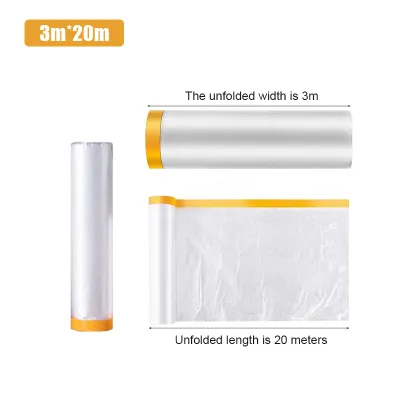
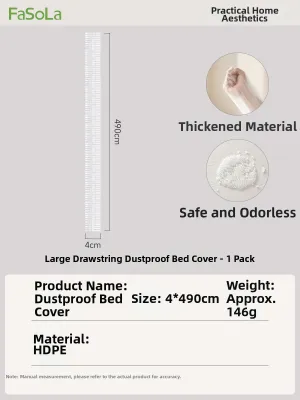
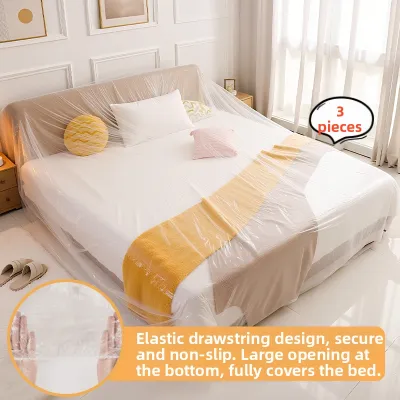
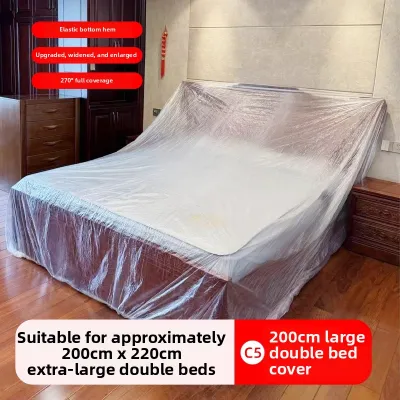
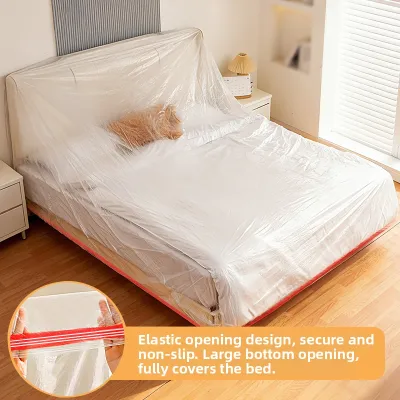
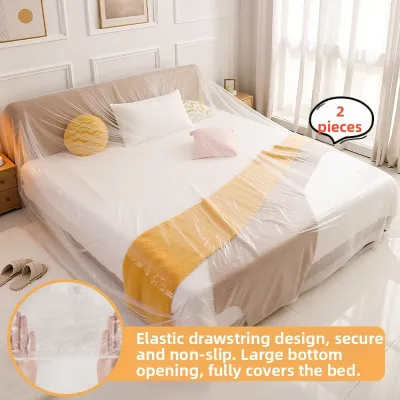
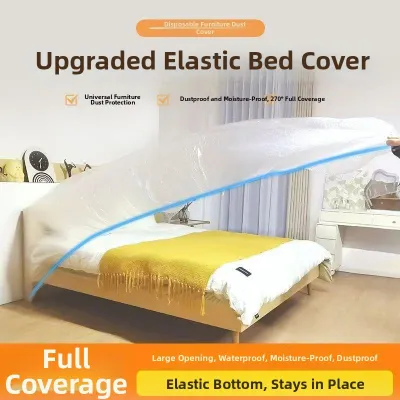
![[SG STOCK]SG Premium Waterproof Mattress Protector - Fitted Bedsheet King Queen Single Kids Baby Plastic Sheet Bed Cover](https://img.lazcdn.com/g/p/299e76aba44a0f0261d7814b893684bd.jpg_400x400q80.jpg_.webp)
Prices are valid at publication and may change. Please refer to the product page for the latest price.
Polyethylene Vinyl Acetate, or PEVA, is a non-chlorinated vinyl material often marketed as a safer, more environmentally friendly alternative to PVC. Because PEVA is naturally more flexible than PVC, it does not require the same heavy use of phthalate plasticisers to achieve a pliable texture. This typically results in a lighter material that has less initial chemical odor and a slightly softer feel, though it remains a solid, non-porous plastic sheet that blocks both liquids and airflow.
Thermoplastic Polyurethane, or TPU, represents a more advanced class of plastics that combines the elasticity of rubber with the durability of polyurethane. TPU can be manufactured into extremely thin, highly flexible membranes that are laminated directly to fabric backings. Unlike PVC and PEVA, TPU can be engineered with microscopic pores. These pores are small enough to block liquid water droplets from passing through, yet large enough to allow microscopic water vapor molecules—such as sweat and humidity—to escape, creating a semi-permeable barrier.
When reading product labels, look closely at the material composition and construction style. A cover labeled as “100% vinyl” or “100% PVC” is typically a solid plastic sheet, which is highly waterproof but offers no fabric comfort. Conversely, many modern protectors feature a fabric top layer—such as cotton terry, bamboo-derived rayon, or polyester knit—with a “TPU backing” or “polyurethane laminate.” Checking the thickness, often indicated by weight or material density, can also give you a clue about durability; heavier materials generally withstand more wear but may feel stiffer on the bed.
Assessing Waterproof Protection and Durability Limits
Evaluating the waterproof effectiveness of a plastic cover for bed protection requires looking beyond basic marketing claims. The primary point of failure for any waterproof cover is not the flat surface of the plastic itself, but the seams and edges where the material is joined. High-quality waterproof covers often feature heat-welded or sonically sealed seams, which fuse the plastic edges together to create a continuous, leak-proof barrier. Stitched seams, while common, introduce thousands of tiny needle punctures that can allow liquids to seep through under pressure unless they are reinforced with waterproof seam tape on the underside.

The physical design of the cover also plays a critical role in protection. Six-sided zippered encasements offer complete protection against spills, bed bugs, and allergens, but they require a high-quality, tightly sealed zipper track. Look for zippers that feature a protective fabric flap or a locking hook at the end to prevent liquids or pests from bypassing the barrier. For five-sided fitted-sheet style protectors, ensure the elastic skirt is strong enough to keep the cover flat and secure, preventing pooling liquids from running off the edges and soaking into the sides of the mattress.
Durability varies widely across these three materials and is closely tied to how they handle physical stress and aging. PVC is highly resistant to tearing when thick, but over time, exposure to body heat, friction, and folding can cause the plasticisers to migrate, leaving the material brittle and prone to cracking along fold lines. PEVA is lighter and more flexible than PVC, but its thinner profile means it can be more susceptible to punctures from sharp objects or rough handling during washing.
TPU membranes are highly resilient and stretchable, allowing them to conform to the movement of the sleeper without tearing or losing their shape. However, because TPU is typically laminated to a fabric backing, its main durability limit is delamination—the gradual separation of the plastic membrane from the fabric layer. This is usually caused by improper washing, high heat exposure, or harsh detergents. When inspecting a used cover, look for physical signs of wear such as peeling backing, bubbling, yellowing, or brittle spots, which indicate that the waterproof barrier has been compromised and the cover needs to be replaced.
Evaluating Sleep Comfort: Noise, Texture, and Heat Retention
Sleep comfort is often the deciding factor when choosing between these plastic materials, as a noisy or hot bed cover can severely disrupt your rest. Standard PVC covers are notorious for producing a distinct “crinkle” or “rustle” sound whenever you shift positions. This noise can be highly distracting, especially for light sleepers or children. PEVA is slightly softer and quieter than PVC, but it still produces a noticeable plastic sound if it is not covered by a thick mattress pad or quilted sheet. TPU is highly flexible and elastic, allowing it to stretch silently with your body movements, making it virtually indistinguishable from standard fabric bedding.
The surface texture of the cover also influences how it feels against your skin. Pure plastic covers made of PVC or PEVA have a smooth, non-absorbent surface. If you sweat during the night, the moisture has nowhere to go and will pool on top of the plastic, creating a clammy, uncomfortable sleeping environment. To combat this, many manufacturers laminate these plastic backings to textured top layers, such as cotton terry, quilted microfiber, or bamboo knit. These textured surfaces absorb sweat and moisture, keeping you dry while the underlying plastic layer protects the mattress.
Heat retention is another major consideration, particularly in warm or humid climates. Because PVC and PEVA are completely non-porous, they trap body heat and warm air beneath your sheets, which can cause you to sleep hot. TPU membranes, on the other hand, can be engineered with breathable properties that allow heat and moisture vapor to escape while keeping liquid water out. When shopping, check product descriptions for terms like “breathable membrane,” “vapor-permeable,” or “air-flow technology” to ensure the cover will help regulate your sleeping temperature.
Cleaning, Maintenance, and Safety Verification
Proper maintenance is essential to preserve the waterproof integrity of your plastic bed cover and extend its lifespan. Always consult the manufacturer’s care label before washing, as plastic materials are highly sensitive to temperature and chemical exposure. Washing a plastic cover in hot water or drying it on a high-heat setting can melt, warp, or crack the waterproof layer, rendering it useless.
For minor spills or daily maintenance, spot-cleaning is often the safest and easiest method. Simply wipe the affected area with a damp cloth and a mild, non-abrasive detergent, then allow it to air dry completely before putting your sheets back on. When machine washing is necessary, use a gentle cycle with cold or lukewarm water (typically below 40°C) and a mild, liquid detergent. Avoid using bleach, fabric softeners, or harsh solvents, as these chemicals can break down the plasticisers in PVC and PEVA or degrade the adhesive bond in laminated TPU covers.
To protect the waterproof backing during the wash cycle, wash the cover alongside other bedding, such as sheets or towels. This helps balance the washing machine drum and prevents the plastic membrane from getting caught, stretched, or torn by the agitator. Air drying is highly recommended; hang the cover in a well-ventilated indoor space or a shaded outdoor area away from direct sunlight, which can also degrade the plastic. If you must use a clothes dryer, select the lowest heat setting (“air fluff” or “no heat”) and remove the cover as soon as the cycle finishes. Never iron a plastic bed cover, as the direct heat will instantly melt the material.
Safety verification is another important step, especially since you spend a third of your life in close contact with your bedding. Because PVC and PEVA can sometimes release volatile organic compounds (VOCs) or contain chemical additives, look for independent safety certifications on the product packaging. Certifications like OEKO-TEX Standard 100 guarantee that the textile and plastic components have been tested for harmful substances and are safe for direct skin contact. Additionally, look for explicit “phthalate-free,” “BPA-free,” or “lead-free” claims, particularly when purchasing vinyl or PVC covers, to ensure a healthier sleeping environment.
Decision Framework: Which Material Fits Your Protection Needs?
To choose the right plastic bed cover, you must weigh your specific protection priorities, comfort preferences, and budget against the unique characteristics of each material.
Choose PVC if:
- You need a highly economical, heavy-duty liquid barrier for short-term, temporary, or low-use beds, such as guest rooms or camping mattresses.
- You are prepared to use a thick, quilted mattress pad or topper over the cover to mask the plastic noise and reduce heat retention.
- You have verified that the product is labeled phthalate-free and you are able to air it out in a well-ventilated space to dissipate any initial chemical odor before use.
Choose PEVA if:
- You are looking for a budget-friendly, PVC-free option that offers reliable, basic protection against spills, bedwetting, or dust mites.
- You prefer a lighter, more flexible cover than standard PVC with less initial chemical smell and a slightly softer feel.
- You plan to use it on a child's bed or a spare mattress where absolute silence and high breathability are secondary to reliable, affordable waterproofing.
Choose TPU if:
- You want a high-quality, long-term mattress protector for everyday use that does not compromise on sleep comfort, noise, or temperature regulation.
- You are willing to invest slightly more for a highly flexible, durable, and machine-washable membrane that stretches silently and behaves like fabric.
- You sleep hot or live in a warm, humid climate where a breathable, vapor-permeable barrier is essential to prevent night sweats and heat buildup.
Verify first if:
- You have severe allergies, asthma, or sensitive skin, in which case you should look for certified hypoallergenic materials with independent safety certifications like OEKO-TEX.
- You are trying to protect a high-end mattress under a strict manufacturer warranty, as some warranties require the use of a breathable, liquid-proof protector to maintain coverage and prevent mold growth.
Frequently Asked Questions (FAQ)
Will a plastic bed cover void my mattress warranty?
Most mattress warranties do not forbid the use of a waterproof cover; in fact, they often require the mattress to be kept free of stains and liquid damage to maintain warranty coverage. However, using a completely non-breathable, heavy vinyl cover that traps moisture inside the mattress structure could potentially lead to mold or mildew growth, which can void your warranty. To protect both your mattress and your warranty, look for a breathable, liquid-proof protector—such as a TPU-laminated cover—that allows moisture vapor to escape while keeping liquid spills out. Always check your specific mattress warranty documentation for any clauses regarding required protector types.
How do I know if my plastic bed cover needs replacing?
You can determine if your plastic bed cover needs replacing by performing a regular physical inspection. Look for visible signs of wear such as cracking, peeling, or flaking of the plastic backing, as well as yellowing, brittle spots, or delamination where the plastic membrane separates from the fabric top. If you notice any dampness on your mattress after a spill, or if the cover develops a persistent musty odor that does not go away after washing, the waterproof barrier has failed. To ensure continuous protection for your mattress, replace the cover immediately once any of these signs are present.
Community discussion
Share your experience or ask a question. Comments are reviewed before publication.