
Selecting the right plastic cover for your shelves is a practical way to protect your cabinetry from moisture, scratches, and stains while making everyday cleaning much easier. The three most common materials available—Polyvinyl Chloride (PVC), Polyethylene (PE), and Ethylene-Vinyl Acetate (EVA)—each offer distinct physical properties that make them suitable for different areas of the home. To make the best choice, you must evaluate the specific environmental conditions of your rooms, such as high humidity in bathrooms or potential heat exposure in kitchens, and match them against the manufacturer’s product specifications.
Material Profiles: Observable Traits of PVC, PE, and EVA
Understanding the physical characteristics of each plastic type allows you to identify them easily and select the format that best fits your shelving needs.
PVC (Polyvinyl Chloride) is a widely used plastic that is typically smooth, dense, and highly durable. It is commonly available in clear, frosted, or patterned rolls, making it a versatile choice for both hidden pantries and visible shelving. Because PVC can be relatively rigid in its natural state, manufacturers add plasticizers to make it flexible enough to lie flat on shelves. When shopping for PVC liners, it is important to check the product labels for flexibility ratings and low-odor or low-volatile organic compound (VOC) specifications, as some PVC products can release a distinct plastic smell when first unpacked in enclosed spaces.
Products mentioned in this guide
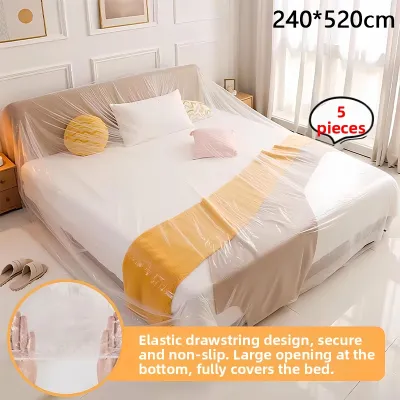
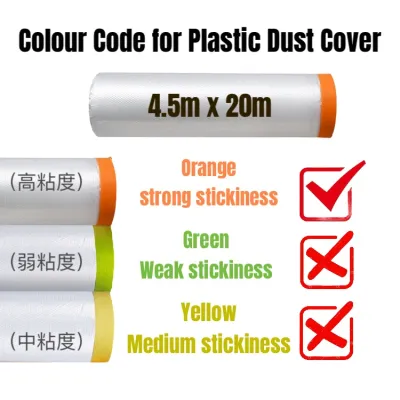
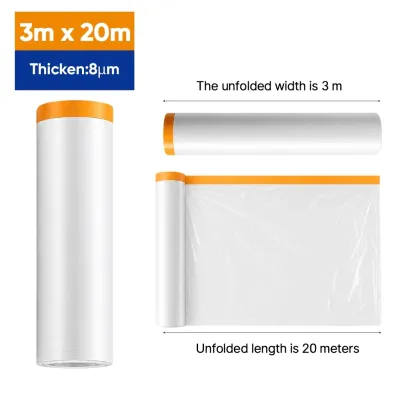
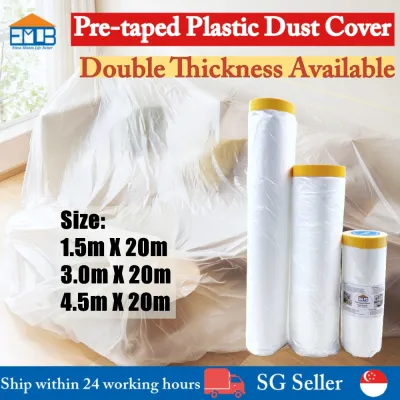
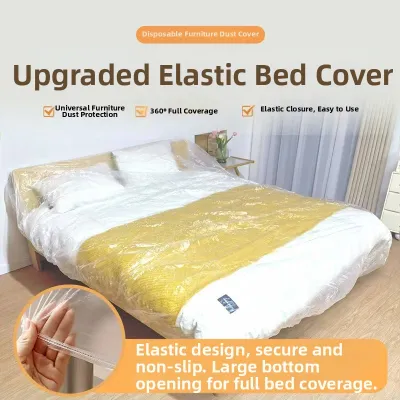
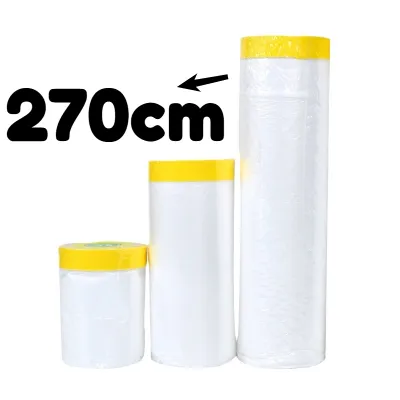
Prices are valid at publication and may change. Please refer to the product page for the latest price.
PE (Polyethylene) is a lightweight, highly flexible, and often thinner plastic material. It is frequently used for basic, cost-effective shelf protection where heavy-duty impact resistance is not required. PE liners are generally easy to cut and handle, but they can be more prone to stretching or tearing if subjected to sharp objects or heavy, sliding items. To ensure adequate durability, always verify the thickness measurements and tear-resistance ratings printed on the packaging before making a purchase.
EVA (Ethylene-Vinyl Acetate) is a copolymer material known for its rubber-like flexibility, softness, and cushioned structure. It often features a textured, ribbed, or dotted surface designed to provide excellent grip and prevent items from sliding around. EVA is highly resilient and recovers well from compression, making it an excellent choice for protecting delicate glassware or heavy ceramic dishes. When evaluating EVA liners, inspect the surface texture for physical grip and check the manufacturer’s stated weight limits to ensure the cushioning will hold up under your specific storage loads.
Matching Shelf Covers to Room Environments
To maximize the lifespan of both your shelves and your liners, you must align the material properties of the plastic cover with the environmental challenges of each specific room.

Before purchasing, take time to evaluate the moisture exposure, humidity levels, and cleaning frequency of the target space. In tropical climates or poorly ventilated areas, moisture can easily become trapped beneath a tightly sealed liner, creating an environment ripe for mold and mildew.
Cross-reference your room’s conditions with the manufacturer’s stated water-resistance and mold-resistance labels on the packaging. Do not assume all plastic covers perform identically in wet conditions; some are specifically engineered with breathable patterns or anti-microbial treatments to handle damp environments.
Additionally, consider the level of physical protection your shelves require. Match the thickness specifications of the liner with the weight and surface characteristics of the items you plan to store, ensuring that delicate wood veneers or glass surfaces are sufficiently shielded from scratches.
Kitchen and High-Moisture Utility Areas
Kitchen cabinets and pantry shelves are subject to frequent spills, oil splatters, and heavy foot traffic from pots, pans, and canned goods. For these high-use areas, prioritize shelf covers that feature explicit manufacturer labels for high water resistance and easy wipe-clean surfaces.
Because kitchens host hot appliances, it is crucial to check for heat-resistance warnings on the liner packaging. Placing a low-tolerance plastic liner directly beneath a toaster oven, slow cooker, or near a stovetop can cause the material to warp, melt, or release unwanted odors.
Furthermore, verify the edge finishing of the liner to ensure it lies completely flat against the shelf surface. A curling edge can allow liquid spills or fine food particles to seep underneath, leading to hidden stains and potential damage to the cabinet base.
Bathrooms and Wet Zones
Bathrooms and laundry areas present unique challenges due to high humidity, steam, and constant condensation. When selecting a plastic cover for these zones, look for anti-microbial or mold-resistant claims clearly printed on the product packaging.
Ensure the stated material properties include quick-drying capabilities or physical drainage designs. Liners with raised ribs, open weaves, or perforated patterns allow air to circulate underneath, which helps prevent moisture from pooling and lingering on the shelf surface.
Finally, confirm that the adhesive or non-slip backing mechanism of the liner is rated for humid environments by the manufacturer. Standard adhesives can quickly degrade and lose their grip when exposed to steam, resulting in a shifting liner and a sticky, difficult-to-clean residue on your shelves.
Living Rooms, Bedrooms, and Dry Storage
In dry, low-moisture areas like living rooms, bedrooms, and display cabinets, the primary focus shifts to aesthetic integration and surface protection. Focus on the surface texture and grip of the liner to prevent decorative items, books, or glass ornaments from sliding on smooth wood or glass shelves.
For enclosed spaces such as bedroom wardrobes, linen closets, or shoe cabinets, check for non-toxic or low-odor certifications. Because air circulation is limited in these areas, choosing a certified low-emission liner ensures that your clothes and linens do not absorb unpleasant chemical odors.
Evaluate the aesthetic options based on your furniture’s design and your personal transparency needs. Clear, highly transparent liners are ideal for preserving the natural look of premium wood grains, while frosted or patterned designs can help conceal existing scratches on older shelving units.
Critical Decision Factors and Comparison Matrix
When comparing plastic shelf covers, shifting your focus from generic material names to specific product specifications will help you make a more reliable decision.
Thickness and cushioning are critical factors that directly impact how well a liner protects your shelves from impact. Thickness is typically measured in millimeters (mm) or mils; a thicker liner (such as 1.5 mm or more) provides robust cushioning for heavy ceramic dishes, while a thinner liner (under 0.5 mm) is lightweight and suitable for protecting surfaces from light dust and minor scratches.
Grip and anti-slip properties depend heavily on the surface texture and backing material rather than the base plastic type alone. A non-adhesive liner with a textured, high-friction backing will often stay in place more reliably than a smooth adhesive liner whose glue has dried out or failed over time.
The choice between adhesive and non-adhesive liners requires careful consideration of manufacturer warnings. Adhesive liners offer a permanent, shift-free fit but can leave a stubborn residue or even lift delicate wood veneers, paint, or lacquer finishes when removed. Non-adhesive liners are easily removable, washable, and reusable, making them a safer choice for high-value or antique furniture.
| Material Type | Typical Structure | Key Specs to Verify on Label | Ideal Environment Checks |
|---|---|---|---|
| PVC | Smooth, dense, clear or patterned sheets | Thickness (mm), low-odor/VOC certification | Dry pantries, heavy-duty storage, display shelves |
| PE | Thin, lightweight, highly flexible rolls | Tear-resistance rating, thickness (mils/microns) | Light-duty closets, temporary shelving, dry storage |
| EVA | Cushioned, textured, rubber-like sheets | Weight limits, non-slip backing rating, thickness (mm) | Kitchen cabinets, bathrooms, glassware storage, high-humidity zones |
How to Verify Quality and Fit Before Installation
Taking precise measurements and performing quick pre-installation checks can save you time and prevent common fitting errors.
Begin by measuring your shelf depth and width accurately using a metal measuring tape. Be sure to account for any lip overhangs, shelf support pegs, or door hinges that might obstruct the liner, as even a minor measurement error can cause the plastic to buckle or slide.
Review the manufacturer’s cutting instructions and recommended tools before starting. While some thin PE liners can be cut easily with standard household scissors, thicker EVA or PVC liners may require heavy-duty utility shears or a utility knife paired with a metal straightedge to achieve clean, straight lines.
If you decide to use an adhesive liner, always perform a small patch test on an inconspicuous area of the shelf first. Apply a small piece of the liner, leave it in place for 24 to 48 hours, and then carefully peel it off to verify that the adhesive does not damage or lift the underlying paint, lacquer, or wood finish.
Frequently Asked Questions (FAQ)
How do I remove adhesive residue left by a plastic shelf cover?
Before applying any cleaning agents or solvents to your shelves, always consult the furniture manufacturer’s care guide to avoid damaging the finish. For a safe, reversible approach, start by wiping the area with a microfiber cloth dampened with warm water and a drop of mild dish soap. If the residue persists, you can try gently warming the adhesive with a hairdryer on a low setting to soften it, then carefully scraping it away with a plastic scraper or the edge of an old credit card. Stop immediately if you notice any softening, discoloration, or peeling of the shelf’s original finish.
Can I wash plastic shelf covers in a washing machine or dishwasher?
High heat and intense mechanical agitation can easily warp, shrink, or melt plastic shelf liners, rendering them unusable. Always defer to the specific product’s care label and washing instructions before attempting any machine cleaning. As a default safe method, hand-wiping the liners with a damp cloth and a mild, non-abrasive detergent is highly recommended to preserve their shape, texture, and non-slip backing.
Community discussion
Share your experience or ask a question. Comments are reviewed before publication.