
Protecting your furniture from spills, scratches, and daily wear is essential to preserving its beauty and longevity. A plastic sheet cover offers a highly practical shield, but choosing the wrong material can actually cause permanent damage to your furniture’s finish. The ideal cover depends entirely on your specific furniture surface, its location, and how you use it.
While a clear, heavy-duty cover might look perfect on a glass dining table, that same cover could trap moisture on a solid wood desk, leading to cloudy stains or mold. Understanding the distinct properties of polyvinyl chloride (PVC), polyethylene (PE), and flexible vinyl blends is the key to making an informed choice. By matching the right material to your specific tabletop, you can ensure long-lasting protection without compromising aesthetics.
Quick Guide: Matching Plastic Materials to Furniture Surfaces
To help you make an immediate decision, the table below maps the most common plastic sheet cover materials to their ideal furniture surfaces, highlighting their primary advantages and key limitations.
Products mentioned in this guide
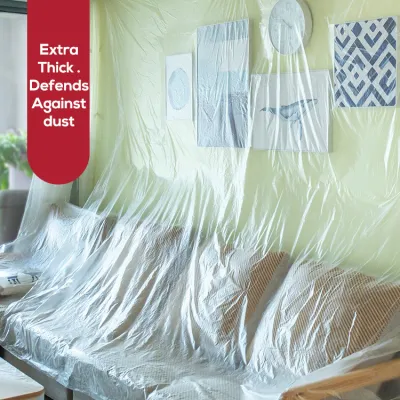
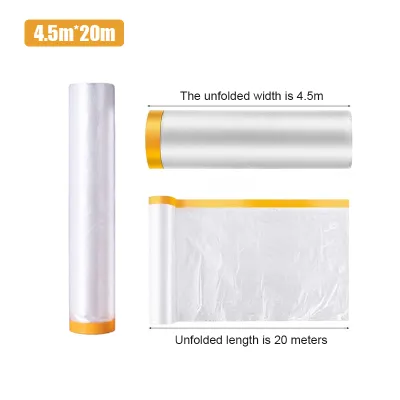
![[2-3 Days Delivery] 4.5m x 20m Plastic Dust Cover Protective Plastic Sheet Disposable Furniture Dustproof Cover Protective Cover Plastic Cover Plastic Film for Home Improvement CNY Gift Present](https://img.lazcdn.com/g/p/37fceab8fc43d4b3b58593d55aae9bcb.jpg_400x400q80.jpg_.webp)
![[SG SELLER]Plastic Dust Cover Dust Prevention Renovation Drop Sheet Protective Plastic Film Furniture Dustproof Cover Paintproof Waterproof Cover Sheet Rolls](https://img.lazcdn.com/g/p/d2c82f6cde5eed649a28d487364fc7d2.png_400x400q80.png_.webp)
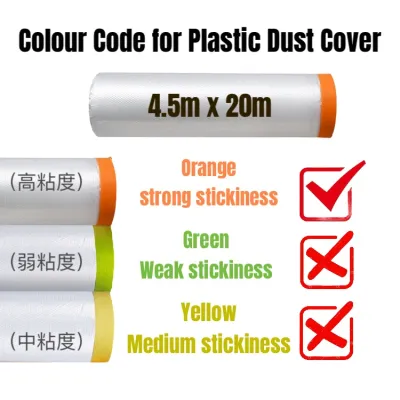
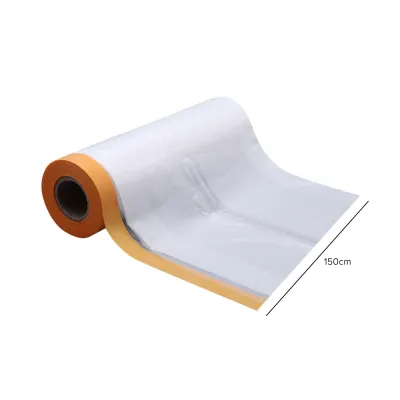
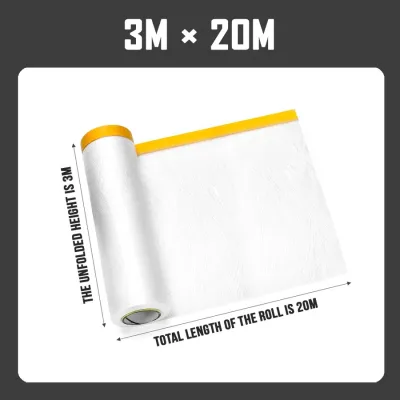
Prices are valid at publication and may change. Please refer to the product page for the latest price.
| Material | Best-Use Surfaces | Primary Advantage | Main Limitation |
|---|---|---|---|
| PVC (Polyvinyl Chloride) | Glass, Marble, Quartz, Metal | Exceptional crystal clarity, heavy weight that stays in place without adhesives | Can trap moisture on wood; prone to sticking and creating air bubbles on smooth surfaces |
| PE (Polyethylene) | Solid Wood, Veneer, Painted Desks | Lightweight, often frosted or textured to allow micro-ventilation, odorless | Lacks the glass-like clarity of PVC; generally thinner and more prone to sliding |
| Vinyl (Flexible Blends) | Daily Dining Tables, Outdoor Patio Tables | Highly flexible, drapes easily over table edges, budget-friendly | Often has a strong initial chemical odor; can curl at the edges over time |
Choosing the right option involves balancing aesthetic preferences with the physical needs of your furniture. For instance, while high-clarity PVC showcases the natural grain of marble, a textured PE cover is far safer for preserving the delicate finish of a solid teak dining table.
Comparing PVC, PE, and Vinyl: What the Labels Actually Mean
Navigating the product descriptions on ecommerce platforms can be confusing, as terms like “vinyl” and “PVC” are often used interchangeably. Understanding the actual characteristics of these materials will help you decode product labels and avoid low-quality purchases.

PVC (Polyvinyl Chloride)
PVC is the most popular material for heavy-duty table protectors due to its rigid structure, weight, and glass-like transparency. High-quality PVC sheets are typically 1.5mm to 3.0mm thick, allowing them to lay perfectly flat under their own weight without sliding. Because PVC is naturally stiff, manufacturers add plasticizers to make it flexible. When shopping for a PVC cover, especially for a dining table where food will be served, always check the product specifications for “phthalate-free,” “BPA-free,” or “food-grade” certifications to ensure it is safe for daily contact.
PE (Polyethylene)
PE is a lighter, more flexible polymer that is widely regarded as a more eco-friendly alternative to PVC. It is naturally free of phthalates and does not require heavy chemical plasticizers to remain flexible, making it virtually odorless right out of the box. However, PE does not possess the high transparency of PVC; it is typically translucent, frosted, or textured. This textured finish is actually a major functional benefit, as it prevents the cover from sticking to surfaces and allows air to circulate underneath.
Vinyl
In the consumer market, “vinyl” is a broad term that often refers to thin, flexible plastic covers, sometimes backed with a soft flannel or polyester layer. While chemically related to PVC, consumer vinyl covers are designed to drape over the edges of a table like a traditional fabric tablecloth, rather than laying flat as a rigid sheet. These covers are highly flexible and excellent for casual dining or outdoor use, but they lack the impact resistance of thick PVC sheets. When choosing vinyl, rely on the manufacturer’s specified thickness and weight rather than just the generic “vinyl” label.
Actionable Label Advice
When browsing options, look closely at the product description for terms like “odorless,” “high-temperature resistant,” and “non-slip.” A major red flag for low-quality plastic covers is a strong, persistent chemical odor upon unboxing. While a mild plastic smell is normal and should dissipate within 48 hours of airing out in a well-ventilated space, a harsh, pungent chemical odor indicates high levels of volatile organic compounds (VOCs) or low-grade recycled plastics that should not be used indoors.
Choosing the Right Cover for Specific Furniture Surfaces
Different furniture materials react uniquely to being sealed under plastic. Selecting a cover requires addressing the specific physical risks associated with wood, glass, and stone finishes.
Wooden Desks and Dining Tables
Solid wood and wood veneer are porous materials that naturally absorb and release moisture. In a humid tropical climate like Singapore’s, covering a wooden table with a completely smooth, non-breathable plastic sheet is highly risky. Ambient humidity can easily get trapped between the plastic and the wood finish. Over time, this trapped moisture causes a chemical reaction known as “blushing,” where the lacquer or varnish turns a cloudy, opaque white. In worst-case scenarios, it can lead to wood rot or mold growth.
To protect wooden surfaces safely, always select a plastic cover with a textured, frosted, or embossed underside. These tiny ridges create micro-ventilation paths that allow air to circulate and moisture to escape. Additionally, check your furniture manufacturer’s care instructions; many high-end wood furniture brands explicitly state that covering the surface with non-breathable plastic will void the warranty.
Glass Tables and Display Cabinets
Glass tables are chosen for their sleek, modern aesthetic and transparency. To preserve this look, you will want a high-transparency clear PVC cover. However, placing a perfectly smooth plastic sheet directly onto smooth glass creates an unsightly physical reaction: the plastic clings to the glass unevenly, trapping patches of air and creating a “water-mark” or sticking effect that looks like spilled liquid.
To prevent this, look for a PVC cover that is dual-textured: perfectly smooth on the top side to maintain a clean look, but slightly frosted or matte on the bottom side to prevent sticking. If you must use a double-sided smooth clear cover, ensure the glass is completely dry and clean. Apply the cover slowly from one end to the other, using a flat tool to smooth out air bubbles as you go. Furthermore, because glass tables have no natural borders, choose a cover with weighted or beveled edges to prevent the corners from curling upward over time.
Marble, Quartz, and Stone Countertops
Natural stone like marble is highly porous and susceptible to staining from acidic spills, such as coffee, tea, or citrus juices. Quartz and engineered stone are more resistant but can still suffer from surface etching. A thick plastic sheet cover provides an excellent barrier against these daily hazards.
However, it is crucial to remember that plastic sheet covers are not thermal shields. While they protect against liquid damage, they have limited heat resistance. Placing hot coffee mugs, teapots, or heated kitchen appliances directly onto a plastic cover can cause the plastic to melt, warp, or discolor permanently. Even worse, the intense heat can transfer through the plastic and cause thermal shock to the stone underneath, potentially cracking expensive quartz or marble countertops. Always verify the manufacturer’s heat resistance limits on the product packaging, and always use dedicated thermal trivets or coasters on top of the plastic cover.
Essential Specifications to Verify Before Purchase
To ensure your plastic cover performs well in daily use, look beyond the material name and verify these critical physical specifications before making a purchase.
- Thickness (mm or mils): For standard protective sheets that lay flat, a thickness of 1.5mm to 2.0mm is the industry standard for dining tables and writing desks. This thickness provides excellent impact protection against dropped keys, pens, and heavy mugs without feeling excessively bulky. Thicker sheets (3.0mm) offer maximum protection but are heavy, difficult to cut to custom sizes, and can have sharp, prominent edges.
- Edge Finishing: Standard square-cut edges on thick plastic sheets can be sharp and uncomfortable to rest your arms against. Look for covers that offer a "beveled edge" (usually a 65-degree angle) or a rounded edge. Beveled edges prevent your sleeves from catching on the cover and reduce the risk of the edges curling upward over time.
- Anti-Slip Properties: A cover that slides around every time you lean on the table is incredibly frustrating. If you are placing the cover on a highly polished surface, ensure the underside has non-slip properties or a textured grip. For very lightweight tables, you may need to use small, double-sided clear adhesive pads specifically designed for furniture protectors to keep the sheet securely in place.
- Odor and Off-gassing: High-quality plastic covers are formulated to minimize off-gassing. If you are sensitive to smells, prioritize products labeled as "odorless" or "low-VOC." When unboxing any new plastic cover, it is best practice to let it air out in a well-ventilated area, such as a service yard or balcony, for 24 to 48 hours before placing it on your indoor furniture.
Installation, Cleaning, and Maintenance Tips
Proper installation and regular maintenance are essential to ensure the plastic cover protects your furniture without causing secondary damage.
- Unrolling and Flattening: Plastic sheet covers are typically shipped rolled up to prevent creasing. To flatten a stubborn roll, lay it out on a clean, flat surface. If the edges curl upward, use a hairdryer on a low-heat setting from a distance of at least 15cm to gently warm and soften the plastic, then place heavy books on the corners for a few hours. Alternatively, lay the cover flat in direct sunlight for 30 minutes; the natural warmth will relax the plastic fibers safely.
- Cleaning Methods: For daily cleaning, simply wipe the cover with a soft microfiber cloth dampened with warm water and a few drops of mild dish soap. Never use harsh abrasive sponges, bleach, or solvent-based cleaners (such as alcohol, acetone, or window sprays). These chemicals can strip the protective finish off the plastic, leaving it permanently cloudy, sticky, or scratched.
- Periodic Maintenance: Do not leave a plastic cover on your furniture indefinitely without checking underneath. At least once every two to three weeks, lift the cover completely. This allows the furniture surface to breathe, lets you wipe away any microscopic dust or grit that has snuck under the edges, and ensures no condensation has formed. This quick check is the single best way to prevent long-term damage to wood and stone finishes.
Frequently Asked Questions (FAQ)
Can I leave a clear plastic cover on a wooden table permanently?
Leaving a non-breathable clear plastic cover on a wooden table permanently is not recommended. Wood is a natural material that needs to breathe; permanent coverage traps ambient humidity, which can degrade the wood’s protective lacquer, cause cloudy white stains, or encourage mold growth. To protect your wood table long-term, use a textured or frosted cover that allows micro-ventilation, and lift the cover periodically to let the wood air out. Alternatively, place a breathable fabric or felt tablecloth underneath the plastic sheet to act as a protective buffer.
How do I remove air bubbles from under a plastic table cover?
To remove air bubbles, first ensure that both the furniture surface and the plastic cover are completely clean and dry. Lift the cover from one side and slowly lower it back down. As you lower it, use a soft squeegee, a clean window scraper, or a credit card wrapped in a soft microfiber cloth to firmly push the air bubbles outward from the center of the table toward the outer edges. If you continue to experience persistent air bubbles on glass or high-gloss surfaces, consider switching to a cover with a frosted or textured underside, which naturally prevents air pockets from forming.
Are PVC table covers safe for dining tables where children eat?
PVC table covers are safe for dining tables, provided you verify that the product is certified as food-grade, BPA-free, and phthalate-free. Standard industrial PVC can contain chemical plasticizers that are not safe for direct food contact. When buying a cover for a family dining table, always check the manufacturer’s safety certifications. Even with a certified safe cover, it is best practice to avoid placing extremely hot food plates or open cups of hot liquids directly onto the plastic; always use placemats, coasters, or trivets to maintain a safe, clean dining environment.
Community discussion
Share your experience or ask a question. Comments are reviewed before publication.