
Finding the perfect sofa bed requires balancing daily seating comfort with overnight sleeping utility. Because this single piece of furniture must perform two entirely different roles, the mechanical design of how it transitions from a couch to a bed is the most important factor in your long-term satisfaction. The right mechanism ensures your room remains functional, your guests sleep soundly, and you do not strain your back during setup.
Quick Answer: Which Sofa Bed Mechanism Fits Your Needs?
Your choice of sofa bed mechanism should depend on your available floor space, how often you expect guests to sleep over, and your comfort expectations.
- Choose a pull-out mechanism if you prioritize sleeping comfort, need a dedicated mattress, and have ample forward floor clearance to extend the bed frame without blocking essential walkways.
- Choose a fold-down mechanism if you need a space-saving, budget-friendly option for occasional guest use, and prefer a quick, low-effort conversion without moving heavy frames.
- Choose a convertible or modular mechanism if you have a highly compact or irregular layout, need flexible seating arrangements, and cannot accommodate the full forward extension of a traditional pull-out bed.
- Verify first: Always measure your maximum forward clearance, check the physical weight of the moving parts, and assess how often you will actually convert the piece before making a final purchase.
Understanding Pull-Out, Fold-Down, and Convertible Mechanisms
To make an informed decision, you must first understand how these three primary mechanisms operate physically. Each design uses a distinct engineering approach to transform the frame, which directly impacts the sofa’s structural footprint and usability.
Products mentioned in this guide
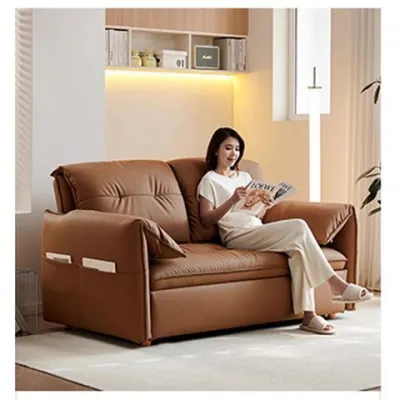
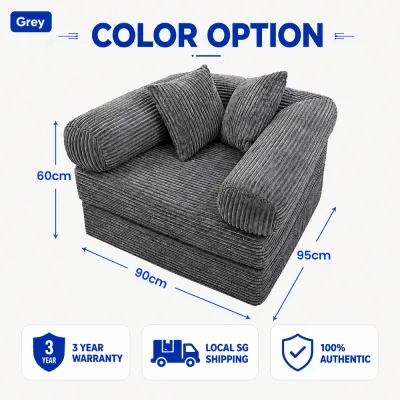
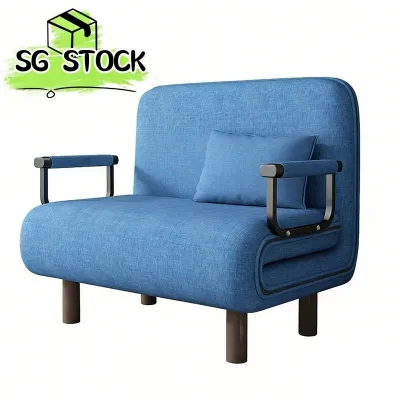
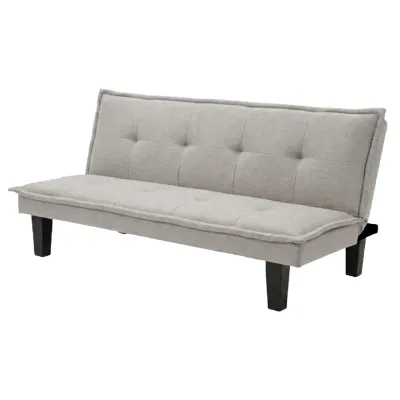
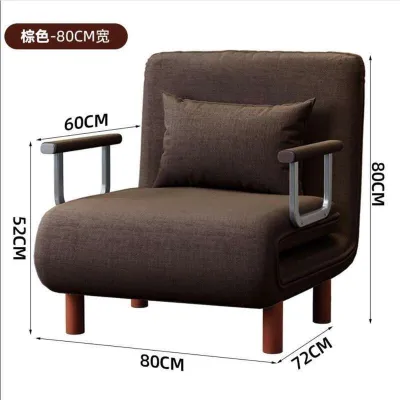
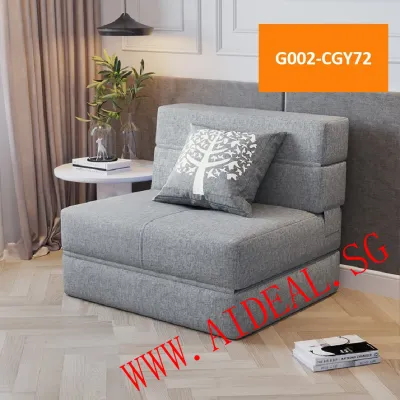
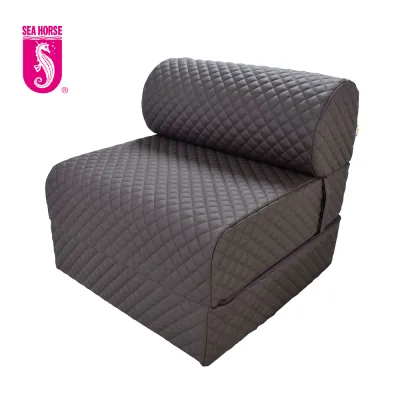
Prices are valid at publication and may change. Please refer to the product page for the latest price.

Pull-Out Sofa Beds
Pull-out sofa beds, also known as sleeper sofas, feature a sleeping surface that pulls out from the base of the couch. This design typically conceals a folded metal or wooden frame beneath the seat cushions. To deploy the bed, you remove the loose seat cushions, grasp a handle or strap, and pull the frame upward and outward. The frame then unfolds, extending legs onto the floor to support a dedicated mattress.
Because the bed extends straight out from the front of the sofa, this design requires significant forward clearance. The main advantage of a pull-out is that it houses a separate, dedicated mattress that is completely independent of the sofa’s seating cushions. This separation generally provides superior structural support and a more traditional bed feel, making it highly suitable for multi-night stays.
Fold-Down Sofa Beds
Fold-down sofa beds, commonly referred to as click-clack or futon-style sofas, operate by changing the angle of the backrest or folding the seating surface forward. In a classic click-clack design, you lift the seat frame until you hear a audible click, which releases the locking mechanism, allowing you to lay the backrest completely flat. Other fold-down variations involve folding the seat cushion forward directly onto the floor.
These designs require minimal forward clearance compared to pull-outs, making them highly efficient for narrow rooms. However, because the backrest drops backward, you must often position the sofa a few centimetres away from the wall, or slide the entire unit forward before converting it. A key characteristic of fold-down models is that the sofa’s seating cushions double as the sleeping surface, which means the firmness of your bed is directly tied to the firmness of your couch.
Convertible and Modular Sofa Beds
Convertible and modular sofa beds rely on flexible configurations rather than complex internal metal frames. These systems often consist of separate seating modules, an extending chaise lounge, or free-moving ottomans that you push together to form a continuous sleeping platform. For example, a modular corner sofa might convert into a double bed simply by sliding a matching ottoman into the open L-shaped gap and securing it with built-in connectors.
This category offers exceptional layout flexibility, allowing you to adapt the furniture to irregular room shapes or change the seating configuration depending on your social needs. Because they lack heavy internal metal mechanisms, modular convertibles are easier to move and transport. The primary trade-off is the presence of physical seams and gaps between the individual cushions, which can disrupt sleeping comfort if not covered properly.
Comparing Key Dimensions: Space, Comfort, and Effort
Choosing the right mechanism requires evaluating how each option performs across several practical dimensions. Let us break down how these designs compare in terms of space efficiency, ease of conversion, sleeping comfort, and long-term durability.
Space Efficiency
The physical footprint of your sofa bed in both modes determines whether it will fit comfortably in your home. Pull-out models require the most space when extended, typically demanding a clear forward path of 200 cm to 220 cm from the back wall. This makes them challenging for narrow rooms where a TV console or coffee table sits directly opposite the sofa.
Fold-down models are highly space-efficient in terms of forward extension, but they do require rear clearance. If you choose a click-clack mechanism, you must account for a 10 cm to 20 cm gap between the sofa back and the wall, unless you buy a specialized “zero-wall” model. Modular convertibles offer the most flexible footprint, as you can distribute the individual pieces around the room when they are not being used as a bed.
Ease of Conversion
The physical effort required to transform your sofa bed can determine how often you actually use it. Pull-out mechanisms are the heaviest to operate because you must lift a steel or wooden frame containing a mattress. While modern spring-assisted or gas-lift mechanisms make this easier, it still requires a moderate amount of physical strength and bending.
In contrast, fold-down click-clack models require very little effort. The hinge mechanism does most of the lifting, allowing you to convert the sofa in under ten seconds. Modular convertibles require low physical lifting but do demand some manual assembly, as you must physically slide, align, and lock the individual modules or ottomans into place.
Sleeping Comfort
Sleeping comfort is directly influenced by the support system beneath the sleeper. Pull-out sofa beds offer the closest experience to a traditional bed because they use a separate mattress supported by a canvas deck, wooden slats, or steel springs. This prevents you from feeling the joins or gaps common in other designs, though cheaper pull-out frames can sometimes have a supportive metal bar that can be felt through a thin mattress.
Fold-down and modular options use the sofa’s seat and back cushions as the mattress. While this eliminates the risk of feeling metal bars, it means the sleeping surface is only as comfortable as the sofa foam. If the sofa cushions are highly contoured for sitting, they may feel uneven when laid flat. Additionally, the seams between modular pieces can create pressure points during sleep.
Durability and Maintenance
Every moving part is a potential point of wear and tear. Pull-out mechanisms contain complex joints, rivets, and springs that can squeak, bend, or rust over time if subjected to excessive weight or high humidity. The wheels or tracks that guide the frame can also accumulate dust and debris, which can scratch delicate flooring.
Fold-down hinges are highly durable but can jam if forced or overloaded. Because the seating foam is used for both sitting and sleeping, it tends to compress more rapidly in high-use areas, leading to uneven sagging over time. Modular convertibles have the fewest mechanical parts to break, making them highly durable structurally, though the fabric upholstery on the sides of the modules will experience friction and wear as they are repeatedly pushed together.
Mechanism Comparison Matrix
| Mechanism Type | Space Clearance Needed | Conversion Effort | Sleep Comfort Level | Best Use Case |
|---|---|---|---|---|
| Pull-Out | Deep forward clearance (approx. 200–220 cm from wall) | Moderate to High (requires lifting and unfolding frame) | Medium to High (utilizes a dedicated mattress) | Frequent overnight guests or daily sleeping in studio apartments |
| Fold-Down | Minimal forward clearance; requires small rear wall gap | Low (simple click-clack hinge operation) | Low to Medium (uses firm seating cushions) | Occasional guest use, home offices, and tight budgets |
| Convertible / Modular | Flexible; requires room to rearrange individual modules | Low to Moderate (repositioning and locking pieces) | Medium (requires mattress topper for seamless feel) | Irregularly shaped rooms, multi-functional playrooms, or lounge spaces |
Matching the Mechanism to Your Room Layout
Your home’s architectural boundaries and furniture layout should dictate which sofa bed mechanism is viable. Placing a sofa bed in a room without checking clearances can result in blocked doorways, trapped furniture, or an unusable bed.
Compact Studios and Small Bedrooms
In highly compact rooms, every square centimetre counts. If your sofa bed is going into a small study or a box-room bedroom, a fold-down click-clack model or a single-sized convertible is often the most practical choice. Because these designs do not extend far into the room, you can keep other furniture pieces, like a writing desk or wardrobe, in close proximity without restricting movement.
If you must use a pull-out in a small room, look for compact single or “chair-bed” pull-outs. These provide a comfortable sleeping space for one guest while keeping the extended footprint narrow enough to preserve a clear walking path to the door.
Open-Plan Living Rooms and Condos
In larger, open-plan living areas, you have more freedom to accommodate a substantial pull-out sofa bed. When retracted, a three-seater pull-out serves as a premium, deep-seated focal point for family gatherings. When extended, it can occupy the central floor space comfortably, as open layouts typically offer the deep clearance required to walk around the foot of the bed.
For open-plan spaces, you can also consider large modular L-shaped convertibles. These allow you to position the chaise lounge section to define the living room boundary while maintaining the ability to quickly assemble a large sleeping platform for guests.
HDB Living Rooms and Multi-Use Spaces
In typical Singapore HDB layouts, living rooms are often long and narrow, with the sofa positioned directly opposite a wall-mounted TV console. In these spaces, extending a full-sized double pull-out bed can completely block the central walkway, preventing access to the kitchen, balcony sliding doors, or common corridor.
To maintain a safe and comfortable home environment, ensure that even when the sofa bed is fully extended, you maintain a minimum walkway clearance of 60 cm. If a pull-out blocks this path, a fold-down sofa bed placed parallel to the long wall is a much safer alternative, keeping the main traffic lane clear.
Measuring for Clearance
Before purchasing any sofa bed, follow these measurement steps to ensure a perfect fit:
- Measure the Static Footprint: Record the width, depth, and height of the sofa in its closed position to ensure it fits your intended wall space.
- Measure the Fully Extended Length: Measure from the back wall to the furthest point the bed reaches when fully deployed.
- Map the Walkway Space: Use masking tape on your floor to outline the extended bed. Verify that you can still open nearby wardrobe doors, room doors, and cabinets without interference.
- Check the Delivery Path: Measure the width and height of your front door, hallway corners, and elevator doors to ensure the delivery team can safely bring the sofa bed into your home.
Aligning the Mechanism with Your Daily Routine
Your lifestyle, household members, and how often you host guests should heavily influence the sofa bed mechanism you select. A mechanism that works perfectly for an occasional guest might prove frustrating if used on a daily basis.
Frequent Daily Use
If you live in a studio apartment and plan to sleep on the sofa bed every night, ease of conversion and spinal support are your top priorities. A heavy, difficult-to-pull mechanism will quickly become a daily chore, leading to physical fatigue. For daily use, invest in a premium pull-out mechanism equipped with a high-quality pocket-spring or high-density latex mattress.
Alternatively, look for high-end fold-down models designed specifically for daily sleeping, which feature thick, uniform foam layers without deep tufting or decorative buttons that can cause discomfort overnight.
Occasional Guest Use
If your sofa bed is primarily for occasional guests—such as visiting relatives during festive seasons or friends staying over after a weekend gathering—a simpler, more affordable fold-down click-clack model is highly practical. Because the bed is only deployed a few times a year, you do not need to invest heavily in a complex, premium pull-out frame.
To make a budget-friendly fold-down or modular sofa bed more comfortable for occasional guests, you can store a rollable mattress topper in your wardrobe. Laying a 5 cm foam topper over the flat cushions easily masks any firm spots or seams.
Households with Children or Pets
If you have young children or pets, safety and ease of cleaning are paramount. Fold-down click-clack mechanisms have exposed metal hinges that can pose pinch-point hazards for small fingers or curious paws during conversion. Pull-out frames also feature tracks and wheels near the floor that can trap dust, pet hair, and small toys, potentially jamming the mechanism.
For family homes, ensure the moving parts are well-shielded. Additionally, choose durable, scratch-resistant, and easy-to-clean performance fabrics. Synthetic microfibres or high-rub-count polyester blends handle pet claws and accidental spills much better than delicate natural weaves.
Single vs. Double Sleepers
Consider who will be sleeping on the bed. Pull-out mechanisms are ideal for couples because they provide a stable, level frame that handles weight distribution evenly. Standard double or queen-sized pull-outs ensure both sleepers have adequate space without rolling toward the center.
Fold-down models often feature a central seam where the backrest and seat meet. If two adults sleep on a fold-down, this central seam can cause one or both sleepers to roll inward, leading to a restless night. If you frequently host couples, a pull-out or a modular convertible that splits into two separate sleeping surfaces is generally the superior choice.
Final Decision Checklist Before You Buy
Before finalizing your purchase, use this checklist to ensure you have covered all critical operational and structural details:
- Confirm Space Clearances: Double-check that your room can accommodate the fully extended bed while leaving a clear 60 cm walkway.
- Verify Delivery and Access: Ensure the sofa bed's packaged dimensions can fit through your front door, corridors, and elevator. Sofa beds with integrated metal frames are heavy and bulky, making tight turns difficult.
- Test the Mechanism In-Store: Visit a showroom and convert the sofa bed yourself. Check if the frame slides smoothly, listen for squeaks or grinding noises, and assess if the physical weight of the frame is manageable for you.
- Examine the Mattress or Cushions: Lie down on the extended bed for at least five minutes. Feel for any hard support bars, frame edges, or uneven seams that could disrupt sleep.
- Check the Warranty: Verify the manufacturer's warranty terms. Ensure the coverage specifically includes the internal metal frame, hinges, and moving parts, as these components experience the highest mechanical stress over time.
Frequently Asked Questions (FAQ)
Do pull-out sofa beds require a special mattress?
Yes, pull-out sofa beds require a specific, highly flexible mattress designed to fold or roll inside the sofa frame when closed. These mattresses are typically thinner than standard bedroom mattresses, usually measuring between 10 cm and 12 cm in thickness.
Using a standard, thick pocket-spring mattress on a pull-out frame will prevent the mechanism from closing properly and can bend or damage the metal linkages. Always refer to the manufacturer’s exact specifications regarding maximum mattress thickness and dimensions if you need to purchase a replacement.
How do I maintain the hinges and moving parts of a fold-down sofa bed?
To maintain a fold-down sofa bed, perform periodic visual inspections of the click-clack hinges and folding tracks to clear out dust, lint, and pet hair. Wipe the metal components down with a dry or slightly damp microfibre cloth to prevent buildup.
Avoid using harsh chemical lubricants, WD-40, or heavy oils on the hinges, as these can attract more dust, degrade plastic bushings, and potentially stain the surrounding fabric upholstery. If the mechanism becomes stiff or starts squeaking, consult the manufacturer’s care guide or contact a professional technician rather than forcing the frame.
Can a convertible modular sofa bed support two adults comfortably?
Yes, many modular convertible sofa beds can support two adults comfortably, provided you check the manufacturer’s specified weight capacity, which typically ranges from 180 kg to 240 kg for double-sized configurations.
However, because modular designs rely on pushing separate cushions together, the resulting seams can create uneven pressure points. To ensure a comfortable night’s sleep for two adults, it is highly recommended to use a thick, high-quality mattress topper over the joined modules to create a uniform, seamless sleeping surface.
Community discussion
Share your experience or ask a question. Comments are reviewed before publication.