
Selecting a dual-purpose furniture piece requires balancing upfront costs with long-term comfort and durability. Because a convertible couch must serve as both supportive daytime seating and a comfortable night-time sleeping surface, the structural and material differences between premium and budget tiers are significant. In Singapore’s warm, humid climate, these differences affect not only how comfortable the piece is to sit or sleep on, but also how well the upholstery and frame hold up over years of use.
Evaluating a couch sofa bed involves looking closely at the materials, frame construction, and conversion mechanisms. While budget options offer an accessible entry point for occasional guest use, premium models are engineered to withstand the mechanical stress of daily conversion and provide the spinal support necessary for regular sleep. Understanding these distinctions allows you to choose a model that fits your space, budget, and comfort requirements.
Core Trade-Offs: Premium vs Budget Leather Sofa Beds
The primary distinction between premium and budget leather sofa beds lies in the quality of the upholstery and the underlying frame construction. Premium-tier models typically feature genuine top-grain or full-grain leather. This natural material is highly breathable, which is a distinct advantage in Singapore’s humid environment, as it resists the sticky feeling often associated with synthetic alternatives. To verify material claims, inspect the product label or specification sheet; genuine leather is often labeled as “top-grain,” “aniline,” or “semi-aniline,” whereas budget alternatives are marked as “polyurethane (PU),” “bonded leather,” or “leatherette.”
Products mentioned in this guide
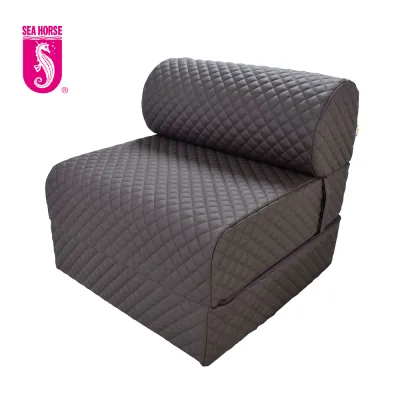
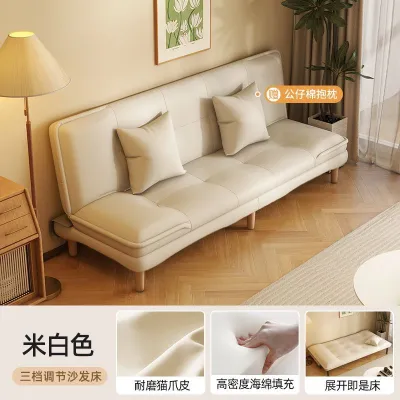
![[SG Seller] Fabric Sofa Bed 3 Seater Sofabed Fast Delivery From Singapore. Free Assembly. High Quality Sofas and Sofabeds. 1 Year Warranty. Fast Delivery from Singapore.](https://img.lazcdn.com/g/p/348901f321b96fa2ba1866c7a1619f40.jpg_400x400q80.jpg_.webp)
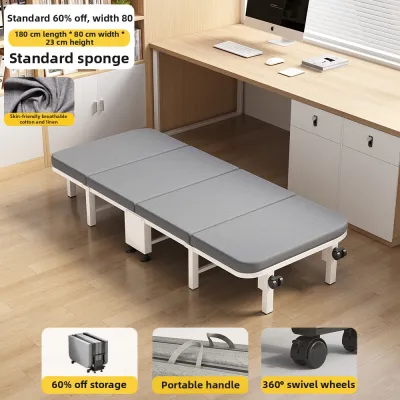
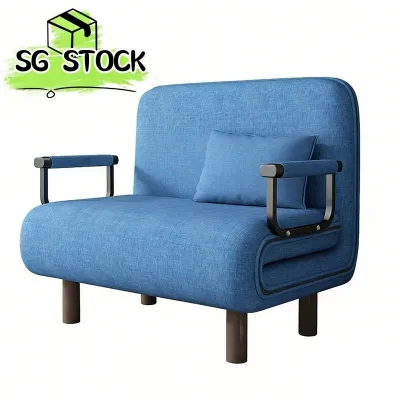
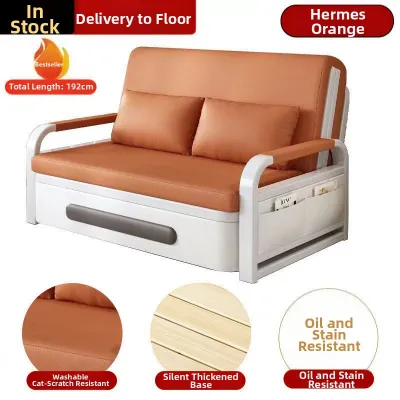
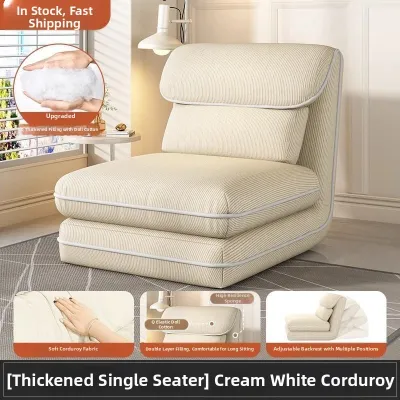
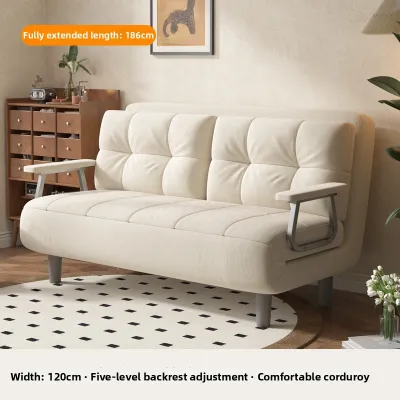
Prices are valid at publication and may change. Please refer to the product page for the latest price.
Synthetic leather options, common in budget-tier models, are highly resistant to immediate liquid spills and are easy to wipe clean. However, they lack the breathability of genuine leather and are prone to peeling, cracking, or flaking over time when exposed to body heat, sweat, and ambient humidity. Bonded leather, which consists of shredded leather scraps glued to a polyurethane backing, is particularly susceptible to delamination within a few years of regular use.
Below the surface, the structural frame determines the lifespan of the couch sofa bed. Premium models generally utilize kiln-dried hardwood frames (such as oak, birch, or beech) or reinforced steel chassis. Kiln-drying removes moisture from the wood, preventing warping and joint loosening in humid conditions. Budget models, conversely, often rely on engineered woods like medium-density fibreboard (MDF) or standard plywood held together with staples and basic adhesives, which can degrade under repeated mechanical stress.
Price brackets reflect these material differences. In Singapore, budget leatherette or fabric-mix sofa beds typically range from S$300 to S$900. These are suitable for light, occasional use. Premium genuine leather sofa beds generally start around S$1,800 and can exceed S$4,500, depending on the leather grade, frame complexity, and mattress integration. Structural warranties also vary, with budget models offering limited 1-year coverage, while premium brands often provide 5- to 10-year warranties on the frame and mechanism.
Critical Specifications to Compare Before Buying
When evaluating a couch sofa bed in a showroom or online, several physical specifications dictate its long-term performance and comfort. The mattress type is the most critical element for sleep quality. Budget models often use a single, continuous piece of low-density foam that serves as both the sofa seat cushion and the sleeping surface. Over time, this foam can compress permanently, leading to sagging. Premium pull-out designs often house a dedicated, independent mattress—such as a high-density polyurethane foam mattress or a pocket-spring mattress—measuring at least 10 to 13 centimetres in thickness to prevent sleepers from feeling the metal support bars underneath.

Additionally, the conversion mechanism requires careful inspection. Common designs include the classic click-clack system, three-fold pull-out mechanisms, and advanced European-style telescopic glides.
- Click-Clack Mechanisms: Typically found in budget models, these require you to lift the seat until it clicks, then lay the backrest flat. They have fewer moving parts but offer limited mattress thickness.
- Pull-Out Mechanisms: Often found in mid-to-premium models, these feature a metal frame that rolls out from under the seat cushions. They accommodate thicker, dedicated mattresses but require more physical effort to operate.
- Telescopic Glides: Premium space-saving designs use smooth, bearing-assisted tracks that slide forward effortlessly, minimizing friction and noise.
Weight capacity and structural stability are equally vital. Always check the manufacturer’s specified static and dynamic load limits. A high-quality double or queen-sized sofa bed should support a dynamic weight of at least 200 to 250 kilograms. Look for models with integrated, self-deploying support legs made of heavy-gauge steel that make direct contact with the floor when the bed is fully extended, preventing the frame from tipping or bowing.
Finally, examine the upholstery craftsmanship. Look for double-stitched seams and reinforced stitching at high-tension areas, such as the corners of the cushions and the fold lines of the mechanism. Loose threads, uneven stitching, or pulled seams are early indicators of poor construction that may fail under the stretching forces of conversion.
Space and Logistics Checks for Singapore Homes
Singapore’s residential layouts, whether HDB flats or private condominiums, require precise spatial planning before purchasing large furniture. A couch sofa bed has two distinct footprints: its closed sofa dimensions and its fully extended bed dimensions. You must measure your room to ensure that when the bed is fully open, there remains at least 60 to 70 centimetres of clearance on both sides and at the foot of the bed to allow for safe walkways and door clearances.
Logistical access is another critical hurdle. Many premium sofa beds feature heavy, solid-wood frames and integrated steel mechanisms that do not disassemble easily. Before ordering, measure the height, width, and diagonal clearance of your building’s passenger lift, as well as the width of your front door and any narrow corridor turns. If the delivery team cannot fit the fully assembled unit into the lift, you may face additional manual carrying fees or, worse, find that the item cannot be delivered to your unit.
Floor protection is also a necessary consideration. The heavy metal legs and folding mechanisms of pull-out sofa beds can scratch or dent delicate flooring materials, such as parquet, engineered wood, or vinyl tiles. When testing a model, check if the feet are capped with non-marking rubber or high-density felt pads. If they are bare metal, plan to place a low-pile area rug underneath the sofa bed to distribute the weight and protect your floor from scratches during conversion.
Lastly, verify the wall clearance requirements. Many budget click-clack designs require you to pull the entire sofa 15 to 30 centimetres away from the wall before you can lower the backrest. If you plan to place the sofa flush against a wall, look for “zero-wall” or “wall-hugger” mechanisms, which slide forward during conversion without requiring extra space behind the frame.
Decision Framework: Choosing the Right Tier for Your Needs
To determine which tier aligns with your household, evaluate your primary usage patterns, space constraints, and budget limits using the guidelines below.
Choose Premium If:
- The bed will be used frequently: If you host long-term guests or use the sofa bed as a primary sleeping surface, the spinal support of a high-density foam or pocket-spring mattress is necessary.
- You want a long-term investment: If you plan to keep the furniture piece for five years or more, the durability of kiln-dried hardwood and genuine top-grain leather justifies the higher upfront cost.
- You prioritize breathability: Genuine leather performs better in Singapore's humid climate, resisting the sticky feel of synthetic alternatives.
Choose Budget If:
- Usage is strictly occasional: If the bed is only used a few nights a year by short-term guests, a simpler click-clack foam model is highly cost-effective.
- Your living situation is temporary: If you are renting or plan to move within one to two years, a lighter, less expensive synthetic model is easier to transport and replace.
- You have strict budget limits: When upfront affordability is the primary driver, a budget model allows you to allocate funds to other home furnishing priorities.
Verify First If:
- The product listing lacks detail: If a retailer cannot provide the exact foam density, frame material, or warranty terms, treat the item as a budget-tier product regardless of its price tag.
- The mechanism feels stiff or noisy: When testing in a showroom, any grinding, squeaking, or excessive resistance indicates poor alignment or low-grade hardware that may fail prematurely.
Neither May Fit If:
- Your room cannot accommodate the extended footprint: If extending the bed blocks main exit routes, fire paths, or bedroom doors, consider alternative space-saving options, such as a folding daybed or a dedicated trundle bed.
Frequently Asked Questions (FAQ)
How do I maintain leather upholstery in a humid climate?
To preserve genuine leather in Singapore’s humid climate, dust the surface weekly with a dry, soft microfiber cloth to prevent dust from trapping moisture. Apply a manufacturer-approved leather conditioner once every six months to keep the leather supple and prevent it from drying out or cracking due to air-conditioning drafts. Keep the sofa bed in a well-ventilated area away from direct sunlight, which can fade and dry out the hide. If a spill occurs, blot it immediately with a clean, dry cloth; do not rub, as this can push moisture deeper into the porous leather fibers.
Can I replace the mattress inside a sofa bed?
Replacing the mattress is generally only possible on pull-out models that feature an independent, folding mattress frame. Before purchasing a replacement mattress, you must measure the exact length, width, and maximum allowable thickness specified by the frame manufacturer. A mattress that is even two centimetres too thick can prevent the mechanism from folding completely, putting excessive strain on the hinges and potentially damaging the frame. Additionally, ensure the replacement mattress does not exceed the weight limit of the folding mechanism, as an overly heavy mattress can make conversion difficult and unsafe.
Community discussion
Share your experience or ask a question. Comments are reviewed before publication.