
The Short Answer: Which Back Relief Solution Should You Choose?
When searching for the right back massager, finding a solution that fits your physical needs and your home environment is a highly personal decision. The choice between a portable back massager and a full massage chair depends primarily on your available living space, your budget, and how frequently you require muscle relief. There is no single winner in this comparison, as each device serves a distinct lifestyle and set of physical requirements.
A portable unit is highly recommended if you rent your home, travel frequently, or need targeted relief on a budget. These compact devices allow you to address specific muscle knots at your office desk or while relaxing on the sofa without dedicating permanent floor space to a large appliance. They represent a low-risk entry point into home massage therapy.
Conversely, a full massage chair is best suited for homeowners with dedicated space, a larger budget, and a desire for daily, full-body relaxation. These chairs offer an immersive experience that covers you from neck to calves, making them an excellent long-term investment in your daily wellness routine. Evaluating your personal space and daily habits will guide you to the option that best integrates into your life.
Products mentioned in this guide
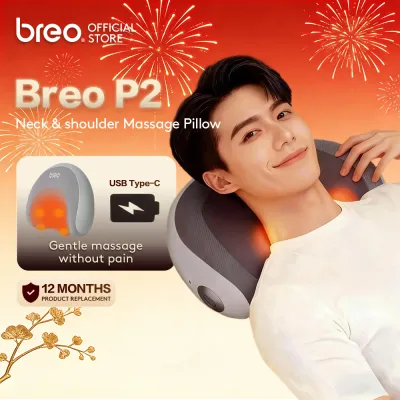
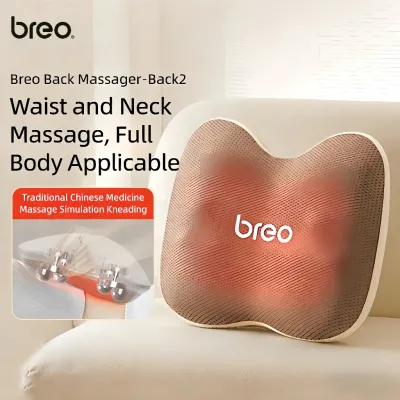
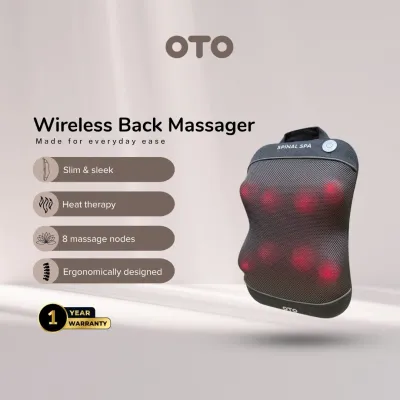
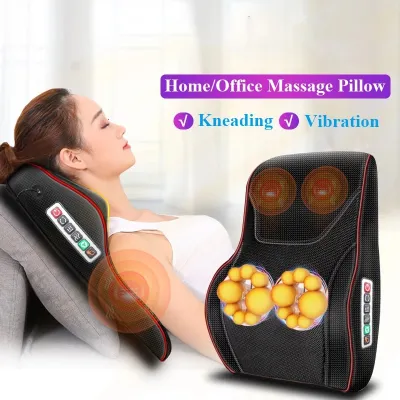
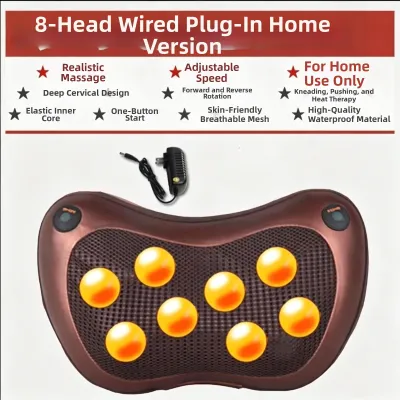
![[SG Seller] Electric Neck Shoulder Back Massager Pillow – Deep Tissue Kneading Heat Therapy Pain Relief Ready Stock](https://img.lazcdn.com/g/ff/kf/Sad3b870dab464f398212a687130ff7e8C.jpg_400x400q80.jpg_.webp)
Prices are valid at publication and may change. Please refer to the product page for the latest price.
Space, Budget, and Lifestyle: The Core Differences
Spatial Footprint
Integrating wellness equipment into your home requires a realistic assessment of your floor plan. In compact living environments, such as typical HDB flats or condominiums in Singapore, floor space is at a premium. A full massage chair requires a permanent, substantial footprint, often demanding extra clearance behind the backrest to allow for a full recline. A portable device, on the other hand, can be easily tucked away in a wardrobe, drawer, or under a bed when not in use, leaving your living area completely unobstructed.

Financial Investment
The upfront cost of these two options represents entirely different financial commitments. Portable massagers are highly accessible, with quality models typically ranging from double-digit to low triple-digit prices in Singapore Dollars (SGD). This makes them an easy, low-risk purchase if you want to test whether mechanical massage helps your muscle tension. A full massage chair is a major household appliance investment, often costing thousands of dollars, which requires careful financial planning and a clear commitment to long-term use.
Lifestyle Integration
How you plan to use the device throughout the day should dictate your choice. Portable units offer exceptional flexibility, allowing you to transition from working at your desk to sitting on the sofa, or even taking the device with you on business trips and holidays. A full massage chair, however, is a stationary fixture that requires you to step away from your active routine. It establishes a dedicated relaxation zone in your home, encouraging a structured, distraction-free wellness habit.
Portable Back Massagers: Best for Targeted, On-the-Go Relief
Pros and Ideal User Profile
Portable back massagers excel at delivering highly localized muscle relief exactly where you need it. Because of their compact size, you can position the massage nodes directly against specific trouble spots, such as the lower lumbar region or the upper shoulders. This targeted approach is highly effective for breaking up localized tension and stubborn muscle knots that accumulate after long hours of sitting.
These devices are ideal for office workers who spend long hours at a desk, frequent travelers who experience stiffness from flights, and students living in shared accommodations. They are also highly practical for renters who move frequently and want to avoid transporting heavy, bulky furniture. The variety of formats available—including shiatsu massage pillows, wrap-around straps with handles, and handheld percussion guns—allows you to select a shape that matches your preferred style of relief.
Limitations and What to Verify Before Buying
While convenient, portable massagers have clear physical limitations that you must consider before purchasing. They cannot provide a full-body experience, meaning you can only treat one muscle group at a time. Many portable models also rely on rechargeable batteries that require frequent charging, or they must remain plugged into a wall outlet, which can limit where you sit during use.
Before finalizing your purchase, use this practical verification checklist:
- Strap compatibility: Ensure the attachment straps are long and adjustable enough to fit securely around your specific office chair, dining chair, or car seat.
- Power source and runtime: Verify the battery runtime on cordless models to ensure it covers your typical usage session, or check the cord length on plug-in models.
- Node alignment: Check the physical dimensions of the massage nodes to ensure they align comfortably with your body frame and do not press uncomfortably against your spine.
- Return policy: Because massage intensity and node placement are highly subjective, choose a retailer that offers a clear return or exchange policy if the physical sensation does not suit you.
Full Massage Chairs: Best for Comprehensive, Daily Relaxation
Pros and Ideal User Profile
Full massage chairs offer an immersive, multi-sensory experience that portable devices simply cannot replicate. By utilizing a combination of mechanical rollers, airbag compression systems, and automated body-scanning technology, these chairs deliver a synchronized massage from your neck down to your feet. The automated scanning system maps your spinal curvature to adjust the rollers, ensuring the pressure is customized to your body shape.
This option is ideal for individuals dealing with widespread muscle tension, chronic stiffness, or those who view daily relaxation as a vital component of their mental and physical health. Homeowners who have dedicated space in a study, master bedroom, or living room will benefit most from this permanent wellness sanctuary. Advanced features like zero-gravity positioning, which reclines the chair to distribute your body weight evenly, help reduce pressure on your spine for a deeper state of relaxation.
Space Planning and Installation Checks
Purchasing a full massage chair requires rigorous physical planning before the delivery truck arrives. It is not enough to simply measure the designated corner in your living room; you must carefully map out the delivery route. Measure the exact width and height of your front door, hallway corners, lift doors, and any stairwells to guarantee the delivery team can safely transport the chair into your home without damaging your walls or the appliance.
When evaluating your space, pay close attention to the manufacturer’s recline clearance specifications. Many modern chairs feature “wall-hugger” technology that slides the chair forward as it reclines, but some models still require significant clearance behind the backrest. Additionally, verify the weight of the chair against your flooring type, particularly if you are placing it on older timber floors or elevated platforms, and ensure there is a dedicated, grounded power outlet within reach of the power cord without relying on hazardous extension leads.
Feature Comparison: What to Expect from Each Option
To help you visualize the functional differences between these two solutions, the table below outlines how they compare across key operational dimensions.
| Feature | Portable Back Massager | Full Massage Chair |
|---|---|---|
| Massage Coverage | Targeted and localized (one area at a time) | Comprehensive (neck, back, glutes, calves, and feet) |
| Techniques Available | Basic kneading, tapping, or vibration | Advanced (airbag compression, zero-gravity, stretching, body scanning) |
| Space Required | Minimal (easily fits in a drawer, shelf, or cabinet) | Significant (requires dedicated floor space and recline clearance) |
| Setup and Mobility | Plug-and-play, lightweight, and travel-friendly | Heavy, stationary, and requires professional delivery/assembly |
| Maintenance | Simple wiping of fabric or synthetic covers | Regular cleaning of upholstery, track inspection, and leather care |
While both options often include heat therapy, the implementation differs greatly. A portable back massager typically offers localized warmth through the rotating nodes to relax surface muscles in a single area. A full massage chair utilizes expansive heating pads along the backrest, seat, and footrest, delivering deep, systemic warmth that enhances overall circulation and prepares the entire body for deeper muscle therapy.
Maintenance also scales with the complexity of the device. A portable unit requires very little upkeep beyond occasionally wiping down the outer cover. A full massage chair, with its intricate internal tracks and expansive synthetic or genuine leather upholstery, requires routine surface cleaning to prevent sweat and dust accumulation from degrading the material over time.
Your Decision Framework: How to Choose the Right Back Massager or Massage Chair
To make your final decision, evaluate your current living situation and wellness goals against this straightforward framework:
- Choose a Portable Back Massager if:
- You live in a rental property or move homes frequently.
- Your living space is limited, with no room for large, permanent furniture.
- You have a strict budget and want a low-risk way to relieve localized muscle knots.
- You want the flexibility to use your massager at the office, on the sofa, or while traveling.
- Choose a Full Massage Chair if:
- You own your home and have a dedicated room or a spacious living area.
- You suffer from widespread, full-body muscle tension and desire a daily wellness routine.
- You have the budget to invest in a premium, long-term home appliance.
- You want a hands-free, fully automated relaxation experience that targets multiple muscle groups simultaneously.
- Neither option may fit if:
- You are seeking a medical cure for severe spinal injuries, herniated discs, or acute back trauma. Mechanical massage devices are designed strictly for relaxation and temporary muscle relief, not as a replacement for professional medical treatment.
Before purchasing any mechanical massage device, it is critical to establish a clear safety boundary. If you have pre-existing medical conditions, chronic spinal issues, osteoporosis, or are pregnant, consult your doctor or physical therapist first. A medical professional can advise you on whether mechanical compression and deep-tissue kneading are safe for your specific health profile.
Frequently Asked Questions (FAQ)
Can I use a massage chair if I have a spinal condition or chronic back pain?
While massage chairs and portable back massagers are excellent tools for relieving everyday muscle tightness and promoting relaxation, they are not medical devices. If you suffer from a diagnosed spinal condition, such as a herniated disc, sciatica, or severe osteoporosis, you should consult your doctor or physical therapist before using any mechanical massager. The intense pressure from rollers, deep kneading motions, and spinal stretching programs can put unnecessary stress on compromised spinal structures, potentially worsening your condition rather than relieving it.
How do I maintain and clean a portable back massager or massage chair?
To keep your device in safe working order, always unplug it from the wall outlet before performing any maintenance. For both portable massagers and full chairs, use a slightly damp, lint-free microfiber cloth to gently wipe down the synthetic leather or fabric surfaces, removing dust and skin oils. Avoid using harsh chemical solvents, bleach, or alcohol-based cleaners, as these can dry out and crack synthetic upholstery, especially in humid climates like Singapore’s. Regularly inspect the power cables for any signs of wear, fraying, or pet damage, and never attempt to disassemble the internal mechanical tracks or motor housing yourself.
Community discussion
Share your experience or ask a question. Comments are reviewed before publication.