
Selecting the right massage chair or massager sofa for your home is a significant investment that goes far beyond choosing a brand name or an appealing aesthetic. While marketing campaigns often highlight proprietary technology and luxury branding, the actual performance and longevity of these machines depend on verifiable mechanical specifications and structural materials. A massager sofa that delivers an excellent deep-tissue massage for one user might feel uncomfortably intense for another, while a compact model designed for light relaxation may fail to address chronic muscle tension. To make an informed decision, you must look past promotional buzzwords and evaluate the core engineering of each model. By focusing on roller dimensionality, track configurations, upholstery durability, and spatial requirements, you can identify a machine that matches your physical needs and fits seamlessly into your living space.
Understanding Core Massage Techniques and Track Designs
The internal mechanism of a massage chair determines the type of physical relief it can provide. At the heart of this technology are the rollers, which are classified by their range of motion. Traditional 2D roller mechanisms move along two axes: up and down, and left and right. These systems are highly effective for surface-level relaxation and consistent, rolling pressure across the back, but they cannot adjust their depth to target deeper muscle layers. If you require a more intense, therapeutic massage, you should look for 3D or 4D mechanisms. A 3D system adds depth control, allowing the rollers to protrude forward into your muscles to mimic the pressure of a massage therapist’s hands. So-called 4D systems build upon this by dynamically varying the speed of the rollers during a single stroke, creating a more natural, rhythmic sensation that prevents your muscles from adapting to a repetitive motion.
Equally important is the track design, which dictates the path these rollers travel. An S-track follows the natural curvature of your spine, focusing primarily on the neck, shoulders, and lower back. While highly comfortable, it stops at the lumbar region. An L-track extends further down, wrapping around the glutes and hamstrings, though it sometimes loses some of the spinal curvature support in the lower back. The hybrid SL-track combines the best of both designs, maintaining the ergonomic spinal curve of the S-track while extending the massage path down to the thighs. When comparing models, verify the track length on the manufacturer’s specification sheet to ensure it matches your height and coverage expectations.
Products mentioned in this guide
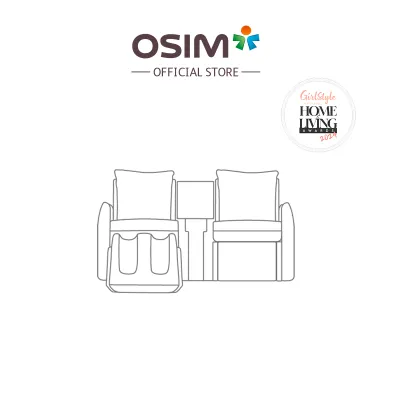

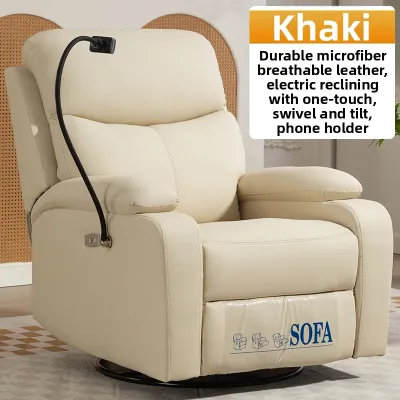
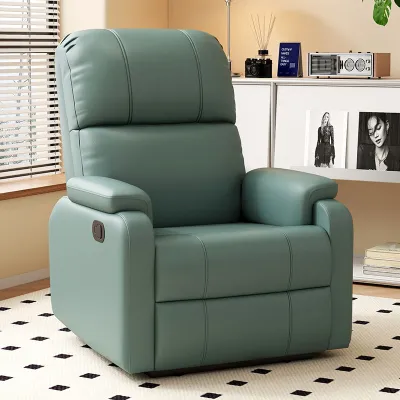
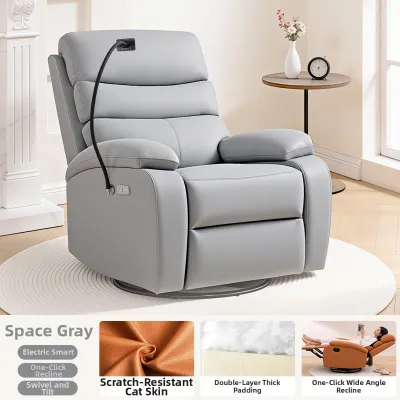
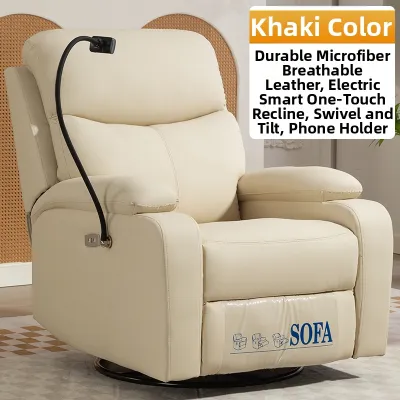
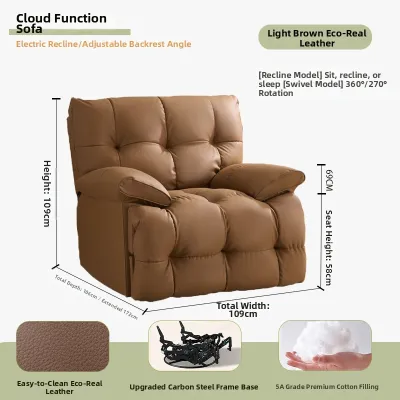
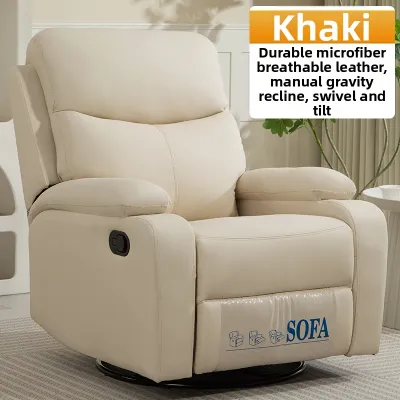
Prices are valid at publication and may change. Please refer to the product page for the latest price.
Beyond the rollers, air compression massage plays a vital role in full-body relaxation and circulation. Airbags located in the shoulders, arms, calves, and feet inflate and deflate to squeeze the limbs, promoting blood flow and stretching the muscles. Rather than simply counting the number of airbags—which can be misleading if a manufacturer uses many small, weak bags—you should check the distribution and the number of independent air pumps. Look for models that offer multi-level compression intensity adjustments so you can customize the pressure. Additionally, verify the placement of heating elements; carbon fiber heating pads in the lumbar region or calves can significantly enhance muscle pliability and comfort during the massage.
Finally, a high-quality massager sofa must accommodate different body shapes and sizes. Before purchasing, verify whether the chair features automatic body scanning technology, which uses sensors to map your spine and adjust the starting position of the rollers. You should also check if the roller width and speed can be adjusted manually. This flexibility ensures that multiple household members can use the same machine comfortably without the rollers pressing directly onto shoulder blades or spinal bones.
Evaluating Build Quality and Long-Term Durability
A massage chair is a complex electro-mechanical appliance subjected to continuous physical stress, making build quality a primary consideration for long-term durability. The foundation of any durable massager sofa is its internal frame. High-end models typically utilize a reinforced steel frame, which provides the necessary rigidity to support heavy mechanical loads without flexing or warping over time. In contrast, budget-friendly or highly compact models may use composite materials or lightweight plastics in their structural frames. To verify this, consult the product manual or technical specification sheet for the net weight of the chair and its maximum weight capacity. A heavier chair often indicates a more robust steel frame, which contributes to overall stability and prevents the unit from shifting or creaking during operation.

Upholstery is another critical component that directly impacts both comfort and lifespan. Because massage rollers exert significant friction and pressure against the inner lining, the fabric must be exceptionally durable. Most modern massage chairs use high-grade synthetic leathers, such as polyurethane (PU) or polyvinyl chloride (PVC), which are engineered to withstand the constant stretching and heat generated by the internal mechanisms. When evaluating upholstery, look for commercial-grade PU leather that features high abrasion resistance ratings. Inspect the stitching along high-stress areas, such as the seams around the shoulders and footrest; double-stitched seams are far less likely to fray or split under pressure. Additionally, check if the manufacturer provides guidelines for cleaning and sweat resistance, as body oils and perspiration can degrade lower-quality synthetic materials over time.
The refinement of the internal motors and gear assemblies can often be judged by observing the machine in operation. During a test session, pay close attention to the mechanical noise levels and the smoothness of the transitions. A high-quality motor operates with a low, consistent hum, whereas lower-grade motors may produce high-pitched whines, grinding noises, or jerky movements when changing directions or reclining. Smooth, fluid transitions between massage programs indicate precise gear alignment and robust motor calibration, which translates to less wear and tear on the internal components over years of use.
Lastly, the structure of the manufacturer’s warranty offers valuable insight into their confidence in the product’s durability. Do not rely solely on a headline “five-year warranty” claim. Instead, read the fine print to distinguish between comprehensive coverage and limited parts replacement. A robust warranty should cover both parts and on-site labor for the first few years, ensuring that a technician will visit your home to perform repairs. Be cautious of warranties that only cover the internal frame while excluding the expensive electronic components, motors, or upholstery.
Space Planning, Clearance, and Installation Checks
Integrating a massage chair into your home requires careful spatial planning, particularly in compact living environments like apartments or HDB flats in Singapore. The physical footprint of the chair in its upright position is only the starting point. You must measure the maximum dimensions of the chair when it is fully reclined, as well as the space required for the leg extension to protrude forward. Many modern chairs feature a “zero-wall clearance” or “space-saving” design, which slides the chair forward on its base as it reclines, requiring only a few centimeters of clearance from the wall behind it. If a model lacks this feature, it may require up to 50 centimeters of clearance, significantly reducing your usable floor space.
Logistical access is another common bottleneck that can lead to delivery failures. Before finalizing a purchase, measure the exact width of all doorways, hallways, elevator entrances, and stairwell turning radii along the delivery path. Massage chairs are often shipped in large, heavy boxes that cannot be easily tilted or disassembled. Compare these pathway measurements against the manufacturer’s packaged dimensions. If your apartment building has a small elevator or narrow corridors, you may need to select a model that can be partially disassembled for delivery or choose a more compact massager sofa design.
Electrical safety and infrastructure must also be verified. Massage chairs are high-draw appliances that contain multiple motors, heating elements, and air pumps. Ensure that the designated installation spot has access to a properly grounded electrical outlet. It is highly recommended to avoid using extension cords or multi-way adapters, as these can introduce electrical resistance and pose a fire hazard. Check the manufacturer’s specifications for the rated power consumption and ensure your home’s electrical circuit can accommodate the load alongside other appliances in the same room.
Finally, consider the physical impact of the chair on your flooring. A fully featured massage chair can weigh anywhere from 80 to 150 kilograms, and this weight is concentrated on small contact points or rollers on the base. Over time, this concentrated load can cause permanent indentations or scratches on soft flooring materials like vinyl, parquet, or engineered wood. To protect your floors, plan to place a dense, non-slip protective mat beneath the chair’s footprint to distribute the weight evenly and dampen any operational vibrations.
Decision Framework: Matching Features to Your Needs
To narrow down your choices, you should apply a structured decision framework that balances your physical wellness goals with your home’s practical constraints. If your primary objective is targeted muscle relief, chronic pain management, or athletic recovery, you should prioritize brands that specialize in advanced robotics, extended SL-tracks, and deep-tissue 3D or 4D mechanics. These models are designed to deliver precise, high-intensity pressure to specific muscle groups. However, they also require a larger physical footprint, a higher budget, and a dedicated space in your home where the aesthetic of a large, technical appliance does not clash with your decor.
Conversely, if your goal is general relaxation, stress relief, and light comfort after a long day, a compact massager sofa may be the more appropriate choice. These models are designed to blend seamlessly with standard living room furniture, often doubling as a stylish armchair when the massage functions are turned off. They typically rely on gentle air compression, rolling tracks, and mild heating rather than intense, deep-tissue mechanical rollers. This makes them ideal for shared living spaces, users with a lower tolerance for intense pressure, and homes where floor space is at a premium.
However, you must accept that neither option may be suitable if your home does not meet the physical prerequisites. If your available clearance is less than the manufacturer’s stated minimum, or if your delivery pathway cannot safely accommodate the boxed dimensions of the chair, attempting to force the installation can result in property damage or a voided warranty. In such cases, exploring smaller, portable massage cushions or foot massagers is a safer and more practical alternative.
Most importantly, physical safety must take precedence over comfort. If you have underlying health conditions—such as spinal disorders, herniated discs, osteoporosis, cardiovascular conditions, pacemakers, or joint inflammation—you must verify with a healthcare professional before using any high-intensity or zero-gravity massage chair. The intense mechanical pressure and rapid recline angles can exacerbate certain medical conditions, making professional medical clearance an essential first step in your buying journey.
Frequently Asked Questions (FAQ)
How do I test a massage chair's build quality in a showroom?
When visiting a showroom, begin by applying firm lateral pressure to the armrests and footrests to check for any wobbling or structural instability. Sit in the chair while it is powered off to assess the uniform density of the padding; you should not feel the hard internal frame or roller tracks pressing directly into your body. Next, run your fingers along the high-stress seams to inspect the stitching quality, looking for loose threads or uneven tension. Finally, turn the chair on and run a full cycle, listening closely for any grinding, clicking, or squeaking sounds as the mechanism transitions between different massage programs and recline angles.
What routine maintenance is required to extend the lifespan of a massager sofa?
To preserve the synthetic leather upholstery, wipe it down regularly with a soft, dry microfiber cloth to remove dust and body oils. Avoid using harsh chemical solvents, alcohol-based cleaners, or abrasive detergents, as these can dry out and crack the PU or PVC material; instead, use a specialized synthetic leather cleaner if necessary. Keep the chair positioned away from direct sunlight and high-humidity areas to prevent the upholstery from peeling or fading. Additionally, periodically vacuum the crevices and mechanical tracks to keep them free of dust, lint, and pet hair, which can clog the motors and accelerate mechanical wear.

Community discussion
Share your experience or ask a question. Comments are reviewed before publication.