
Choosing the right storage solution for a compact Singapore home requires a careful balance of spatial design, functionality, and structural awareness. In a typical Housing & Development Board (HDB) flat, where bedroom square footage is highly optimized, the debate between a pole system wardrobe and a traditional wardrobe often comes down to how you prefer to utilize your limited floor area.
A pole system wardrobe generally excels at maximizing usable floor space and creating visual openness. Because these systems lack bulky side panels and solid backboards, they maintain a minimal physical footprint and allow light to flow freely through the room. This open-concept design prevents small bedrooms from feeling cramped or boxed in.
Conversely, traditional wardrobes—whether freestanding cabinets or custom built-in carpentry—offer superior enclosed storage and robust dust protection. This makes them highly suitable for homeowners who prefer to keep their clothing completely concealed or have delicate garments that require a sealed environment. Ultimately, the ideal choice depends on your room’s exact dimensions, ceiling structure, and whether you own or rent your flat.
Products mentioned in this guide
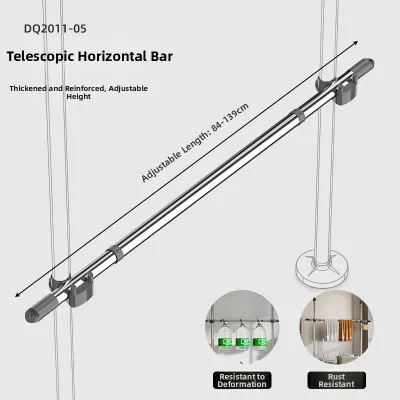
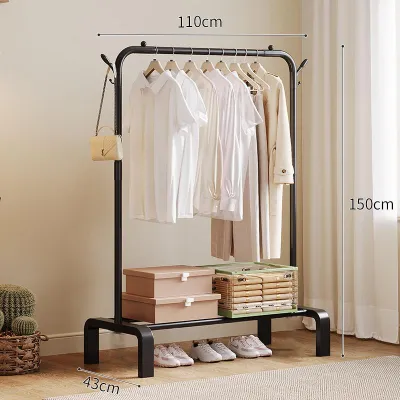
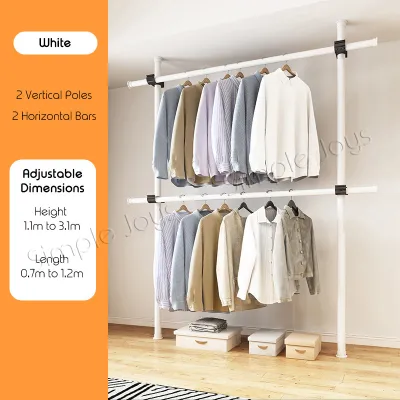
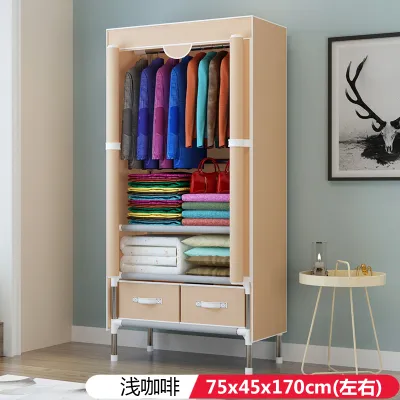
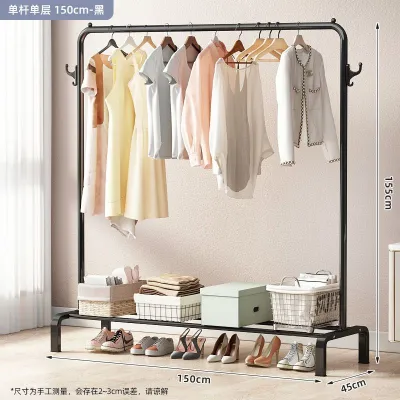
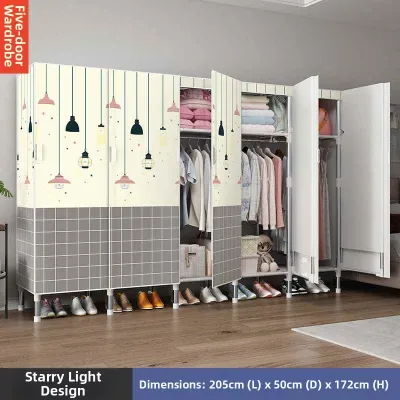
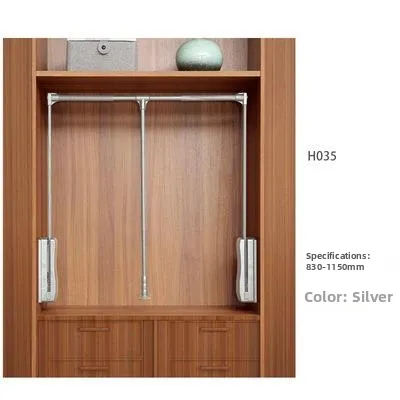
Prices are valid at publication and may change. Please refer to the product page for the latest price.
Structural Differences: Pole Systems vs Traditional Wardrobes
To understand how each option impacts a room, it is essential to look at how they are constructed and installed. A pole system wardrobe is a modular storage solution consisting of vertical metal or wooden poles that support open shelving, hanging rods, and drawers. These systems rely on vertical tension between the floor and ceiling, or they are anchored directly to the wall for stability. The modular nature allows you to adjust the height and placement of individual components as your storage needs evolve.
In contrast, traditional wardrobes rely on a solid, self-supporting box structure. Freestanding models are pre-fabricated wooden or laminate cabinets that sit directly on the floor, while custom built-in wardrobes are permanently fixed to the walls and ceiling by carpenters. These structures use thick side panels, back panels, and heavy doors to enclose the storage space, which naturally occupies more physical volume.
The structural differences directly influence the visual weight of the furniture. An open pole system has a lightweight, airy appearance that blends into the background of a room. A traditional wardrobe, with its solid panels and defined boundaries, acts as a major architectural feature that physically and visually partitions the space.
Space Efficiency Comparison: Footprint, Vertical Storage, and Visual Weight
When every square centimeter matters, the physical dimensions of your wardrobe play a critical role in room layout. Traditional wardrobes typically require a standard depth of 60 centimeters to accommodate hanging clothes, plus additional clearance space for swinging doors. Even sliding door models, which save front clearance, require extra depth for the door tracks. A pole system can often be customized with a slimmer profile or left entirely open, saving valuable walking space between the bed and the storage area.

Vertical utilization is another area where these systems diverge. Standard freestanding wardrobes often leave an awkward, dust-gathering gap between the top of the cabinet and the ceiling. While custom built-in carpentry can seal this gap, it requires a significant financial investment. Pole systems naturally utilize the entire vertical height of the room, allowing you to place shelves right up to the ceiling line for storing less frequently used items like luggage or seasonal bedding.
From a visual perspective, the absence of solid partitions in a pole system reduces visual clutter. Seeing the wall behind your clothing creates an illusion of depth, making a small HDB bedroom feel larger than it is. However, this open design requires disciplined organization, as messy piles of clothes will be fully visible.
Traditional wardrobes counter this by offering high storage density and complete concealment. If you prefer a clean, minimalist room aesthetic without worrying about perfectly folded clothes, the solid doors of a traditional wardrobe hide visual clutter instantly. They also provide better compartmentalization, making it easier to organize smaller accessories out of sight.
HDB Constraints: Ceiling Heights, Wall Drilling, and Layout Flexibility
Before purchasing any wardrobe system, you must evaluate the physical constraints of your HDB flat. Tension-mounted pole systems require perfectly parallel, solid surfaces to remain secure. If your bedroom floor or ceiling has significant unevenness—which can occur in older flats—the tension poles may not align correctly, risking instability. You must measure the ceiling height at multiple points along the intended installation wall to ensure a uniform fit.
Wall drilling regulations are another crucial factor. If you opt for a wall-anchored pole system or a heavy built-in wardrobe, you must verify the structural classification of your bedroom walls. Drilling into structural concrete shear walls requires appropriate tools and must comply with HDB renovation guidelines, whereas non-structural partition walls or drywall may require specialized anchors to support the weight of a fully loaded wardrobe.
Your tenancy status should also guide your decision. For tenants renting an HDB flat, tension-mounted pole systems offer a highly reversible, damage-free storage solution that can be dismantled and transported to a new home. Homeowners, on the other hand, may prefer the permanent, value-adding nature of custom built-in traditional wardrobes, which are designed to fit the room’s exact alcoves seamlessly.
Finally, consider the layout clearance and access points in your bedroom. You must ensure that the wardrobe does not block natural light from windows, obstruct air-conditioning airflow, or interfere with the swing paths of bedroom and bathroom doors. A modular pole system offers the flexibility to build around obstacles, whereas a traditional wardrobe requires a completely clear, rectangular footprint.
Cost, Maintenance, and Long-Term Value
Evaluating the financial and practical aspects of both systems over time will help you make a sustainable choice. Modular pole kits generally require a lower initial investment and are widely available from online furniture marketplaces and local home improvement retailers. Custom built-in carpentry involves professional design, labor, and material costs, making it a more premium option. Homeowners should request detailed, itemized quotes from local carpenters to compare materials and installation fees before committing.
Material care is highly dependent on Singapore’s humid tropical climate. When installing a pole system, check that the metal components have received proper anti-rust surface treatments to prevent corrosion from ambient moisture. For traditional wooden or laminate wardrobes, inspect the quality of the edge banding, hinges, and joint stability. Poorly sealed wood composites can absorb moisture over time, leading to warping or mold growth inside enclosed compartments.
In terms of long-term value, pole systems offer unmatched reconfiguration flexibility. If your lifestyle changes—such as transitioning a guest room into a nursery—you can easily add, remove, or lower shelves and hanging rods without major expenses. Altering a traditional built-in wardrobe is a complex, dusty process that often requires complete demolition and disposal, resulting in higher long-term renovation waste.
Final Verdict: How to Choose the Right Wardrobe for Your Room
To make the right decision for your HDB bedroom, assess your specific living situation against these key indicators.
Choose a Pole System if:
- You are renting your flat and need a portable, non-permanent storage solution.
- Your bedroom is exceptionally narrow, and you need to maximize walking clearance.
- You prefer an open-concept, modern aesthetic and are committed to keeping your clothes organized.
- You want the freedom to adjust your storage layout as your needs change over time.
Choose a Traditional Wardrobe if:
- You own your home and want a seamless, permanent built-in look that matches your interior design.
- You require maximum protection against dust and humidity for delicate fabrics.
- You prefer to hide visual clutter behind solid, closed doors.
- Your bedroom walls are structurally suitable for supporting heavy, anchored furniture.
Verify First if:
- Your bedroom ceiling features exposed structural beams or false ceiling installations.
- Your floor surface is uneven or sloped.
- You are uncertain about the drilling limitations on your specific bedroom walls.
Frequently Asked Questions (FAQ)
How do I protect clothes from dust in an open pole wardrobe?
To protect your garments in an open pole system, use breathable fabric garment bags for formal wear, suits, and delicate dresses. You can also integrate modular storage boxes, fabric drawers, or zip-up dust covers onto the shelves to shield folded items. Maintaining regular room ventilation and using a standalone dehumidifier will also help manage ambient dust and moisture levels in Singapore’s humid climate.
Can I install a tension-mounted pole system on a false ceiling?
No, tension-mounted pole systems must never be installed against a false ceiling. These systems require significant upward pressure to remain stable, which can easily crack, warp, or collapse suspended plasterboard or drywall ceilings. Always ensure the top of the tension pole presses directly against a solid concrete slab. If you have a false ceiling, opt for a wall-anchored pole system instead, ensuring the brackets are secured into solid wall structures.
Community discussion
Share your experience or ask a question. Comments are reviewed before publication.