
Selecting the right plywood thickness for a bunk bed base is a critical decision that directly impacts the safety and structural integrity of the bed. While a thickness of 12mm to 18mm is commonly used, there is no single universal measurement that fits every setup. The correct choice depends on the bed frame’s design, the spacing of the supporting slats, and the weight it must carry.
A sturdy base prevents the mattress from sagging, which is essential for both comfort and spinal support. By understanding how different factors influence the strength of the plywood, you can make an informed decision that ensures a safe sleeping environment for your child.
How to Determine the Right Plywood Thickness for Your Bunk Bed
The primary factor in choosing plywood thickness is the existing support system of the bunk bed frame. If the bed relies on a metal or wooden frame with wide open spaces and no middle support, you will need a thicker plywood sheet, typically around 18mm. This thickness provides the necessary rigidity to span the gap without bending under weight.
Products mentioned in this guide
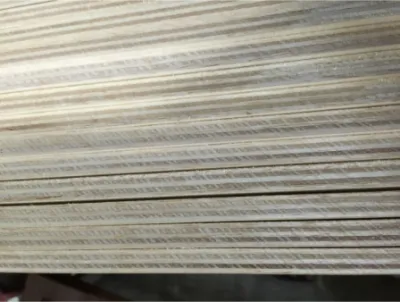
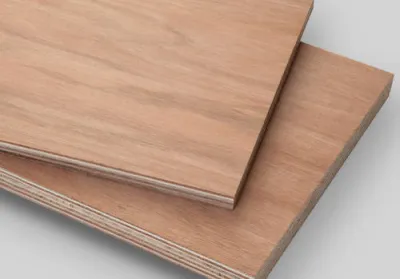
![[SG Seller] Twentyone Single / Super Single Size Bed Pine Wood Plywood Board 12 mm thickness.Free delivery](https://img.lazcdn.com/g/p/c918a6fb2c373dc92807e11deb66fd5d.jpg_400x400q80.jpg_.webp)
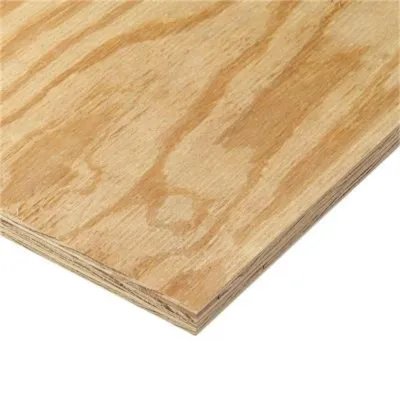

Prices are valid at publication and may change. Please refer to the product page for the latest price.
Conversely, if the bunk bed already features a robust system of closely spaced wooden slats, a thinner plywood board of 12mm or 15mm may be perfectly adequate. In this scenario, the plywood acts primarily as a flat platform to distribute weight evenly across the slats, rather than bearing the entire load across a wide, unsupported span.
Before purchasing or cutting any material, always consult the bunk bed manufacturer’s manual. Many manufacturers specify the maximum allowable thickness and weight limits for base modifications. Altering the base with excessively heavy or thick boards can sometimes exceed the frame’s structural limits or void the product warranty.
Additionally, check for any local safety certifications or standards associated with the bunk bed. Modifying a certified children’s bed requires careful consideration to ensure that the height of the mattress guardrails remains compliant. A plywood sheet that is too thick might raise the mattress height, reducing the effective height of the safety rails and creating a fall hazard.
Key Specifications That Influence Base Sturdiness
To evaluate how much thickness your bunk bed base actually requires, you must look closely at the physical and material variables of the wood.

Support Structure The distance between the side rails and the presence of any center support beams are the most critical structural variables. When slats are spaced far apart—such as gaps wider than 75mm—the plywood must bridge these gaps without flexing. A thicker board prevents the mattress from dipping into the spaces, which can damage the mattress and compromise support.
Plywood Grade and Type Not all plywood is manufactured to the same standard. For load-bearing applications like a bed base, structural-grade plywood is highly recommended over standard interior utility plywood. Structural plywood is manufactured with stronger adhesives and fewer interior core voids. Core voids are hidden empty pockets within the layers of the wood that can collapse under concentrated pressure, leading to sudden cracking or sagging.
Surface Finish The finish of the plywood sheet affects both safety and mattress longevity. Raw, unsanded utility plywood often has rough surfaces and sharp edges that can snag mattress fabrics or cause painful splinters during sheet changes. Opting for a pre-sanded grade, or taking the time to thoroughly sand and seal the edges with a non-toxic finish, creates a smooth surface that protects both the bedding and your hands.
How to Calculate Load Capacity for Safe Sleep
Ensuring the plywood base can handle the daily demands of a bunk bed requires a realistic calculation of the total load it must support.
Total Weight Calculation To determine the load capacity, start by adding the weight of the mattress to the current weight of the child. However, children grow quickly, and their movement is rarely static. You must include a generous safety margin to account for dynamic forces, such as a child jumping onto the bed, sitting down heavily, or hosting a friend for a playdate. A safe rule of thumb is to calculate a capacity that is at least double the static weight of the mattress and the child combined.
Load Distribution A solid sheet of plywood excels at distributing weight across the entire perimeter of the bed frame, which reduces stress on individual points. However, you must still account for point loads. A point load occurs when a child stands on one foot or kneels on a specific spot on the bed. The plywood must be thick enough to resist localized bending under these concentrated forces without cracking.
Deflection Limits Deflection refers to how much the plywood bends under weight. While a tiny amount of flex is normal, visible bowing is a clear sign of structural weakness. You can perform a simple visual check by placing the mattress and a simulated load on the bed and looking underneath. If the board sags noticeably in the middle, it requires immediate reinforcement, either through a thicker plywood sheet or additional support slats.
Installation and Ongoing Safety Checks
Proper installation and regular maintenance are just as important as choosing the right thickness of wood.
Securing the Base Simply resting a sheet of plywood on top of the bed frame is not enough. The board must be securely fastened to prevent it from shifting, sliding, or squeaking when the child moves. Use appropriate wood screws or brackets to secure the plywood to the existing slats or side rails. Ensure that screw heads are countersunk below the surface of the wood so they do not tear the mattress.
Ventilation Requirements Solid plywood bases can restrict airflow, trapping body heat and moisture underneath the mattress. Over time, this lack of ventilation can lead to mold and mildew growth, which poses health risks and ruins the mattress. To prevent this, drill a series of evenly spaced ventilation holes across the plywood sheet. Holes with a diameter of 25mm to 50mm, spaced roughly 150mm apart, provide sufficient airflow without compromising the structural strength of the board.
Routine Inspections Bunk beds experience constant movement and vibration. Establish a routine to inspect the bed base every few months. Look for signs of wear such as edge splintering, loose fasteners, or any new bowing in the center of the plywood. Tighten any loose screws immediately and replace the plywood if you notice any deep cracks or permanent sagging.
Frequently Asked Questions (FAQ)
Can I use MDF or particleboard instead of plywood for a bunk bed base?
MDF (medium-density fiberboard) and particleboard are generally unsuitable for load-bearing bunk bed bases. Unlike plywood, which features cross-laminated wood veneers that provide exceptional bending strength, MDF and particleboard are made from compressed wood fibers and resin. They are highly susceptible to sagging under continuous weight, have poor moisture resistance, and do not hold screws as securely, making them a less safe choice for an elevated bed.
Do I need to add a center support beam if my plywood is thick enough?
Yes, adding a center support beam is highly recommended regardless of the plywood’s thickness. Over long spans, even thick plywood can experience gradual, permanent deflection due to gravity and continuous load. A center support beam transfers the weight directly to the bed’s main posts, ensuring the frame remains stable and preventing the side rails from twisting or bowing outward over time.
Community discussion
Share your experience or ask a question. Comments are reviewed before publication.