
Quick Answer: Is the Playseat Trophy the Right Choice?
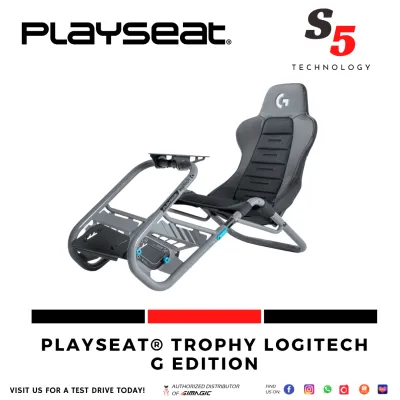
Deciding whether the Playseat Trophy is the right racing simulator seat for your setup depends on your space constraints, your choice of force-feedback hardware, and your long-term upgrade plans. The Playseat Trophy excels as a lightweight, highly rigid, and visually clean cockpit that bridges the gap between flimsy folding wheel stands and massive, industrial-looking aluminum profile rigs. Its frameless seat design and high-strength steel-and-aluminum hybrid frame provide excellent stability for direct-drive wheel bases without taking up an entire room.
However, if your goal is to build a highly modular simulator with multiple add-ons like dedicated handbrakes, sequential shifters, button boxes, or full-motion actuators, a traditional aluminum extrusion profile rig may offer better long-term value. For those living in compact spaces where a permanent rig is impossible, a fully foldable entry-level seat remains the practical choice. Ultimately, the best value is determined by how well the cockpit integrates with your existing peripherals, your home layout, and your budget.
Core Comparison Criteria for Sim Racing Rigs
To determine which simulator seat offers the best return on investment, you must evaluate several technical and practical performance areas. Comparing rigs requires looking beyond aesthetics to understand how structural engineering, ergonomic flexibility, and hardware integration affect your daily racing experience.
Products mentioned in this guide
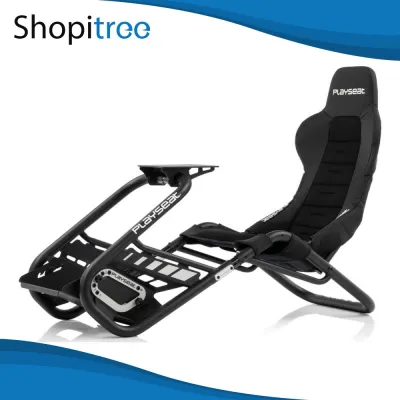
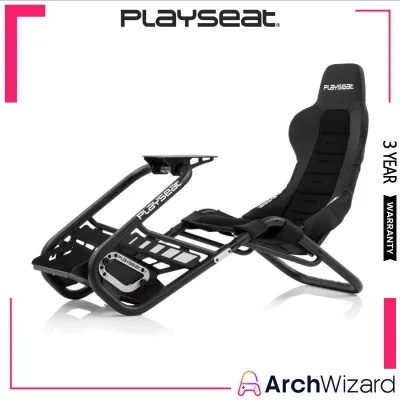
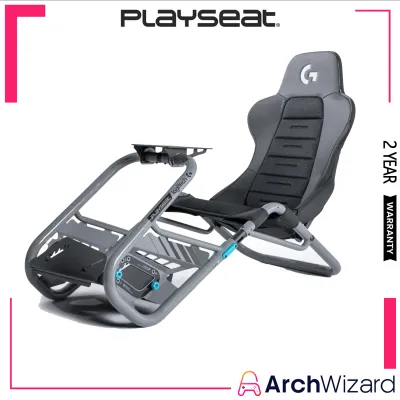
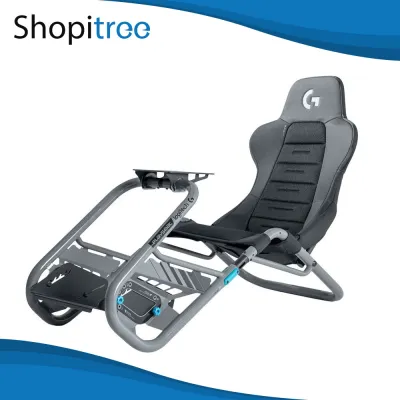
Prices are valid at publication and may change. Please refer to the product page for the latest price.

Chassis Material and Structural Rigidity
The primary job of any racing simulator cockpit is to remain completely stationary under intense physical forces. When you use a high-torque direct-drive wheel base, the motor transfers rapid rotational forces directly through the wheel deck. Similarly, high-end load cell pedals require significant leg force to achieve maximum braking pressure. If the chassis flexes, you lose valuable force-feedback detail and braking consistency, which directly impacts your lap times and immersion.
Traditional high-end simulator rigs rely on heavy aluminum extrusion profiles, often referred to as 8020 rigs. These profiles use modular T-slot channels that allow you to bolt heavy steel plates together, creating an incredibly rigid structure that can handle extreme torque without a millimeter of flex. The trade-off is that these rigs are exceptionally heavy, difficult to assemble, and have an industrial, utilitarian appearance that may not suit every home environment.
In contrast, the Playseat Trophy utilizes a proprietary tubular steel and aluminum frame design. This approach achieves high structural rigidity by using curved, high-tensile tubes that distribute forces evenly across the chassis. While it lacks the infinite modularity of aluminum extrusion profiles, it offers a much lighter physical weight and a more streamlined aesthetic. When comparing brands, always check the manufacturer’s specifications for maximum load capacity, the thickness of the pedal and wheel plates, and the structural warranty terms to ensure the frame can handle your specific hardware.
Adjustability and Ergonomic Design
A simulator rig must accommodate your unique body proportions to prevent physical fatigue and strain during extended racing sessions. Proper ergonomics require precise alignment between your shoulders, the steering wheel, and the pedals. If a seat forces you into an unnatural posture, you risk developing lower back pain or joint discomfort over time.
The Playseat Trophy addresses ergonomics through a unique frameless seat design that suspends the driver in a high-strength, breathable fabric sleeve. This design naturally conforms to your body shape, distributing pressure points evenly. However, adjusting the driving position on the Trophy typically requires loosening specific bolts along the frame sleeves to slide the tubes to the desired length. While this creates a very secure, flex-free connection once locked, it is less convenient if multiple people of different heights share the same rig.
Other simulator brands often use traditional automotive-style sliding seat rails and multi-angle bracket mounts. These systems allow for rapid, tool-less adjustments of the seat distance and recline angle, making them ideal for multi-user households. When evaluating different rigs, pay close attention to the adjustability of the pedal plate angle and the wheel deck height. Ensure that the locking mechanisms are robust enough to prevent slipping under heavy braking or aggressive steering inputs.
Hardware Compatibility and Future Upgrades
Before purchasing any simulator seat, you must verify that your current and future peripherals can be securely mounted to the chassis. Most modern cockpits feature pre-drilled wheel decks and pedal plates designed to match the mounting patterns of major hardware manufacturers. However, compatibility is not always universal, especially when dealing with high-end direct-drive bases or hydraulic pedal sets.
The Playseat Trophy features a versatile wheel deck and pedal plate that supports a wide range of mainstream hardware out of the box. However, because of its unique tubular frame, adding secondary accessories like a gear shifter, a handbrake, or a keyboard tray usually requires purchasing proprietary, brand-specific mounting brackets. If you plan to expand your setup over time, these additional costs can accumulate quickly and limit your choice of third-party accessories.
Standard aluminum extrusion rigs offer unparalleled compatibility because their T-slot channels allow you to mount almost any bracket, shifter, or accessory anywhere on the frame. You can easily source generic brackets or fabricate your own mounting solutions. If your long-term roadmap includes advanced upgrades like active seat belt tensioners, wind simulators, or full-motion platforms, a modular profile rig is almost always the more practical foundation. Always cross-reference the rig’s detailed technical specifications and hole patterns with your specific hardware before finalizing your purchase.
Space Footprint and Placement in Singapore Homes
In Singapore, where residential space in HDB flats and condominiums is highly optimized, the physical footprint of a simulator rig is a critical buying factor. A permanent, heavy-duty cockpit requires a dedicated area that cannot easily be repurposed. You must carefully measure your available floor space and consider how the rig will affect the flow of the room.
The Playseat Trophy offers a relatively compact footprint compared to traditional aluminum profile rigs. Because of its lightweight tubular construction, it is also much easier to lift and slide against a wall when not in use. However, it does not fold flat. If you require a rig that can be completely tucked away in a closet or under a bed after every session, a foldable steel-frame seat is a more suitable, albeit less rigid, alternative.
When planning your layout, remember to account for clearance around the rig. You need enough space to comfortably climb in and out of the bucket seat without hitting nearby furniture or walls. Consider the swing of nearby doors, the routing of power and USB cables to prevent tripping hazards, and the placement of your display. A practical checklist for measuring your space should include:
- Total length and width: Measure the outer dimensions of the rig with the seat fully reclined and the pedals extended to your driving position.
- Doorway and lift access: Ensure the fully assembled rig, or its largest sub-assemblies, can fit through your home's doorways and lift doors if you ever need to move it.
- Floor protection: Plan for a high-density rubber or foam floor mat to protect your vinyl, laminate, or tiled flooring from scratches and to dampen low-frequency vibrations from force-feedback motors.
Calculating Total Cost and Long-Term Value
The true cost of owning a sim racing rig extends far beyond the initial retail price of the seat and frame. To determine the actual value, you must calculate the cost of all necessary add-ons and accessories required to complete your ideal setup.
Many entry-level and mid-range cockpits are sold as bare frames, meaning you must purchase separate mounts for your gear shifter, handbrake, or monitors. For instance, if you choose a tubular rig like the Playseat Trophy, you will need to factor in the cost of proprietary brackets if you want to use a manual shifter. In contrast, some aluminum profile packages include these mounts as standard accessories, which can make them more cost-effective overall despite a higher initial price tag.
Modularity also plays a significant role in long-term value. An aluminum extrusion rig is highly reusable; if a component breaks or your needs change, you can simply replace or add individual aluminum bars and brackets. These rigs also tend to retain a high resale value on local online marketplaces because of their universal appeal and durability. Proprietary tubular designs, while sleek, have a more limited secondary market because they cannot be easily modified or customized. When purchasing in Singapore, always buy from authorized local retailers or official brand stores to ensure you have access to local warranty support, reliable customer service, and hassle-free shipping for heavy packages.
Final Verdict: Which Sim Racing Seat Should You Choose?
To make your final decision, match your specific space, hardware, and upgrade goals to the strengths of each cockpit design.
- Choose the Playseat Trophy if: You want a highly rigid, lightweight, and visually appealing cockpit that handles direct-drive wheels with ease, and you prefer a set-and-forget setup that fits comfortably within a modern living room without looking like industrial machinery.
- Choose a heavy-duty alternative if: You require maximum structural rigidity for ultra-high-torque wheel bases, plan to mount extensive accessories like dual shifters and handbrakes, or want the option to upgrade to a full-motion simulator platform in the future.
- Choose a foldable or entry-level seat if: Your living space is highly constrained, you need to store the rig away completely after each use, and you are using entry-level force-feedback wheels that do not require a heavy, rigid frame.
- Verify first if: Your specific wheel base, pedal set, or preferred seating position requires proprietary mounting adapters, and ensure your designated room has sufficient clearance and floor protection before placing your order.
Frequently Asked Questions (FAQ)
Do I need a dedicated monitor stand for my sim rig?
A dedicated monitor stand is highly recommended for the best visual immersion and ergonomic alignment. Rig-mounted monitor stands bolt directly to your cockpit, ensuring that your screen remains at the perfect height and distance even if you move the rig. However, they can transfer vibrations from your wheel base directly to your monitor, and they increase the overall weight and footprint of the setup. If you use a multi-purpose desk or have limited space, a freestanding monitor stand or an adjustable wall mount offers greater flexibility.
Can I use a standard office chair with a sim racing wheel base?
While you can mount a steering wheel to a desk and use a standard office chair, it is not ideal for high-performance racing. Office chairs with wheels will roll backward when you press the brake pedal, especially if you are using a load cell pedal set that requires heavy force. Additionally, office chairs lack the lateral support and fixed recline angles needed to maintain a stable driving posture. For a safe, ergonomic, and immersive experience, a dedicated simulator seat or a wheel stand with a chair cradle is highly recommended.

Community discussion
Share your experience or ask a question. Comments are reviewed before publication.