
Comparing the Playseat Formula to alternative racing simulator seats requires a close look at structural rigidity, ergonomic positioning, and hardware compatibility. The Playseat Formula stands out for its highly specialized, low-slung seating position that closely replicates the posture of a real single-seater race car. However, when compared to modular aluminum profile rigs or traditional GT-style cockpits, it presents distinct trade-offs in terms of customization, footprint, and resistance to high-torque forces.
For enthusiasts seeking an authentic open-wheel racing experience, the choice often comes down to out-of-the-box convenience versus long-term modularity. While the Playseat Formula provides an integrated, visually striking solution that fits neatly into dedicated spaces, alternative systems—particularly those utilizing extruded aluminum profiles—offer unmatched structural stiffness and the freedom to swap individual components. Understanding how these designs handle the physical forces of modern direct drive wheelbases and heavy load cell pedals is essential to choosing the right foundation for your virtual garage.
Defining the Comparison: What Matters in a Formula Sim Rig
Evaluating a formula-style simulator cockpit requires looking beyond aesthetics to analyze how the frame manages physical forces. Unlike standard gaming chairs or GT-style simulator seats, which position the driver in an upright, road-car posture, a formula rig places your hips low to the ground and elevates your feet. This reclined stance redistributes your body weight across the seat back and thighs, requiring robust lumbar support and a highly stable pedal deck to prevent physical fatigue during extended sessions.
Products mentioned in this guide
Prices are valid at publication and may change. Please refer to the product page for the latest price.
Structural rigidity is the most critical factor in any high-end simulator setup. When you apply force to a heavy load cell brake pedal, that pressure is transferred directly through the pedal plate and into the frame. If the frame lacks sufficient stiffness, the pedal deck will flex, absorbing the energy and reducing your braking precision. Similarly, high-torque direct drive wheelbases generate intense rotational forces that can cause lateral wobble or vertical flex in the wheel mount, muddying the force feedback signals sent to your hands.
Adjustability is another key pillar of a successful rig. Because a formula position is highly sensitive to minor changes in distance and angle, the cockpit must allow you to fine-tune the wheel height, wheel angle, pedal distance, and pedal tilt. A rig that fits one driver perfectly may cause knee or neck strain for another if the adjustment ranges are too restrictive. Therefore, a successful comparison must weigh how easily each system accommodates different body types and hardware configurations.
Playseat Formula: Build Quality and Structural Design
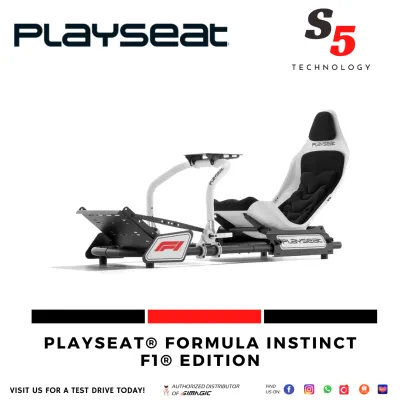
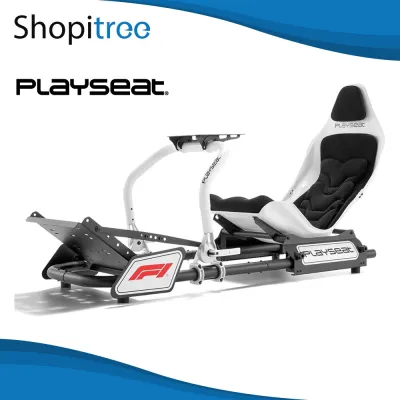
The Playseat Formula utilizes a distinct tubular steel frame designed to provide a solid, integrated structure without the industrial aesthetic of industrial profile rigs. This tubular construction allows for flowing lines that mimic the monocoque chassis of an actual formula car, making it a popular choice for drivers who prioritize visual integration in their living spaces. The steel tubes are typically finished with a durable powder coating to resist scratches and corrosion, though users should regularly inspect the joint connections for wear over time.

The seating surface itself is a critical component of the Playseat Formula’s design. It features a contoured shell wrapped in high-quality synthetic materials or breathable fabrics, depending on the specific model variant. In warm, humid climates like Singapore, checking the breathability of the seat material is highly recommended, as synthetic leather can retain heat during intense, multi-hour racing sessions. The padding density is engineered to distribute body weight evenly across the reclined surface, reducing pressure points on the lower back and tailbone.
When assessing the physical footprint, the Playseat Formula occupies a relatively long but narrow space compared to wider GT cockpits. Because the steel frame sits directly on the floor, using a high-density floor mat is highly advisable to protect delicate flooring materials, such as parquet, laminate, or vinyl, from scratches and vibrations. Additionally, while the frame is robust, users should verify the manufacturer’s specified maximum weight and height limits to ensure the integrated seat shell and pedal sliders can safely accommodate their physical profile without introducing structural play.
Feature Comparison: Adjustability and Hardware Integration
Integrating high-performance hardware is where the differences between the Playseat Formula and modular alternatives become most apparent. The Playseat Formula features pre-drilled mounting plates designed to accommodate major wheelbases and pedal sets from leading manufacturers. However, because these plates are fixed in shape, users must verify compatibility with their specific hardware bolt patterns before purchasing. If you plan to use boutique or highly specialized commercial-grade pedals, you may need to source or fabricate custom adapter plates.
Adjustability on the Playseat Formula is achieved through telescoping tubes and locking clamp mechanisms. This allows you to slide the pedal deck closer or further away and adjust the height of the wheel deck. While these quick-adjust mechanisms are convenient for households with multiple drivers, they can sometimes introduce minor flex under extreme loads compared to the bolted, heavy-duty brackets found on aluminum profile rigs. If you are running a direct drive wheelbase with torque ratings exceeding 10 Nm, checking for optional reinforcement brackets or choosing a rig with thicker steel plates is crucial to maintaining a rock-solid steering feel.
In contrast, alternative rigs built from extruded aluminum profiles (often referred to as 8020 rigs) offer near-infinite adjustability. Because these systems use t-slot channels, you can slide any bracket or mount to the exact millimeter and lock it in place with heavy-duty bolts. This modularity allows you to mount accessories like handbrakes, sequential shifters, button boxes, and keyboard trays anywhere on the frame. The Playseat Formula, with its streamlined tubular design, has more limited mounting points for secondary accessories, meaning drivers who want a fully customized cockpit layout may find the integrated structure restrictive.
Immersion and Practicality for Home Setups
The primary appeal of the Playseat Formula is the sheer immersion of its seating position. Sitting just inches off the ground with your feet elevated creates a physical sensation that closely mirrors the view from a real open-wheel cockpit. This layout aligns your eyes perfectly with triple-monitor setups or virtual reality headsets, enhancing your spatial awareness and depth perception on track. For dedicated open-wheel racers, this ergonomic alignment provides a level of immersion that an upright GT seat simply cannot replicate.
However, this specialized design must be balanced against the practical realities of home integration. In space-constrained environments, such as typical Singapore apartments, a permanent, full-sized simulator rig represents a significant commitment of floor space. While some entry-level simulator seats offer folding mechanisms for easy storage, the Playseat Formula is a more substantial, semi-permanent structure. Although it can be moved with effort, it does not fold down into a compact, closet-friendly shape, meaning you must plan for a dedicated zone in your study or living room.
Vibration management is another practical consideration. High-force feedback events and tactile transducers (bass shakers) can send significant vibrations through a steel frame and into the floor. Because the Playseat Formula’s tubular frame has multiple metal-on-metal adjustment joints, these vibrations can sometimes cause minor rattles if the clamps are not tightened perfectly. Placing the entire rig on a thick, vibration-dampening rubber mat not only protects your floors but also prevents noise from traveling through the building structure to neighboring units.
Decision Framework: Choosing the Right Rig for Your Setup
To determine whether the Playseat Formula or an alternative rig is the right choice for your home, consider the following condition-based guidelines:
Choose the Playseat Formula if:
- You want an authentic, highly immersive formula seating position right out of the box without spending hours assembling industrial aluminum profiles.
- You prefer a sleek, cohesive aesthetic that looks like a cohesive piece of racing equipment rather than an industrial DIY project.
- Your primary hardware consists of standard mid-range wheelbases and pedals that match the pre-drilled mounting patterns.
Choose an Aluminum Profile Alternative if:
- You use high-torque direct drive wheelbases (above 10 Nm) and heavy load cell or hydraulic pedals that require absolute structural rigidity.
- You plan to expand your setup over time with custom accessories, shifters, handbrakes, motion platforms, or tactile transducers.
- You require highly precise, millimeter-level adjustments to accommodate unique physical proportions or specific ergonomic needs.
Before making any purchase, always verify the finished dimensions of the rig against your available floor space, ensuring you have enough clearance to comfortably climb in and out of the low-slung seat. Additionally, measure your doorways and lift access if you plan to assemble the rig in a different room from where it will permanently reside.
Frequently Asked Questions (FAQ)
Is a formula-style seat comfortable for long sim racing sessions?
Yes, a properly adjusted formula-style seat can be highly comfortable for long sessions because the reclined angle distributes your body weight more evenly across your back, thighs, and buttocks, reducing pressure on the lower spine. However, because your neck must bend forward slightly to maintain a view of the screen, adequate neck support is essential. Drivers with pre-existing lower back stiffness or limited mobility may find climbing in and out of the low-slung seat challenging, so it is important to verify that you are comfortable with a highly reclined posture before committing to this style of rig.
Can I upgrade a pre-built formula rig with an aluminum profile frame later?
Upgrading a pre-built tubular steel rig like the Playseat Formula with aluminum profile sections is generally impractical due to the fundamental differences in construction. Tubular steel frames rely on welded joints and specific tube diameters, which do not easily interface with the t-slot channels of aluminum profiles without custom-machined brackets. If you anticipate wanting a highly modular, expandable system in the future, it is more cost-effective to invest in a dedicated aluminum profile chassis from the start rather than attempting to adapt a pre-built steel frame later.
Community discussion
Share your experience or ask a question. Comments are reviewed before publication.