
The ideal shoe cabinet material depends on where you plan to place it, your local climate, and how much weight it must support. For high-humidity entryways or temporary setups, lightweight plastic offers excellent moisture resistance and easy cleaning. Solid wood provides structural stability and classic aesthetic appeal for indoor living rooms, while metal delivers industrial durability and high load capacity for high-traffic zones. Balancing these material traits against your household’s specific storage needs ensures your footwear remains organized, ventilated, and well-preserved.
How to Decide: The Core Selection Framework
Before browsing online marketplaces or local furniture showrooms, you must define the physical and environmental constraints of your entryway. Start by measuring the exact footprint available, paying close attention to door swing clearances and baseboard projections. A cabinet that blocks a narrow hallway or restricts access to your front door quickly becomes a daily frustration.
Next, evaluate the environmental conditions of the intended storage spot. Entryways in tropical climates like Singapore often experience high ambient humidity, which can cause trapped moisture to accumulate inside closed cabinets. If your storage area is semi-outdoor, such as a sheltered corridor or balcony, it will face different exposure levels than a fully air-conditioned foyer.
Products mentioned in this guide
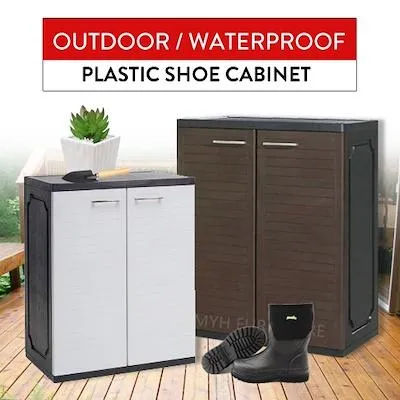
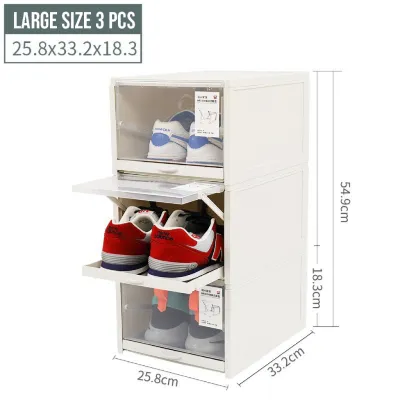
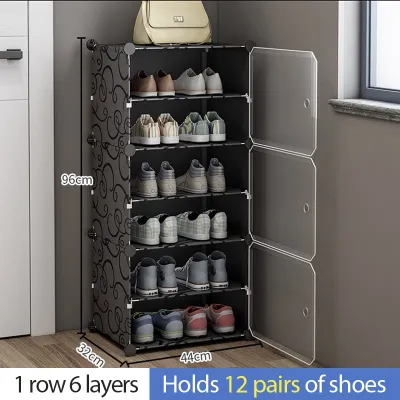
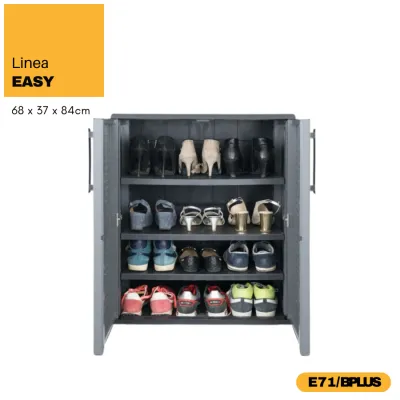
![[SG Stock]Plastic Shoe Rack Plastic Shoe Storage Cabinet DIY Shoe Storage Cabinet Multi-layer Shoes Rack](https://img.lazcdn.com/g/p/0d40be943a4bffe6751ae672988ced0f.jpg_400x400q80.jpg_.webp)
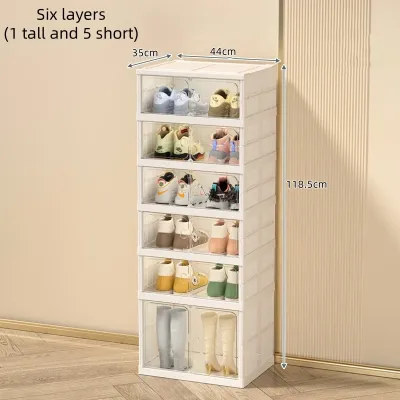
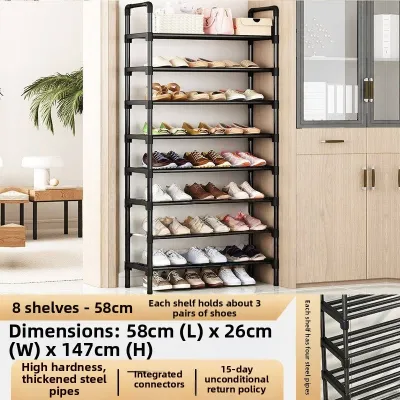
Prices are valid at publication and may change. Please refer to the product page for the latest price.
Finally, assess your household’s footwear collection and maintenance habits. Heavy work boots, safety shoes, and high heels require sturdier shelving than lightweight sandals or canvas sneakers. Determine how much time you are willing to spend on upkeep, as some materials require regular conditioning or specialized cleaning agents, while others can simply be wiped down with a damp cloth.
Material Profiles and Best Use Cases
Each material brings distinct structural characteristics, weight limits, and aesthetic qualities to your home. Understanding these profiles allows you to match the cabinet’s physical properties to your daily storage demands.

Plastic Shoe Cabinets
Plastic shoe cabinets are highly valued for their complete resistance to water damage and their lightweight, modular construction. Because plastic does not absorb moisture, these units will not rot, warp, or harbor mold when storing damp footwear after a sudden downpour. They are exceptionally easy to clean, requiring nothing more than a quick wipe with mild soapy water to remove mud, dirt, or street grime.
However, plastic storage units have clear structural limitations that require careful verification. They generally offer lower weight capacities per shelf compared to wood or metal, making them prone to sagging under heavy footwear. The lightweight nature of plastic also increases the risk of tipping, especially when tall units are fully loaded or placed on uneven flooring.
These characteristics make plastic cabinets ideal for temporary living arrangements, children’s playrooms, or budget-conscious utility spaces. They also perform well in damp environments like bathrooms or laundry areas where other materials might degrade. When selecting a plastic model, look for designs with reinforced interlocking joints and built-in wall anchoring points to improve overall stability.
Wood Shoe Cabinets
Wood shoe cabinets are favored for their classic visual appeal, structural rigidity, and ability to blend seamlessly with existing home decor. Whether constructed from solid timber, engineered wood, or medium-density fibreboard (MDF) with a decorative veneer, wood brings a sense of warmth and permanence to an entryway. The natural weight of wood provides excellent base stability, reducing the risk of accidental tipping.
Despite their aesthetic advantages, wooden cabinets require careful environmental management due to their susceptibility to moisture. Unsealed wood or poorly finished engineered panels can absorb atmospheric humidity, leading to swelling, warping, or joint separation over time. Without proper ventilation, closed wooden compartments can trap damp air, creating an ideal breeding ground for mold and unpleasant odors.
To ensure long-term durability, check the manufacturer’s specifications regarding the type of finish applied to the wood. Look for water-resistant topcoats, sturdy dowel-and-screw joints, and integrated ventilation features like slatted doors or open back panels. Wooden cabinets are best suited for dry, indoor spaces such as main living areas, dedicated walk-in closets, or climate-controlled foyers.
Metal Shoe Cabinets
Metal shoe cabinets offer exceptional structural strength, high load-bearing capabilities, and a sleek, industrial aesthetic. Typically constructed from steel or aluminum, these units easily support heavy footwear collections, including work boots, leather dress shoes, and sports gear, without bending or sagging. Their rigid frames provide excellent impact resistance in high-traffic entryways.
The primary consideration when choosing metal is rust prevention and surface protection. While metal is inherently durable, scratches in the protective paint or powder coating can expose the underlying steel to moisture, leading to localized corrosion. It is essential to inspect the quality of the surface treatment and choose powder-coated or rust-resistant finishes, especially in humid regions.
Metal cabinets are highly suitable for modern, minimalist, or industrial interior designs. They excel in high-traffic zones, shared corridors, or garage entryways where durability is paramount. Because metal does not absorb odors or moisture, these cabinets are incredibly hygienic and can be sanitized easily with standard household cleaners.
Key Comparison Dimensions
To make an informed decision, you must compare how these materials perform across daily use scenarios, long-term maintenance, and overall financial value. Each material represents a different set of trade-offs between upfront cost, lifespan, and physical resilience.
Durability and load-bearing capacity vary significantly across the three materials. While a high-quality wood or metal cabinet can last for decades with proper care, low-grade plastic units may degrade or become brittle over several years of exposure to ambient light and temperature fluctuations. Always check the manufacturer’s specified load rating per shelf to ensure the cabinet can safely support your heaviest shoes.
Maintenance routines and moisture management also differ. Plastic requires the least effort, as it is completely impervious to liquid stains and can be washed down directly. Metal requires periodic inspection for scratches to prevent rust, while wood demands regular dusting, immediate spill cleanup, and occasional treatment with wood-safe polishes to preserve its protective finish.
When evaluating value, consider the total cost of ownership rather than just the initial purchase price. A budget-friendly plastic cabinet may have a low upfront cost but might require replacement sooner if the joints wear out or the shelves sag. Conversely, a premium wood or metal cabinet represents a higher initial investment but offers a significantly longer lifespan, making it a more sustainable and cost-effective choice over time.
| Material | Durability & Load Capacity | Maintenance Effort | Ideal Environment | Relative Lifespan |
|---|---|---|---|---|
| Plastic | Low to Moderate; prone to sagging under heavy loads | Very Low; water-resistant and easy to wipe clean | Damp areas, temporary housing, utility rooms | Short to Medium |
| Wood | High; solid structure but vulnerable to moisture warping | Moderate; requires dust control and dry conditions | Dry indoor foyers, living rooms, walk-in closets | Long (with proper care) |
| Metal | Very High; excellent load capacity and impact resistance | Low to Moderate; check for scratch and rust prevention | High-traffic entryways, modern interiors, garages | Very Long |
Matching the Material to Your Living Environment
Your local climate and housing layout play a decisive role in determining which shoe cabinet material will perform best over time. In tropical regions like Singapore, high relative humidity and frequent rain showers create a challenging environment for furniture. If your entryway is prone to dampness, a plastic or powder-coated metal cabinet will resist moisture-related degradation far better than untreated wood.
For compact apartment layouts, such as HDB flats or condominiums, space optimization is critical. Narrow entryways and shared corridors require slim-profile cabinets that do not obstruct foot traffic or violate local fire safety guidelines regarding corridor clearance. Lightweight plastic or slim metal cabinets with tilting compartments are highly effective for these tight spaces, as they offer a shallow depth while keeping shoes organized.
Ventilation is another crucial factor to consider when matching a cabinet to your living space. Enclosed cabinets without airflow will trap moisture and sweat from recently worn shoes, leading to mold growth and persistent odors. If you prefer a wooden cabinet for your indoor foyer, ensure it features slatted doors, mesh panels, or cutouts in the backboard to facilitate continuous air circulation. Alternatively, open metal shoe racks provide maximum ventilation, though they leave your footwear collection visible.
Pre-Purchase Verification Checklist
Before finalizing your purchase from any furniture retailer or online marketplace, complete these essential verification steps to ensure a safe and seamless installation:
- Measure the physical space: Record the maximum width, depth, and height available in your entryway. Compare these measurements against the cabinet's finished dimensions, ensuring there is sufficient clearance for cabinet doors or drawers to open fully without hitting walls, main doors, or light switches.
- Verify lift and doorway access: Ensure the packaged cabinet or pre-assembled unit can fit through your building's lift doors, stairwells, and apartment entryway. This is especially important for heavy, solid wood or fully welded metal cabinets that cannot be disassembled.
- Check the ventilation design: Inspect the product specifications or physical unit for built-in ventilation holes, slatted shelves, or open-back designs to prevent moisture buildup.
- Assess stability and safety: For tall or narrow cabinets, verify if the manufacturer includes wall-anchoring hardware. Anchoring is highly recommended for lightweight plastic units and tall wooden or metal cabinets to prevent accidental tipping.
- Review assembly requirements: Determine whether the cabinet arrives flat-packed, partially assembled, or requires professional installation. Check if you have the necessary tools and space to complete the assembly safely.
Frequently Asked Questions (FAQ)
Can plastic shoe cabinets support heavy winter boots or work shoes?
Plastic shoe cabinets can support heavier footwear only if they are specifically designed with reinforced structural elements. Before purchasing, check the manufacturer’s load rating per shelf, as standard plastic panels may sag or warp under the weight of heavy work boots or thick-soled shoes. Look for modular plastic units that feature internal metal support frames, reinforced ribbing on the underside of the shelves, or thicker heavy-duty polypropylene panels. If you must store heavy shoes in a standard plastic cabinet, place the heaviest pairs on the bottom shelf to keep the center of gravity low and improve overall stability.
How do I prevent mold inside a wooden shoe cabinet in a humid climate?
Preventing mold in a wooden shoe cabinet requires active moisture management and consistent airflow. Never place damp, wet, or sweaty shoes directly into a closed wooden cabinet; allow them to air-dry completely on an open rack or mat beforehand. Place disposable moisture absorbers, silica gel packets, or activated charcoal deodorizers on the shelves, and replace them regularly as they saturate. Additionally, choose a wooden cabinet with built-in ventilation features, such as slatted doors or back-panel cutouts, and leave the cabinet doors open occasionally to allow fresh air to circulate.
Is it safe to place a metal shoe cabinet outdoors or on a balcony?
Placing a metal shoe cabinet outdoors or on a balcony is safe only if the unit is explicitly rated for exterior use by the manufacturer. Standard indoor metal cabinets often feature paint finishes that can degrade, peel, or rust when exposed to direct sunlight, rain, and outdoor humidity. For outdoor or balcony placement, verify that the cabinet is constructed from rust-resistant materials like aluminum or galvanized steel, and finished with an outdoor-grade powder coating. Always check the manufacturer’s care label and warranty terms to ensure outdoor exposure does not void the product coverage, and try to place the unit in a sheltered area away from direct rain splash.
Community discussion
Share your experience or ask a question. Comments are reviewed before publication.