
Selecting the right thickness for a plastic furniture protector is the difference between a sleek shield and an awkward, warping eyesore. The ideal thickness of a plastic sheet ranges from 0.5 mm to 3.0 mm, depending entirely on the surface you want to protect. For light-duty tasks like lining kitchen drawers or pantry shelves, a thin 0.5 mm to 1.0 mm sheet is highly flexible and easy to handle. For high-use writing desks and dining tables, a moderate thickness of 1.5 mm to 2.0 mm provides the necessary weight to stay flat without sliding. Heavy-duty applications, such as protecting parquet or vinyl floors from rolling office chairs, require a robust thickness of 2.0 mm to 3.0 mm to distribute weight and prevent cracks.
In Singapore’s warm and highly humid climate, choosing the correct thickness is only the first step. You must also consider how the plastic interacts with your furniture’s finish, as a poor match can trap moisture and permanently damage wood lacquers. Understanding the mechanical and physical trade-offs of each millimeter spec ensures your furniture remains pristine without compromising your home’s aesthetic.
What Millimeter (mm) Thickness Actually Means for Protectors
Plastic protectors are measured in millimeters (mm) to indicate their gauge. To put this in perspective, a standard credit card is approximately 0.76 mm thick. Therefore, a 1.5 mm plastic sheet is roughly equivalent to stacking two credit cards, while a 3.0 mm sheet is closer to four. This measurement directly dictates the material’s rigidity, weight, and overall protective capability.
Products mentioned in this guide
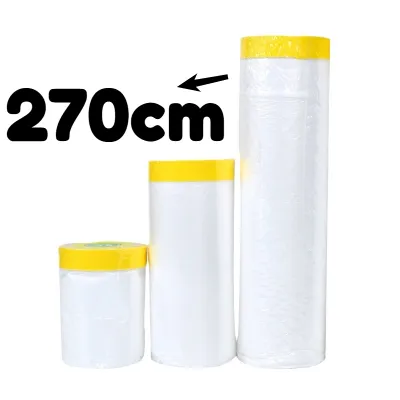
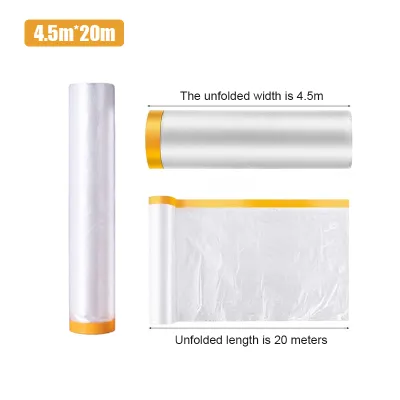
![[2-3 Days Delivery] 4.5m x 20m Plastic Dust Cover Protective Plastic Sheet Disposable Furniture Dustproof Cover Protective Cover Plastic Cover Plastic Film for Home Improvement CNY Gift Present](https://img.lazcdn.com/g/p/37fceab8fc43d4b3b58593d55aae9bcb.jpg_400x400q80.jpg_.webp)
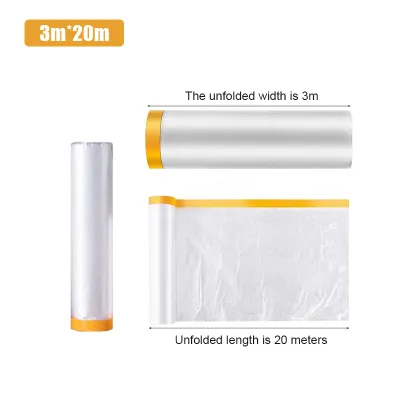

Prices are valid at publication and may change. Please refer to the product page for the latest price.
Thinner sheets (under 1.0 mm) are highly flexible and behave more like heavy-duty films. They easily conform to curved edges and can drape over the sides of a table. However, their lightweight nature means they are prone to curling at the corners, sliding across smooth surfaces, and tearing when exposed to sharp objects. They also offer minimal impact resistance against heavy dropped items.
Conversely, thicker sheets (2.0 mm to 3.0 mm) behave like semi-rigid plates. They are heavy enough to stay in place purely by gravity, eliminating the need for sticky adhesives. They absorb heavy impacts, prevent deep scratches, and lay flat. The trade-off is their lack of flexibility. These sheets cannot drape over the edges of a table; they must be cut to the exact dimensions of the flat surface. They are also difficult to cut accurately at home and can look bulky if placed on delicate or minimalist furniture.
A higher thickness number does not automatically translate to a better product. The perfect specification depends entirely on the surface geometry of your furniture and the specific hazards you want to prevent.
Matching Thickness to Your Furniture Application
Different areas of your home face unique wear patterns. Matching the sheet thickness to the specific furniture type ensures optimal protection without unnecessary bulk.

Dining Tables and Work Desks
For elevated flat surfaces where you eat, write, or work, a moderate thickness of 1.5 mm to 2.0 mm is the industry standard. This range provides a solid, comfortable writing surface that prevents pen tips from puncturing paper and leaving permanent indentations in soft wooden desks.
At 1.5 mm to 2.0 mm, the plastic sheet has enough weight to lay flat on its own, preventing it from sliding around when you rest your forearms on the table. For dining tables, this thickness easily handles daily spills, grease, and the sliding of heavy ceramic plates.
However, dining tables require extra caution regarding temperature. While a 2.0 mm sheet provides excellent physical protection, plastic is inherently sensitive to heat. Even a thick sheet can warp, cloud, or melt if hot serving dishes are placed directly on it. Always verify the manufacturer’s heat limits and use heat-resistant mats or trivets for hot cookware.
Floors and Rolling Chair Mats
Floor protectors must withstand concentrated point loads, especially under the casters of rolling office chairs. For parquet, laminate, or luxury vinyl tile floors, a thickness of 2.0 mm to 3.0 mm is highly recommended.
When you sit in an office chair, your entire body weight is concentrated onto a few tiny wheels. A thin plastic sheet will quickly deform, crack, or bunch up under this pressure. A thicker, more rigid mat distributes this concentrated weight across a broader surface area, protecting the flooring underneath from deep dents and scuffs.
Because thicker mats sit higher off the floor, they can present a tripping hazard. To prevent this, choose mats designed with beveled or sloped edges that allow both chair wheels and feet to transition smoothly. Additionally, check the anti-slip properties of the mat. A heavy, thick sheet can still slide on polished floors if the underside lacks a textured, high-grip backing.
Shelves and Cabinet Liners
For interior shelves, kitchen cabinets, and vanity drawers, heavy-duty impact protection is rarely necessary. Instead, the goal is to guard against dust, cosmetic spills, oil drips, and moisture rings from cups.
A thickness of 0.5 mm to 1.0 mm is ideal for these applications. Thinner sheets are highly flexible, allowing you to easily roll them out and cut them to size using standard household scissors or a utility knife.
These thin liners conform perfectly to the flat bottoms of drawers and shelves without curling at the edges, provided they are cut accurately. They are lightweight, easy to remove for washing, and inexpensive to replace if they become stained or worn over time.
Crucial Specs to Check Alongside Thickness
Thickness is only one variable on a product’s specification sheet. To ensure your protector performs safely and matches your home’s interior, you must evaluate several other material properties.
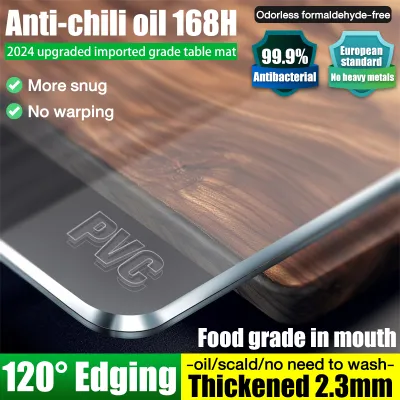
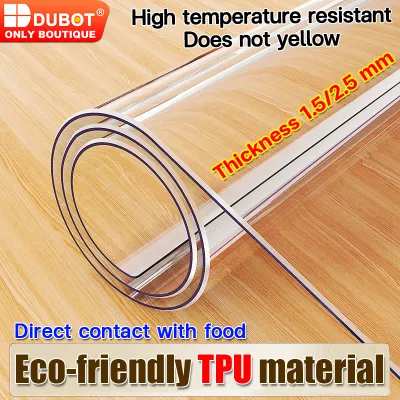
- Material Composition: The type of plastic used significantly affects the protector's behavior. Polyvinyl Chloride (PVC) is the most common and budget-friendly option, offering good clarity and flexibility, though it may have a strong initial odor. Thermoplastic Polyurethane (TPU) is a premium alternative that is odorless, highly durable, and resistant to yellowing. For heavy-duty floor mats, rigid Polycarbonate offers incredible impact resistance and clarity, whereas Acrylic is lighter but more prone to fine scratches.
- Heat Resistance Limits: Never assume a thick plastic sheet is heat-proof. Always check the manufacturer's stated maximum temperature tolerance. Standard PVC sheets usually handle up to 60°C or 80°C, which is sufficient for warm coffee mugs but not for pots fresh from the stove.
- Edge Finishing: Thicker sheets (1.5 mm to 3.0 mm) have highly visible edges. If the edges are cut at a sharp 90-degree angle, they can feel rough against your skin or catch on clothing. Look for protectors that feature a "beveled" or rounded edge, which provides a smooth, comfortable transition.
- Surface Texture: Clear, glossy sheets look beautiful on matte wooden tables because they showcase the natural grain. However, if you place a glossy sheet on a high-gloss, glass, or polished marble surface, it will trap air pockets, creating unsightly "wet spots." For these smooth surfaces, select a frosted or matte-textured plastic sheet to prevent air bubbles and ensure a clean look.
Measuring and Fitting Thicker Plastic Sheets
A poorly fitted plastic sheet not only looks untidy but also fails to protect your furniture edges from spills and wear. Achieving a perfect fit requires precise measurement and the right cutting tools.
Start by using a metal measuring tape to record the exact length and width of your furniture’s flat surface. If your table has rounded corners, you can trace the curve on a piece of paper to create a template. For thick sheets (1.5 mm and above), do not add extra length for an overhang; these rigid sheets must be cut to the exact dimensions of the tabletop to sit flat.
Cutting thick plastic requires patience. While thin liners under 1.0 mm yield easily to standard scissors, sheets of 1.5 mm to 2.0 mm are much tougher. For these, use a sharp utility knife and a metal ruler as a straightedge. Score the cutting line multiple times with firm, even pressure until you can cleanly snap or trim the excess. For rigid sheets 3.0 mm and thicker, home cutting often results in cracked edges or rough, sharp borders. It is highly recommended to order custom-cut sizes directly from the supplier or manufacturer to ensure professional, polished edges.
Before applying any heavy plastic protector, always check your furniture manufacturer’s care instructions. Non-porous plastic sheets completely seal the surface. If your wooden furniture has a natural oil, wax, or uncured lacquer finish, it needs to breathe. Trapping ambient moisture under a heavy plastic sheet—especially in Singapore’s high humidity—can cause the wood to warp, develop mold, or trigger a chemical reaction that softens and ruins the original finish. If you are unsure of the finish or if instructions conflict, consult a professional furniture restorer before applying the protector.
Frequently Asked Questions (FAQ)
Can a thicker plastic sheet prevent heat damage on a wooden table?
No, thickness alone does not guarantee heat protection. While a thicker sheet provides a slightly better physical barrier, the plastic itself can melt, warp, or transfer heat directly to the wood underneath. Always use heat-resistant trivets or coasters for hot items, and verify the manufacturer’s specific heat tolerance rating.
Will a thick plastic floor mat trap moisture and damage hardwood?
Yes, thick, non-porous plastic sheets can trap ambient humidity or spilled liquids against hardwood, parquet, or laminate floors. In Singapore’s humid climate, this trapped moisture can cause wood to swell, warp, discolor, or grow mold. To prevent this, regularly lift the mat to clean and dry both the floor and the underside of the protector, and check your flooring manufacturer’s guidelines.
Community discussion
Share your experience or ask a question. Comments are reviewed before publication.