
Protecting your bed components from dust, moisture, and physical wear often requires targeted solutions, and specialized plastic covers offer an effective line of defense. Whether you need to shield a delicate fabric headboard from daily oils, prevent heavy bed legs from gouging your flooring, or encase an entire frame for a relocation, there is a specific plastic protector designed for the task. Understanding the distinct categories of plastic bed covers—ranging from flexible slip-on headboard sleeves and durable silicone leg caps to heavy-duty polyethylene storage bags—helps you select the right material and fit for your specific furniture setup.
Headboard Protectors: Shielding Upholstery and Wood Surfaces
Fabric headboards, especially those made from light-colored linen, velvet, or faux leather, are highly susceptible to accumulating dust, hair oils, and sweat over time. Cleaning these materials can be incredibly difficult and often requires professional steam cleaning services. A clear plastic cover acts as a physical barrier, keeping the fabric pristine and reducing the frequency of deep cleaning.
When selecting a headboard protector, checking material compatibility is essential. Clear polyvinyl chloride (PVC) is highly durable and offers excellent visibility, but it can sometimes have a strong chemical scent or stick to certain finishes. Polyethylene (PE) is often softer and more flexible, making it a popular alternative. If you have a wooden headboard, a tight plastic cover can trap ambient moisture against the wood grain, potentially causing warping, mold, or damage to the varnish. Always ensure there is some breathing room or choose a cover designed with ventilation gaps to prevent condensation.
Products mentioned in this guide
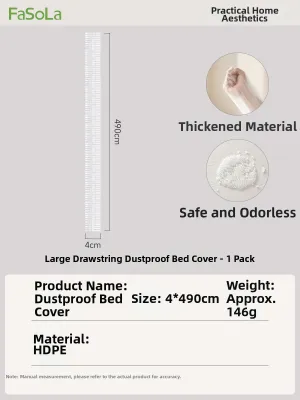
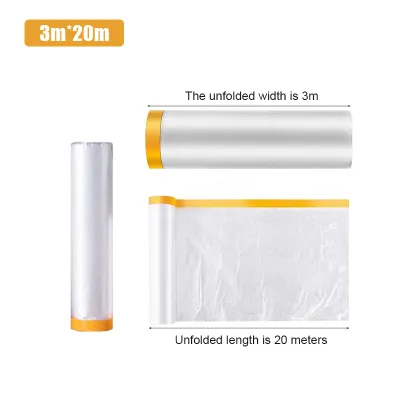

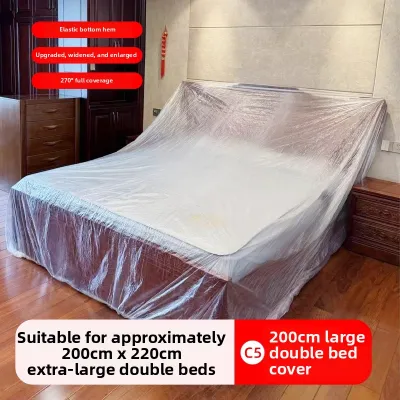
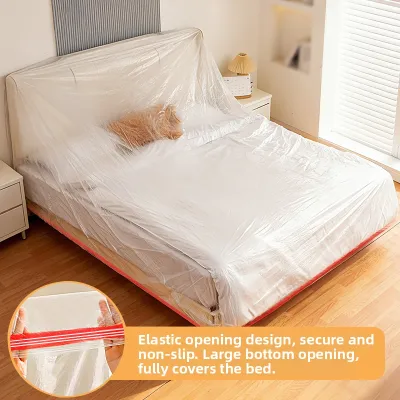

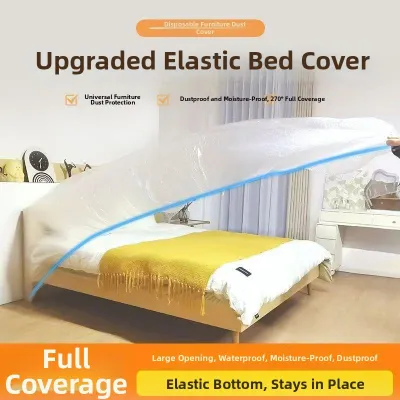
Prices are valid at publication and may change. Please refer to the product page for the latest price.
Different headboard designs require different cover shapes. For instance, a standard rectangular headboard is relatively straightforward to cover with a basic slip-on sleeve. However, if you have a wingback headboard with deep side panels, or a camelback headboard with a curved top, a generic flat cover will bunch up or fail to cover the sides properly. In these cases, look for multi-piece covers or highly elasticized materials that can stretch to conform to irregular contours without tearing. Additionally, consider the aesthetic impact; if you want to showcase the color and texture of your headboard while keeping it protected, opt for high-clarity polished vinyl rather than frosted or opaque plastics.
Attachment methods are also critical for protecting the underlying furniture. Elasticated borders allow the cover to slip over the headboard like a fitted sheet, which is excellent for quick removal and routine maintenance. Zip closures offer complete encasement but require highly precise measurements to avoid tearing. Avoid using strong adhesive strips directly on finished wood or delicate fabrics, as they can leave a sticky residue or strip away the surface material when removed.
Bed Leg Caps: Preventing Floor Scratches and Moisture Damage
Bed legs bear the entire weight of the bed frame, mattress, and occupants, concentrating immense pressure onto small contact points. On hard flooring surfaces like parquet, laminate, polished concrete, or luxury vinyl tiles, this concentrated weight can easily cause deep scratches, scuffs, or permanent indentations. Plastic and silicone bed leg caps serve as protective buffers that distribute this weight more evenly and prevent direct friction.

When selecting leg caps, you must first assess your floor type and the total estimated load. Harder plastics work well on carpeted floors to help the bed slide slightly, while soft, flexible silicone caps are ideal for hard floors because they grip the surface and prevent unwanted sliding. Checking the thickness and material quality of the caps ensures they will not split under the heavy load of the bed.
The bottom material of the leg cap is just as important as the plastic or silicone body. For floors that require frequent cleaning or furniture that needs to be moved occasionally, such as when making the bed, caps with integrated felt pads on the bottom allow the bed to glide smoothly without scratching. However, if your bed is on a slick tile or polished wood floor and tends to slide out of place when you lean against the headboard, pure silicone bottoms provide excellent traction to keep the frame firmly anchored. Always inspect these caps periodically, as dust and grit can become embedded in felt bottoms, turning them abrasive and potentially scratching your floors over time.
Measuring the shape and dimensions of your bed legs is a crucial step before purchasing. Bed legs come in various shapes, including round, square, rectangular, and tapered designs. Use a precise measuring tool to find the exact width or diameter of the leg base, as a cap that is too loose will easily slip off when the bed is moved, while a cap that is too tight may split under pressure.
Installation types vary significantly in terms of permanence and ease of replacement. Slip-on silicone caps are highly popular because they stretch to fit the leg and require no tools or adhesives. Adhesive plastic pads are simple to apply but can slide out of place over time as the adhesive degrades. Screw-on or nail-on glides offer the most permanent solution, but they require drilling into the wooden leg, which might not be suitable for metal frames or rented furniture.
Full Frame and Mattress Covers: Solutions for Moving and Storage
When relocating to a new home or placing your bed components into a storage facility, exposing them to the elements can lead to irreversible damage. Full-coverage plastic encasements are designed to protect entire bed frames, headboards, and mattresses from dust, dirt, moisture, and pests during these transitions. The choice of cover depends heavily on whether you are preparing for short-term transit or long-term storage.
For a quick move, a basic plastic cover is primarily used to prevent surface scuffs, dirt accumulation, and light rain exposure during loading. For long-term storage, however, the cover must act as a complete barrier against ambient moisture, dust mites, and insects, requiring a much more secure and durable setup.
Plastic thickness is measured in mils (one-thousandth of an inch), and checking this specification on the product packaging is essential for ensuring durability. Thin plastic covers (around 1 to 2 mils) are highly susceptible to puncturing and tearing when dragged across truck beds or through narrow doorways. For robust protection during a move, look for heavy-duty covers rated at 4 to 6 mils, which offer excellent tear resistance and can withstand the friction of transport.
Metal bed frames present unique challenges during moving and storage. The sharp edges, brackets, and bolts of a disassembled metal frame can easily slice through even heavy-duty plastic covers. To prevent this, wrap these sharp contact points in bubble wrap, cardboard, or old towels before sliding the plastic cover over the frame. If you are storing a wooden bed frame, avoid wrapping it too tightly in plastic without first ensuring the wood is completely seasoned and dry. Wood is a natural, porous material that needs to breathe; sealing it hermetically in plastic for extended periods in a humid environment can lead to dry rot or mold growth. For wooden components, a slightly loose plastic cover that allows minimal airflow is often preferable to an airtight seal, provided the storage area is dry.
Sealing mechanisms are equally important for maintaining a clean interior environment. Some specialized storage bags feature heavy-duty integrated zippers, while others are designed to be sealed manually. If you are using a standard open-ended plastic sleeve, you will need to secure the open end using high-quality, moisture-resistant packing tape or a heat-sealing tool. Ensure that the seal is completely airtight if the bed is going into a non-climate-controlled storage unit, but verify that the furniture is entirely dry before sealing to avoid trapping any residual moisture inside.
Measurement and Selection Checklist: Getting the Right Fit
To avoid the hassle of returning ill-fitting products, taking precise measurements and verifying product specifications beforehand is essential. Start by measuring your headboard’s maximum width, height, and depth. For the width, measure from the outermost left edge to the outermost right edge, accounting for any decorative tufting or curved wings. For the height, measure from the top of the headboard down to the point where it meets the mattress or the bed frame.
To measure bed legs, use a flexible tape measure or a caliper to find the exact diameter of round legs or the side-to-side width of square legs. If your bed frame has irregular or decorative legs, measure the widest point of the foot to ensure the cap can accommodate it. When reviewing product options on online marketplaces or at local home improvement stores, always cross-reference your measurements with the manufacturer’s sizing chart.
When preparing for a move, do not forget to measure your home’s access points in relation to your wrapped bed components. A mattress or headboard wrapped in thick plastic becomes bulkier and much more slippery to carry. Measure your doorways, hallways, stairwells, and lift doors to ensure you have enough clearance to maneuver the wrapped items safely. If you are using a lift, check the weight and size limits of the elevator cabin. Having these measurements on hand helps you decide whether to wrap the components before moving them down the hall or to wait until they are in a larger staging area.
Check the product labels for care instructions and temperature limits, especially if you plan to use the covers in areas exposed to direct sunlight or high heat, which can cause certain plastics to degrade or stick to the furniture. Additionally, verify the retailer’s return policy, as plastic covers that have been stretched or opened may have specific return conditions.
Safety and maintenance should also be part of your selection process. New plastic covers can sometimes emit strong chemical odors, known as off-gassing; it is wise to unpack the cover in a well-ventilated area for a day or two before placing it in your bedroom. Finally, establish a routine to periodically remove or peel back the plastic covers to inspect the underlying wood, fabric, or metal for any signs of trapped moisture, dust buildup, or structural wear.
Frequently Asked Questions (FAQ)
Can I use regular plastic wrap instead of specialized bed covers?
Using standard household plastic wrap or industrial stretch wrap might seem like a convenient, low-cost alternative, but it lacks the structural integrity required for proper furniture protection. Household plastic wrap is incredibly thin and tears easily when subjected to the friction of moving or the sharp corners of a bed frame. Furthermore, wrapping a headboard or mattress tightly in multiple layers of thin stretch wrap can trap ambient moisture against the material, creating an ideal environment for mold growth. Standard packing tapes used to secure generic plastic wrap can also leave a stubborn, sticky adhesive residue on fabric upholstery or strip the varnish off wooden headboards upon removal. Specialized bed covers are manufactured with appropriate mil thickness and tailored shapes, providing reliable protection without the risks associated with makeshift wrapping materials.
Do plastic bed covers cause moisture buildup or mold?
Plastic is a non-porous material that acts as a complete vapor barrier, meaning it can trap moisture if environmental conditions are not carefully managed. In high-humidity environments, such as tropical climates or unconditioned storage units, temperature fluctuations can cause condensation to form on the inner surface of the plastic cover. If you cover a headboard or mattress that is even slightly damp from cleaning, humidity, or sweat, that moisture will have no way to escape, rapidly leading to mold, mildew, and musty odors. To prevent moisture buildup, ensure that all bed components are completely dry before applying any plastic covers. For long-term storage, consider placing silica gel desiccant packets inside the plastic encasement to absorb residual moisture, and periodically open the storage area to allow air circulation.

Community discussion
Share your experience or ask a question. Comments are reviewed before publication.