
Maximising wardrobe space often leads to utilising the valuable vertical surface on the back of closet doors. When choosing a door storage rack, the decision typically comes down to two primary installation methods: over-door hanging hooks or adhesive mounts. The ideal choice depends on your wardrobe door’s clearance, material, structural integrity, and whether you require a temporary or permanent storage solution.
Over-door racks offer immediate, tool-free installation and easy relocation, making them highly suitable for rental properties, but they require a specific clearance gap at the top of the door frame. Adhesive-mounted racks, on the other hand, provide a flush, stable fit that eliminates swinging and noise, but they carry a risk of surface damage upon removal and require a smooth, non-porous surface to bond securely. By evaluating your specific wardrobe structure and storage needs, you can select a system that keeps your accessories organized without compromising the integrity of your furniture.
Assessing Your Wardrobe Door Constraints
Before purchasing any door storage rack, it is essential to evaluate the physical properties of your wardrobe doors. Failing to check these constraints beforehand can result in a rack that prevents the door from closing, damages the frame, or falls off under weight.
Products mentioned in this guide

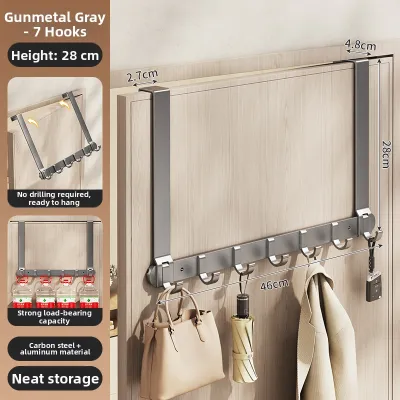
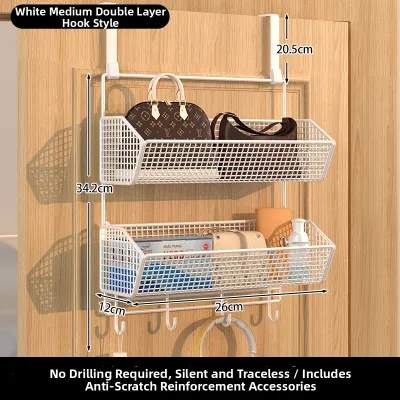
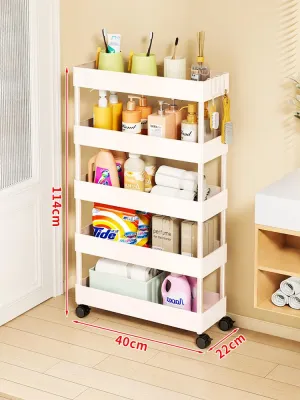
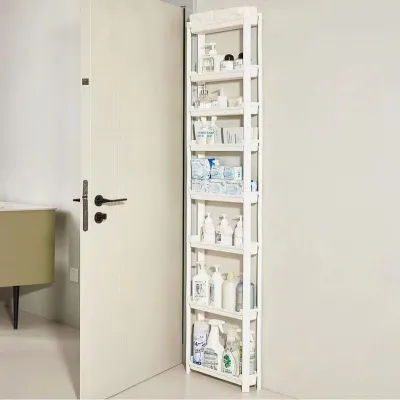
Prices are valid at publication and may change. Please refer to the product page for the latest price.
Top Clearance and Gap: Over-door racks rely on flat metal hooks that drape over the top edge of the door. For the door to close smoothly, there must be sufficient clearance between the top of the door and the upper frame. You can check this gap by placing a coin, such as a S$1 coin (which is approximately 2mm thick), on top of the door and attempting to close it. If the door scrapes or jams, an over-door hook will likely damage your wardrobe frame or prevent the door from shutting entirely.
Door Material and Surface: The finish of your wardrobe door determines whether adhesive mounts are viable. Smooth, non-porous surfaces like high-pressure laminates, glass, or polished metal provide excellent contact for adhesives. Conversely, porous, textured, or delicate surfaces—such as unfinished wood, textured veneers, or matte-painted surfaces—may not form a secure bond. Furthermore, applying strong adhesives to painted wood or delicate veneers carries a high risk of peeling the finish when the rack is eventually removed.
Door Thickness and Structural Limits: Wardrobe doors are generally either solid wood or hollow-core construction. Hollow-core doors, which are common in modern residential developments, consist of thin outer panels sandwiching a lightweight honeycomb interior. These doors have limited structural strength and can warp or crack if subjected to heavy, concentrated loads. Solid wood doors offer much higher load capacities but are heavier, meaning you must ensure the door hinges themselves can support the added weight of both the door and the loaded storage rack.
Rental and Modification Rules: If you are renting your home, preserving the condition of built-in furniture is critical to securing your security deposit. Many tenancy agreements strictly prohibit permanent modifications or any installations that leave residue, scratches, or peeled paint. In such cases, a non-marking over-door rack with protective padding is often the safest choice, whereas homeowners have more freedom to use semi-permanent adhesive options.
Over-Door Storage Racks: Pros, Cons, and Best Use Cases
Over-door storage racks are a popular and highly accessible organization solution, valued primarily for their simplicity and adaptability. Understanding their specific mechanics helps you determine if they align with your daily routine.

Installation and Mobility: The primary advantage of an over-door rack is its tool-free, instantaneous setup. You simply hang the brackets over the top of the door, and the rack is ready for use. This design makes it incredibly easy to relocate the organizer to another room or adjust its height if your storage needs change. Because there are no screws or glues involved, it leaves the face of the door completely untouched, making it an excellent option for temporary setups.
Stability and Noise Trade-offs: A common drawback of over-door organizers is their tendency to move. Because the bottom of the rack is often unsecured, opening or closing the wardrobe door can cause the rack to swing outward and bang against the door face. This movement not only creates distracting noise but can also lead to scuffing or scratching over time. To mitigate this, look for racks that feature integrated foam backing, felt lining on the hooks, or bottom stabilizing straps that secure the lower portion of the rack to the door.
Clearance Requirements: Because these racks rely on hooks that wrap over the top edge, they are highly sensitive to door frame tolerances. If your wardrobe features tight-fitting doors, thick weatherstripping, or a rebated frame design, the metal hooks may prevent the door from latching. It is crucial to verify the hook thickness specified by the manufacturer against your measured door gap before purchasing.
Ideal Use Case: Over-door racks are best suited for storing lightweight, bulky items such as scarves, hats, belts, or light jackets. They are the premier choice for renters, students, or anyone seeking a temporary, zero-damage storage solution that can be packed up and moved at a moment’s notice.
Adhesive Door Storage Racks: Pros, Cons, and Best Use Cases
Adhesive door storage racks offer a streamlined, modern alternative that prioritises stability and a clean aesthetic. However, their performance is highly dependent on environmental conditions and surface preparation.
Stability and Flush Fit: Unlike hanging models, adhesive racks are mounted directly to the face of the door, allowing them to sit completely flush. This flush fit eliminates the swinging, rattling, and banging associated with over-door hooks. The rack remains perfectly still when the wardrobe door is operated, providing a premium, built-in feel and reducing wear on both the rack and the door surface.
Surface Compatibility Risks: The strength of an adhesive mount is a double-edged sword. While it provides excellent stability, the bond can be incredibly difficult to break without causing damage. If applied to painted surfaces, low-quality laminates, or thin wood veneers, the adhesive can tear away the top layer of the door during removal. It is vital to check the manufacturer’s surface compatibility guidelines and avoid applying these racks to fragile or poorly bonded finishes.
Weight Distribution and Environment: Adhesive performance is highly sensitive to temperature and humidity. In warm, humid climates, the moisture in the air can gradually degrade the chemical bonds of standard adhesives over time. This degradation can cause the rack to sag or detach unexpectedly. To prevent this, ensure the door surface is thoroughly cleaned and dried before installation, and perform periodic checks on the bond’s integrity, especially if storing heavier items.
Ideal Use Case: Adhesive racks are ideal for holding heavier, frequently accessed items like handbags, shoes, or small storage bins where a rigid, wobble-free connection is necessary. They are best utilized on solid, high-quality laminate or glass doors in well-ventilated environments where the risk of adhesive degradation is minimized.
Comparing Key Features of Door Storage Racks
To help you quickly evaluate which system fits your wardrobe, the table below compares the essential operational differences between over-door and adhesive-mounted storage racks.
| Feature | Over-Door Storage Racks | Adhesive Door Storage Racks |
|---|---|---|
| Installation Effort | Extremely low; hangs instantly without tools | Moderate; requires surface cleaning and curing time |
| Door Clearance Needed | Requires top gap (typically >= 2mm) | None; mounts directly to the door face |
| Surface Damage Risk | Low; potential for minor friction scratches | High; can peel paint or veneer upon removal |
| Stability During Use | May swing or rattle when door is moved | Highly stable; sits flush with no movement |
| Removal Process | Lift off instantly with zero residue | Requires heat or solvents to detach safely |
When reviewing these general characteristics, always cross-reference them with the specific product specifications provided by the manufacturer. Load capacities, hook dimensions, and adhesive types vary widely, so verifying your wardrobe’s physical measurements against the product details is the most reliable way to ensure compatibility.
How to Decide: A Step-by-Step Selection Checklist
Selecting the right door storage rack requires a systematic approach to ensure safety, compatibility, and long-term utility. Follow this step-by-step checklist before making your purchase.
Step 1: Measure the Gap: Open your wardrobe door and examine the top clearance. Slide a coin or a feeler gauge along the top edge while closing the door to identify any tight spots. If the clearance is less than 2mm, rule out over-door racks and focus on adhesive or screw-mounted alternatives.
Step 2: Identify the Surface: Touch and inspect the door face. Determine if the material is solid wood, hollow-core MDF, glass, or laminate. If the surface is textured, porous, or painted, avoid adhesive mounts unless you are prepared to accept the risk of surface damage or plan to use a specialized, low-tack adhesive.
Step 3: Estimate the Load: Gather the items you plan to store and weigh them. Compare this total weight against the manufacturer’s stated load capacity for the rack. Always maintain a conservative safety margin—storing only up to 70% of the rated limit—to account for the dynamic forces of opening and closing the door.
Step 4: Plan for Removal: Consider your long-term living situation. If you are renting, ensure you have a clear plan for removing the rack. For adhesive models, verify that you have access to a hairdryer or adhesive solvent, and test these removal methods on an inconspicuous area of the wardrobe first to ensure the finish remains undamaged.
Frequently Asked Questions (FAQ)
Can I use an adhesive rack on a hollow-core wardrobe door?
Yes, but with significant limitations. While the adhesive may bond securely to the outer skin of a hollow-core door, the thin plywood or fiberboard panel itself has limited structural integrity. Under a heavy load, the tension can cause the outer skin of the door to delaminate, warp, or tear away entirely. If you must use an adhesive rack on a hollow-core door, check the door manufacturer’s guidelines first, and strictly limit the stored items to very lightweight accessories, such as scarves or empty fabric organizers, to prevent structural damage.
How do I safely remove an adhesive door rack without peeling the paint?
To remove an adhesive rack safely, you must soften the adhesive bond before attempting to pull the mount away. Use a hairdryer on a medium-heat setting to gently warm the adhesive pad for a few minutes. Once the adhesive becomes warm and pliable, slowly and gently pry the mount away from the door surface, pulling parallel to the door rather than straight outward. If any sticky residue remains, test a mild chemical adhesive remover or isopropyl alcohol on a hidden, inconspicuous area of the wardrobe first to ensure it does not discolor, dull, or dissolve the finish before applying it to the main surface.
Will an over-door rack scratch my wooden wardrobe?
Bare metal hooks can scratch or scuff wooden wardrobe doors over time due to the friction caused by daily opening and closing. To prevent this, look for over-door racks that come equipped with built-in foam padding or felt lining on the inside of the hooks. If the rack you purchase does not include these protective features, you can easily apply your own self-adhesive felt pads or silicone bumpers to the contact points before hanging the rack, ensuring a snug fit that protects your wardrobe’s finish.
Community discussion
Share your experience or ask a question. Comments are reviewed before publication.