
Choosing the right door hanger hook is a practical decision that directly impacts your home’s organization, door functionality, and surface preservation. Over-door hooks are ideal for renters or those wanting zero surface contact, provided the door thickness and top clearance allow it. Adhesive hooks offer flexible placement and a minimalist look but require compatible door surfaces and carry a risk of paint damage upon removal. The right choice depends on your door material, rental agreement, and the specific items you plan to hang. By evaluating these factors systematically, you can avoid common pitfalls such as jammed doors, fallen items, or peeled paint.
Understanding the Core Differences in Mounting Styles
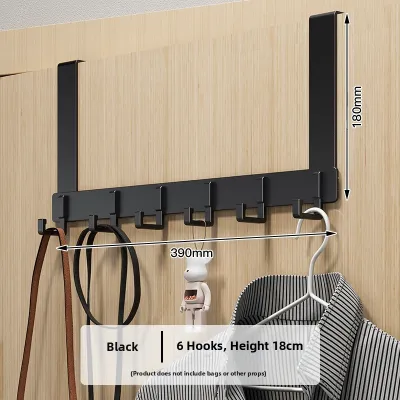
To make an informed decision, it is essential to understand how these two mounting styles function mechanically. Over-door hooks rely entirely on gravity and physical clearance over the top edge of the door frame. The bracket wraps over the top of the door, distributing the weight of the hung items downward and outward against the door’s structure. This mechanical design requires no chemical bonding or hardware installation, making it highly dependent on the physical dimensions of the door and its surrounding frame.
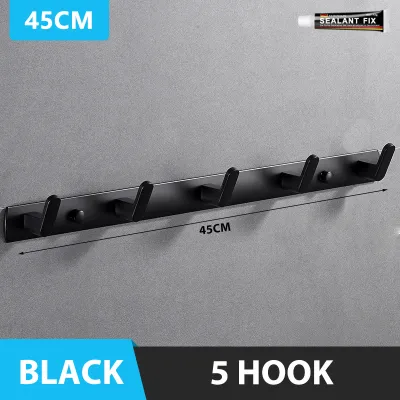
In contrast, adhesive hooks rely on chemical bonding to secure themselves to the door’s surface. These hooks utilize a pressure-sensitive adhesive strip or pad that conforms to the microscopic textures of the door surface, creating a strong bond over a specific surface area. Because they do not rely on a top bracket, adhesive hooks can be placed at any height or position on the door face. Neither mounting style is universally superior; suitability depends entirely on the physical door environment, the surface finish, and the specific clearance gaps available in your home.
Products mentioned in this guide
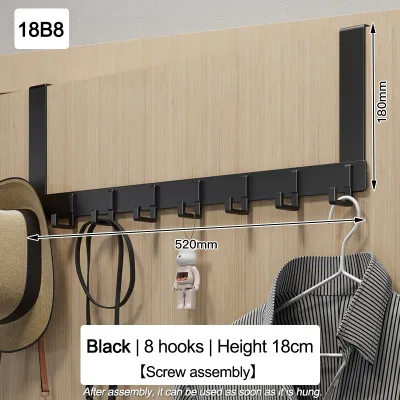
![[Ship in 24h]Behind Door Hanger Hooks No Drill Aluminum Clothes Hooks Wall Hook Over-The-Door Hooks/Hangers For HDB Door Main Door Bedroom Door Kitchen Door](https://img.lazcdn.com/g/p/f316264f7858512fb01a8a8222a3394f.jpg_400x400q80.jpg_.webp)
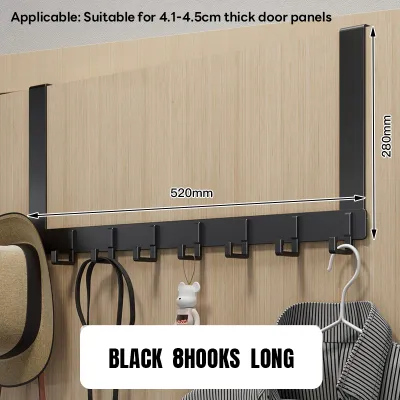
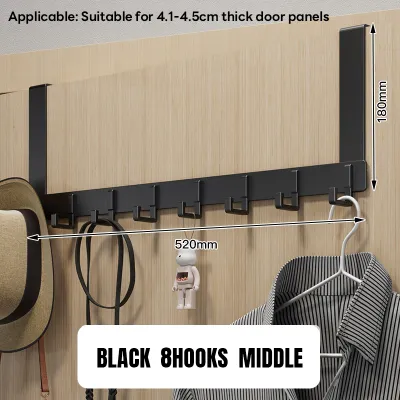
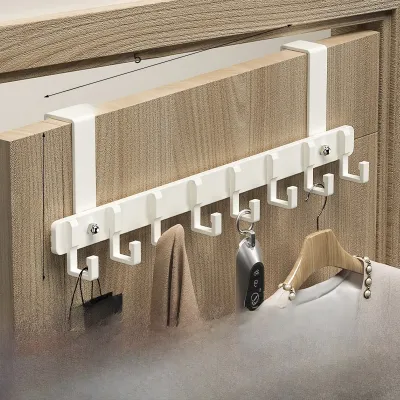
Prices are valid at publication and may change. Please refer to the product page for the latest price.
Key Factors to Consider Before Choosing
Before purchasing any door hanger hook, you must evaluate several physical and situational constraints. Taking the time to assess your specific environment will prevent installation failures and ensure your chosen hook functions safely and effectively.

Door Material and Surface Condition
The material and finish of your door play a critical role in determining which hook style will succeed. Adhesive hooks require smooth, non-porous surfaces to establish a secure chemical bond. Materials such as glass panels, smooth metal, or highly sealed, painted wood are generally compatible with quality adhesives. Conversely, textured, porous, or uneven surfaces—such as unfinished wood, heavily grained timber, or textured paint—often prevent the adhesive from making full contact, which can lead to premature failure and dropped items.
For over-door hooks, the focus shifts from the face of the door to its top edge. You must inspect the top edge of the door to ensure it is flat and horizontal. Beveled, curved, or unusually shaped top edges can prevent the over-door bracket from sitting flush, causing the hook to tilt, wobble, or slide out of place. Additionally, any decorative molding on the door frame can interfere with how the bracket rests when the door is closed.
Rental Restrictions and Damage Concerns
For tenants living in rental properties, preserving the condition of fixtures and fittings is a primary concern. Over-door hooks offer a completely non-destructive mounting solution, making them an excellent default choice for strict leases. Because they do not use adhesives or screws, they can be removed or repositioned instantly without leaving a trace, ensuring you avoid security deposit deductions for surface damage.
Adhesive hooks, while convenient, carry a distinct risk of surface damage during removal. If the adhesive bond is stronger than the paint or veneer layer of the door, pulling the hook off can peel away paint, tear wood veneer, or leave a stubborn, sticky residue that is difficult to clean. Before applying an adhesive hook in a rental, it is wise to check your rental agreement regarding temporary fixtures. If permitted, always test adhesive removers on a hidden area of the door first to ensure the chemical agent does not discolor or dissolve the door’s finish.
Weight Capacity and Intended Use
A common misconception is that one mounting style is inherently stronger than the other. In reality, weight capacities are determined by the manufacturer’s specific design, material thickness, and adhesive formulation, rather than the mounting category alone. Some heavy-duty adhesive hooks are engineered to hold significant weight, while some thin plastic over-door hooks may bend under moderate loads.
To ensure safety, always check the product packaging, label, or manufacturer’s specification sheet for the exact maximum load capacity. Never guess or assume a hook can support an item based on its appearance. You must match your intended items to this verified weight capacity. For instance, heavy winter coats, wet bath towels, or fully loaded backpacks require hooks with high, verified load ratings, whereas light hand towels, keys, or empty tote bags can safely hang on lighter-duty options.
Over-Door Hooks: Pros, Cons, and Best Use Cases
Over-door hooks are a classic space-saving solution, valued for their simplicity and immediate utility. The primary advantage of this style is its tool-free installation. You simply hang the bracket over the top of the door, and it is ready for use. This design guarantees zero surface damage to the face of the door and allows you to reposition or remove the hook at a moment’s notice, making it highly adaptable to changing storage needs.
However, over-door hooks come with specific physical limitations. They require a precise match with your door’s thickness; if the bracket is too wide, the hook will rattle, slide, or tilt forward when items are hung. More importantly, they can interfere with the door’s operation. If the gap between the top of the door and the frame is too tight, the bracket may scrape against the frame, preventing the door from closing fully or damaging the paint on the frame over time.
The best use cases for over-door hooks include rental properties where surface alterations are strictly forbidden, temporary storage setups, and standard solid-core doors that have adequate top clearance gaps. They are particularly useful in bathrooms and bedrooms where doors are frequently kept open or closed, and where quick, high-capacity hanging space is needed for robes, coats, or bags.
Adhesive Hooks: Pros, Cons, and Best Use Cases
Adhesive hooks offer a modern, highly flexible alternative that bypasses the physical constraints of door frames. The standout benefit of adhesive hooks is their placement flexibility. You can install them at any height on the door face, making them accessible for children or tailored to specific item lengths. They also feature a minimalist profile, as they do not require a visible metal bracket wrapping over the top of the door, which preserves the clean lines of your entryway or room. Furthermore, they work beautifully on doors where over-door hooks simply cannot fit, such as sliding doors, pocket doors, or doors with glass panels.
On the downside, adhesive hooks require meticulous surface preparation before application. The door surface must be thoroughly cleaned and dried to remove oils and dust, and you must strictly follow the manufacturer’s curing time—often up to 24 hours—before hanging any weight. They are also a permanent or semi-permanent choice; once applied, they cannot be easily repositioned without replacing the adhesive strip, and there is always an inherent risk of surface damage during removal.
Adhesive hooks are best suited for glass doors, smooth metal doors, and situations where you want to hang items at custom heights. They are also ideal for homeowners or tenants with modern, minimalist aesthetics who prefer to keep hardware hidden or integrated seamlessly into the door’s surface without bulky over-door brackets.
Quick Comparison: Over-Door vs. Adhesive Hooks
To help you quickly evaluate which mounting style aligns with your home’s requirements, the following comparison highlights the key decision-making dimensions.
| Comparison Dimension | Over-Door Hooks | Adhesive Hooks |
|---|---|---|
| Installation Method | Hangs over the top edge; no tools or prep required. | Bonds to the door face; requires surface cleaning and curing. |
| Door Compatibility | Requires specific door thickness and top clearance gap. | Requires smooth, non-porous, and flat surfaces. |
| Rental Friendliness | Excellent; zero surface contact and instant removal. | Moderate; risk of paint or veneer damage during removal. |
| Position Flexibility | Fixed at the top of the door; cannot adjust height. | High; can be placed at any height or position on the door. |
| Weight Verification | Check manufacturer label; limited by bracket strength. | Check manufacturer label; limited by adhesive bond strength. |
How to Verify Fit and Safety Before Installation
To ensure a successful installation that does not damage your home or your belongings, follow these practical verification steps before purchasing or mounting your hooks.
For over-door hooks, start by measuring the thickness of your door using a tape measure. Compare this measurement to the bracket width specified on the product packaging. Next, check the clearance gap at the top of the door. A simple way to do this is to place a coin, such as a S$1 coin, on top of the door and slowly close it. If the door closes smoothly without catching or scraping the coin, you likely have enough clearance for a standard metal bracket.
For adhesive hooks, begin by verifying that the door surface is clean, dry, and completely free of dust, grease, or household oils. Clean the area with isopropyl alcohol if recommended by the manufacturer, and let it dry completely. Once applied, press the adhesive firmly against the surface for the duration specified in the instructions. Crucially, allow the adhesive to cure for the full recommended time—typically 24 hours—before hanging any items. If you are unsure of the door’s material or if the hook feels unstable during initial testing, stop immediately and consult the manufacturer’s guidelines to prevent damage or injury.
Frequently Asked Questions (FAQ)
Can I use adhesive hooks on a hollow core wooden door?
Yes, but you must exercise caution. The primary risk with hollow-core wooden doors is not the hollow interior itself, but rather the thin veneer, laminate, or paint layer applied to the exterior surface. Because these surface layers are thin, the chemical bond of a strong adhesive can easily exceed the strength of the wood glue or paint bond holding the veneer to the door core. When you attempt to remove the adhesive hook, it may pull the paint or veneer away with it, leaving an unsightly patch of exposed raw wood. If you choose to use adhesive hooks on these doors, opt for light-duty adhesives designed for easy removal, or accept the risk of minor cosmetic repairs later.
Will over-door hooks scratch my door?
Over time, bare metal over-door brackets can scratch painted, varnished, or finished wood doors. This scratching typically occurs due to slight movements and vibrations when the door is opened and closed, or when items are repeatedly hung and removed. To prevent this cosmetic damage, look for over-door hooks that feature protective foam, felt, or rubber padding on the inside of the bracket where it contacts the door. If the product you purchase does not include this padding, you can easily apply small adhesive felt pads or silicone bumpers to the contact points yourself to create a protective barrier.
Community discussion
Share your experience or ask a question. Comments are reviewed before publication.