
When comparing OTO, Ogawa, and Panasonic massage chairs in Singapore, there is no single universal winner; the best choice depends entirely on your specific space constraints, budget, and preference for massage intensity. OTO often appeals to those seeking targeted acupressure and space-saving designs, Ogawa is frequently favored for comprehensive full-body stretching and robust airbag compression, while Panasonic is recognized for precision-engineered, gentler mechanics and advanced sensor technology. This guide breaks down the core engineering philosophies, spatial requirements, and value metrics to help you evaluate which brand aligns with your household’s needs.
Massage Technology and Design Philosophy Differences
To make an informed decision, you must first understand how each brand approaches the mechanics of physical relief. OTO generally designs its chairs with a strong emphasis on traditional Asian massage principles, focusing heavily on targeted acupressure points. Their roller configurations are often calibrated to deliver firm, deep-tissue stimulation along specific meridians of the body. This makes them highly suitable for users who prefer an intense, localized massage that mimics the deep thumb pressure of a professional masseuse.
In contrast, Ogawa tends to focus on holistic, full-body wellness with a particular emphasis on stretching and compression. Many of their mid-to-high-end models feature advanced body-stretching programs designed to relieve spinal compression and improve flexibility. Their airbag systems are typically extensive, wrapping around the shoulders, arms, hips, calves, and feet to provide a coordinated, rhythmic compression massage. If you suffer from general muscle stiffness and prefer a comprehensive, enveloping massage experience that focuses on flexibility, Ogawa’s design philosophy aligns well with those needs.
Products mentioned in this guide
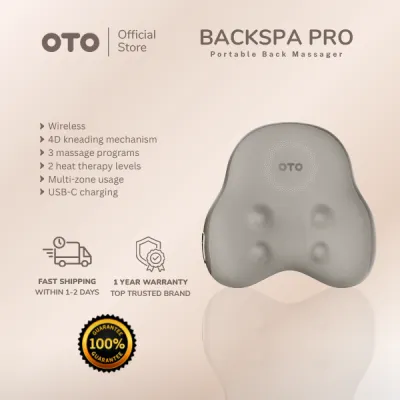
Prices are valid at publication and may change. Please refer to the product page for the latest price.
Panasonic takes a highly technical, precision-engineered approach to massage therapy. Drawing on Japanese engineering standards, Panasonic chairs are renowned for their highly sensitive body-scanning technology. Before a session begins, the chair’s sensors map the unique curvature of your spine and the position of your shoulders to calibrate the rollers. The massage mechanics are designed to be highly precise and generally gentler, focusing on mimicking the exact hand movements of a professional chiropractor. Panasonic also frequently incorporates heated rollers that simulate the warmth of human hands, making them an excellent choice for users who prioritize precision, thermal therapy, and a highly refined, less abrasive massage.
When evaluating any model from these brands, you should consult the official specification sheet to verify the track type. An S-track follows the natural curve of your spine from the neck to the lower back, while an L-track extends further down to massage the glutes and upper thighs. An SL-track combines both, offering the spinal contouring of an S-track with the extended reach of an L-track. Additionally, pay close attention to the roller dimensions and the number of active motors, as these specifications directly influence how deeply the rollers can penetrate the muscle tissue.
Finally, because pressure sensitivity is highly subjective, you should always test these chairs in person before purchasing. What one user experiences as a therapeutic deep-tissue massage, another might find uncomfortably intense. Brand defaults and pressure calibrations vary significantly, and while most chairs offer adjustable intensity levels, the baseline mechanical force of the rollers is determined by the manufacturer’s engineering choices.
Space, Clearance, and Home Installation Checks
In Singapore, where residential layouts in HDB flats and condominiums often feature compact living areas and narrow entryways, the physical dimensions of a massage chair are just as important as its functional features. A common mistake is purchasing a chair based solely on its upright dimensions, only to find that it cannot fully recline in the designated room or cannot pass through the front door during delivery.

Many modern massage chairs feature “zero-wall” or “space-saving” technology, which allows the chair to slide forward on its track as it reclines. This design significantly reduces the clearance required behind the headrest, sometimes requiring as little as 5 to 10 centimeters of space from the wall. However, you must verify these claims against the actual technical specifications of the specific model you are considering. Some older or more basic models may still require up to 50 centimeters of rear clearance, which can severely limit your placement options in a smaller room.
Before finalizing your purchase, perform the following critical structural and spatial checks:
- Minimum Door Width: Measure the clear width of your main entrance, hallway corridors, and the doorway of the room where the chair will be placed. Compare these measurements with the chair's minimum assembly width or unboxed width. Some brands allow the side panels of the chair to be detached for delivery, which can help navigate tight corners, but this must be confirmed with the retailer beforehand.
- Lift Access: Ensure the delivery box can fit into your building's lift. If the box is too large, you may need to arrange for manual carrying, which often incurs additional labor fees from delivery providers.
- Ceiling and Recline Height: Measure the total height of the room and ensure there is sufficient clearance for the chair when it is in its maximum reclined position. This is especially important if you plan to place the chair near low-hanging light fixtures, decorative shelving, or ceiling fans.
- Floor Weight Capacity and Protection: High-end massage chairs are heavy, often weighing between 80 and 150 kilograms. While standard residential floors in Singapore are engineered to support this weight, the concentrated pressure from the chair's small wheels or base pads can leave permanent indentations on softer flooring materials like vinyl, laminate, or natural parquet. It is highly recommended to place a dedicated, high-density protective mat under the chair to distribute the weight evenly.
- Electrical and Power Requirements: Verify the location of your nearest power outlet. Massage chairs require a stable power supply, and manufacturers strongly advise against using light-duty extension cords or sharing a single multi-way adapter with other high-draw appliances. Ensure the power cable can reach the outlet without being stretched taut or positioned where it could be pinched by the chair's reclining mechanism.
Key Features to Compare Across Models
To compare specific models from OTO, Ogawa, and Panasonic effectively, you should look past marketing terminology and focus on concrete, measurable specifications. Creating a structured comparison framework based on official product manuals will help you evaluate the actual value of each model.
| Feature Category | OTO Typical Focus | Ogawa Typical Focus | Panasonic Typical Focus |
|---|---|---|---|
| Roller Mechanism | Targeted acupressure, firm mechanical rollers | Multi-dimensional rollers, stretching focus | Precision-engineered thermal rollers, micro-mechanics |
| Airbag Distribution | Focused on extremities (arms, calves) | Comprehensive, multi-layered full-body coverage | Targeted compression to assist roller alignment |
| Heating Zones | Lumbar heating pads | Multi-zone heating (lumbar and calves) | Heated roller heads (simulated hand warmth) |
| Space Efficiency | Compact footprints, high zero-wall efficiency | Standard to large footprints, slide-forward designs | Moderate footprints, precise recline paths |
When analyzing the airbag system, do not simply look at the total number of airbags, as manufacturers count them differently (some count a single dual-chamber bag as two, while others count it as one). Instead, verify how many independent pressure zones the chair offers and whether you can adjust the intensity of the airbags in specific areas without affecting the rest of the chair.
Heating features also vary widely. While basic models may only offer mild heating in the lower back area, advanced models incorporate carbon fiber heating elements in the back, seat, and leg rests, or even utilize heated roller heads that apply warmth directly to the muscles as they move. If heat therapy is a priority for muscle relaxation, verify the exact location and control options of the heating elements.
Furthermore, check the zero-gravity capabilities of each model. True zero-gravity positioning reclines the chair to an angle where your thighs and calves are elevated slightly above your heart, distributing your body weight evenly across the chair to minimize spinal pressure. Some models offer multiple stages of zero-gravity, which you should verify on the official spec sheet.
Finally, evaluate any integrated smart features. While app connectivity, built-in Bluetooth speakers, and voice control can enhance convenience, verify whether these features require a continuous internet connection, specific mobile operating system versions, or ongoing software subscriptions. Always check the maximum user height and weight limits specified by the manufacturer; exceeding these limits can compromise the ergonomic alignment of the rollers and place excessive strain on the internal motors, voiding your warranty.
Evaluating Price, Warranty, and After-Sales Support
A massage chair is a significant financial investment, and evaluating its long-term value requires looking beyond the initial purchase price or temporary promotional discounts. Brands frequently run seasonal sales, roadshows, and package deals in Singapore, but your decision should be grounded in the build quality, warranty terms, and the reliability of the local after-sales support network.
When comparing pricing tiers, categorize the models into entry-level, mid-range, and flagship brackets based on their core mechanical features rather than cosmetic upgrades. Entry-level models typically offer fixed roller tracks and basic vibration or airbag functions. Mid-range models introduce SL-tracks, basic body scanning, and multi-zone airbag compression. Flagship models represent the pinnacle of each brand’s technology, featuring advanced 3D or 4D roller mechanisms, comprehensive thermal therapy, and highly sophisticated sensor arrays. Ensure you are comparing models within the same tier across the three brands to get an accurate assessment of value.
The warranty is your primary protection against expensive repairs, as replacement parts for massage chairs—such as motherboards, roller assemblies, and synthetic leather covers—can be costly. When reviewing the warranty terms, check for the following details:
- Parts vs. Labor: Verify if the warranty covers both replacement parts and the labor required to install them. Some warranties may cover parts for several years but only include free labor for the first year.
- On-Site Repair: Ensure the warranty includes on-site repair services. Transporting a heavy massage chair to a service center is highly impractical and can incur significant transport fees if not covered by the manufacturer.
- Component-Specific Coverage: Check if there are different warranty durations for specific components. For example, the main frame and motor might carry a longer warranty than the electronic motherboard or the synthetic leather upholstery.
Additionally, research the brand’s established service infrastructure in Singapore. A brand with a dedicated local service center, a steady inventory of spare parts, and a team of authorized, in-house technicians will generally offer faster response times and more reliable repairs than a brand that relies on third-party contractors. Ask the sales representative about their standard service turnaround times and the availability of replacement parts for older models, as this will directly impact the lifespan and utility of your investment.
Decision Framework: Which Brand Fits Your Lifestyle?
To help you synthesize this comparison and choose the right massage chair for your home, consider how your daily routine, physical needs, and living space align with the characteristics of each brand:
- Choose OTO if: You have limited floor space in your home, such as a compact HDB flat or studio apartment, and require a highly space-efficient design. OTO is also ideal if you prefer firm, targeted acupressure and deep-tissue stimulation that focuses on specific pressure points along your back and shoulders.
- Choose Ogawa if: You prioritize full-body flexibility, active stretching, and comprehensive compression therapy. This brand is highly suitable for individuals who experience general muscle stiffness, active lifestyles, or those who enjoy a highly enveloping, multi-layered airbag massage that covers the entire body.
- Choose Panasonic if: You value precision engineering, highly accurate body-scanning technology, and a gentler, more refined massage experience. Panasonic is an excellent choice if you prefer thermal therapy via heated rollers and want a chair that closely mimics the precise, therapeutic hand movements of a professional chiropractor.
Regardless of which brand you choose, safety must always be your primary consideration. If you or anyone in your household has pre-existing medical conditions—such as severe osteoporosis, spinal disc herniation, cardiovascular issues, active implants like pacemakers, or if you are pregnant or recovering from recent surgery—you must consult a qualified medical professional for clearance before using any mechanical massage chair. Always follow the manufacturer’s safety guidelines and start with the lowest intensity settings to allow your body to adjust safely.
Frequently Asked Questions (FAQ)
Can I test these massage chairs at home before committing to a purchase?
Most major massage chair brands in Singapore do not offer standard in-home trial periods due to the high logistical costs and hygiene considerations associated with transporting and installing these large appliances. Instead, they rely on extensive showroom networks where you can test various models under the guidance of sales staff. Before making a purchase, always ask the retailer about their specific return and exchange policies. Verify if they allow returns for a refund, what restocking fees might apply (which can be substantial), who covers the return transport costs, and what condition the chair and its original packaging must be in to qualify for a return.
What is the best way to clean and maintain the synthetic leather upholstery?
To prolong the lifespan of your massage chair’s synthetic leather (often PU or PVC leather), regular and gentle maintenance is essential. After each use, wipe down the contact areas with a soft, dry microfiber cloth to remove sweat and body oils, which can degrade the material over time. For deeper cleaning, use a slightly damp microfiber cloth with a small amount of mild, diluted soap; never use harsh chemical solvents, alcohol-based cleaners, or abrasive sponges, as these can strip the protective coating and cause the synthetic leather to crack or peel. Additionally, position your massage chair away from direct sunlight and air conditioning vents, as extreme temperature fluctuations and UV exposure will accelerate the deterioration of the upholstery.
Community discussion
Share your experience or ask a question. Comments are reviewed before publication.