
Comparing the Oto Elements massage chair to prominent alternatives from OSIM and Ogawa requires looking past marketing terminology to evaluate the physical engineering of each model. Finding the right chair for your home depends on matching mechanical specifications—such as roller track configurations, airbag distribution, and customization options—to your unique body shape and physical pain points. Rather than relying solely on brand reputation, you should base your decision on verifiable track lengths, roller adjustment capabilities, and targeted airbag zones, followed by hands-on testing in a local showroom to confirm subjective comfort.
Core Massage Mechanisms and Techniques
To understand how these chairs compare, you must first examine the roller technology that drives the physical massage. Manufacturers classify roller mechanisms as 2D, 3D, or 4D, and these designations dictate how deeply the chair can work into your muscle tissue. A standard 2D system moves on a flat plane, traveling up and down your back and adjusting in width. This design offers a reliable, consistent massage but lacks the ability to press deeper into stubborn knots.
Upgrading to a 3D roller system introduces depth control, allowing the roller heads to protrude forward into your muscles. This mechanism simulates the hands of a massage therapist, pushing deeper into high-tension areas like the neck and lower back. When reviewing specifications for the Oto Elements, OSIM, or Ogawa, check the maximum protrusion depth, which is often listed in millimeters on the technical spec sheets. A deeper protrusion range allows for a more intense, deep-tissue experience.
Products mentioned in this guide
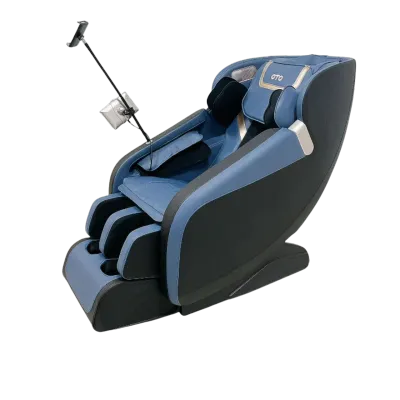
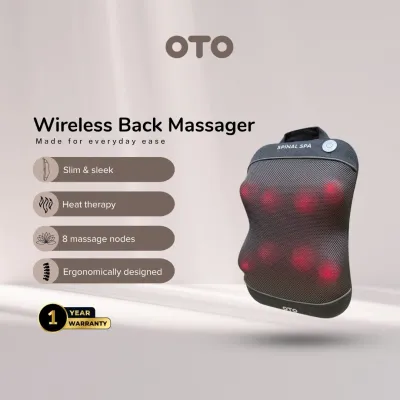
Prices are valid at publication and may change. Please refer to the product page for the latest price.
Advanced 4D rollers build on the 3D design by introducing dynamic speed variations during the massage stroke. Instead of moving at a constant speed, the rollers slow down as they pass over sensitive areas and speed up over larger muscle groups, mimicking a professional massage rhythm. When comparing brands, look closely at how many speed and depth levels are manually adjustable, as this determines whether you can customize the intensity to your daily comfort level.
Beyond the rollers, compression therapy via airbags plays a critical role in relieving tension in the limbs and shoulders. Airbags inflate and deflate to squeeze the muscles, promoting circulation and holding your body firmly in place so the back rollers can work more effectively. Compare the number of airbags and, more importantly, their zoning across the shoulders, arms, calves, and feet. A well-designed chair uses independent valves to inflate specific zones sequentially rather than inflating all bags at once.
Heat therapy is another essential feature to verify on the product label. Many chairs offer heated lumbar pads, while others integrate heating elements directly into the roller heads or calf massagers. Heated rollers provide a more consistent, soothing sensation as they travel along your spine, helping to relax tight muscles before the mechanical kneading begins. Check the user manual to see if the heat can be toggled independently of the massage programs.
Body Conformity and Roller Track Design
The shape of the guide track determines how far down your body the massage rollers can travel. An S-track follows the natural curve of your spine, focusing primarily on the neck, shoulders, and lower back. While highly effective for spinal alignment, an S-track stops at the lumbar region, leaving the glutes and hamstrings untouched by the mechanical rollers.

An L-track extends the roller path past the lower back, curving under the seat to reach the glutes and upper thighs. This design is highly beneficial for individuals who experience lower back stiffness or spend long hours sitting at a desk. The SL-track combines the best of both designs, contouring closely to the spine’s natural curves while extending deep into the lower body. Verify the track length in centimeters on the manufacturer’s spec sheet to ensure it matches your height.
Zero-gravity recline is a mechanical feature designed to enhance body conformity and reduce spinal pressure. By reclining the chair so that your knees are elevated slightly above your heart, your body weight is distributed evenly across the chair. This position minimizes the pull of gravity on your spine and allows the massage rollers to apply deeper, more consistent pressure. Check the technical specifications to see if the chair offers multiple zero-gravity angles or a single pre-set position.
To ensure the rollers target the correct muscle groups, reliable body scanning technology is essential. When you sit in the chair, sensors or roller resistance mechanisms map the curvature of your spine and the height of your shoulders. This calibration prevents the rollers from hitting bone or missing key tension areas. Review the product specifications to confirm the scanning method used, as precise calibration is crucial for taller or shorter users who fall outside average height ranges.
Targeted Relief and Customization Programs
Evaluating the pre-set auto-programs helps you understand how well a chair can address specific physical needs. Most brands offer a variety of programs tailored for recovery, relaxation, or sleep preparation. For example, a morning program might use faster, tapping motions to stimulate circulation, while an evening program relies on slow, rolling movements to prepare the body for rest. Compare the program menus of the Oto Elements, OSIM, and Ogawa to see which aligns best with your daily routine.
Manual customization is equally important for targeted relief. There will be days when you want to bypass the auto-programs and focus entirely on a specific knot in your shoulder. Check the remote control or companion app interface to ensure you can pause the rollers at a precise spot, adjust the width of the roller heads, and select your preferred massage style, such as kneading, tapping, or shiatsu.
If multiple family members will share the massage chair, user profile memory is a highly practical feature to verify. Storing individual height, recline, and intensity preferences saves time and prevents the need to recalibrate the chair before every use. Look for models that offer dedicated memory slots on the remote control or allow you to save custom profiles within a smartphone application.
Space, Dimensions, and Installation Checks
Before finalizing your choice, you must ensure the massage chair physically fits your living space and can be safely delivered. Massage chairs are substantial pieces of furniture with large footprints, especially when fully reclined. Measure your available floor space and compare it to the chair’s upright and fully reclined dimensions listed in the user manual.
Many modern chairs feature space-saving slide-forward mechanisms that allow them to be placed close to a wall. As the chair reclines, the entire frame slides forward on its base, reducing the required wall clearance behind the headrest. Verify the exact wall clearance required; some models need as little as 5 centimeters, while others require up to 50 centimeters of clear space behind the chair.
Delivery logistics require careful planning, particularly in high-rise apartments or homes with narrow entryways. Measure the width of your lift doors, main entrance, hallways, and any tight corners the delivery team must navigate. Compare these measurements against the chair’s packaged dimensions, as some models are shipped in a single, large box that cannot be disassembled for transport.
Finally, check the maximum weight capacity and structural stability of the chair. Massage chairs are heavy, often weighing between 80 and 120 kilograms, and require a stable, level floor surface. If you have delicate flooring like parquet or vinyl, consider placing a dedicated protective mat under the chair to distribute the weight and prevent indentations. Always verify the manufacturer’s guidelines regarding power supply requirements and grounding to ensure safe operation.
Decision Framework: Which Chair Fits Your Needs
Choosing between the Oto Elements, OSIM, and Ogawa comes down to aligning their verified specifications with your personal physical requirements and home environment. If you prioritize a balanced price-to-feature ratio, a reliable SL-track, and essential customization options without paying a premium for smart-home ecosystems, the Oto Elements is a practical choice. It provides the core mechanical features necessary for daily muscle relief in a straightforward package.
If you require highly specialized stretching programs, patented roller technologies, or advanced app integration, OSIM or Ogawa may better suit your needs. These brands often invest in proprietary mechanisms designed to target specific muscle groups or offer synchronized multi-directional massage movements. Carefully compare their technical spec sheets against your specific pain points to determine if these advanced features justify the investment.
Regardless of the brand you lean toward, the most critical step is to test the shortlisted models in person. Subjective comfort, the physical feel of the rollers against your spine, and the fit of the airbag compression cannot be determined from a spec sheet alone. Visit an authorized showroom, spend at least 15 minutes testing the programs on each chair, and verify that the mechanical movements feel comfortable and therapeutic for your body type.
Frequently Asked Questions (FAQ)
How often should I use a massage chair for optimal relief?
For most users, starting with one or two 15-to-20 minute sessions per day is recommended for muscle relief. Overusing a massage chair, especially on high-intensity settings, can lead to muscle soreness or bruising. Always listen to your body, start with lower intensity levels, and adjust the frequency based on your personal comfort and physical response.
What maintenance is required to keep the massage chair in good condition?
Basic maintenance involves wiping down the synthetic leather upholstery with a dry or slightly damp microfiber cloth to remove sweat, dust, and body oils. Avoid using harsh chemical cleaners or alcohol-based wipes, as these can dry out and crack the material. Periodically check the power cord for any signs of wear, ensure the area around the moving parts remains free of dust, and verify that all structural bolts are secure.
Community discussion
Share your experience or ask a question. Comments are reviewed before publication.