
Quick Answer: Is OSIM Worth the Premium Price Tag?
In Singapore’s competitive wellness market, choosing a high-end massage chair is a major investment. Brands like OSIM, Panasonic, Fujiiryoki, and Inada all offer premium experiences, but they target different user priorities. OSIM has built its reputation on lifestyle integration, modern aesthetics, and smart technology, supported by an omnipresent retail footprint across Singapore’s major shopping malls.
Conversely, Japanese giants like Panasonic, Fujiiryoki, and Inada approach massage from a more clinical and therapeutic perspective. Panasonic is renowned for its ergonomic precision and engineering reliability, while Fujiiryoki and Inada focus heavily on deep-tissue shiatsu techniques and medical-grade body tracking.
Ultimately, OSIM is often worth the premium if you want a stylish, app-connected chair that blends seamlessly into a modern living room and comes with highly accessible local customer support. However, if your primary goal is intense, therapeutic pain relief or traditional Japanese chiropractic techniques, the specialized engineering of Fujiiryoki or Inada may offer better long-term value.
Products mentioned in this guide
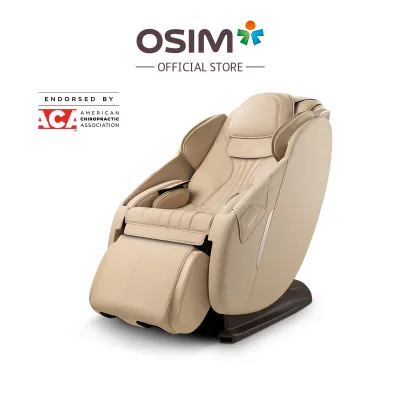
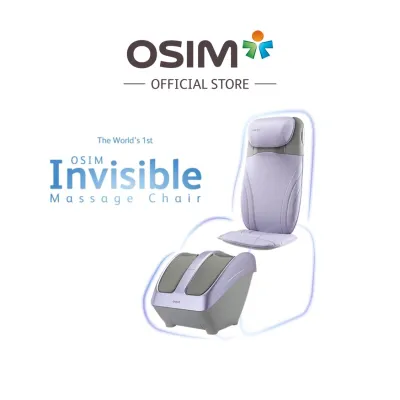
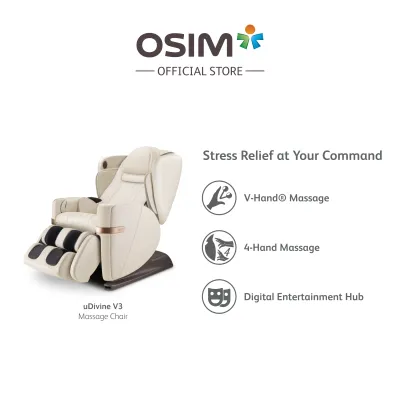
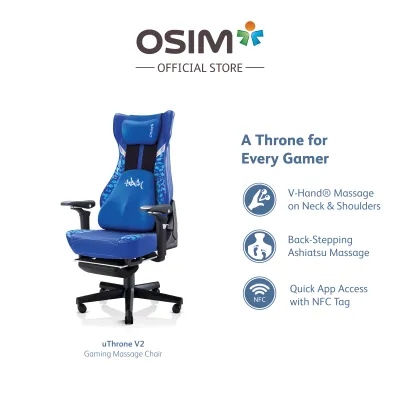
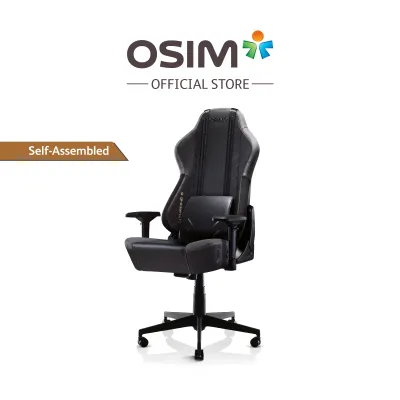
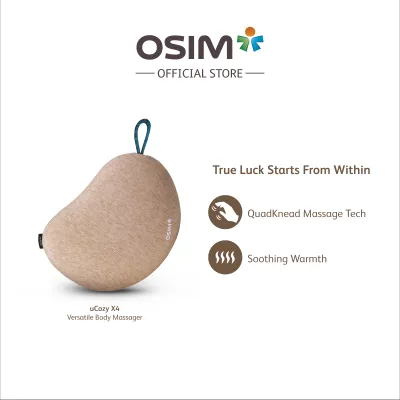
Prices are valid at publication and may change. Please refer to the product page for the latest price.
Core Comparison Dimensions for Premium Massage Chairs
Investing in a premium massage chair requires looking beyond marketing buzzwords. At this price point, almost every model offers basic features like body scanning, reclining, and airbag compression. The true differences lie in the underlying design philosophy, mechanical execution, and the long-term support infrastructure available in Singapore.

To make an informed decision, you must evaluate these brands across four critical dimensions: massage mechanism sophistication, physical space requirements, material durability, and local after-sales service. Understanding these factors ensures you select a chair that not only delivers an effective massage but also fits your home environment and remains functional for years to come.
Massage Technology and Experience
The heart of any massage chair is its roller mechanism. When comparing these premium brands, you will frequently encounter terms like 3D and 4D rollers, as well as S-tracks and L-tracks. A 3D mechanism allows the rollers to move up and down, left and right, and in and out to adjust depth. A 4D mechanism refines this by dynamically changing the speed of the rollers during the stroke, closely mimicking the acceleration and deceleration of human hands.
The track design determines how far those rollers can travel. An S-track follows the natural curvature of your spine from the neck to the lower back, while an L-track extends further down, reaching under the seat to massage the glutes and hamstrings. Many premium chairs now utilize an SL-track, combining the spinal contouring of the S-track with the extended reach of the L-track to provide comprehensive coverage.
OSIM stands out for its focus on customizable, app-connected programs. They frequently update their software, allowing users to download new massage profiles tailored to specific lifestyles, such as post-workout recovery or stress relief. OSIM chairs often incorporate sensory additions, such as built-in speakers, ambient lighting, and even bio-sensors that measure stress levels to customize the massage intensity automatically.
In contrast, Fujiiryoki and Inada prioritize traditional, deep-tissue shiatsu techniques. Their engineering is deeply rooted in Japanese massage therapy, focusing on precise acupressure points. Rather than relying on flashy software updates, these brands perfect the mechanical feel of the rollers, using complex sensor arrays to map the unique contours of your shoulder blades and spine before every session. The sensation is often described as firmer and more clinical than OSIM’s smoother, lifestyle-oriented strokes.
Panasonic occupies a middle ground, blending advanced electronics with ergonomic spinal alignment. Their chairs are particularly well-regarded for their stretching programs, which use a combination of active rollers and inflating airbags to gently guide the body into therapeutic stretches. This approach is highly beneficial for individuals suffering from chronic stiffness or lower back compression.
When choosing between these technologies, it is crucial to test the physical pressure intensity in person. A “premium” label does not guarantee that a chair’s default settings will feel comfortable to you. Some users find the intense, deep-tissue kneading of a Fujiiryoki or Inada too intense, while others might find OSIM’s standard settings too gentle. Always assess how customizable the intensity levels are on the controller before purchasing.
Build Quality, Upholstery, and Space Requirements
In Singapore, where HDB flats and condominiums often have limited square footage, the physical footprint of a massage chair is a major consideration. Many modern premium chairs feature “wall-hugging” or zero-clearance recline technology. This design slides the chair forward on its base as it reclines, requiring only a few centimeters of clearance from the wall behind it, rather than the half-meter or more required by older models.
Beyond the footprint, the upholstery material is critical for long-term durability, especially in Singapore’s hot and humid climate. Most premium massage chairs utilize high-grade synthetic leathers, such as polyurethane (PU) or specialized polyvinyl chloride (PVC), because genuine leather can stretch, crack, and degrade rapidly under the constant friction and sweat associated with daily massage sessions.
When inspecting a chair, check the manufacturer’s care labels and ask about the specific grade of synthetic leather used. High-quality PU leather is formulated to resist hydrolysis—the chemical breakdown of material caused by water and humidity—which is a common cause of peeling in cheaper chairs. Look closely at the stitching around high-friction areas like the shoulders, lower back, and footrest, as these are the points most prone to wear over time.
The design aesthetics of these brands also differ significantly. OSIM designs its chairs to look like high-end furniture, offering sleek profiles, modern color palettes, and polished finishes that complement contemporary interior decor. They are built to blend into a living room or bedroom without looking like a piece of medical equipment.
Conversely, Japanese specialized brands like Fujiiryoki and Inada often maintain a more clinical or utilitarian appearance. Their designs prioritize mechanical function and therapeutic access over minimalist aesthetics, resulting in bulkier frames and more traditional, industrial-looking control panels. If visual integration with your home decor is a high priority, OSIM typically holds an aesthetic advantage.
Warranty, After-Sales Support, and Maintenance
A premium massage chair is a complex mechanical device containing multiple motors, air pumps, solenoid valves, and electronic control boards. Because of this complexity, the local warranty and after-sales support infrastructure in Singapore should be a primary factor in your decision-making process.
OSIM has a distinct advantage in this area due to its extensive retail network and direct corporate presence in Singapore. With numerous physical boutiques across the island, obtaining customer service, scheduling a maintenance visit, or resolving a warranty claim is generally straightforward. Because they manage their own logistics and service technicians, response times are typically fast, and replacement parts are readily stocked locally.
Panasonic, Fujiiryoki, and Inada operate primarily through authorized local distributors in Singapore. While these distributors are highly professional, their service networks may not be as large as OSIM’s direct corporate infrastructure. Before purchasing, it is essential to clarify who will service the chair if a fault occurs, and whether the distributor stocks original replacement parts locally or must import them from Japan.
When reviewing the warranty terms, look closely at what is actually covered. A typical premium warranty might span one to three years, but the coverage is often split between parts, labor, and transport. For example, a warranty might cover parts for three years but only cover the cost of the technician’s labor and transport for the first year.
Additionally, verify if the warranty includes on-site repair. Given the weight and bulk of these chairs—often exceeding 100 kilograms—depot repair (where you must transport the chair to a service center) is highly impractical. A reliable premium brand should offer on-site technician visits for all major warranty repairs in Singapore.
Evaluating the Price-to-Value Proposition
Premium massage chairs in Singapore represent a significant financial commitment, with prices often starting around S$3,000 for entry-level models and climbing well past S$10,000 for flagship therapeutic units. To evaluate the true value proposition of these chairs, you must look beyond the initial retail price and consider the long-term cost of ownership.
R&D investment, proprietary massage technologies, and high-quality materials account for a large portion of the premium price tag. For instance, the precision sensors used in Japanese chairs to map your spine represent years of biomechanical research. Similarly, OSIM’s continuous software development and app integration require ongoing engineering support.
When assessing value, calculate the potential out-of-warranty costs. Ask the sales representative for a price list of common replacement items, such as replacement upholstery covers, footrest pads, or individual airbag modules. A lower initial purchase price can quickly be offset if a replacement airbag assembly or control board costs an exorbitant amount to repair after the warranty expires.
It is also important to compare models within the same price bracket rather than making broad brand-to-brand comparisons. For example, comparing OSIM’s flagship model with a mid-range Panasonic model will give an inaccurate picture of performance and features. Ensure you are comparing apples to apples by looking at chairs with similar roller technologies, airbag counts, and customization options.
An additional aspect to consider is the bundled retail offers in Singapore. Because the base prices of these premium chairs are relatively stable, brands often compete by offering value-added packages. These can include extended warranties, complimentary leather care kits, free scheduled maintenance visits, or trade-in programs where they offset the cost of a new chair by removing and recycling your old one. These bundles can significantly enhance the overall value proposition of your purchase.
Decision Framework: Which Brand Fits Your Needs?
To help you navigate these options, we have structured a clear decision framework based on different user priorities and home environments in Singapore.
- Choose OSIM if: You prioritize smart home integration, modern aesthetics that blend with living room decor, and prefer buying directly from a brand with widespread local physical showrooms for easy testing and direct after-sales support.
- Choose Panasonic if: You value ergonomic precision, reliable build quality, and a balanced massage experience backed by a globally recognized electronics brand with established local service channels.
- Choose Fujiiryoki or Inada if: Your primary goal is intense, therapeutic deep-tissue relief, traditional Japanese shiatsu techniques, and you do not mind a more clinical or utilitarian design aesthetic.
- Verify first if: You have specific medical conditions (e.g., osteoporosis, spinal issues, or recent surgeries); consult a healthcare professional before using any high-intensity massage chair, regardless of the brand.
What to Verify Before Finalizing Your Purchase
Before you finalize your purchase, there are several practical steps you must take to prevent buyer’s remorse and ensure a seamless delivery process.
- Measure Your Space: Verify the exact footprint, including full recline clearance, and measure door, hallway, and elevator widths in your residence to ensure delivery is physically possible.
- Test in Person: Visit showrooms to test the chairs for at least 15-20 minutes. Pay attention to shoulder alignment, foot roller intensity, and operational noise levels.
- Read the Fine Print: Check the warranty terms for exclusions (e.g., upholstery wear and tear, power surges) and understand the exact process for claiming repairs.
- Check Delivery and Installation: Confirm if the quoted price includes white-glove delivery, assembly, and removal of packaging, which is standard for premium tiers but must be explicitly verified in writing.
Frequently Asked Questions (FAQ)
Do premium massage chairs consume a lot of electricity?
While premium massage chairs contain multiple motors, heating elements, and air pumps, they are generally designed to be energy-efficient. Most models consume between 100 to 300 Watts during operation, which is comparable to a standard desktop computer or a large television. To ensure safety and prevent electrical issues, check the manufacturer’s rated power consumption on the specification label and always plug the chair into a dedicated wall socket equipped with a high-quality surge protector.
Can I negotiate the price or get free gifts when buying in-store?
In Singapore’s premium retail market, the base retail prices for flagship massage chairs are typically fixed by the brands to maintain premium positioning. However, physical showrooms frequently offer promotional bundles, especially during major shopping seasons, Great Singapore Sale (GSS) periods, or store anniversaries. Instead of direct discounts, you can often negotiate for high-value add-ons, such as extended warranty coverage, free leather maintenance kits, or bundled eye massagers and foot reflexology units.
Are second-hand or refurbished premium massage chairs a good idea?
Buying a used premium massage chair carries significant risks and is generally not recommended unless purchased as a certified refurbished unit directly from the manufacturer. Second-hand purchases almost always void the original manufacturer’s warranty, leaving you responsible for expensive repairs if a motor or airbag fails. Furthermore, internal mechanical wear on rollers and pneumatic systems is impossible to assess visually, and hygiene concerns regarding sweat absorption in the upholstery make buying new or officially certified refurbished units a much safer investment.
Community discussion
Share your experience or ask a question. Comments are reviewed before publication.