
Evaluating how the OSIM uZap Warm’s heat function compares to other massage devices requires looking closely at targeted application, material design, and user control rather than relying on generalized performance claims. While many massage devices on the market offer some form of warming technology, they differ significantly in how they deliver thermal energy—ranging from localized, steady warmth to broad-spectrum, adjustable heat zones. To determine which device offers the best value for your home, you must compare verifiable specifications such as heating element types, safety certifications, and how well the physical design fits your living space.
Because independent, standardized testing data for specific heat output and therapeutic efficacy is rarely available, making an informed choice depends on matching manufacturer specifications to your personal comfort needs. This guide provides a structured framework to compare these warming features, helping you understand the underlying technology, verify essential safety and performance specifications, and select the right setup for your home environment.
How Warming Technology Works in Massage Chairs
To effectively compare massage devices, it is helpful to understand the common types of heating elements used in modern wellness equipment. Most contemporary devices utilize carbon fiber, graphene, or traditional copper heating wires to generate warmth. Carbon fiber elements are highly durable and distribute heat evenly across a surface, making them a common choice for integrated backrests. Graphene, a newer material consisting of a single layer of carbon atoms, conducts heat exceptionally fast and is incredibly lightweight, which is why it is frequently used in portable wraps and targeted massage belts. Traditional copper heating wires are cost-effective but can sometimes create localized hot spots if the surrounding padding is thin or worn.
Products mentioned in this guide
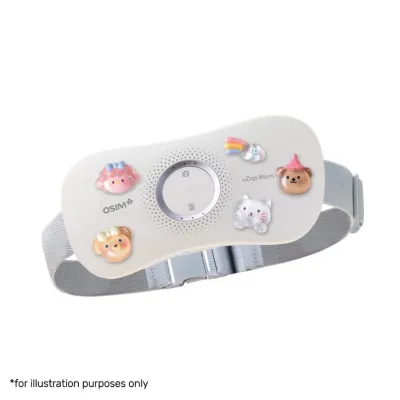
Prices are valid at publication and may change. Please refer to the product page for the latest price.
These heating elements are typically positioned in key target zones where muscle tension commonly accumulates. In full-sized massage chairs, heating zones are usually concentrated in the lumbar region, calves, and feet. Portable or targeted massage devices, such as heated wraps or belts, focus on specific areas like the abdomen, lower back, or neck. By applying localized warmth to these regions, the device helps to prepare the body for the mechanical massage.
Thermal therapy complements mechanical massage techniques by promoting muscle relaxation and increasing tissue pliability. When heat is applied to tight muscles, it encourages blood vessels to dilate, which improves local blood circulation and helps soothe stiff fibers. This warming effect makes the subsequent mechanical kneading, rolling, or vibration more comfortable and effective, as the pliable muscles respond more readily to physical pressure without causing discomfort.
Essential Heat Specifications to Check Before Buying
When comparing the OSIM uZap Warm with alternative devices, you should carefully verify the temperature range and adjustability levels listed in the product manuals or official specifications. Most home massage devices operate within a safe temperature range of 40°C to 55°C. It is highly beneficial to choose a device that offers multiple heat intensity settings rather than a simple on/off toggle. This adjustability allows you to customize the warmth according to your personal sensitivity and the ambient temperature of your room.

Another critical factor is the coverage area of the heating elements. You must distinguish between localized heating, which targets a single specific area like the lower back, and full-body warming, which integrates heating elements across multiple zones simultaneously. Some advanced devices feature dynamic heating, where the warmth moves along with the massage rollers, while others rely on static heating pads embedded in the upholstery. Checking the product diagrams will help you identify exactly where the heat will be applied.
Warm-up time and heat retention are also important operational characteristics to consider. Graphene-based heating elements typically reach their target temperature within a minute, providing near-instant comfort. Carbon fiber and traditional wire systems may take three to five minutes to fully warm up. Additionally, look for devices with high-quality insulation materials that retain heat efficiently during a standard 15-to-20-minute massage cycle, ensuring a consistent thermal experience without placing unnecessary strain on the heating elements.
Safety should always be a primary consideration when purchasing any electrical heating device. Verify that the product features robust built-in safety mechanisms, including an automatic shutoff timer that turns off the heat after a set duration (typically 15 or 20 minutes) to prevent prolonged exposure. Overheat protection sensors and thermal fuses are also essential, as they automatically cut power to the device if the temperature exceeds safe thresholds. Always look for recognized safety certification marks on the product label to ensure compliance with local electrical safety standards.
Matching Heat Features to Your Comfort and Environment
Translating technical specifications into practical value requires aligning the device’s features with your specific physical needs and living environment. If you suffer from chronic lower back stiffness, a device with a dedicated lumbar heating zone will be highly beneficial. Conversely, if you experience cold feet or calf tension after long hours of standing, prioritizing a device with integrated leg and foot warming features will provide greater daily utility.
Living in a tropical climate like Singapore introduces unique considerations for heated wellness equipment. High ambient temperatures and humidity mean that a heavily insulated, fully enclosed heated massage chair can quickly become uncomfortably warm and cause sweating. To ensure comfort, look for devices that feature breathable mesh panels or high-quality synthetic leather (PU) that does not trap moisture. If you plan to use the device in a naturally ventilated room, a highly adjustable temperature control is essential so you can lower the heat setting on warmer days.
Long-term maintenance and durability are also closely linked to how the heating elements interact with the device’s materials. The repeated expansion and contraction caused by thermal cycling can accelerate the wear, cracking, or peeling of low-grade synthetic fabrics. Before buying, check the manufacturer’s care instructions to see if the outer cover is removable and washable, or if it requires specific non-alcohol-based cleaning agents. Proper care ensures that the heated surfaces remain hygienic and intact over years of regular use.
Decision Guide: Choosing the Right Heat Therapy Setup
To choose the ideal device for your home, evaluate how each option aligns with your physical space, daily routine, and specific wellness goals. Use the following conditional framework to guide your decision:
Consider the OSIM uZap Warm if you prefer a compact, targeted warming device that can be easily integrated into smaller living spaces, such as typical apartments or condominiums. Its localized design is ideal if your primary goal is to address specific areas of tension without the bulk, high power requirements, or substantial footprint of a full-sized massage chair. It is also highly suitable if you want a portable option that can be easily stored away when not in use.
Choose a competing device or a full-sized massage chair if you require comprehensive, multi-zone thermal coverage (such as simultaneous heating of the back, calves, and feet) or if you prefer advanced heating materials like graphene for rapid warm-up times. This option is better suited for dedicated wellness spaces where floor area is not a constraint and where multiple users with varying height and comfort preferences will share the device.
Before finalizing your purchase, always measure your available floor space and ensure there is a clear path for delivery, including doorway and lift clearance. Heated massage chairs can be heavy and bulky, requiring a stable, level floor surface and direct access to a grounded power outlet. Avoid using extension cords for high-wattage appliances. Additionally, if you have underlying medical conditions such as diabetes, circulatory issues, or sensory neuropathies, consult a healthcare professional to determine safe temperature limits before using any heated massage equipment.
Frequently Asked Questions (FAQ)
Is it safe to use the massage chair heat function every day?
Daily use of the heating function is generally safe for healthy individuals, provided you adhere to the manufacturer’s recommended session limits. Most manufacturers advise limiting heat therapy to 15 to 30 minutes per session to prevent skin irritation or low-temperature burns. It is important to perform regular skin checks, especially if you have sensitive skin. If you experience any persistent redness, discomfort, or have pre-existing medical conditions that affect heat sensitivity, consult a medical professional before continuing daily use.
Does the heating function consume significantly more electricity?
The heating function in most modern massage devices consumes a relatively small amount of electricity compared to other household appliances. While mechanical motors drive the physical massage rollers and require moderate power, the resistive heating elements typically draw only an additional 30 to 60 watts of power. This minor increase has a negligible impact on your monthly utility bill. To maximize energy efficiency, ensure the heating function is turned off when not in use, and utilize the device’s automatic shutoff timer to prevent unnecessary power consumption.

Community discussion
Share your experience or ask a question. Comments are reviewed before publication.