
Comparing the OSIM uCozy V to other compact massage chairs in its price range requires evaluating physical dimensions, massage mechanism specifications, material durability, and total cost of ownership. Because individual comfort preferences and home layouts vary, the ideal choice depends on verifying how each chair’s physical footprint, node configuration, and warranty terms align with your specific living space and wellness goals.
In modern urban homes where floor space is at a premium, compact massage chairs and portable massage cushions offer a practical alternative to bulky, full-sized reclining chairs. However, because manufacturers use different terminology and design philosophies, comparing these products directly can be challenging. By focusing on objective, verifiable specifications rather than marketing claims, you can determine which option delivers the best long-term value for your home.
Assessing Space, Clearance, and Daily Usability
Before comparing the internal features of any compact massage chair, you must verify its physical compatibility with your living area. A compact chair is only valuable if it fits comfortably into your room layout without obstructing daily foot traffic or requiring major furniture rearrangements.
Products mentioned in this guide
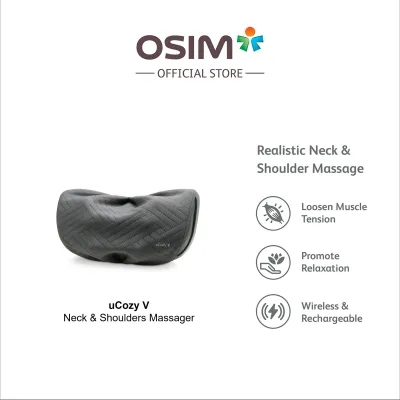
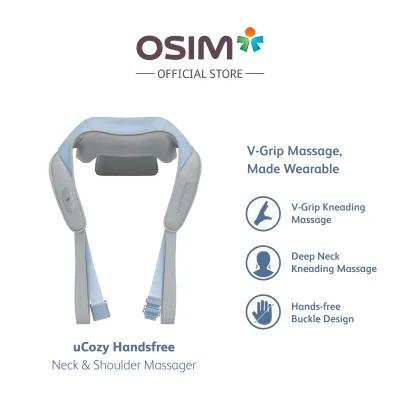
Prices are valid at publication and may change. Please refer to the product page for the latest price.
Begin by measuring the exact static footprint of the chair, which is the floor space it occupies when fully upright and unused. Compare these dimensions against your allocated floor space, keeping in mind that you need comfortable walking clearance around the sides. Next, check the manufacturer’s specifications for the dynamic footprint, which includes the maximum length and height when the chair is fully reclined and the leg rest is extended.
Wall-clearance requirements are another critical factor. Some compact models feature “zero-wall” or “wall-hugger” engineering, allowing the chair to slide forward on its base as it reclines, requiring as little as 5 to 10 centimeters of clearance behind the backrest. Other models may require up to 40 or 50 centimeters of space behind the chair to recline fully, which can significantly limit your placement options.
Finally, plan the delivery route within your residence. Measure the narrowest points of your entryways, including passenger lift doors, front gates, main doors, and hallway corners. Compare these measurements against the manufacturer’s “minimum doorway clearance” or “packaged dimensions” to ensure the delivery team can safely transport the chair into your designated room without damaging your walls or the product itself.
Comparing Massage Mechanisms and Target Areas
The core value of any massage chair lies in its mechanical performance. When comparing the OSIM uCozy V—which is designed primarily as a targeted, portable massage cushion—against integrated compact massage chairs, you must evaluate the track type, roller technology, and coverage areas.

First, identify the track configuration of the models you are considering. Standard compact chairs typically feature either an S-track or an L-track. An S-track follows the natural curve of your spine from the neck down to the lower back, maintaining consistent pressure along the vertebrae. An L-track extends this path further, wrapping under the seat to massage the glutes and upper hamstrings. Portable massage cushions, by contrast, often use localized, fixed-node systems that target specific areas like the neck and shoulders rather than traversing the entire length of the back.
Next, examine the roller technology listed in the product specifications. Basic models utilize 2D rollers that move vertically and horizontally. Advanced compact chairs may feature 3D rollers, which add depth adjustment, allowing the nodes to protrude forward into the muscle tissue for a deeper massage. Some high-end models offer 4D rollers that vary their speed dynamically to simulate human hands. Verify these details in the official product manual rather than relying on promotional descriptions.
Additionally, check the configuration of auxiliary features like airbags and heating elements. Airbags provide compression massage to areas the rollers cannot reach, such as the shoulders, arms, calves, and feet. Look at the product schematic to verify the number of airbags and their placement. If heat therapy is important to you, confirm whether the heating elements are located in the backrest, seat, or leg rest, and check if the temperature can be adjusted manually.
Evaluating Build Quality, Upholstery, and Maintenance
Because massage chairs are subject to continuous mechanical friction and body weight, their structural materials and upholstery must be highly durable. Reviewing product labels and care instructions will give you a clear indication of the chair’s expected lifespan and maintenance requirements.
Most compact massage chairs utilize synthetic leather, such as polyurethane (PU) or polyvinyl chloride (PVC), because these materials are highly flexible and resilient against the constant stretching caused by moving rollers. However, in warm, humid climates, synthetic materials can be susceptible to hydrolysis—a chemical breakdown that causes the material to peel or crack over time. Check if the manufacturer specifies the use of hydrolysis-resistant synthetic leather or offers removable, washable fabric covers that protect the main upholstery from sweat and body oils.
Inspect the frame construction and stability specifications. A high-quality compact chair should feature a solid steel chassis to prevent flexing or squeaking during operation. Always check the manufacturer’s specified maximum weight capacity (load capacity) to ensure the chair can safely support all intended users over years of daily use.
Environmental placement also plays a major role in material preservation. Review the owner’s manual for specific environmental restrictions. Most manufacturers advise against placing massage chairs in direct sunlight, near air conditioning vents, or in high-humidity areas like enclosed balconies, as these conditions accelerate the degradation of both the upholstery and the internal electronic components.
Analyzing True Cost, Warranty, and Support
When comparing the financial value of different models, look beyond the initial retail price in S$. A comprehensive comparison must account for the total cost of ownership, delivery logistics, and post-purchase support.
Start by verifying what is included in the base purchase price. Some retailers include professional delivery, white-glove assembly, and the disposal of your old furniture in the standard price, while others charge these as separate fees. If your residence does not have direct lift access and requires the delivery team to carry the heavy chair up stairs, confirm whether there are additional staircase surcharges.
Carefully analyze the warranty terms provided by each brand. A standard warranty is often split into different coverage tiers, such as structural frame, electronic parts, and labor. A model with a slightly higher upfront cost but a comprehensive two-year on-site warranty may offer better long-term value than a cheaper model with a limited one-year carry-in warranty, as transporting a heavy massage chair to a service center for repairs can be highly inconvenient and expensive.
Finally, research the availability of local customer support. Confirm whether the brand operates an authorized local service center with trained technicians and a reliable supply of replacement parts. Having access to prompt, local technical support ensures that any mechanical or electronic issues can be resolved quickly without rendering your investment unusable for extended periods.
Decision Framework: Choosing the Right Compact Massage Chair
To finalize your decision, align your physical space, wellness priorities, and budget with the specific design strengths of each product category.
Choose a targeted portable massager like the OSIM uCozy V if:
- Your primary physical tension is concentrated in specific areas like the neck, shoulders, or lower back.
- You have extremely limited floor space and require a device that can be easily stored in a closet or drawer when not in use.
- You want the flexibility to use the massager on different existing chairs, sofas, or even while traveling.
- You prefer a lower initial financial investment while still obtaining targeted muscle relief.
Choose an integrated compact massage chair if:
- You require full-body massage coverage, including continuous roller movement from the neck down to the glutes.
- You have dedicated floor space in your living room or bedroom that can accommodate a permanent piece of furniture.
- You want advanced features like zero-gravity recline, integrated airbag compression, and foot rollers.
- You are willing to invest a higher amount in S$ for a comprehensive, hands-free relaxation experience.
Before making your final purchase, always verify the manufacturer’s return policy and try to test the candidate models in person. Pay close attention to how the roller width aligns with your spine, whether the seat depth supports your thighs comfortably, and whether the intensity of the massage programs can be adjusted to your personal comfort level.
Frequently Asked Questions (FAQ)
Do compact massage chairs provide the same benefits as full-size models?
Compact massage chairs offer excellent targeted relief but have physical design trade-offs compared to full-size models. Because of their smaller frames, compact chairs typically feature shorter roller tracks, which may not extend all the way to the calves or feet, and they often have narrower seat widths and lower maximum weight capacities. Additionally, full-size models generally offer more advanced multi-dimensional roller technology (such as 3D or 4D movement) and a higher number of airbags for comprehensive full-body compression, whereas compact models focus on space efficiency and essential massage programs.
How do I maintain the synthetic leather on a compact massage chair?
To extend the lifespan of the synthetic leather on your massage chair, establish a regular, gentle cleaning routine. Dust the chair weekly with a dry, soft microfiber cloth to remove dust and skin flakes. For deeper cleaning, use a slightly damp cloth with mild, diluted soapy water or a specialized synthetic leather cleaner approved by the manufacturer; never use harsh chemical solvents, alcohol-based wipes, or abrasive bleaching agents, as these will strip the protective coating and cause premature cracking. Always allow the upholstery to air dry completely in a well-ventilated room away from direct sunlight and high-humidity sources.

Community discussion
Share your experience or ask a question. Comments are reviewed before publication.