
Evaluating a high-ticket wellness investment requires looking past marketing terminology to examine the underlying mechanical engineering, build quality, and spatial compatibility. OSIM is a prominent name in the premium massage chair market, particularly in Singapore, where its retail presence and design-led aesthetics make it a frequent consideration for homeowners. However, with prices for premium models regularly spanning from S$3,000 to well over S$10,000, understanding whether these proprietary technologies justify their cost relative to other high-end international brands is essential before committing to a purchase.
OSIM’s price premium is primarily driven by its proprietary roller mechanisms, such as the V-Hand and 4-Hand systems, alongside advanced smart home app connectivity and a design philosophy that prioritizes furniture-like integration into modern living spaces. If your primary goal is to find a chair that offers highly specialized, hand-mimicking neck and shoulder kneading, seamless mobile app control, and an aesthetic that complements a contemporary living room or HDB flat, OSIM aligns well with those priorities. Conversely, if your main objective is clinical-grade deep-tissue therapy, highly customizable manual mechanical adjustments, or extended structural warranties on internal components, other premium international brands may offer better specification density for your investment. Ultimately, the value of the premium depends on whether you prioritize lifestyle-oriented features and refined touchpoints over raw mechanical power and medical-grade therapeutic certifications.
Core Massage Mechanisms: OSIM's Signature Tech vs. Competitors
To determine if a massage chair justifies its retail price, you must first evaluate the mechanical engineering of its primary roller assembly. This assembly is the engine of the chair, dictating how effectively the device can replicate the complex movements of a professional massage therapist.
Products mentioned in this guide
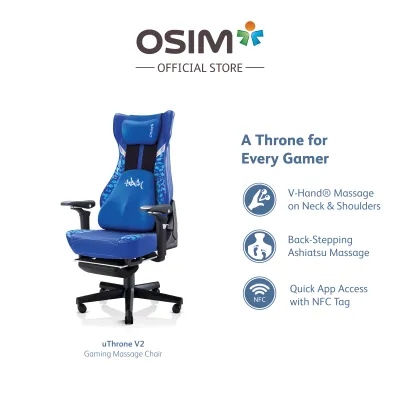
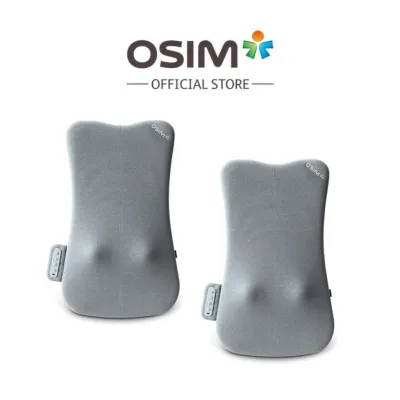
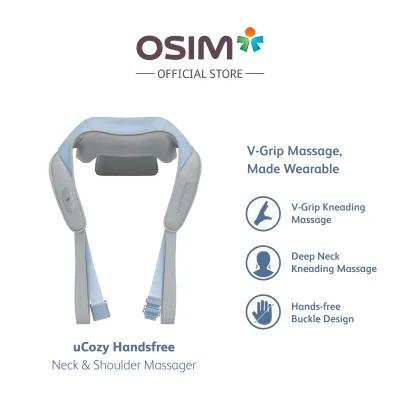
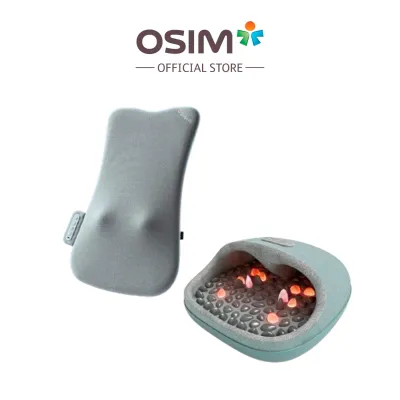
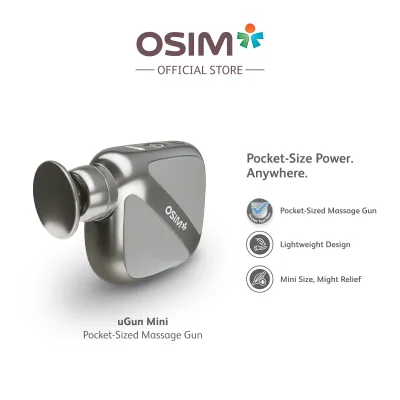
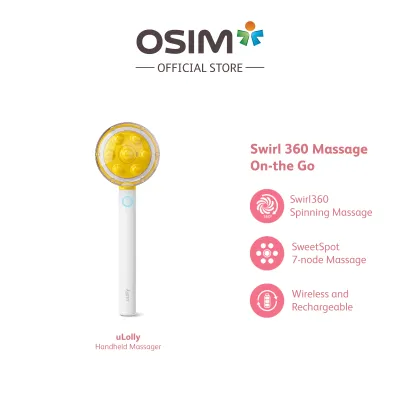
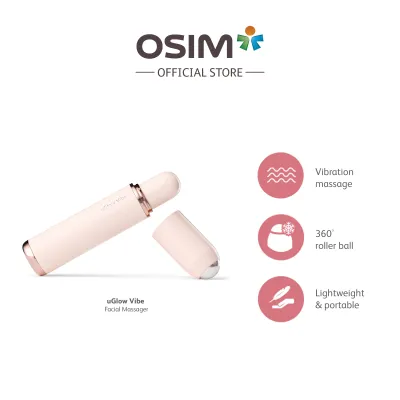
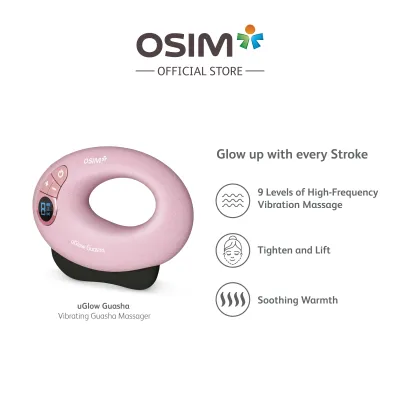
Prices are valid at publication and may change. Please refer to the product page for the latest price.
Understanding V-Hand and 4-Hand Massage Concepts
OSIM’s marketing highlights proprietary terms like “V-Hand” and “4-Hand” massage to describe how its rollers interact with the body. To understand what these terms mean in practice, you must look at the physical configuration of the roller carriage. The V-Hand mechanism is engineered to mimic the pinching and kneeling motion of a massage therapist’s hands. It utilizes specialized gear assemblies that allow the rollers to tilt, pivot, and apply lateral pressure, specifically targeting the upper trapezius muscles and the nape of the neck. This mechanical articulation allows the rollers to “grab” and squeeze the muscle tissue rather than simply rolling over it.
To verify these mechanical capabilities, check the official product specifications or user manuals for the physical roller configuration. A true hand-mimicking mechanism requires multi-axis movement. Look for details on the roller material; high-quality silicone or elastomer rollers provide a firmer yet more compliant touch than hard plastic alternatives, which is crucial for preventing bruising along the cervical spine.
In contrast, the 4-Hand massage concept addresses a different mechanical challenge: providing simultaneous upper and lower body massage. Standard massage chairs feature a single roller carriage that travels up and down a track, meaning the rollers can only focus on one muscle group at a time. OSIM’s dual-mechanism approach utilizes two independent roller engines operating on a single track. One engine focuses exclusively on the neck and shoulders, while the second engine simultaneously targets the lumbar region and glutes. This parallel operation simulates the sensation of two therapists working on your body at once, effectively doubling the massage coverage within a single timed session. When verifying this feature on a spec sheet, confirm whether the chair contains two independent motor-driven roller assemblies or if it simply uses a single assembly with wider, synchronized arm movements.
How Competitors Approach Roller Technology
Other premium international manufacturers approach deep-tissue relief and muscle relaxation through different engineering philosophies, focusing heavily on 3D and 4D depth adjustment, heated roller heads, and specialized physical roller shapes. In the premium massage chair industry, a 3D roller mechanism allows the rollers to move vertically (Y-axis), horizontally (X-axis), and protrude outward (Z-axis) to adjust the depth of the massage. A 4D mechanism refines this by adding variable speed control to the depth movement, allowing the chair to accelerate or decelerate mid-stroke to mimic the natural rhythm of human hands.
When evaluating competitor specifications, compare the maximum roller protrusion depth, which is typically measured in millimeters or centimeters. Premium Japanese and American brands often offer protrusion depths ranging from 8 to over 12 centimeters, providing intense deep-tissue penetration. Additionally, look at the granularity of the speed and intensity settings; some competitor models offer up to 10 or 12 levels of manual adjustment, allowing you to fine-tune the pressure to your exact tolerance.
Another significant engineering difference is the integration of heat. While many chairs use carbon fiber heating pads embedded in the fabric lining, several premium competitors integrate heating elements directly inside the ceramic or silicone roller heads. This allows the heat to be applied dynamically as the rollers move along your muscle groups, simulating a hot stone massage. When comparing options, remember that higher mechanical specifications, such as a greater number of motors or deeper roller protrusion, do not automatically guarantee a superior experience. The overall comfort depends entirely on the precision of the body scanning technology and the smoothness of the software algorithms that coordinate the motor transitions.
Beyond the Rollers: Tracks, Airbags, and Smart Features
While the main roller assembly performs the primary massage work, the supporting systems—including the guide track, the airbag compression network, and the smart control software—define the overall therapeutic coverage and convenience of the chair.

Track Design and Body Scanning
The guide track is the steel or aluminum frame that dictates the path the roller carriage travels along your back. Most premium chairs utilize an SL-track design. The “S” represents the natural curvature of the human spine, ensuring the rollers maintain consistent pressure from the neck down to the lower back, while the “L” indicates that the track extends past the lower back to reach under the seat, massaging the glutes and upper hamstrings.
When comparing tracks, verify the physical track length listed in the specifications. Track lengths generally range from 110 to 135 centimeters. If you are taller, a longer track is necessary to ensure the rollers can fully reach your hamstrings without bottoming out. Some alternative premium brands feature flexible or split-track designs. These specialized tracks can bend or articulate during a recline, allowing the chair to perform flat-body stretching programs or deep zero-gravity tilts while keeping the rollers in continuous contact with your back.
To ensure the rollers hit the correct muscle groups, the chair must accurately map your anatomy. Basic chairs rely on simple spring-loaded resistance sensors that detect where your shoulders are by measuring physical pushback. Premium models employ advanced optical sensors or spinal mapping technology. These systems run a diagnostic scan at the start of each session, measuring the curvature of your spine to locate the exact positions of your shoulder blades, neck, and lumbar curve. When testing a chair, pay close attention to this startup sequence. If the rollers consistently miss your neck muscles or press directly onto your shoulder blades, the scanning system may lack the precision required for your body type.
Airbag Compression and Heating Elements
Airbag compression systems are designed to massage areas that mechanical rollers cannot easily reach, such as the shoulders, forearms, calves, and feet. They also play a critical role in holding your body in place during stretching programs. When comparing airbag systems, do not rely solely on the total airbag count listed in marketing materials. A high airbag count can be misleading, as manufacturers may count each small individual chamber within a single zone as a separate airbag.
Instead, focus on the number of independent compression zones and the control valves managing them. A premium chair should have dedicated zones for the shoulders, arms, hands, calves, and feet, with independent pressure adjustments for each area. This allows you to set a gentle compression on your arms while maintaining a firm grip on your calves.
Heating elements further assist in muscle relaxation by increasing blood flow to target areas. Review the product manual to identify the exact location of the heating zones. While basic models only offer fixed-temperature heating pads in the lower back, premium chairs often feature multi-zone heating in the back, calves, and feet, with adjustable temperature controls. Verify whether the heat is delivered via stationary pads or directly through the moving rollers, as roller-integrated heat provides a more targeted, therapeutic application of warmth directly to tight muscle knots.
Evaluating the Price Premium: When to Choose OSIM vs. Alternatives
To determine if OSIM’s price premium is justified for your household, it is helpful to organize your decision around a structured framework that weighs your specific lifestyle, spatial, and physical requirements.
A Structured Decision Framework
Your choice between OSIM and alternative premium brands should depend on how you prioritize specific design elements, mechanical capabilities, and health safety considerations:
- Choose OSIM if: You prioritize a refined, user-friendly ecosystem with modern smart home integration, wireless app controls, and regular software updates that introduce new massage programs. OSIM chairs are also highly suited for those who value aesthetic design, offering compact footprints, sleek profiles, and premium upholstery colors that blend naturally into contemporary home decor without dominating the room.
- Choose Alternative Premium Brands if: Your primary focus is on clinical-grade therapeutic relief, highly detailed manual mechanical adjustments, or specific medical certifications. If you require exceptionally deep-tissue pressure, longer continuous track lengths for taller household members, or prefer a longer manufacturer's warranty on internal mechanical parts and motors, other specialized brands may provide better long-term value.
- Verify First if: You have any pre-existing physical conditions, such as spinal injuries, severe osteoporosis, recent surgeries, cardiovascular issues, or if you are pregnant. In any of these scenarios, do not rely on showroom advice. Stop and consult a qualified healthcare professional to confirm safety clearance, and carefully review the manufacturer's contraindications in the user manual before purchasing or using any massage chair.
Spatial and Aesthetic Considerations in Singapore Homes
In Singapore, where residential space in HDB flats and condominiums is highly valued, the physical footprint of a massage chair is just as important as its mechanical features. A bulky, industrial-looking chair can easily overwhelm a living room or block critical walkways. OSIM has historically focused on this market need by designing chairs with compact footprints and “zero-wall” recline technology. This engineering feature allows the chair to slide forward on its base as it reclines, requiring only a few centimeters of clearance from the wall behind it.
Furthermore, the visual design of the chair plays a significant role in its integration into your home. Many premium alternative brands prioritize mechanical scale, resulting in large, clinical-looking machines covered in heavy plastic shrouds. OSIM often utilizes curved lines, premium synthetic leathers, and metallic accents designed to mimic high-end lounge furniture. For many buyers in Singapore, paying a premium is justified if the device functions as an elegant piece of furniture when not in use, rather than an eyesore that disrupts the home’s interior design.
How to Test and Verify the Experience In-Store
Because comfort is entirely subjective, you should never purchase a premium massage chair based on online specifications or showroom marketing materials alone. Visiting physical showrooms in Singapore is a critical step to validate how the technology actually feels on your body.
The In-Store Testing Protocol
To get an accurate assessment of a chair’s performance during a showroom visit, follow this structured testing protocol:
- Wear Appropriate Clothing: Wear thin, comfortable cotton clothing, such as a t-shirt and lightweight trousers. Avoid heavy denim, jackets, thick sweaters, or clothing with bulky zippers and buttons, as these layers will distort the feel of the rollers and can cause discomfort when compressed by the airbags.
- Commit to a Full Session: Do not simply sit in the chair for two minutes while chatting with a sales representative. Request a complete, uninterrupted 15-to-20-minute automated program. This duration is necessary to experience the full transition of movements, evaluate the accuracy of the initial body scan, and determine if the roller pressure becomes painful or irritating over time, particularly on sensitive areas like the shoulder blades and lower back.
- Evaluate the Noise Level: Pay close attention to the sound of the chair during operation. In a busy, open-air showroom, background noise can mask mechanical sounds. Lean close to the chair and listen to the hum of the motors and the hiss of the airbag solenoid valves. A noisy air pump or grinding roller motor can be highly distracting in the quiet environment of your home.
Crucial Spatial and Delivery Verification
Before finalizing any purchase, you must perform a thorough spatial audit of your home and the delivery path. A common and expensive mistake is purchasing a premium chair only to discover it cannot physically enter the property.
First, obtain the exact dimensions of the chair from the manufacturer’s spec sheet. You must record three sets of measurements: the upright dimensions, the fully reclined dimensions (including the maximum length and height when tilted), and the boxed shipping dimensions.
Next, physically measure your home’s layout. Use a measuring tape to verify the width and height of your front doorway, internal room doors, hallway corners, and elevator entryways. If you live in a condominium or HDB flat, check the clearance height and depth of the passenger lift. For landed properties or walk-up apartments, walk the stairwells and measure the turning clearance at every landing. Compare these real-world measurements against the chair’s boxed shipping dimensions to guarantee the delivery team can safely transport the unit into your designated room without damaging your walls or the chair itself.
Frequently Asked Questions (FAQ)
Can OSIM chairs be repaired easily after the warranty expires?
Yes, premium brands generally maintain dedicated service centers in Singapore to handle out-of-warranty repairs. However, because these chairs utilize highly proprietary electronic components, custom-molded roller assemblies, and specialized motherboards, the cost of post-warranty repairs can be substantial. Before purchasing, ask the sales representative for a written schedule of out-of-warranty fees, including the standard technician transport and diagnostic call-out charge. Additionally, inquire about the long-term availability of wear-and-tear replacement parts, such as replacement synthetic leather covers and individual airbag bladders, which naturally degrade over years of regular use.
Do OSIM massage chairs consume a lot of electricity?
Modern premium massage chairs are engineered to be highly energy-efficient and will not significantly impact your household utility bill under normal usage conditions. Most models operate on a rated power consumption of approximately 150 to 280 Watts, which is comparable to running a desktop computer or a large television. If you use the chair for one 30-minute session daily, the monthly electricity consumption is minimal. To optimize energy efficiency, always check the rated power specifications on the product’s technical label, utilize the built-in auto-shutoff timers to prevent the chair from idling, and unplug the unit from the wall outlet during extended periods of non-use or during severe thunderstorms to protect the sensitive internal electronics from power surges.
Community discussion
Share your experience or ask a question. Comments are reviewed before publication.