
Determining whether an OSIM massage pillow or a competing brand provides better relief for neck and shoulder tension depends entirely on your specific physical needs, the type of muscle stiffness you experience, and your preference for massage mechanics. Because no single brand universally outperforms the rest in every scenario, this guide shifts the focus from declaring a definitive winner to providing a clear evaluation framework. By comparing core mechanisms, ergonomic designs, and safety conditions, you can identify which device specifications align best with your personal relief requirements.
In Singapore’s fast-paced urban environment, long hours spent sitting at office desks or commuting can lead to chronic neck and shoulder stiffness. A compact massage pillow offers a convenient way to alleviate this daily tension without leaving your home or office. However, the market is filled with diverse options, ranging from premium brands like OSIM to budget-friendly alternatives found on online marketplaces.
To make an informed decision, you must look beyond brand names and marketing claims. Understanding how different massage technologies interact with your body’s anatomy is the key to finding lasting comfort. This comparison will help you break down the essential features of these devices so you can invest in a solution that truly works for you.
Products mentioned in this guide
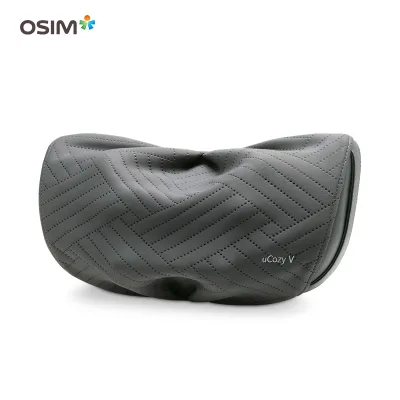
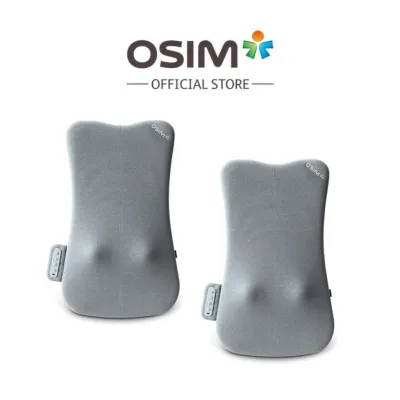
Prices are valid at publication and may change. Please refer to the product page for the latest price.
Key Features to Compare for Neck and Shoulder Relief
When evaluating any massage pillow, the design of the massage nodes is the most critical factor. Traditional Shiatsu-style pillows use rotating plastic or silicone nodes that mimic the kneading motion of a therapist’s hands. The effectiveness of this motion depends on the number of nodes, their height, and whether they offer bidirectional rotation to target muscles from different angles.
Heat therapy is another vital feature that enhances the massage experience. Gentle warmth helps to dilate blood vessels, improving local circulation and preparing tight muscle fibers for deeper kneading. When comparing devices, check the specifications for built-in thermal protection and automatic shutoff timers to ensure the heat remains within safe, comfortable limits.
Ergonomic contouring determines how well the pillow fits the natural curve of your cervical spine. A well-designed pillow should cradle your neck without forcing your head forward into an unnatural posture. If a device is too thick or rigid, it can actually increase muscle strain rather than relieve it.
Finally, consider the materials used in the pillow’s construction. Because these devices come into direct contact with your skin, breathable fabrics are essential for comfort, particularly in warm and humid climates. Look for models with removable, machine-washable covers to make long-term maintenance straightforward and hygienic.
Evaluating OSIM Massage Pillow Designs
OSIM massage pillows are widely recognized for their robust mechanical design and targeted kneading capabilities. Most models in their lineup feature contoured shapes specifically engineered to fit the curvature of the neck, shoulders, and upper back. This specialized structure allows the device to sit snugly against your chair or headrest during use.

The core strength of these designs lies in their powerful kneading mechanisms. They typically utilize dual-directional rotating nodes that apply firm, deep-tissue pressure to the trapezius and levator scapulae muscles. This intense kneading action is highly effective at breaking up stubborn muscle knots and relieving deep-seated tension.
Many users find that these pillows excel at delivering a focused, high-intensity massage that closely resembles manual therapy. The integration of localized heat further assists in softening tight tissues, making the deep pressure more tolerable and effective.
However, there are physical limitations to verify before purchasing. Because the massage nodes are set in a fixed housing, their spacing may not perfectly align with every body type. If you have a particularly narrow or broad frame, the nodes might press uncomfortably against your bones rather than your muscles, making a pre-purchase trial highly recommended.
Comparing Alternative Brand Approaches
While mechanical kneading is highly popular, alternative brands often employ different technologies to address neck and shoulder pain. For instance, some devices utilize Electrical Muscle Stimulation (EMS) or Transcutaneous Electrical Nerve Stimulation (TENS) technology. These systems use mild electrical pulses to stimulate muscles and nerves, offering a completely different sensation from physical kneading.
Other alternatives include air compression pillows, which use inflating and deflating chambers to gently stretch the neck, and high-frequency vibration pillows. These options are generally much lighter and quieter than mechanical kneading devices, making them excellent choices for travel or quiet office environments.
Form factors also vary significantly across the market. While some brands stick to the classic pillow shape, others offer wrap-around shawl designs with arm loops that allow you to manually adjust the massage pressure. There are also models equipped with adjustable strap systems, allowing you to secure the device firmly to various chair designs.
When comparing costs, keep in mind that price differences often reflect motor durability, battery life, and noise levels rather than just massage power. Budget-friendly options from online marketplaces may offer similar kneading actions initially, but premium models typically feature quieter motors and more durable internal gears that withstand daily pressure over time.
Decision Framework: Choosing the Right Relief
To choose the right device, you must match the technology to your specific physical condition and lifestyle. If you suffer from deep, chronic muscle knots in your shoulders and prefer a firm, intense massage, an OSIM-style mechanical kneading pillow is likely your best option. The deep physical manipulation and consistent heat are ideal for thick, stubborn muscle groups.
Conversely, if you have sensitive joints, suffer from mild tension, or prefer a gentle, soothing sensation, you should consider EMS, air compression, or vibration alternatives. These devices provide surface-level stimulation without putting heavy physical pressure on your cervical spine, making them much gentler on sensitive areas.
It is crucial to recognize when mechanical massage is not appropriate. If you have an acute spinal injury, a herniated disc, severe osteoporosis, or nerve compression, using a mechanical massage pillow can worsen your condition. In these scenarios, you must consult a medical professional before introducing any new therapy device.
Before making your final purchase, use this practical checklist to verify the device’s physical compatibility:
- Dimensions: Measure your favorite chair or office seat to ensure the pillow can be positioned comfortably.
- Power Source: Decide if you need a cordless, rechargeable model for portability, or if a corded model is acceptable. If corded, verify that the power cord length reaches your preferred seating area.
- Weight: Ensure the device is light enough for you to position easily without straining your arms.
- Return Policy: Confirm whether the retailer offers a trial period or a flexible return policy in case the node alignment does not suit your body shape.
Safe Usage and Maintenance Guidelines
Using a massage pillow safely is essential to prevent muscle bruising, skin irritation, or nerve inflammation. Most manufacturers recommend limiting massage sessions to 15 or 20 minutes at a time. Overusing the device can overstimulate your muscles, leading to increased soreness the following day.
Proper positioning is key to avoiding injury. Always place the pillow so that the rotating nodes target the soft muscle tissue on either side of your spine. Never allow the hard nodes to press directly against your vertebrae, windpipe, or collarbones, as this can cause bruising or nerve damage.
Maintaining your device ensures both hygiene and longevity. For pillows with removable covers, wash them regularly according to the manufacturer’s instructions to remove sweat and oils. For non-removable parts, gently wipe the surface with a slightly damp microfiber cloth after unplugging the device, avoiding any excess moisture near the internal motor.
Always pay attention to your body’s signals during use. If you experience sharp pain, dizziness, numbness, tingling, or skin irritation, stop the massage immediately. These symptoms indicate that the device is either positioned incorrectly or applying too much pressure for your body to handle safely.
Frequently Asked Questions (FAQ)
Can a massage pillow replace professional physiotherapy for neck pain?
No, a massage pillow cannot replace professional physiotherapy. These devices are designed solely for temporary muscle relaxation and general wellness, not for diagnosing or treating underlying medical conditions. If you suffer from chronic pain, restricted mobility, or are recovering from an injury, you must seek professional medical care. A physiotherapist can provide targeted exercises and manual therapies tailored to your specific condition, whereas a mechanical pillow offers only uniform, non-diagnostic physical pressure.
Is it safe to use a heated massage pillow every day?
Using a heated massage pillow daily is generally safe for healthy individuals, provided you limit sessions to the recommended 15 to 20 minutes. However, you must never fall asleep while using the device, as prolonged exposure to heat can cause low-temperature skin burns. Ensure your chosen model has an automatic shutoff feature to mitigate this risk. Additionally, individuals with diabetes, neuropathy, or any condition that reduces skin sensitivity should avoid using the heat function, as they may not feel when the temperature becomes dangerously high.

Community discussion
Share your experience or ask a question. Comments are reviewed before publication.