
Investing in a home wellness solution is a major step toward long-term physical health, and exploring the diverse range of osim massage chairs is a common starting point for many households. In Singapore, where high-stress lifestyles and long working hours are common, having a dedicated recovery space at home offers a convenient way to relieve muscle tension. However, because these chairs represent a significant financial and spatial investment, selecting the right model requires a careful balance of your physical wellness goals, household budget, and available floor space.
The current lineup of chairs is generally segmented into distinct tiers, ranging from compact, space-saving models to premium, feature-rich flagships. Compact models are designed to fit neatly into smaller living areas, such as HDB flats or cozy apartments, prioritizing essential back relief and space efficiency. Flagship models, on the other hand, offer comprehensive, full-body coverage with advanced customization options, making them ideal for dedicated wellness rooms or larger living areas.
There is no single “best” model that suits every individual. The ideal choice depends entirely on your personal physical constraints, such as height and weight, and your specific therapy preferences, whether you require deep-tissue muscle recovery or gentle relaxation. By understanding how these chairs are designed and what logistical factors to verify, you can make an informed decision that integrates seamlessly into your home and daily routine.
Products mentioned in this guide
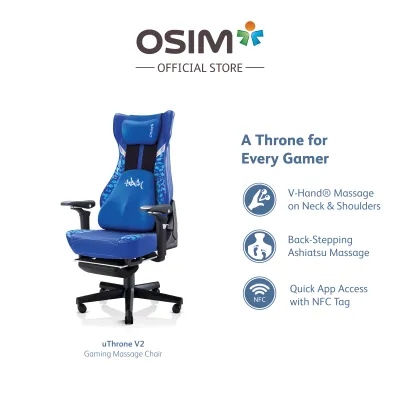
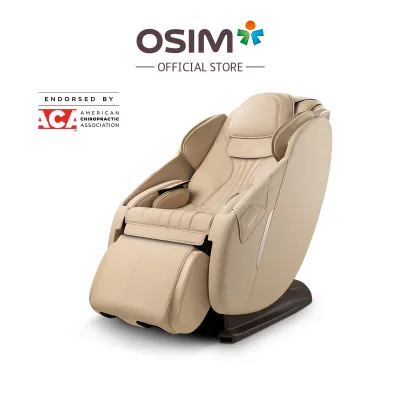
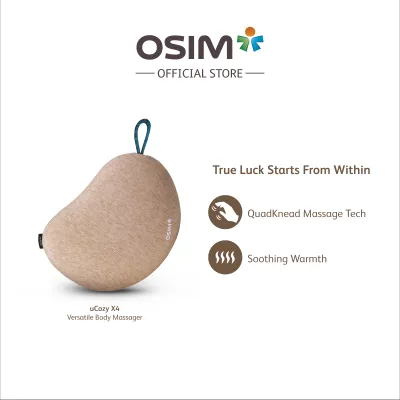
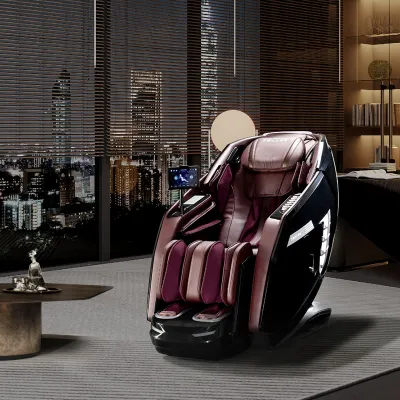
Prices are valid at publication and may change. Please refer to the product page for the latest price.
Essential Pre-Purchase Checks: Space, Clearance, and Setup
Before diving into the specific massage programs and technical features of different models, you must address the physical and logistical constraints of placing a large piece of furniture in your home. A massage chair is exceptionally heavy and bulky, meaning that delivery and placement require precise planning. Failing to measure your space beforehand can lead to expensive delivery failures or an unusable chair.
Start by measuring the designated floor footprint in the room where you plan to install the chair. Keep in mind that a chair’s upright dimensions do not represent its actual operational footprint. You must check the manufacturer’s specification sheet for the maximum length and height of the chair when it is fully reclined. Many models require a substantial amount of clearance behind the backrest and in front of the footrest to tilt backward safely without striking walls, windows, or adjacent furniture.
Next, carefully map out the entire delivery route from the building’s entrance to the final room. Measure the exact width and height of all doorways, hallway turns, elevator entrances, and stairwells. In many Singapore apartments, tight lift doors or narrow corridor corners present the most significant obstacles during delivery. Compare these home measurements against the manufacturer’s specified “minimum door width for delivery” to ensure the delivery team can safely transport the unit into your home.
You must also verify the weight capacity and user height range of the specific model you are considering. Every chair is engineered to operate within strict mechanical limits. Exceeding the specified weight capacity can strain the internal motors, accelerate wear on the drive belts, and potentially void your product warranty. Similarly, if a user’s height falls outside the recommended range, the massage rollers and airbags will not align correctly with their body, resulting in an uncomfortable or ineffective experience.
Consider the floor material and weight distribution in your chosen setup area. A typical full-featured massage chair can weigh well over 100 kilograms, and this weight is concentrated on small rollers or feet at the base of the frame. To prevent permanent indentations, scratches, or discoloration on delicate flooring like vinyl, parquet, or polished marble, plan to place a dedicated, high-density protective mat beneath the chair.
Finally, locate the nearest electrical outlet before finalizing your placement. Massage chairs require a stable, grounded power supply and should be plugged directly into a wall outlet rather than an extension cord to minimize electrical risks and tripping hazards. Ensure the power cord can reach the outlet easily without being pinched beneath the chair’s frame during recline transitions.
Core Technologies to Compare: Rollers, Airbags, and Recline
To compare different models effectively, you must understand the core technologies that drive mechanical massage therapy. The sophistication of these systems determines how closely the chair can mimic the hands of a professional masseuse and how targeted the relief will be. The primary components to evaluate are the roller mechanisms, the track design, the airbag system, and the recline capabilities.

Roller mechanisms are categorized by their axes of movement, typically described as 2D, 3D, or 4D. Basic 2D rollers move vertically along your spine and horizontally across your back. Advanced 3D rollers add depth control, allowing the mechanisms to protrude forward into your muscles to deliver a deeper, more intense massage. The most sophisticated 4D rollers dynamically adjust their speed and rhythm during the program, slowing down at tight muscle knots and speeding up over broader areas to simulate a human touch.
The track shape determines the path the rollers travel and the overall coverage area. An S-track follows the natural curve of your spine, focusing primarily on the neck, shoulders, and lower back. An L-track extends further down, traveling under the seat to massage the glutes and upper thighs. Modern premium chairs often utilize an SL-track, which combines the spinal contouring of the S-track with the extended lower-body reach of the L-track. Check the product specifications to confirm the exact track length and coverage of your preferred model.
Airbag compression zones work in tandem with the mechanical rollers to provide a full-body experience. These inflatable chambers are strategically placed around the shoulders, arms, hips, calves, and feet. When inflated, they apply firm pressure to compress the muscles, promoting circulation in the limbs. Additionally, the airbags hold your body securely in place, allowing the back rollers to apply deep, targeted pressure more effectively. Review the product label to see how many airbags are integrated and whether their intensity can be adjusted independently.
Heat therapy is another valuable feature that enhances muscle relaxation. Many models feature localized heating elements, typically located in the lumbar region or the footrest. The gentle warmth helps soothe stiff muscles, dilates blood vessels to improve local blood flow, and prepares the tissue for deeper roller penetration. If you are sensitive to heat or have specific circulatory concerns, verify whether the heating function can be turned off independently of the massage program.
Recline capabilities vary significantly between compact and flagship models. Most standard chairs offer motorized recline, but premium models feature zero-gravity positioning. This specific angle elevates your knees slightly above your heart, distributing your body weight evenly across the chair. This alignment reduces gravity’s pressure on your spine, relaxes the surrounding muscles, and allows for a deeper, more immersive massage experience. Check if the model has a space-saving slide-forward mechanism, which slides the chair forward as it reclines, minimizing the required wall clearance.
Matching OSIM Massage Chairs to Your Body Type and Budget
Finding the right chair requires matching your physical proportions and financial boundaries with the appropriate product tier. Because a massage chair is an ergonomic device, a model that feels perfect for one person may feel uncomfortable or ineffective for another. Understanding how body dimensions and budget trade-offs interact will help you narrow down your choices.
Your height, shoulder width, and leg length directly influence how well the chair’s therapeutic features align with your body. If a chair is too large, the shoulder airbags may squeeze your neck instead of your shoulders, and the neck rollers will miss their target entirely. If the chair is too small, your legs will feel cramped, and the footrest will not extend far enough to relieve tension in your calves and feet.
To address these variations, many mid-range and premium models incorporate automatic body scanning technology. When you start a program, the chair uses optical sensors or roller resistance to map your spinal curvature and locate your shoulders, adjusting the massage starting points automatically. For entry-level models that lack this feature, check if the chair allows you to manually adjust the roller height, width, and footrest extension length to accommodate different family members.
Budget is a major deciding factor that determines the level of customization and material quality you will receive. The market is generally divided into three broad price bands:
- Entry-Level (Under S$2,000): These are typically compact, sofa-style chairs that focus on essential back massage and basic recline. They are highly space-efficient but offer limited manual customization, fewer airbag zones, and simpler roller mechanisms.
- Mid-Range (S$3,000 to S$6,000): These models introduce comprehensive airbag coverage, basic body scanning, localized heat therapy, and SL-track roller systems. They offer a balanced mix of performance and value for average-sized households.
- Premium Flagship (Above S$7,000): These chairs feature advanced 4D roller technology, extensive customization via mobile apps, full-body airbag coverage, zero-gravity recline, and premium synthetic leather upholstery. They are designed for users who want the absolute highest level of therapeutic control.
Specifications alone cannot guarantee a perfect ergonomic match, which is why testing the chair in person is highly recommended. Visit an official brand showroom in Singapore to experience the chair firsthand. Sit in the chair for at least 15 to 20 minutes, testing different programs and intensity levels. Pay close attention to how the rollers feel against your spine and whether the seat remains comfortable and supportive even when the massage mechanism is turned off.
Additionally, consider the long-term ownership costs associated with your purchase. Ask the showroom staff about the availability and pricing of replacement parts after the warranty period expires. Because Singapore’s tropical climate can be highly humid, check the manufacturer’s care instructions regarding how the synthetic leather upholstery performs over time and what steps are required to prevent premature peeling or degradation.
The Decision Framework: Which Profile Fits You Best?
To finalize your choice, use this structured decision framework to determine which product profile aligns with your living space, household budget, and wellness requirements.
Choose a flagship full-body model if:
- You have a flexible budget and are looking for a long-term investment in comprehensive daily physical recovery.
- You have ample floor space in your living room or a dedicated study, and your doorways can easily accommodate a wide, heavy delivery.
- You require highly targeted, deep-tissue relief with advanced 4D rollers, automatic body scanning, and full-body airbag compression.
- Multiple family members of varying heights and body types will share the chair, requiring automated adjustment profiles.
Choose a compact or wall-hugging model if:
- You live in a smaller apartment or HDB flat where floor space is limited and you need to maximize your living area.
- Your primary goal is general relaxation, stress relief, and light back massage rather than intensive, deep-tissue physical therapy.
- You prefer a dual-purpose piece of furniture that can function as a comfortable lounge chair or recliner when the massage mechanism is inactive.
- You want to keep your initial investment within a modest budget while still enjoying reliable, basic mechanical massage features.
Neither profile may fit if:
- Your height or weight falls outside the manufacturer's stated safe operating limits, which could compromise safety and void the warranty.
- Your home's entryways, hallways, or elevators are narrower than the minimum clearance dimensions required for delivery, making installation impossible.
- You are looking for a medical device to cure a chronic spinal condition; mechanical chairs are designed for temporary relief and relaxation, not medical treatment.
Verify with a medical professional first if:
- You have pre-existing medical conditions, such as severe osteoporosis, spinal disorders, deep vein thrombosis, or active inflammation.
- You have recently undergone major surgery, have implanted medical devices like pacemakers, or are currently pregnant.
- You experience unexplained back pain or joint issues; always obtain medical clearance before exposing your body to the intense physical pressure of mechanical rollers.
Frequently Asked Questions (FAQ)
How much electricity does a massage chair use?
You can easily determine a massage chair’s power consumption by checking the wattage rating on its official product safety label. Most modern chairs consume between 100 and 300 watts during active operation, which is comparable to other mid-sized household appliances. To estimate your monthly operating cost, multiply the chair’s wattage by your typical daily usage duration and your local Singapore utility tariff rate. Most models feature built-in auto-shutoff timers that stop the massage after 15 to 30 minutes, preventing unnecessary power draw if you fall asleep.
What should I know about warranty and after-sales support?
Before making a purchase, verify the exact warranty terms directly with the official retailer, as coverage details can change. In Singapore, standard warranties typically cover mechanical parts and labor for a specified period, but coverage for the synthetic upholstery or cosmetic wear-and-tear may be limited or excluded. Understand the process for scheduling in-home repair services, and ask whether transport fees or diagnostic charges apply for service calls after the initial warranty period has expired.
How do I clean and maintain the upholstery?
To preserve the synthetic leather upholstery, perform regular, low-risk cleaning to remove sweat, skin oils, and dust. Wipe down the surface weekly with a soft, dry, or slightly damp microfiber cloth. Avoid using harsh chemical solvents, alcohol-based sanitizing wipes, or abrasive scrubbing pads, as these can dry out and crack the synthetic material, especially in Singapore’s humid climate. Always consult the manufacturer’s care label or official user manual for approved cleaning solutions and stain removal procedures.
Community discussion
Share your experience or ask a question. Comments are reviewed before publication.