
Determining whether the OSIM Lucky Stone represents the best value in its price tier depends heavily on how its specific feature set, roller track design, and physical dimensions align with your personal physical needs and the spatial realities of your home. In Singapore’s highly competitive wellness market, OSIM is a prominent brand known for its extensive retail presence, proprietary massage technologies, and robust local customer service. However, because individual comfort is highly subjective, identifying the “best” option requires comparing its core capabilities against competing models in the same price bracket. Before making a final decision, you should verify current retail pricing, active seasonal promotions, and specific warranty terms directly with authorized local dealers.
Evaluating Massage Performance and Core Features
To determine if a massage chair offers genuine value, you must look beyond aesthetic design and evaluate the mechanical systems that deliver the therapy. The effectiveness of any massage chair relies on a combination of roller technology, track configuration, airbag systems, and heat therapy.
Roller Mechanisms and Track Configurations
The movement of the massage rollers is the primary factor in how realistic and therapeutic the massage feels. In this price tier, chairs generally utilize 2D or 3D roller mechanisms. A 2D mechanism moves rollers vertically and horizontally along your back, while a 3D mechanism adds depth control, allowing the rollers to protrude forward or retract to adjust the intensity of the massage. Some premium models feature advanced speed variations, sometimes marketed as 4D, which attempt to mimic the rhythmic hands of a professional masseuse.
Products mentioned in this guide
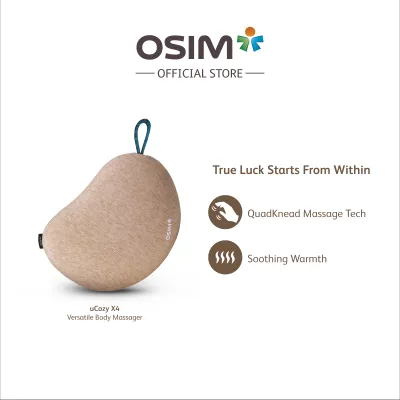
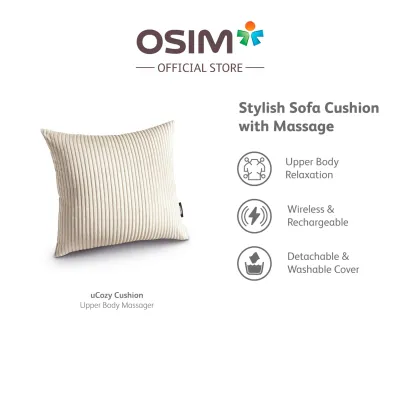
Prices are valid at publication and may change. Please refer to the product page for the latest price.
Equally important is the track layout. An S-track follows the natural curvature of your spine, focusing primarily on the neck, shoulders, and lower back. An L-track extends the roller path down past the lumbar region to reach the glutes and upper thighs. An SL-track combines both designs, offering the spinal contouring of an S-track with the extended coverage of an L-track. When comparing chairs, check whether the roller track length accommodates your height and targets your specific areas of tension.
Airbag Compression and Heat Therapy
While rollers target the back and neck, airbag compression systems are responsible for massaging the extremities. Airbags are typically positioned at the shoulders, arms, calves, and feet, inflating and deflating to promote circulation and relieve muscle fatigue. When comparing models, evaluate the number of airbags and, more importantly, their distribution. A well-designed chair allows you to adjust the compression intensity independently of the roller speed, preventing uncomfortable squeezing on sensitive areas.
Heat therapy is another critical feature that enhances the massage experience by dilating blood vessels and relaxing tight muscle fibers. Most chairs in this tier offer heating elements in the lumbar region, while some also provide heat in the calves or footrests. Verify whether the heating function can be toggled on or off independently of the active massage program, as personal heat tolerance varies, especially in Singapore’s warm, humid climate.
Customization and Program Navigation
A high-quality massage chair should offer a diverse range of pre-set automatic programs alongside robust manual customization options. Automatic programs are tailored for specific goals, such as morning revitalization, deep tissue recovery, or evening relaxation. Manual controls should allow you to adjust the roller width, speed, and target specific areas of your back.
The ease of navigating these settings is a major usability factor. Some chairs utilize traditional tethered remote controls with physical buttons, while others feature touch-screen tablets or companion smartphone applications. A clear, intuitive interface allows you to make seamless adjustments during your session without disrupting your relaxation.
Build Quality, Ergonomics, and Space Requirements
A massage chair is a significant physical addition to your home, requiring careful consideration of its build quality, durability, and physical footprint.

Upholstery Materials and Frame Durability
Most modern massage chairs are upholstered in high-quality synthetic leathers, such as Polyurethane (PU) or Polyvinyl Chloride (PVC). Synthetic materials are preferred over natural leather because they are more flexible and better equipped to handle the constant friction and stretching caused by moving rollers. PU leather is generally softer and more breathable than PVC, making it more comfortable in tropical climates, though it requires regular cleaning to prevent premature peeling from sweat and humidity.
When inspecting a chair, check the reinforcement of the stitching along high-stress seams and inquire about the durability of the internal frame. A robust steel frame ensures structural stability and longevity. Always check the manufacturer’s specified maximum weight capacity to ensure the chair is safe and stable for all intended users in your household.
Space-Saving Technology and Room Layouts
For many Singaporean homeowners living in HDB flats or condominiums, floor space is at a premium. Traditional massage chairs require substantial clearance behind the backrest to recline fully, which can make them difficult to place without blocking walkways. To address this, look for chairs equipped with space-saving or “zero-wall-clearance” technology. These models slide forward on their base as they recline, requiring only a minimal gap of 5 cm to 15 cm from the wall.
Before committing to a purchase, measure your designated room layout carefully. You must account for the chair’s fully reclined dimensions, ceiling height, and the clearance needed for footrest extensions. Additionally, measure the width of your main entrance, lift doors, and internal hallways to ensure the delivery team can safely transport the unboxed unit into your home without damaging your walls or the chair itself.
Noise Levels and Motor Operation
The quality of the internal motors and gearboxes directly affects both the noise level and the smoothness of the massage. A noisy chair with loud grinding, buzzing, or clicking sounds during roller transitions or airbag inflation can ruin a relaxing experience. While manufacturers rarely publish official decibel ratings, quieter operation is generally a strong indicator of precise engineering and high-quality internal components. Pay close attention to motor noise during your showroom test drive.
Price-to-Value Assessment: What to Expect in This Tier
Evaluating the true value of a massage chair requires looking beyond the initial purchase price to consider the total cost of ownership and the level of support you will receive over the product’s lifespan.
Defining the Mid-to-High-Tier Massage Chair Market
In Singapore, the mid-to-high-tier massage chair market is highly competitive, with multiple brands vying for attention. In this segment, you should expect a comprehensive set of features, including an SL-track design, at least 3D roller technology, multiple levels of airbag compression, lumbar heating, and space-saving recline capabilities. If a model lacks any of these core features, its value must be justified by superior build quality, unique proprietary programs, or exceptional customer service.
Warranty Coverage and After-Sales Support
Because massage chairs contain complex mechanical and electronic parts, a comprehensive warranty is essential for protecting your investment. Compare the warranty terms offered by different brands, paying close attention to what is covered under parts, labor, and the main drive motor.
Local after-sales support is a crucial consideration in Singapore. A brand with a dedicated local service center and a team of qualified technicians can resolve issues much faster than a brand that relies on third-party contractors or requires shipping parts from overseas. Additionally, inquire about the availability and cost of replacement upholstery panels, as synthetic leather may eventually need replacement after several years of regular use.
Delivery Logistics and Hidden Costs
The advertised retail price of a massage chair does not always represent the final cost. When comparing options, clarify whether delivery, professional installation, and packaging disposal are included in the price.
In Singapore, some residential buildings have narrow staircases or lack direct lift access to certain floors, which may incur additional manual handling charges from the delivery team. If you are replacing an old massage chair, ask if the retailer offers a disposal or trade-in service, and verify any associated fees for removing and hauling away the old unit.
Decision Framework: Which Chair Fits Your Needs?
To make an informed decision, weigh the specific strengths of the OSIM Lucky Stone against your personal priorities and home environment.
When to Choose the OSIM Lucky Stone
- Ergonomic Fit: The chair's physical contours and roller depth align perfectly with your body shape, providing effective relief to your primary tension areas.
- Compact Design: You have limited space in your living room or bedroom, and the chair's dimensions fit comfortably within your layout without disrupting traffic flow.
- Local Support: You value the peace of mind that comes with a highly established brand in Singapore with a widespread network of physical showrooms and dedicated local customer service.
When to Consider Alternatives
- Extended Height Requirements: You are taller than average and require a chair with a longer SL-track or a more adjustable footrest to ensure full-body coverage.
- Granular Manual Control: You prefer highly detailed control over individual roller movements, speed, and airbag pressure, which some competitor models may prioritize.
- Longer Warranty Terms: A competing brand offers a significantly longer comprehensive warranty or lower estimated costs for out-of-warranty repairs.
Key Pre-Purchase Verifications
- Measure Access Routes: Verify the exact dimensions of your home's main doorway, lift entrance, and hallway corners against the chair's delivery specifications.
- Conduct an In-Store Trial: Spend at least 15 to 20 minutes testing the chair in a showroom, trying multiple automatic and manual programs to assess comfort and noise levels.
- Confirm the Final Quote: Get a written breakdown of the final price, including delivery fees, installation charges, disposal fees, and the exact warranty terms.
Frequently Asked Questions (FAQ)
How much space do I need to leave behind a massage chair?
The required clearance behind a massage chair depends on its recline mechanism. Chairs with space-saving or zero-wall-clearance technology slide forward as they recline, requiring only 5 cm to 15 cm of space behind the headrest. Traditional massage chairs that tilt backward without sliding forward typically require 30 cm to 50 cm of clearance. Always check the specific product manual for the exact clearance requirements of your chosen model.
Are massage chairs safe for daily use?
For most healthy individuals, massage chairs are safe for daily use. Manufacturers generally recommend limiting sessions to 15 to 30 minutes, once or twice a day, to avoid overstimulating muscles or causing soreness. If you have specific medical conditions—such as osteoporosis, deep vein thrombosis, spinal injuries, pregnancy, or an implanted medical device like a pacemaker—you must consult a qualified healthcare professional before using a massage chair.
What should I check during an in-store test drive?
During an in-store trial, focus on physical comfort, mechanical noise, and ease of use. Ensure the rollers align comfortably with your spine and neck without causing sharp discomfort. Check if the airbag compression on your shoulders, arms, and legs is adjustable and fits your body shape. Navigate the controller or app interface to ensure it is intuitive, and listen closely to the motors to verify they operate quietly during transitions.
Community discussion
Share your experience or ask a question. Comments are reviewed before publication.