
Choosing a premium massage chair is a significant investment in your long-term physical well-being, especially when navigating the competitive offerings of industry giants like Ogawa and OSIM in Singapore. Neither brand stands as an absolute, universal winner for every household. Instead, the ideal choice depends on your specific physical needs, budget constraints, and the spatial layout of your living space.
OSIM is widely recognized for its premium lifestyle aesthetics, smart-home app integrations, and sleek designs that blend seamlessly into modern urban decor. Ogawa, on the other hand, frequently appeals to users seeking robust, therapeutic-focused roller mechanisms, deeper massage intensities, and highly competitive pricing in the mid-to-high-end segments. While technical specifications provide an essential starting point, your personal comfort during an in-person trial remains the ultimate deciding factor.
Brand Positioning and Design Philosophy
To understand which brand aligns with your home, it helps to examine how each approaches wellness and product design. OSIM, a homegrown Singaporean brand with a massive global footprint, positions its products as high-end lifestyle statements. Their chairs are designed not just as recovery tools, but as central pieces of living room furniture. OSIM frequently collaborates with international designers to create sleek, compact profiles featuring polished finishes, modern color palettes, and ambient lighting. Their marketing emphasizes holistic wellness, sensory experiences—such as built-in aroma diffusers and synchronized audio—and cutting-edge smart-home ecosystem integration.
Products mentioned in this guide
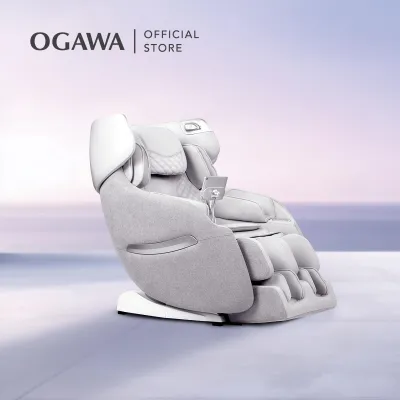
Prices are valid at publication and may change. Please refer to the product page for the latest price.
Ogawa takes a design approach deeply rooted in traditional massage mastery and ergonomic engineering. While their modern chairs are undeniably stylish, Ogawa prioritizes physical cradling, structural support, and targeted physiological recovery. The brand’s philosophy centers on replicating the precise touch, pressure, and techniques of professional masseuses. Consequently, Ogawa chairs often feature plush, generous cushioning and highly customizable mechanical settings. This focus makes them a popular choice for users who prioritize physical therapeutic relief over smart-home connectivity or minimalist design aesthetics.
When evaluating these philosophies, consider your household’s daily habits and aesthetic preferences. If you want a chair that coordinates effortlessly with contemporary, minimalist decor and offers app-controlled wellness programs, OSIM’s design language may appeal to you. If you prefer a dedicated, deeply padded recovery station where mechanical precision and physical comfort take precedence over digital lifestyle features, Ogawa’s product line deserves close attention.
Core Feature Comparison: Massage Technology and Comfort
Comparing the technical specifications of massage chairs requires looking past marketing terminology to evaluate the underlying mechanics. Both brands utilize sophisticated engineering, but they prioritize different aspects of the physical massage experience. Understanding these mechanical differences will help you assess product labels and official spec sheets during your search.

Track Systems and Roller Mechanics
The roller track is the backbone of any massage chair, determining how far and how accurately the massage nodes travel along your body. Standard track designs include S-tracks, which follow the natural curve of your spine from the neck to the lower back, and L-tracks, which extend further down to cover the glutes and upper thighs. Most modern premium models from both Ogawa and OSIM utilize SL-tracks, combining the spinal contouring of an S-track with the extended reach of an L-track.
Roller mechanics are typically categorized as 2D, 3D, or 4D systems:
- 2D Rollers: Move vertically (up and down) and horizontally (left and right) along a flat plane.
- 3D Rollers: Add depth movement (in and out), allowing the chair to adjust the protrusion distance of the massage nodes to control intensity.
- 4D Rollers: Introduce real-time speed variations to the 3D movement, mimicking the natural acceleration and deceleration of human hands.
When comparing models, check the manufacturer’s specified track length in centimeters. A longer track ensures that taller users receive consistent coverage from the neck down to the hamstrings. Additionally, verify whether the roller depth is manually adjustable across multiple levels. This adjustment is crucial if multiple family members with different pain tolerances will share the chair.
Airbag Compression and Heat Therapy
Airbag compression systems target areas that mechanical rollers cannot easily reach, such as the shoulders, outer arms, hips, calves, and feet. These airbags inflate and deflate in programmed sequences, compressing muscles to promote circulation and assist with lymphatic drainage. When evaluating this feature, do not simply look for the highest number of airbags; instead, focus on the number of independent inflation zones and adjustable intensity levels.
Heat therapy works in tandem with mechanical rollers and airbags to loosen tight muscle fibers and enhance blood flow. Most mid-range and premium chairs offer lumbar heating, but advanced models expand this to the calves and feet.
Because Singapore’s tropical climate brings high humidity, heat therapy can occasionally lead to sweating during a session. To ensure long-term comfort, check if the heating elements can be turned off independently of the massage program. It is also wise to inspect the breathability of the synthetic leather upholstery in these heated zones, ensuring it is easy to wipe down and clean after use.
Space-Saving and Recline Features
Zero-gravity positioning is an ergonomic feature that reclines the chair to an angle where your knees are elevated slightly above your heart. This alignment distributes your body weight evenly across the chair, reducing spinal pressure and allowing the massage rollers to penetrate deeper. While highly beneficial, fully reclining a massage chair requires a substantial amount of physical space.
For residents living in compact HDB flats or condominiums, “wall-hugging” or space-saving technology is a critical consideration. Traditional massage chairs require up to 50 centimeters of clearance behind the backrest to recline fully. In contrast, wall-hugging models slide forward on a curved base rail as they recline, requiring as little as 5 to 10 centimeters of clearance from the wall.
Before finalizing a purchase, measure your designated room space carefully and compare it against the manufacturer’s required clearance dimensions. Do not forget to verify the delivery dimensions as well. Many premium chairs are delivered as large, heavy, single-unit modules. Ensure your front door, hallways, and lift access can accommodate the chair’s minimum packaging width—which often ranges from 75 to 85 centimeters—to avoid delivery complications.
Pricing, Value, and Budget Considerations
Investing in a massage chair involves navigating distinct pricing tiers, each offering varying levels of technology and customization. While exact retail prices fluctuate due to promotions and seasonal campaigns, understanding these general market bands in Singapore dollars (SGD) can help you establish a realistic budget:
- Entry-Level (Under S$2,000): Typically features basic 2D rollers, standard S- or L-tracks, manual footrest extensions, and limited airbag coverage. These models are highly compact but offer fewer customization options.
- Mid-Range (S$2,000 to S$5,000): Generally includes 3D rollers, comprehensive SL-tracks, localized heat therapy, automated body-scanning technology, and space-saving wall-hugging designs.
- Flagship (S$6,000 to S$10,000+): Offers advanced 4D mechanics, AI-driven tension detection, multi-zone heating, premium synthetic or genuine leather upholstery, and extensive app-based customization.
To evaluate true value for money, look beyond the initial retail price and assess the cost-per-use over the chair’s expected lifespan. A S$4,000 mid-range chair used daily over a five-year period costs approximately S$2.20 per day, making it a highly cost-effective alternative to regular professional massage therapy. When comparing brands, determine whether a higher price tag is justified by improved mechanical components and therapeutic features, or if you are paying a premium for lifestyle extras like designer branding, built-in entertainment systems, or smart-home connectivity.
Be mindful of hidden costs that may not be included in the initial sticker price. Always ask the retailer if delivery, professional installation, and the disposal of your old furniture are included in the purchase price. Additionally, inquire about extra charges for non-lift accessible floors, as moving a 100-kilogram chair up stairs requires specialized labor. To secure the best value, consider purchasing during major local shopping events such as the Great Singapore Sale (GSS), year-end roadshows, or national holiday promotions. Always buy directly from official brand boutiques or authorized department store counters to ensure your warranty remains valid.
After-Sales Support, Warranty, and Maintenance in Singapore
Because a massage chair is a complex electro-mechanical device containing multiple motors, air pumps, and electronic boards, after-sales support is a vital component of your purchase. Before buying, visit the official Singapore websites of both brands to verify their current warranty structures. Look closely at what the warranty covers: a comprehensive warranty that includes both parts and labor is far more valuable than a limited warranty that only covers the structural frame.
Confirm that the warranty includes on-site servicing. Given the weight and bulk of these chairs, carry-in service is highly impractical. Reputable brands in Singapore typically offer one to two years of local on-site warranty coverage, with options to purchase extended protection. It is also beneficial to research the availability of local service centers and average technician response times, as prompt support minimizes downtime if a component requires replacement.
Proper home maintenance is essential to prolonging your chair’s lifespan, particularly under Singapore’s high humidity levels. The tropical climate can accelerate the degradation of synthetic polyurethane (PU) leather, leading to peeling or cracking over time.
To preserve your investment, implement the following care routine:
- Positioning: Place the chair away from direct sunlight to prevent the upholstery from drying out, fading, or cracking.
- Cleaning: After each session, wipe down the upholstery with a dry or slightly damp microfiber cloth to remove sweat, body oils, and dust. Avoid harsh chemical solvents or alcohol-based cleaners unless they are explicitly approved in the manufacturer's care instructions.
- Environmental Control: If possible, position the chair in a well-ventilated room or use a dehumidifier to maintain stable ambient moisture levels.
- Mechanical Care: Run the massage chair at least once a week, even for a short demo cycle. Regular operation keeps the internal lubricants distributed across the gears and prevents mechanical joints from seizing up.
- Pet Protection: Keep pets away from the chair when it is in motion to prevent claws from puncturing the airbags or synthetic leather.
Final Verdict: How to Make Your Decision
To finalize your choice between Ogawa and OSIM, align your personal wellness priorities and home environment with the strengths of each brand.
Choose OSIM if:
- You prioritize a sleek, modern, and compact design that serves as a stylish addition to your home decor.
- You highly value smart-home integration, frequent app-based software updates, and customized wellness programs.
- You appreciate a wide, high-profile network of retail showrooms across Singapore, making physical testing and customer service highly accessible.
Choose Ogawa if:
- You are looking for deep, therapeutic muscle relief with a strong emphasis on mechanical precision and traditional massage techniques.
- You want to maximize physical specifications—such as roller depth, track length, and manual customization—relative to your budget.
- You prefer a plush, deeply cushioned seating experience that prioritizes physical comfort and ergonomic support.
Verify first if:
- You have strict spatial limitations in your apartment; measure your designated floor area, required wall clearance, and all doorway entry widths.
- You have pre-existing medical conditions, such as severe osteoporosis, spinal injuries, or cardiovascular implants; consult a qualified medical professional before using any motorized massage equipment.
- You have confirmed the exact delivery logistics, including lift accessibility and potential disposal services for your existing furniture.
Ultimately, no online comparison can replace the experience of physical testing. Visit local showrooms in Singapore and spend at least 15 to 20 minutes experiencing a full program cycle on your shortlist of models. Pay close attention to how the rollers fit your spinal curve, the comfort of the airbag compression, and the ease of operating the control interface before making your final investment.
Frequently Asked Questions (FAQ)
Can I trade in my old massage chair when upgrading?
Yes, trade-in promotions are relatively common in Singapore. Both Ogawa and OSIM occasionally run trade-in campaigns during major roadshows or new product launches. These programs allow you to exchange your old massage chair—often regardless of the brand or its operational condition—for a discount on a new, mid-to-high-tier model. The retailer will typically handle the logistics of removing and disposing of your old chair when delivering the new one. If no trade-in promotion is active, HDB residents can contact their local Town Council to arrange for free bulky household waste removal, while private estate residents will need to engage a licensed public waste collector.
How much electricity does a massage chair consume?
Modern massage chairs are highly energy-efficient and draw relatively little power. Most models operate with a rated power consumption between 100 and 250 Watts, which is comparable to running a desktop computer or a large television. If you use the chair for one hour every day, the impact on your monthly utility bill will be minimal—typically costing less than S$2 to S$5 per month, depending on prevailing SP Group electricity tariffs. Energy consumption may increase slightly when using continuous heat therapy or running multiple heavy-duty motors simultaneously. To prevent unnecessary standby power draw, remember to turn off the main power switch at the base of the chair when it is not in use.
Community discussion
Share your experience or ask a question. Comments are reviewed before publication.