
Choosing a massage chair in Singapore is a major home investment that requires balancing physical comfort, available floor space, and long-term financial value. When comparing the market’s two most prominent brands, Ogawa and OSIM, there is no single option that suits everyone. The ideal choice depends on your physical needs, your aesthetic preferences, and how you plan to integrate the appliance into your living space.
OSIM is widely recognized for its lifestyle-centric approach, premium design aesthetics, and smart home integration. The brand focuses heavily on modern, compact designs that double as stylish furniture pieces, making them particularly appealing for space-conscious urban homes. OSIM chairs frequently feature proprietary wellness technologies, such as stress-tracking biometric sensors and synchronized dual-massage mechanisms.
Ogawa, on the other hand, leans into a therapeutic, mechanical philosophy. The brand is highly regarded for its robust build quality, deep-tissue massage capabilities, and extended track designs that offer comprehensive physical coverage. Ogawa often appeals to users who prioritize physical recovery, deep muscle relief, and a highly customizable, traditional massage experience at a competitive price-to-performance ratio.
Products mentioned in this guide
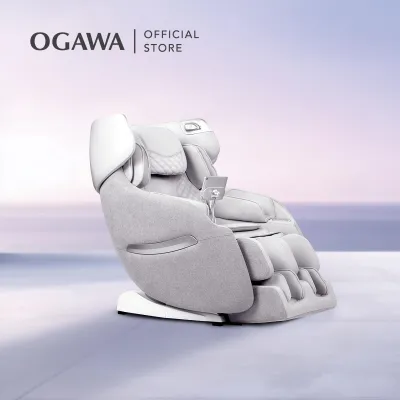
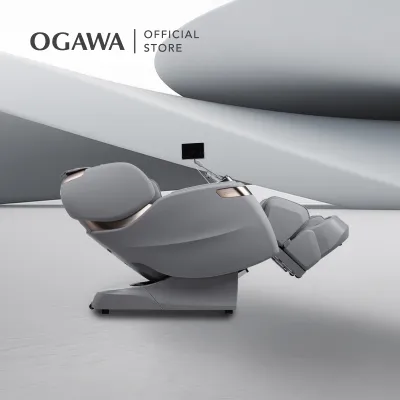
Prices are valid at publication and may change. Please refer to the product page for the latest price.
To make an informed decision, you must evaluate how each brand aligns with your daily physical demands, your home’s layout, and your long-term budget. Comparing their technology, structural designs, and after-sales support will clarify which brand provides the right balance for your household.
Brand Positioning and Design Philosophy
OSIM has positioned itself as a premium wellness lifestyle brand, designing products that aim to elevate both physical well-being and home decor. Their design language is characterized by sleek, futuristic curves, high-gloss finishes, and a modern color palette designed to complement contemporary interior design. OSIM chairs are engineered with space optimization in mind, recognizing that many consumers in Singapore live in high-density housing like HDB flats or condominiums where every square meter counts. Consequently, their models often feature slimmer profiles and multi-functional designs that allow the chair to serve as a standard lounge recliner or lounger when the massage functions are inactive.
Ogawa adopts a design philosophy deeply rooted in physical therapy and traditional massage techniques. While modern Ogawa models are stylish, they generally retain a more substantial, robust, and clinical appearance. The brand prioritizes structural presence and physical cushioning, which often results in a larger footprint compared to OSIM’s compact models. Ogawa’s aesthetic focuses on conveying comfort and durability, utilizing plush upholstery and deep-seated contours that invite the user to sink in for an intensive, full-body treatment. This approach appeals to those who view the massage chair primarily as a dedicated therapeutic recovery station rather than a dual-purpose furniture accent.
When evaluating these design philosophies for your home, you must consider the visual and physical impact of the chair. A larger, more robust chair may offer a highly immersive physical experience but can easily overwhelm a small living room or study. Conversely, a highly compact, lifestyle-focused chair might blend seamlessly into your decor but may not provide the deep, enveloping physical containment you desire during a high-intensity massage session. Measure your intended space carefully and consider whether you want the chair to be a subtle addition to your room or a dedicated wellness zone.
Massage Technology and Features Compared
Roller Systems and Track Designs
The core of any massage chair is its internal mechanical track and roller system, which determines how effectively the machine simulates human hands. OSIM focuses heavily on proprietary, specialized roller technologies designed to mimic specific massage techniques. For example, their V-Hand technology is engineered to replicate the precise gripping and kneading motions of a professional masseuse’s hands, targeting the neck and shoulders with a realistic pinching sensation. OSIM also utilizes dual-massage mechanisms in high-end models, allowing independent rollers to massage the upper and lower body simultaneously, which reduces overall session times while maximizing coverage.

Ogawa emphasizes long, continuous mechanical coverage and robust deep-tissue penetration. Many Ogawa chairs are built around extended SL-track designs. An SL-track combines the ergonomic curvature of an S-track (which follows the natural curve of the human spine) with the extended reach of an L-track (which runs from the neck down to the lower back and extends under the seat to target the glutes and hamstrings). Ogawa’s roller mechanisms are highly regarded for their depth of protrusion, often referred to as 3D or 4D massage technology. This allows the rollers to extend forward into the muscle tissue, delivering a firm, deep-tissue massage that is highly effective for relieving chronic muscle tightness and fatigue.
To determine which system suits you, check the technical specifications of the models you are considering. If you suffer from lower back stiffness or glute fatigue, verify that the chair features a true SL-track with a length of at least 1.2 to 1.3 meters to ensure full-body coverage. If your primary issues are concentrated in the neck and shoulders, focus on testing the roller adjustability and width customization. It is highly recommended to test these chairs in person to ensure the roller pressure and mechanical movements align comfortably with your height, shoulder width, and pain tolerance.
Customization, Programs, and Smart Controls
Digital connectivity and intelligent customization have become standard features in modern massage chairs, though each brand approaches user interaction differently. OSIM integrates advanced smart features into its ecosystem, often utilizing app-based controls, Bluetooth connectivity, and biometric scanning. Some OSIM models feature stress-analysis technology that measures biometric data, such as heart rate and respiratory rate, to estimate your physical stress levels. The chair’s software then automatically customures a massage program tailored to address those specific tension areas. Furthermore, OSIM frequently updates its digital library, allowing users to download new massage programs directly to their chairs via a smartphone app.
Ogawa provides highly detailed manual customization options, allowing users to fine-tune their massage experience down to the precise location, speed, width, and intensity of the rollers. While Ogawa models also feature automated body-scanning technology to detect shoulder height and spine curvature, their systems are designed to give the user maximum manual control over the physical parameters of the massage. Ogawa’s control interfaces often consist of comprehensive physical remote controls or dedicated tablet mounts, which provide a direct, tactile way to adjust settings without relying heavily on external mobile applications.
Before finalizing a purchase, consider the long-term usability of these control systems, especially if multiple family members of different ages will use the chair. Older adults may find physical remotes with clear, tactile buttons much easier to navigate than smartphone apps or complex touchscreens. Additionally, verify whether any of the advanced smart features or downloadable programs require a stable home Wi-Fi connection, specific smart home ecosystems, or ongoing app subscriptions, as these factors can affect the daily convenience and overall cost of operating the chair.
Build Quality, Upholstery, and Space Planning
Space Requirements
Integrating a massage chair into a Singapore home requires careful spatial planning. Because these chairs recline to distribute body weight evenly—often utilizing a “zero-gravity” position—they require physical clearance both in front of and behind the chair. Many modern models from both brands feature “wall-hugging” technology, which slides the chair forward on its base as it reclines, requiring only a few centimeters of clearance from the wall. You must verify the exact fully reclined dimensions in the manufacturer’s specification sheet before purchasing.
Beyond the final placement, you must plan the delivery route. Measure the width of your home’s entryways, hallway corners, and, crucially, the lift doors of your HDB or condominium. Some large-format massage chairs cannot be easily disassembled for transport, meaning a narrow doorway or a small lift can present significant delivery obstacles. Always consult the retailer regarding the minimum clearance required for delivery and installation.
Upholstery and Materials
The high humidity of Singapore’s tropical climate poses a unique challenge for synthetic leathers, which are standard on almost all massage chairs due to their flexibility and ease of cleaning. Most brands use high-grade Polyurethane (PU) or Polyvinyl Chloride (PVC) synthetic leathers, sometimes branded under proprietary names. PU leather is generally softer, more breathable, and feels closer to genuine leather, but it can be susceptible to peeling or cracking over time if exposed to sweat, humidity, and direct sunlight. PVC is highly durable and resistant to moisture, but it can feel stiffer and less breathable during long sessions.
To maximize the lifespan of your chair’s upholstery, check the manufacturer’s care labels. Avoid placing the chair in direct sunlight, such as next to a large living room window, as UV rays accelerate the breakdown of synthetic materials. Regularly wipe down the upholstery with a dry or slightly damp microfiber cloth after use to remove body oils and sweat, and never use harsh chemical solvents or alcohol-based cleaners unless they are explicitly approved by the manufacturer.
Structural Stability
A high-quality massage chair must have a stable, robust frame to support the mechanical forces exerted by the rollers and airbags. When reviewing specifications, check the maximum user weight capacity, which typically ranges from 100 kg to 150 kg depending on the model’s structural design. A heavier, wider base generally offers better stability, preventing the chair from shifting or creaking during intensive massage programs. Ensure the chair rests on a flat, level floor, and consider using a dedicated protective floor mat to distribute the weight and protect your flooring from indentation.
Pricing Tiers and Value for Money
Massage chairs represent a significant financial commitment, with prices spanning several distinct tiers. OSIM’s pricing structure typically reflects its premium brand positioning, extensive marketing campaigns, and high-profile retail showrooms. Their entry-level models—often compact massage sofas or targeted leg massagers—occupy the lower price bands, while their mid-range and flagship models sit in the premium price brackets. When you purchase an OSIM, a portion of the cost covers the brand’s lifestyle ecosystem, proprietary smart technologies, and sleek aesthetic designs.
Ogawa is often perceived as offering high value for money, particularly for consumers who prioritize mechanical features over digital lifestyle additions. For a similar budget, Ogawa models may offer more advanced roller mechanisms, longer SL-tracks, or a greater number of compression airbags than a similarly priced competitor. Ogawa frequently runs promotional bundles, seasonal sales, and trade-in programs in Singapore, making their mid-to-high-end therapeutic chairs highly accessible to value-conscious buyers who want robust physical performance without paying a premium for brand lifestyle associations.
When calculating the total cost of ownership, look beyond the retail price tag. Verify whether the listed price includes essential services such as:
- Delivery and assembly fees: Some retailers charge extra for delivery to high floors or locations without direct lift access.
- Disposal fees: If you are replacing an old massage chair or bulky armchair, check if the company offers a disposal service and whether it is complimentary or requires an additional fee.
- Extended warranty options: Protecting your investment with an extra year or two of coverage can prevent high repair bills later.
To ensure your warranty remains valid, always purchase directly from official brand showrooms, authorized department stores, or the brands’ official flagship stores on major e-commerce platforms. Avoid purchasing from unauthorized third-party parallel importers, as these products may not be covered by local service centers and may use electrical configurations not optimized for Singapore’s voltage standards.
Warranty, Maintenance, and After-Sales Support
Warranty Coverage
Given the complex mechanical and electronic components inside a massage chair, comprehensive warranty coverage is essential. In Singapore, official purchases typically come with a standard manufacturer’s warranty, but the terms can vary significantly between brands and specific models. It is crucial to read the fine print of the warranty agreement before committing to a purchase. Pay close attention to what is explicitly covered and the duration of each component’s coverage:
- Mechanical parts and motors: These are the workhorses of the chair and are highly susceptible to wear and tear. Ensure they are covered for at least one to two years.
- Electronic boards and remote controls: Power surges or electronic glitches can render a chair unusable. Verify if the warranty covers full replacement of these parts.
- Upholstery and leather peeling: Many standard warranties explicitly exclude synthetic leather peeling or cracking, classifying it as wear and tear. Check if there are specific structural warranties that cover the frame separate from the cosmetic elements.
- Labor and transport fees: Some warranties cover replacement parts but charge a fee for the technician's transport and labor to perform the repair on-site.
Service Network
Both OSIM and Ogawa maintain established local service networks in Singapore, which is a major advantage over lesser-known or online-only brands. Having a local presence means that if a mechanical issue arises, you can easily contact technical support and arrange for an on-site technician to inspect the chair. When comparing the brands, ask about their typical response times for service requests and the availability of spare parts for older models. A brand with a larger, more responsive local service team can significantly reduce the downtime of your chair if a repair is needed.
Maintenance Routines
To minimize the need for professional repairs, establish a simple, low-risk maintenance routine. Always unplug the massage chair from the electrical outlet when it is not in use for extended periods to protect the sensitive electronic control boards from power surges. Keep liquids, pets, and sharp objects away from the chair to prevent puncture damage to the airbags and upholstery. If you notice any unusual squeaking, grinding noises, or mechanical resistance during operation, stop using the chair immediately and consult the user manual’s troubleshooting section or contact customer service. Attempting to self-repair or lubricate the internal mechanisms can void your warranty and compromise safety.
How to Choose: Decision Framework
To finalize your decision between Ogawa and OSIM, evaluate your household’s requirements against this condition-based framework:
Choose OSIM if:
- You have limited floor space and require a compact, space-saving chair that blends seamlessly into a modern apartment.
- You prioritize advanced smart features, such as biometric stress tracking, app-controlled customization, and regular software updates.
- You prefer a sleek, premium aesthetic and are willing to pay a premium for a lifestyle-focused brand experience.
- You want a multi-functional chair that can easily double as a standard, stylish living room recliner.
Choose Ogawa if:
- Your primary goal is physical recovery, deep-tissue pain relief, and intensive muscle therapy.
- You want maximum mechanical value for your budget, such as a longer SL-track or more advanced 3D/4D roller penetration at a competitive price.
- You prefer a plush, deeply cushioned, traditional massage chair feel that prioritizes physical containment and comfort over a minimalist footprint.
- You prefer straightforward, tactile physical controls and remotes over smartphone apps.
Verify first if:
- Medical Conditions: If you have chronic spinal issues, osteoporosis, sensory nerve damage, a pacemaker, or have recently undergone surgery, you must consult a qualified healthcare professional before using any massage chair.
- Space Limitations: Measure your doorways, hallways, and lift dimensions to ensure the physical chair can be safely delivered and installed in your home.
- User Physical Profiles: Ensure the chair's maximum weight capacity and height limits comfortably accommodate all intended users in your household.
Frequently Asked Questions (FAQ)
Can I use Medisave or health insurance to pay for a massage chair in Singapore?
Massage chairs are generally classified as wellness, lifestyle, or home comfort appliances rather than certified medical devices. Consequently, standard health insurance policies and Medisave accounts in Singapore do not cover the purchase of a massage chair.
Even if you use the chair to manage chronic back pain or muscle tension, the Ministry of Health (MOH) guidelines do not permit Medisave withdrawals for commercial wellness products. In exceptionally rare cases, a specialized medical rehabilitation device might qualify for specific subsidies if it is formally prescribed by a registered medical practitioner for a diagnosed clinical condition and approved by the relevant government bodies. For standard consumer models purchased from retail showrooms, you should expect to fund the purchase entirely out-of-pocket.
How much electricity does a massage chair typically consume?
The electricity consumption of a massage chair is relatively low and is unlikely to cause a significant increase in your monthly household utility bill. Most standard massage chairs have a rated power input ranging between 100 Watts and 250 Watts, which is comparable to operating a desktop computer or a large television.
Your actual power consumption will vary based on the specific features you use during a session. Features like carbon fiber heating elements, foot rollers, and continuous airbag compression require slightly more power than a basic roller-only massage.
To estimate the running cost, check the rated wattage on the product specification label. For example, if a chair is rated at 150 Watts (0.15 kW) and is used for one hour every day, it consumes approximately 4.5 kWh of electricity per month. Multiplying this by the prevailing local electricity tariff rate in Singapore will give you the exact monthly cost, which typically amounts to less than S$2.00 per month under standard residential usage patterns.
Community discussion
Share your experience or ask a question. Comments are reviewed before publication.