
Choosing between Ogawa and Fujitec for your Singapore home involves balancing personal comfort, available space, and long-term support. Both brands are prominent fixtures in local shopping malls and showrooms, offering a wide array of wellness technology designed to relieve stress and physical tension. Because a massage chair is a significant financial investment and a permanent addition to your living space, understanding how to systematically compare their features, build quality, and warranty terms is essential to finding the perfect fit.
Defining Your Massage Chair Requirements
Before stepping into a showroom, clarify who will use the chair and what physical needs they hope to address. A user seeking targeted lower-back pain relief requires a different mechanical focus than someone looking for general relaxation or shoulder tension release. Discussing these needs with your household ensures the selected model accommodates varying heights, body shapes, and sensitivity levels.
Spatial constraints are a critical consideration for Singapore apartments, where floor area is often limited. You must measure the designated spot in your living room or bedroom, keeping in mind both the upright and fully reclined dimensions of the chair. Additionally, measure your doorways, corridors, elevator doors, and any tight staircase turns to guarantee the delivery team can safely transport the unit into your home without damage.
Products mentioned in this guide
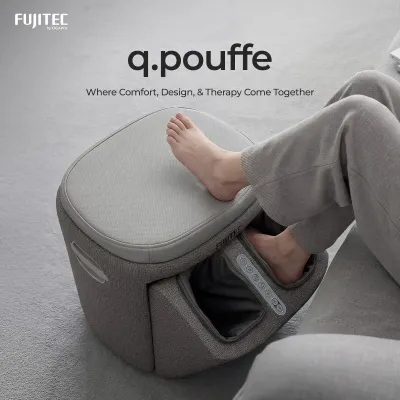
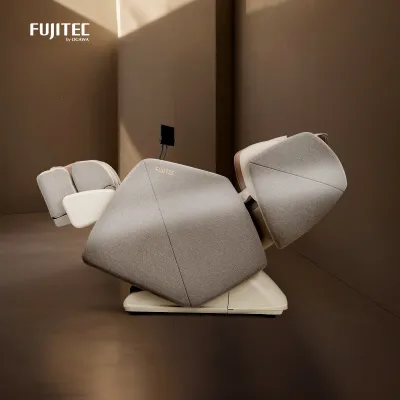
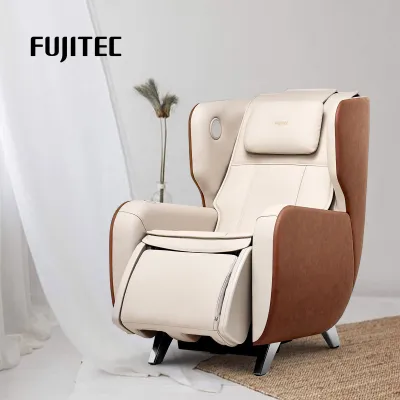
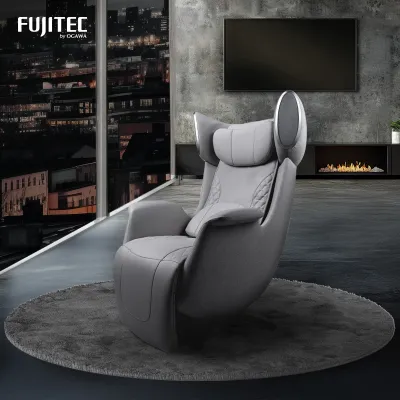
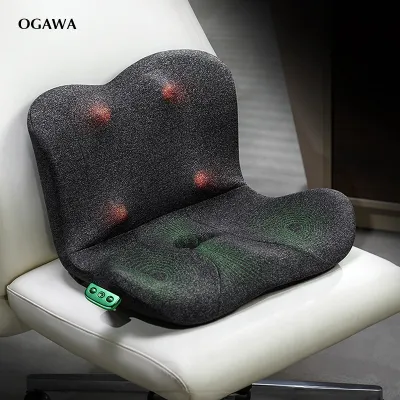
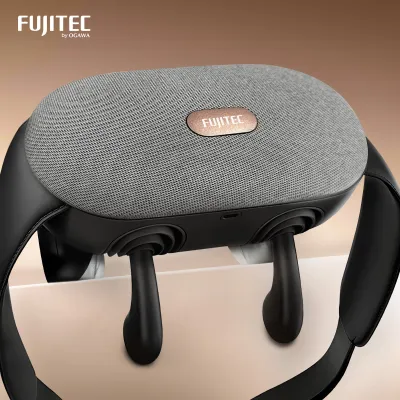
Prices are valid at publication and may change. Please refer to the product page for the latest price.
Establish a realistic budget that accounts for the total cost of ownership, including potential delivery fees and extended warranties. High-quality massage chairs in Singapore can range from mid-tier prices to premium luxury investments. If you prefer not to pay the full amount upfront, research whether the brand or authorized retailers offer interest-free installment plans through local banks to distribute the cost over several months.
Comparing Feature Sets and Massage Techniques
The core of any massage chair is its internal roller mechanism and track design, which dictate how the massage feels against your spine. When testing models in-store, pay close attention to whether the chair uses an S-track, L-track, or SL-track system. An SL-track offers the most comprehensive coverage, extending from the neck down to the glutes, while the roller technology (such as 3D or 4D mechanisms) determines how deeply the rollers can press into your muscles.

Airbag compression, heating elements, and zero-gravity positioning are vital secondary features that enhance the overall therapeutic experience. Airbags should be strategically placed around the shoulders, arms, calves, and feet to provide a gentle squeezing sensation that promotes circulation. Test the zero-gravity recline feature to see if it effectively distributes your body weight, reducing pressure on your spine and allowing for a deeper massage.
Control interfaces must be intuitive and easy to navigate, particularly if elderly family members will operate the chair. Look for clear, tactile remote controls, responsive touchscreens, or companion mobile applications. A well-designed interface allows users to easily adjust roller intensity, pause the program, or select pre-programmed routines without having to fumble through complex menus mid-massage.
Evaluating Build Quality, Materials, and Space
Upholstery material directly impacts both the comfort and longevity of your massage chair, especially in Singapore’s warm and humid climate. Most modern chairs utilize high-grade synthetic leather, such as polyurethane (PU) leather, which is engineered to withstand friction and sweat better than natural leather. Inspect the stitching along the seams and review the manufacturer’s care instructions to understand the required cleaning routine to prevent peeling over time.
Structural integrity is another crucial factor to verify before making a purchase. Consult the product manual or official specification sheet to check the maximum weight capacity and ensure the frame is constructed from robust materials like steel. A stable chair should not wobble, creak, or shift when transitioning between upright and fully reclined positions, indicating solid joints and a well-balanced base.
The physical footprint of the chair must align with your room’s layout, particularly when the zero-gravity or recline functions are active. Some models feature space-saving slide-forward technology, requiring only a few centimeters of clearance from the wall to recline fully. Compare these specifications closely to ensure the chair does not block walkways, doors, or ventilation paths in your home when in use.
Assessing Price Ranges and After-Sales Support
To ensure you receive an authentic product and a valid warranty, always purchase directly from official brand showrooms or authorized online marketplaces. Avoid unauthorized third-party sellers who may offer lower prices but cannot guarantee genuine replacement parts or official technician support. Visiting official outlets also allows you to experience the chairs firsthand and speak directly with trained sales representatives.
Carefully compare the warranty terms offered by Ogawa and Fujitec, looking beyond the headline number of years. Check the specific breakdown of coverage, noting how many years apply to the frame, the electronic components, the leather upholstery, and the internal roller mechanisms. A comprehensive warranty that covers both parts and local labor provides peace of mind and protects your investment from unexpected mechanical failures.
Reliable local servicing is essential for maintaining a massage chair over its lifespan. Inquire about the brand’s service center presence in Singapore, including average response times for technician visits and the availability of spare parts. If you plan to move houses in the future, check if the brand offers professional relocation services, as moving these heavy, complex machines incorrectly can void your warranty and cause internal damage.
Decision Framework: Which Brand Fits Your Home?
Choose Ogawa if you prefer a brand with a highly visible retail presence in Singapore, offering a diverse range of models that emphasize advanced technological integrations and sleek, modern aesthetics. Their showrooms allow for extensive hands-on testing, making it easier to find a model whose pre-programmed routines and aesthetic design align perfectly with your household’s lifestyle and interior decor.
Choose Fujitec if your priority lies in robust mechanical execution, space-saving engineering, or specific structural configurations that fit tightly into compact room layouts. Their focus on targeted physical relief and reliable mechanical performance appeals to users who prioritize a straightforward, high-pressure massage experience and straightforward warranty terms that match their long-term home maintenance plans.
Regardless of which brand you lean toward, always verify your physical suitability and home dimensions before finalizing your purchase. If you have pre-existing medical conditions, chronic back pain, or joint issues, consult a healthcare professional to ensure mechanical massage is safe for you. Taking the time to measure your space and test multiple models in person will guarantee a satisfying, long-term investment in your personal well-being.
Frequently Asked Questions (FAQ)
Are massage chairs safe for users with pacemakers or during pregnancy?
Individuals with pacemakers, implantable cardioverter-defibrillators (ICDs), severe osteoporosis, recent surgical wounds, or those who are pregnant must consult a qualified medical professional before using any massage chair. The electromagnetic fields generated by the chair’s motors and the intense physical pressure from the rollers or airbags can pose health risks under these conditions. Always review the safety warnings, contraindications, and user guidelines detailed in the manufacturer’s official instruction manual prior to operation.

Community discussion
Share your experience or ask a question. Comments are reviewed before publication.