
Selecting a massage chair for your home in Singapore is a significant investment that requires balancing personal wellness needs with practical household constraints. Neither Ogawa nor Fujitec stands out as a universally superior brand; instead, the ideal choice depends on how well a specific model’s dimensions, mechanism, and features align with your physical requirements, budget, and available floor space. For buyers navigating the local market, making an informed decision requires looking past marketing buzzwords and focusing on verified product specifications, structural build quality, and long-term household compatibility.
Singaporean homes, particularly modern HDB flats and condominiums, often present unique spatial challenges that make the physical footprint of a massage chair just as important as its massage capabilities. Consequently, comparing these two prominent brands involves evaluating how their design philosophies fit into compact living areas, how their mechanical systems target muscle tension, and how their materials withstand the local tropical climate. By taking a systematic approach to comparing these factors, you can secure a chair that provides reliable daily relief without disrupting your living environment.
Understanding the Brand Profiles of Ogawa and Fujitec
Ogawa is widely recognized for its modern, lifestyle-oriented design philosophy, often producing chairs that serve as visual centerpieces in contemporary living rooms. Their product lineup frequently features sleek curves, bold color options, and integrated ambient lighting designed to complement modern interior design trends. From a technological standpoint, the brand tends to emphasize multi-sensory relaxation, incorporating features like Bluetooth speakers, interactive touchscreens, and a wide variety of pre-programmed massage routines that cater to different times of day or stress levels.
Products mentioned in this guide
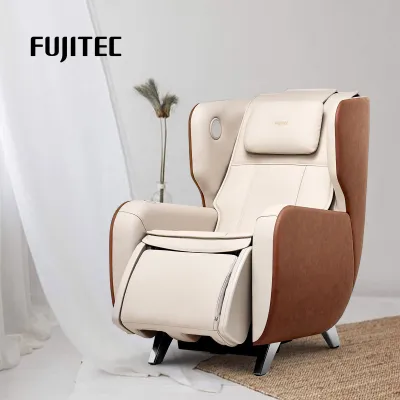
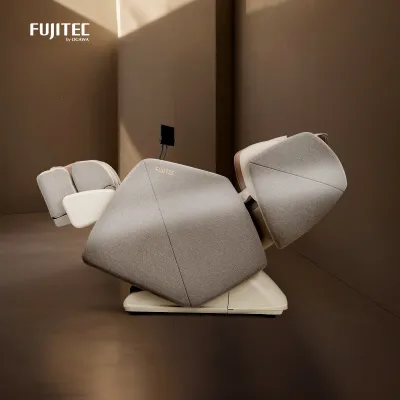
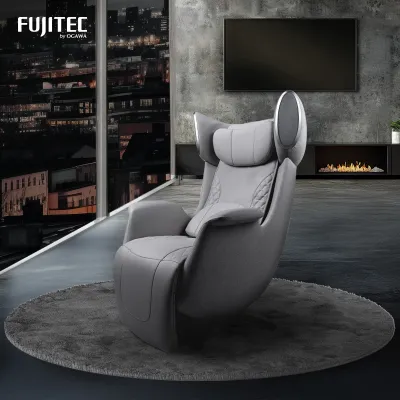
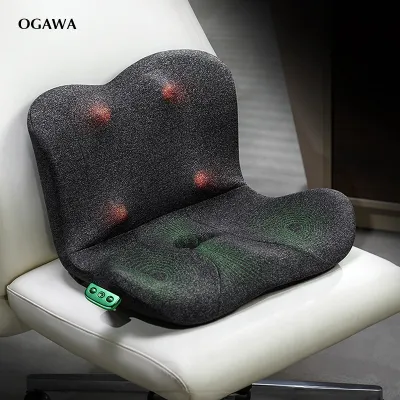
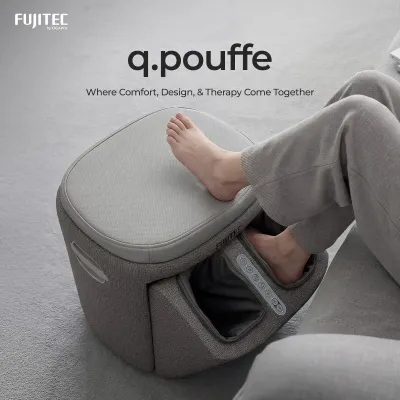
Prices are valid at publication and may change. Please refer to the product page for the latest price.
Fujitec, by contrast, generally adopts a more classic, functional, and space-conscious design approach. Their chairs often feature streamlined, compact profiles that appeal directly to homeowners who want to maximize their remaining floor space. Rather than focusing heavily on digital lifestyle integrations, the brand’s design philosophy typically centers on straightforward mechanical utility, offering robust, targeted massage programs and simplified control interfaces that are highly intuitive for users of all generations.
When evaluating either brand, it is essential to distinguish between marketing terminology and actual mechanical specifications. Terms like “deep tissue alignment” or “intelligent sensory scanning” should always be verified by looking at the physical components of the chair, such as the track length, the number of independent motors, and the adjustability of the roller depth. Checking the official product label and user manual is the most reliable way to confirm what a specific model can actually deliver.
Core Dimensions to Compare Before Buying
Before committing to a purchase, space planning must be your primary logistical consideration. You must verify the chair’s “zero-wall clearance” specification, which indicates how much space the chair requires between its backrest and the wall when fully reclined. While some modern models require as little as five to ten centimeters of clearance by sliding forward as they recline, older or more basic designs may require up to fifty centimeters of open space behind them. Additionally, you must measure the fully reclined length of the chair against your room’s layout to ensure it will not block vital walkways or door openings when in use.

Equally critical is confirming that the chair can actually be delivered into your home. You must measure the narrowest points of your entry path, including elevator doors, main entrance frames, hallway corners, and internal room doors. Many full-body massage chairs arrive in large, heavy crates that cannot be easily tilted or disassembled. Comparing the manufacturer’s minimum clearance delivery width against your home’s physical measurements will prevent the frustration of a failed delivery on installation day.
When comparing the internal mechanisms, pay close attention to the roller track type and airbag distribution. An S-track follows the natural curve of your spine from the neck to the lower back, while an L-track extends further down to massage the glutes and thighs; an SL-track combines both systems for comprehensive coverage. You should check whether the roller depth (often marketed as 3D or 4D adjustment) can be customized, as a fixed-depth roller may feel too intense for sensitive users or too weak for those seeking deep tissue relief. Furthermore, verify that the airbag placement matches your body frame, particularly around the shoulders and calves, to ensure effective compression therapy.
Upholstery material and structural build quality are the primary determinants of a massage chair’s lifespan, especially in Singapore’s humid climate. High humidity can accelerate the peeling and degradation of low-grade synthetic leathers. Look for models that utilize high-grade polyurethane (PU) or specialized synthetic fabrics designed for high friction and moisture resistance, and check the manufacturer’s care instructions regarding sweat and dust removal. Finally, always verify the maximum weight capacity and structural stability ratings on the product specification sheet to ensure the frame is built to support daily use safely.
Matching the Chair to Your Household Needs
An Ogawa model may be the right fit for your household if your family prioritizes a highly customized, program-rich massage experience and has sufficient space to accommodate a more prominent furniture piece. If you enjoy syncing your massage session with music, utilizing app-based controls, or selecting from a vast library of automated wellness programs designed for different family members, their design focus aligns well with these preferences. Their aesthetic variety also makes them suitable if you want the chair to blend seamlessly into a specific, high-end interior design theme.
Conversely, a Fujitec model is often highly suitable if you are working with tighter spatial constraints, such as placing the chair in a study, a small bedroom, or a crowded living room corner. If your primary goal is to obtain a straightforward, reliable mechanical massage without navigating complex digital menus or paying for extra connectivity features you may not use, their functional design approach is highly practical. This straightforward usability also makes them an excellent option for households where elderly family members will operate the chair independently.
However, neither brand may be appropriate if the primary users have physical dimensions that fall outside standard consumer limits. If a user is exceptionally tall, very short, or exceeds the manufacturer’s specified weight capacity, a standard retail massage chair may fail to align with their pressure points and could experience premature mechanical wear. Additionally, individuals who require specialized, medical-grade physical therapy or traction should not rely on standard commercial massage chairs as a substitute for professional medical equipment.
If multiple family members of varying heights and physical sensitivities will share the same chair, prioritize models equipped with automatic body-scanning technology. This feature detects the user’s shoulder height and spinal curvature at the start of each session, adjusting the roller path accordingly. Without this capability, shorter users may find the neck rollers pressing uncomfortably against the back of their head, while taller users may not receive any upper shoulder relief at all.
Showroom Testing and Pre-Purchase Checklist
Never purchase a massage chair based solely on online descriptions or visual advertisements; physical testing in a showroom is essential. When testing a chair, spend at least fifteen continuous minutes in it rather than just a brief moment. Use this time to evaluate the roller pressure on your lower back and neck, ensuring the intensity can be adjusted to a comfortable level. Pay close attention to the noise level of the motors and the airbag inflation valves, as a noisy chair can be highly distracting in a quiet home environment. Finally, operate the remote control yourself to ensure the menu layout is intuitive and easy to navigate.
Before finalizing your purchase, clarify the exact terms of the warranty and local servicing policies directly with the retailer. A comprehensive warranty should cover both mechanical parts and on-site technician labor for a specified period. Ask the sales representative about the availability of replacement parts, such as replacement remote controls, airbags, and upholstery covers, particularly for models that may be phased out in the coming years. Confirming that the brand has an established, responsive local service center in Singapore is crucial for resolving any future technical issues promptly.
Lastly, establish a clear agreement regarding delivery logistics and installation. Confirm whether the delivery team will provide floor protection during the setup process to prevent scratches on your tiles or vinyl flooring. Ask if the chair will be delivered fully assembled or if the technicians will perform the assembly on-site, and verify if they will test the chair’s basic functions before departing. If you need to remove an existing massage chair, ensure you arrange for disposal services in advance, as many standard delivery packages do not automatically include the removal of old, heavy furniture.
Frequently Asked Questions (FAQ)
How much space do I realistically need for a full-body massage chair?
To determine the actual space required, you must look beyond the static upright dimensions of the chair. A full-body massage chair requires a dedicated zone that accommodates its fully reclined length and the extension of the footrest, which can add thirty to fifty centimeters to the base length. You must also check the manufacturer’s zero-wall clearance specification to see how close the chair can stand to a wall. Finally, ensure there is at least sixty centimeters of open space around the sides of the chair to allow users to get in and out safely, and verify that all doorways and hallways along the delivery route are wider than the chair’s minimum transport width.
Are massage chairs safe for elderly users or those with existing health conditions?
While massage chairs offer excellent relaxation, they are not suitable for everyone, and safety must be your top priority. Individuals with osteoporosis, spinal instability, recent surgical incisions, deep vein thrombosis, or implanted medical devices like pacemakers must consult a qualified medical professional before using a massage chair. For elderly users who receive medical clearance, look for chairs that offer highly adjustable intensity settings, gentle stretching modes, and an easily accessible emergency stop button. Initial sessions should always be supervised, kept to a short duration of ten to fifteen minutes, and set to the lowest intensity to monitor how the body responds.

Community discussion
Share your experience or ask a question. Comments are reviewed before publication.