
Quick Answer: Ogawa vs. Competitors at a Glance
When investing in a high-end massage chair, finding the right balance between therapeutic performance, aesthetic appeal, and physical footprint is essential. Ogawa typically excels in space-saving designs, elegant home integration, and highly targeted massage techniques, particularly precise neck and shoulder relief. In contrast, other premium brands in the market often prioritize expansive full-body stretching programs, deeper tissue intensity, or more robust physical footprints. Ultimately, the ideal choice depends entirely on your available floor space, specific physical comfort needs, and budget constraints.
Core Criteria for Evaluating Premium Massage Chairs
Before comparing specific brands, it is important to understand the fundamental technical and structural criteria that define a premium massage chair. These factors determine not only the immediate comfort of the massage but also the long-term usability and durability of the appliance in your home.

Massage Technology and Roller Mechanisms
The core of any massage chair is its roller mechanism, which typically ranges from 2D to 4D systems. A 2D system operates on two axes, moving up and down the back and adjusting in width. Moving up to 3D technology adds depth adjustment, allowing the rollers to protrude forward into the muscle tissue for a deeper massage. The most advanced 4D systems introduce speed variations to this three-dimensional movement, accelerating and decelerating to mimic the natural cadence of a professional masseuse’s hands. Beyond rollers, premium chairs utilize airbag compression zones along the shoulders, arms, calves, and feet to stimulate circulation. They also feature zero-gravity positioning, which reclines the chair to an angle where your knees are elevated slightly above your heart, distributing your body weight evenly and reducing pressure on the spine.
Products mentioned in this guide
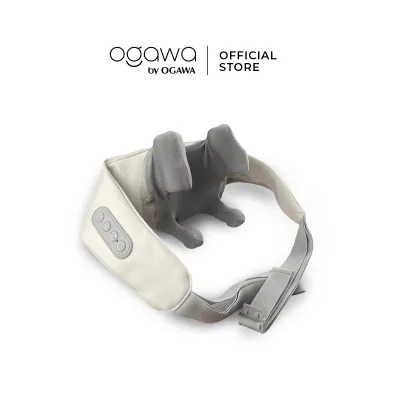
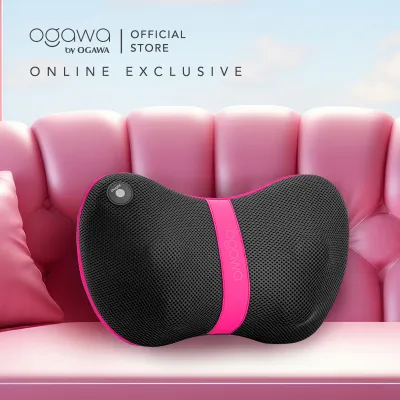
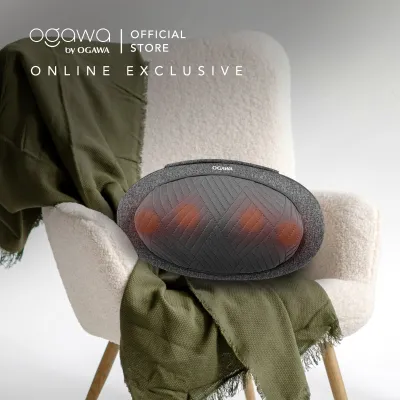
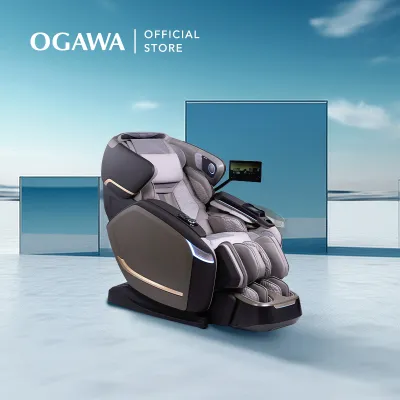
Prices are valid at publication and may change. Please refer to the product page for the latest price.
Build Quality and Material Durability
A premium massage chair is a significant physical structure, and its durability depends heavily on the materials used in its construction. When evaluating a chair, verify the frame stability and the maximum weight capacity specified on the product label. The upholstery is equally critical, especially in humid climates. High-end chairs generally use advanced synthetic leathers, such as polyurethane (PU) or engineered microfibers, which are designed to resist wear better than standard polyvinyl chloride (PVC). However, no material is entirely immune to environmental factors; you must check the care instructions to see how the upholstery handles moisture and friction over years of regular use.
Space Requirements and Room Integration
For many urban homes, the physical dimensions of a massage chair are a primary constraint. You must consider both the static footprint (when the chair is upright) and the fully reclined footprint. Many modern chairs feature wall-hugging technology, where the chair slides forward on its base as it reclines, requiring only a few centimeters of clearance behind the headrest. Without this feature, a chair may require substantial clearance from the wall, significantly limiting your placement options.
User Interface and Body Scanning
The ease of operating a massage chair directly affects how often you will use it. High-end models feature intuitive remote controls, touchscreens, or integrated mobile applications. Furthermore, the accuracy of the automated body scanning system is vital. This technology uses optical or pressure sensors to map the curvature of your spine and locate your shoulders before a program begins, ensuring that the rollers target the correct anatomical points rather than applying pressure to sensitive bone areas.
Ogawa’s Design Philosophy and Signature Features
Ogawa has established a distinct identity in the premium wellness market by focusing on a harmonious blend of functional technology and home-friendly aesthetics. Understanding their design philosophy helps clarify what to expect when integrating one of their chairs into your living space.
Aesthetic Integration and Compact Profiles
Unlike traditional massage chairs that can look like bulky, clinical machinery, Ogawa frequently emphasizes sleek, curved silhouettes and modern color palettes. Their design approach aims to make the chair look like an integrated piece of premium home furniture. This focus on aesthetic integration is paired with a commitment to space efficiency, making their models highly suitable for contemporary apartments where floor space is at a premium.
Targeted Massage Techniques and Precision
While some brands focus on high-intensity, full-body percussion, Ogawa’s signature approach often centers on precision and targeted relief. Their programming frequently highlights refined upper-body techniques, such as targeted shiatsu, kneading, and precise neck and shoulder manipulation. This makes their chairs particularly appealing to individuals who spend long hours at desks and experience chronic tension in the upper back and neck.
Verifying Specifications and Track Configurations
When shopping for an Ogawa chair, it is essential to check the user manual or spec sheet for the exact roller track configuration. Most premium models utilize an L-track or an SL-track. An S-track follows the natural curve of your spine from the neck to the lower back, while an L-track extends further down, passing under the seat to massage the glutes and upper hamstrings. An SL-track combines both benefits, offering a contoured spine path with extended reach. Always verify the specific track length, airbag count, and power requirements of the model you are considering to ensure it matches your physical height and therapeutic needs.
Upholstery Care and Maintenance
To maintain the pristine finish of your massage chair’s synthetic leather, routine upkeep is necessary. In humid environments, synthetic upholstery can be prone to hydrolysis (peeling) if exposed to sweat and moisture over long periods. Preventative care involves wiping down the chair with a dry, soft microfiber cloth after each use. Avoid placing the chair in direct sunlight, which can dry out and crack the material, and ensure the room has adequate ventilation. Always refer to the manufacturer’s care guide before applying any leather conditioners or cleaning solutions, as incorrect products can degrade the protective topcoat of the synthetic material.
Feature and Build Comparison: Ogawa vs. Other Premium Brands
To determine which premium brand aligns with your expectations, it is useful to compare Ogawa’s typical characteristics directly against other major players in the high-end massage chair market.
Massage Intensity and Program Variety
One of the most noticeable differences between premium brands is the character of the massage. Ogawa chairs are generally recognized for their smooth transitions and precise, localized pressure, making them excellent for stress relief and targeted muscle knots. Some competing premium brands, however, are known for delivering highly intense, deep-tissue massages or specialized chiropractic-style stretching programs. These competitor programs often use powerful dual-motor systems that can apply intense traction to the spine and lower body, which may feel more vigorous but can sometimes be too intense for users seeking a gentler, more relaxing experience.
Spatial Footprint and Wall Clearance
Spatial efficiency is a major differentiator. Ogawa’s design philosophy heavily incorporates wall-hugging mechanisms, allowing their chairs to slide forward during the recline cycle. This significantly reduces the physical clearance required behind the chair. Certain traditional premium competitors, particularly those with larger, more robust frames designed for deep-tissue stretching, may require a larger overall footprint and greater clearance from the wall to complete their full range of motion.
Customization and User Profiles
Both Ogawa and its premium competitors offer extensive customization, but the execution varies. Ogawa typically provides a wide range of pre-programmed massage routines tailored to daily activities (such as office worker recovery or sports recovery) alongside manual adjustments for speed, width, and airbag intensity. Competitors may offer advanced diagnostic features, such as galvanic skin response sensors that measure stress levels to customize a massage program dynamically, or extensive multi-user profile memory systems that store exact height and preference settings for several family members.
Comparison Matrix
| Feature to Verify | Ogawa Typical Approach | Competitor Typical Approach |
|---|---|---|
| Track Type and Length | Typically utilizes SL-tracks designed to follow the spine's curve and extend to the glutes, optimized for smooth transitions. | Varies; some utilize dual-track systems that allow independent movement of back and seat rollers, or extra-long tracks. |
| Footprint and Space Requirements | Emphasizes compact, wall-hugging designs that slide forward, requiring minimal rear clearance (often under 10 cm). | Often features larger, wider profiles; some models require substantial rear clearance (up to 30 cm or more) for full reclining. |
| Primary Massage Focus | Precision targeting, particularly for neck, shoulders, and upper-back tension, utilizing smooth, flowing motions. | Often focuses on deep-tissue intensity, active full-body stretching, or advanced diagnostic-driven customization. |
| Aesthetic Integration | Curved, modern furniture-like designs with sleek profiles and contemporary color schemes. | Often features bold, futuristic, or high-tech capsule designs that stand out as a focal point in a room. |
Assessing True Value: Price, Warranty, and Local Support
Purchasing a premium massage chair involves a significant financial commitment. Evaluating true value requires looking beyond the initial purchase price to consider the long-term cost of ownership, warranty security, and local support services.
Understanding Price Bands
In the premium massage chair segment, prices generally span broad bands, typically ranging from S$3,000 to over S$10,000, depending on the complexity of the technology, materials, and features. Because prices can fluctuate due to seasonal promotions, roadshows, or new model releases, you should always check official brand showrooms or authorized e-commerce platforms for current, accurate pricing.
Evaluating Warranty Terms
A robust warranty is essential for a complex mechanical item like a massage chair. When reviewing warranty documentation, pay close attention to the distinction between parts and labor coverage. Some brands offer a comprehensive warranty covering both for the first one to two years, while others might cover labor but charge for replacement parts, or vice versa. Additionally, verify whether the warranty includes on-site service. Because massage chairs are heavy and difficult to transport, on-site repair—where a technician visits your home—is highly preferable to carry-in service.
Delivery, Installation, and High-Rise Logistics
In Singapore, where high-rise living in HDB flats and condominiums is the norm, delivery logistics are a critical factor. You must verify whether the quoted purchase price includes white-glove delivery, professional assembly, and the disposal of old furniture if necessary. Before finalizing your purchase, measure the narrowest points of your home’s entry path, including the lift door, the main entryway, and any tight hallways or corners. If a chair cannot fit through your building’s elevator or doorways in its boxed state, some delivery teams may charge additional fees for manual stair-carrying or disassembly and reassembly.
Long-Term Upkeep and Maintenance
To maximize the lifespan of your investment, simple preventative maintenance is key. Keep the mechanical tracks free of dust and debris by vacuuming around the base and joints periodically. Use a dedicated surge protector to shield the chair’s sensitive electronic control boards from power fluctuations. If you notice any unusual noises, such as grinding or squeaking from the internal rollers, consult the user manual or contact local customer support rather than attempting to open the internal mechanisms yourself, which could void your warranty.
Final Verdict: How to Choose the Right Brand for Your Home
Selecting between Ogawa and other premium massage chair brands comes down to matching your physical needs, home layout, and aesthetic preferences with the strengths of each brand.
Choose Ogawa if:
- Your living space is limited, and you require a highly efficient, wall-hugging design that fits comfortably in a standard room layout.
- You prefer a chair that blends naturally with modern home decor and features a softer, furniture-like aesthetic.
- Your primary physical complaints are centered around the neck, shoulders, and upper back, and you prefer precise, targeted, and smooth massage techniques.
Choose Competing Premium Brands if:
- You have ample floor space and do not mind a larger, more prominent physical footprint in your home.
- You require intense, deep-tissue massage or dynamic, full-body stretching programs that mimic chiropractic adjustments.
- You need a model with a higher maximum weight capacity or advanced diagnostic features like bio-sensors for customized stress mapping.
Verify First if:
- You have pre-existing medical conditions, such as severe osteoporosis, spinal injuries, or a pacemaker; always consult a healthcare professional before using any mechanical massage device.
- Your building's elevator, doorways, and hallways can accommodate the physical dimensions of the chair during delivery. Check these measurements carefully against the manufacturer's shipping specifications before ordering.
Frequently Asked Questions (FAQ)
Do premium massage chairs consume a lot of electricity?
No, premium massage chairs are generally energy-efficient. Most models operate on a power draw of between 150 to 300 watts, which is comparable to running a desktop computer or a small household appliance. The power consumption will vary depending on the features you use; for instance, enabling the built-in heating elements or running multiple heavy-duty motors simultaneously will draw slightly more power. You can check the energy label or the specifications plate located on the back of the chair for the exact wattage and calculate your estimated running costs based on your local utility rates.
How long do high-end massage chairs typically last?
A high-end massage chair can typically last between 5 to 10 years, or even longer, depending on how well it is maintained and how frequently it is used. Factors that influence durability include adherence to the specified weight limits, the humidity of the environment, and regular cleaning. To ensure long-term performance, follow the manufacturer’s care instructions, keep the chair free of dust, and address any minor mechanical issues immediately. The length and comprehensiveness of the manufacturer’s warranty are often reliable indicators of the chair’s expected build quality and lifespan.
Can I test a massage chair before buying it?
Yes, and it is highly recommended to do so. Because personal comfort is entirely subjective, a specification sheet cannot convey how a chair’s rollers, airbags, and reclining angles will feel to your specific body shape and size. Visiting an official physical showroom or an authorized retail partner allows you to experience the roller intensity, test the ease of use of the interface, and verify that the chair fits your physical height comfortably before making a major financial investment.
Community discussion
Share your experience or ask a question. Comments are reviewed before publication.