
To choose the right Ogawa Shiatsu massage chair, you must evaluate three core technical pillars: roller dimensionality (2D, 3D, or 4D), track architecture (S, L, or SL-track), and the sophistication of the automated software programs. While high-end models offer deeper tissue penetration and dynamic speed variations that closely mimic human hands, the optimal choice depends entirely on how well a chair’s physical dimensions, roller depth, and technique variety match your unique body shape, pain points, and pressure sensitivity.
Quick Answer: Core Criteria for Comparing Ogawa Shiatsu Models
When comparing different models in the Ogawa Shiatsu lineup, it is easy to get lost in marketing jargon. To make an informed decision, treat the physical hardware and the software capabilities as two distinct halves of the same system. The hardware—consisting of the rollers, the track they travel along, and the motor mechanisms—determines the physical limits of the massage. The software determines how effectively those mechanical elements are directed to simulate authentic finger-pressure (Shiatsu) therapy.
Rather than assuming the most expensive model is automatically the best fit for your home, focus on a systematic checklist:
Products mentioned in this guide
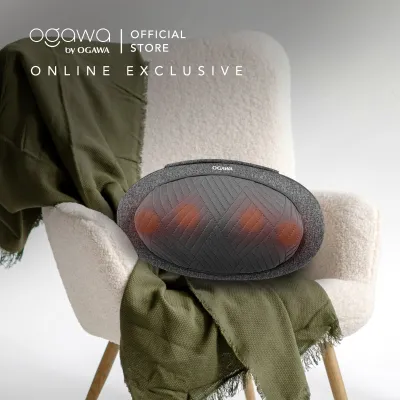
Prices are valid at publication and may change. Please refer to the product page for the latest price.
- Roller Type: Does the model offer 2D, 3D, or 4D movement?
- Track Design: Is it an S-track, L-track, or a hybrid SL-track?
- Customization: Can you manually adjust the speed, width, and depth of the rollers?
- Physical Fit: Does the chair accommodate your height, weight, and shoulder width?
- Space Requirements: Does your living space allow for the chair's fully reclined footprint?
By using these criteria as your evaluation framework, you can objectively compare specifications on paper before testing the physical chairs in a local showroom.
Decoding Roller Mechanisms and Track Designs
The mechanical core of any massage chair is its roller system and the track upon which it travels. These components dictate the depth, reach, and overall feel of the Shiatsu massage.

Roller Dimensionality and Movement Planes
The dimensionality of a massage chair’s rollers refers to the directions in which the roller heads can move, directly influencing how deeply the mechanism can penetrate muscle tissue.
- 2D Rollers: These rollers operate on a two-dimensional plane, moving vertically (up and down the back) and horizontally (left and right). They provide a reliable, surface-level massage but cannot adjust their depth. Massage intensity is typically altered by adding or removing padded back cushions.
- 3D Rollers: This technology adds a third axis of movement, allowing the rollers to protrude forward and retract backward. This depth adjustment is crucial for a true Shiatsu experience, as it allows the rollers to push firmly into high-tension areas like the upper shoulders and the lumbar curve. Users can typically adjust this protrusion depth across multiple levels (often ranging from 8 to 12 centimeters) to transition from a gentle sweep to a deep-tissue massage.
- 4D Rollers: Building upon 3D movement, 4D roller systems introduce variable speed and rhythm controls. Instead of moving at a constant velocity, 4D rollers accelerate and decelerate dynamically during a single stroke. This variation mimics the natural cadence of a professional massage therapist's hands, pausing slightly at pressure points before continuing. This prevents muscle acclimation, ensuring that the body continues to respond to the sensory input throughout the session.
Track Architecture and Body Coverage
The track is the steel or aluminum guide rail that guides the roller mechanism from the neck down the spine. The shape and length of this track determine the total coverage area of the massage.
- S-Track (Sinusoidal Track): Designed to mimic the natural S-curve of the human spine, this track curves inward at the neck, outward at the mid-back, and inward again at the lower back. S-track chairs provide excellent, anatomically correct pressure along the spine, but they generally stop at the lower back, leaving the glutes and hamstrings untouched by the rollers.
- L-Track: This track extends much further down, curving under the seat to reach the glutes and upper hamstrings. While it offers superior coverage for lower-body tension, basic L-track designs sometimes struggle to maintain consistent contact with the deeper lumbar curve, occasionally resulting in a flatter massage sensation in the lower back.
- SL-Track: The modern standard for premium massage chairs, the SL-track combines the spinal curvature of the S-track with the extended reach of the L-track. This hybrid design ensures that the rollers follow the natural contour of your spine while continuing seamlessly past the lower back to massage the glutes and upper thighs. When reviewing specifications, verify the physical length of the SL-track; higher-end models often feature tracks measuring between 120 and 135 centimeters, which are essential for taller users to ensure the rollers reach both the neck and the hamstrings effectively.
Width Adjustability and Precision Targeting
The ability to adjust the lateral distance between the rollers is a critical, yet frequently overlooked, specification. Human bodies vary significantly in skeletal width. If a massage chair’s rollers are set to a fixed, wide position, they may completely miss the paraspinal muscles of a user with a smaller frame, instead pressing uncomfortably against the shoulder blades. Conversely, a user with a broader frame might find narrow rollers pressing directly onto their spinal processes. Look for models that offer manual roller width adjustment (typically categorized as narrow, medium, and wide) to ensure the mechanical fingers can precisely target the inner shoulder blades and the muscles flanking the spine.
Evaluating Massage Techniques and Program Variety
While the physical track and rollers establish the physical boundaries of the massage, the software and programming dictate how those elements behave. A high-quality Shiatsu chair must translate mechanical movements into smooth, therapeutic techniques.
Core Shiatsu Simulation and Mechanical Nuance
Traditional Shiatsu relies on localized, deep finger pressure applied to specific acupressure points (tsubo) to relieve tension and promote circulation. In a massage chair, this is simulated through a combination of mechanical actions:
- Kneading: Circular, circular-pressing motions that stretch and loosen tight muscle fibers.
- Tapping: Rapid, rhythmic percussive strikes that stimulate blood flow and invigorate the nervous system.
- Shiatsu Pressing: Deep, static pressure applied to specific coordinates along the paraspinal lines, holding the position briefly before releasing.
- Rolling: Linear movement up and down the spine to warm up the muscles and stretch the vertebrae.
When comparing models, pay close attention to the transition smoothness between these techniques. Basic models may feel jerky or mechanical when switching from kneading to tapping. Advanced models utilize sophisticated microprocessors to blend these movements seamlessly, creating a continuous, fluid sensation that feels remarkably lifelike.
Auto-Programs versus Manual Customization
The software interface of a massage chair typically offers two distinct operational modes: automated programs and manual customization.
- Auto-Programs: These are pre-designed sequences tailored for specific times of day or physical needs. For example, a morning wake-up program might utilize lighter tapping and rolling to stimulate circulation, while a deep-tissue recovery program focuses on intense 3D/4D lumbar and shoulder pressing. High-quality models feature optical or pressure-based body scanning sensors that run at the start of every auto-program. These sensors detect the height of your shoulders and the curvature of your spine, calibrating the roller path to your exact physical dimensions.
- Manual Customization: For targeted pain relief, manual controls are indispensable. If you suffer from a specific knot in your rhomboids or lower back, you must be able to pause the auto-program, isolate the rollers to a specific zone or spot, and manually adjust the speed, width, and depth. Ensure the model you select provides an intuitive remote control or touchscreen interface that allows you to make these micro-adjustments without interrupting your session.
Integration with Airbags and Heat
A truly comprehensive Shiatsu experience requires the synchronization of rollers with auxiliary comfort features, specifically airbags and heating elements.
- Airbag Compression: Airbags located in the shoulders, arms, calves, and feet perform two critical roles. First, they provide compression therapy to improve lymphatic drainage in the extremities. Second, they act as mechanical clamps. By inflating around your shoulders or hips, the airbags hold your body firmly against the backrest. This allows the 3D or 4D rollers to push deeper into your back, maximizing the effectiveness of the Shiatsu stretching programs.
- Thermal Therapy: Heat helps to relax rigid muscle tissue, making it more receptive to deep-tissue massage. When reviewing product specifications, check the location and type of heating elements. Some models utilize stationary carbon-fiber heating pads in the lumbar region, while premium models feature heated roller heads. Heated rollers deliver thermal therapy directly to the muscles as they move, mimicking the soothing sensation of a hot stone massage along the entire length of the track.
Decision Framework: Matching Roller Specs to Your Needs
Selecting the right combination of roller technology and track design requires balancing your physical requirements, wellness goals, and budget. Use the following conditional framework to guide your decision.
Choose Advanced 3D/4D Rollers with an SL-Track if:
- You require deep-tissue relief: If you suffer from chronic muscle knots, deep tension in the lower back, or severe glute tightness, the adjustable depth of 3D or 4D rollers is essential.
- You have a taller frame: A longer SL-track (125 centimeters or more) ensures that the rollers can travel fully from your neck down to your hamstrings without running out of track.
- You want dynamic stretching: Models with advanced 4D rollers and coordinated airbag systems can execute complex spinal traction and body-stretch routines that are impossible on basic models.
- You share the chair with multiple users: If multiple family members of varying heights and pain tolerances will use the chair, the customizable depth of 3D/4D rollers and automated body scanning are necessary to provide a personalized experience for everyone.
Choose Standard 2D/3D Rollers with an S-Track or L-Track if:
- Your focus is localized: If your tension is strictly concentrated in your neck, shoulders, and upper back, a high-quality S-track chair with 3D rollers offers excellent targeted relief without the added cost of a full-body SL-track.
- You prefer a gentler massage: If you are highly sensitive to deep-tissue pressure and prefer a relaxing, surface-level Swedish-style massage over intense Shiatsu, a 2D or basic 3D system will comfortably meet your needs.
- You have a smaller or average frame: Users of average height can easily enjoy full spinal coverage on standard track lengths without needing premium, extended-track models.
- You are working with a strict budget: Choosing a well-built 2D or basic 3D model allows you to invest in structural durability and reliable motor performance rather than paying a premium for advanced 4D software features you may not frequently use.
Critical Safety and Compatibility Verifications
Before finalizing any purchase, you must verify physical compatibility and safety parameters.
- Weight and Height Capacity: Every massage chair has strict mechanical limits. Verify the manufacturer's specified maximum weight capacity (typically ranging from 100 to 120 kilograms) and recommended height ranges to prevent premature motor wear or structural instability.
- Medical Considerations: If you have pre-existing medical conditions—such as osteoporosis, spinal implants, severe herniated discs, deep vein thrombosis, or sensory neuropathy—or if you are pregnant, you must consult a healthcare professional before using a mechanical massage chair. Always review the safety warnings in the manufacturer's user manual to ensure the device is safe for your specific health profile.
Pre-Purchase Verification and Showroom Testing in Singapore
A massage chair is a significant financial investment and a major piece of furniture. In the Singapore market, careful pre-purchase planning is essential to avoid delivery issues and ensure long-term satisfaction.
The Importance of Showroom Testing
While spec sheets provide a useful technical baseline, they cannot convey the subjective feel of a massage. A 3D roller mechanism on one model may feel incredibly smooth, while a similarly specified mechanism on another model might feel sharp or uncomfortable. Visit authorized retail showrooms in Singapore to test the models in person.
- Test for at least 15 minutes: Do not simply sit in the chair for a minute or two. Run a complete auto-program to experience how the chair scans your body, transitions between techniques, and handles recline angles.
- Evaluate the intensity range: Test the rollers at both their minimum and maximum depth settings to ensure the adjustment range accommodates your sensitivity levels.
- Check the fit: Ensure your head rests comfortably on the pillow, your shoulders align with the shoulder airbags, and your feet fit properly into the leg extension unit.
Measuring Your Living Space and Access Paths
Singapore homes, particularly HDB flats and modern condominiums, often have compact layouts and narrow access pathways. You must carefully measure your space before purchasing.
- Recline Clearance: Most massage chairs require significant space to recline fully into the "Zero Gravity" position. Look for models with "wall-hugging" or zero-clearance technology. These models slide forward on their base as they recline, requiring as little as 5 to 10 centimeters of clearance behind the headrest, compared to older models that may require up to 50 centimeters.
- Doorway and Lift Access: This is a critical delivery constraint. Measure the width of your home's entry doorway, hallway corners, and the lift doors in your building. Many premium massage chairs have a finished width of 80 centimeters or more. Verify if the delivery team can disassemble the side panels of the chair to fit through narrow doorways (typically requiring a minimum clearance of 70 to 75 centimeters) and confirm if there are additional fees for stairwell delivery if lift access is unavailable.
Warranty and Local After-Sales Support
Because massage chairs contain complex mechanical parts, pneumatic pumps, and electronic control boards, reliable local after-sales support is vital.
- Verify Warranty Coverage: Confirm the exact terms of the warranty with the authorized Singapore distributor. Ensure it covers the roller mechanism, track frame, motors, and electronic components.
- In-Home Service: Verify that the warranty includes on-site, in-home repairs in Singapore, so you do not have to arrange transport for a heavy, bulky appliance if a technical issue arises. Ask about the typical turnaround time for replacement parts and the cost of labor after the warranty period expires.
Frequently Asked Questions (FAQ)
Do I need a 4D roller mechanism for a good Shiatsu massage?
While 4D roller mechanisms offer highly sophisticated speed and rhythm variations that closely mimic the touch of a human therapist, they are not strictly necessary for an effective Shiatsu massage. A well-engineered 3D roller system with adjustable depth control and a high-quality SL-track can deliver exceptional deep-tissue relief. If you prefer a consistent, firm pressure and do not require highly nuanced speed changes, a 3D model often provides excellent therapeutic value at a more accessible price point. It is best to test both mechanisms in a showroom to determine if the rhythmic variations of 4D technology justify the additional investment for your personal preferences.
Can I adjust the roller width to fit a narrower shoulder span?
Yes, most modern Ogawa massage chairs equipped with 3D or 4D roller mechanisms allow you to adjust the lateral width of the rollers. This feature is essential for users with narrower shoulder spans or smaller skeletal frames. Adjusting the rollers to a narrower setting ensures that the mechanical heads can pinch inward closely enough to target the paraspinal muscles and the inner borders of the shoulder blades effectively, rather than pressing uncomfortably against the bone. Before purchasing, verify the width adjustment capabilities in the product manual or test the feature in-store to ensure it accommodates your body frame.

Community discussion
Share your experience or ask a question. Comments are reviewed before publication.