
Selecting a wooden dining table is an investment that shapes the heart of your home for years to come. When comparing oak, walnut, and teak, there is no single option that outclasses the others in every scenario. Instead, the ideal choice for your home depends on how you balance visual style, daily wear, maintenance habits, and your budget.
While the natural characteristics of these hardwoods provide a foundation, a table’s real-world durability, stain resistance, and longevity are heavily influenced by the manufacturer’s construction methods, joinery, and protective finishes. Understanding these nuances allows you to choose a table that not only complements your interior design but also withstands the demands of your daily routine.
Oak, Walnut, and Teak: A High-Level Comparison
To begin your search, it helps to understand where these three popular hardwoods sit in the furniture landscape. Oak is widely regarded as the versatile workhorse of dining room furniture, offering a classic look and robust build that fits seamlessly into traditional, rustic, or modern Scandinavian interiors. It is highly accessible and comes in several varieties, most notably red oak and white oak, which influence its base tone.
Products mentioned in this guide
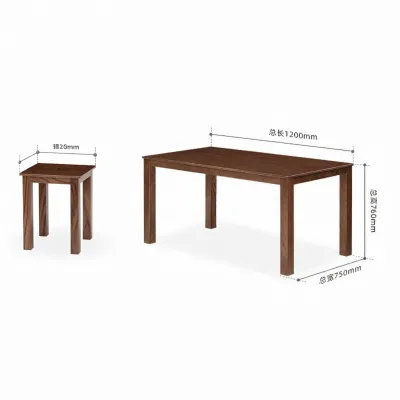
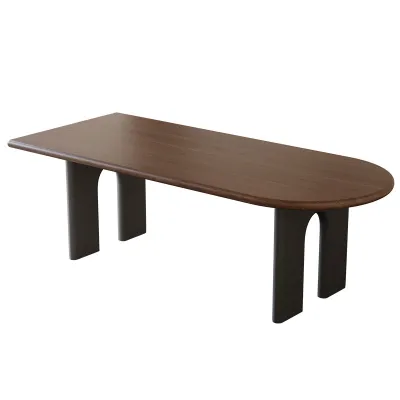
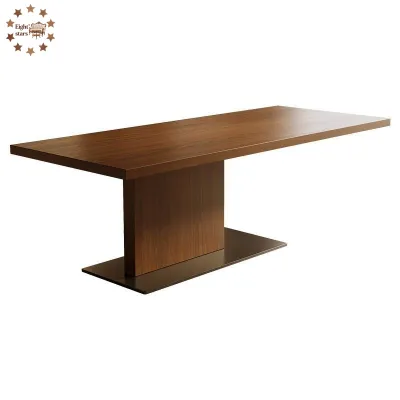
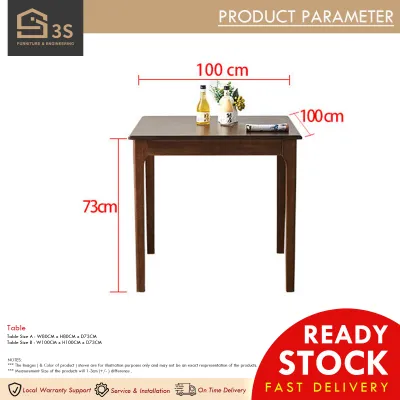
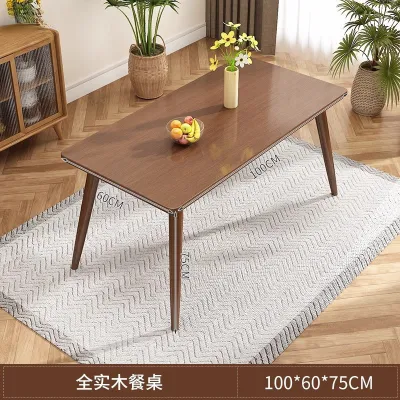
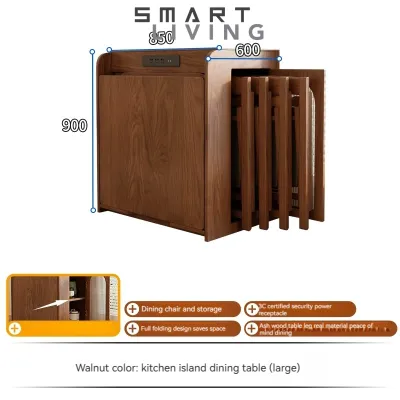
5 Lazada user ratings
Super satisfied! Looks exactly like the pictures – no color difference. Hardly any smell, and the service was awesome. Definitely recommend!
I feel satisfied with this table. The quality is high, and it is pretty. I like it very much!
I like this table. It is foldable, and it quality is high. I like its design very much!

Prices are valid at publication and may change. Please refer to the product page for the latest price.
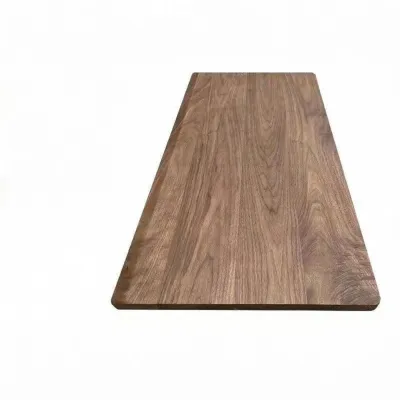
Walnut represents a more contemporary, premium tier of furniture design. Known for its rich, dark brown tones and elegant grain, a walnut dining table often serves as a dramatic centerpiece in minimalist, mid-century modern, or industrial spaces. Because walnut trees grow more slowly and yield less usable timber than oak, walnut furniture generally commands a higher price point.
Teak occupies a unique position, celebrated globally for its exceptional natural oils and historic use in maritime and outdoor applications. In indoor dining spaces, teak brings a warm, golden-brown hue and an organic, tropical sophistication. It is highly valued for its natural resilience, making it a premium choice for homeowners who appreciate organic textures and long-term durability.
Ultimately, your decision should not rest solely on the wood species itself. The way a manufacturer treats, cuts, and seals the timber determines how the table behaves in your home. A well-finished oak table can easily outperform a poorly sealed teak table, meaning you must look closely at the craftsmanship behind the raw material.
Evaluating Durability and Resistance to Daily Wear
A dining table must withstand a variety of daily challenges, from heavy tableware and hot serving dishes to accidental spills and homework sessions. Hardness and density are key factors in how well a wooden surface resists physical impacts. While wood species have inherent density differences, all three of these hardwoods are structurally dense enough to handle typical household use without easily denting.

Oak is highly resilient against scratches and impact, making it an excellent option for busy households with children or pets. Its prominent grain pattern also helps to camouflage minor surface abrasions that inevitably occur over time. Walnut, while still a sturdy hardwood, is slightly softer than oak, meaning it can be more susceptible to deep scratches if sharp objects are dragged across the surface.
Teak is exceptionally dense and naturally oily, which provides a unique layer of structural protection. However, the raw hardness of the wood is only half the story. The primary line of defense against daily wear, heat, and liquid stains is the surface finish applied by the furniture maker.
When shopping, always check the manufacturer’s specifications for the type of finish used. Common options include polyurethane, lacquer, and hard wax oils. Polyurethane and lacquer create a hard, protective barrier over the wood, offering high resistance to moisture and heat, though they can be difficult to spot-repair if scratched. Hard wax oils penetrate the wood fibers, preserving the natural texture and allowing for easy localized repairs, but they require more frequent reapplication and offer less protection against standing liquids. Always verify the manufacturer’s recommended weight limits and heat tolerance guidelines before placing hot pots directly on the surface.
Aesthetics, Grain Patterns, and Natural Aging
The visual character of your dining table will define the atmosphere of your dining area. Oak is characterized by its prominent, open grain pattern, which features distinct arching patterns and a textured feel. White oak tends to have a subtle, neutral tan-to-yellow tone, while red oak carries warmer, pinkish undertones. This pronounced grain makes oak highly forgiving of dust and minor wear, while adding a tactile, organic feel to the room.
Walnut offers a stark contrast with its smoother, tighter grain and deep chocolate-brown coloration. It often features striking swirls, burls, and dark streaks that give each table a unique, artistic quality. Because walnut has a more uniform and refined texture, it lends an immediate sense of sophistication and warmth to formal dining spaces.
Teak is famous for its straight, tight grain pattern, occasionally interspersed with beautiful dark streaks. When freshly cut, teak can exhibit a range of colors from dull green to golden brown, but it matures into a rich, consistent golden-amber hue.
It is important to anticipate how these woods age, as exposure to sunlight and ambient air will alter their appearance over time. Walnut tends to lighten slightly, moving from a deep chocolate to a warmer, honey-brown shade when exposed to UV light. Conversely, oak and teak generally darken or develop a richer, deeper patina over the years. To ensure you are satisfied with the final look, ask the retailer for physical wood samples that have already aged, or review high-resolution photos of older pieces to see how the color evolves.
Maintenance and Climate Considerations in Singapore
Living in a tropical climate with high humidity presents specific challenges for solid wood furniture. In Singapore, the indoor environment often fluctuates between warm, humid air and cool, dry air from air-conditioning units. These rapid shifts in temperature and moisture levels cause solid wood to expand and contract, which can lead to warping, splitting, or joint separation if the table is not properly constructed or maintained.
To mitigate these climate-induced movements, high-quality wooden tables are designed with joinery that allows the wood to breathe, such as slotted screw holes or floating tabletop mountings. Teak is naturally suited to humid environments because its high concentration of natural oils and rubber acts as a built-in moisture barrier, reducing the rate of water absorption and minimizing movement.
Routine maintenance varies significantly depending on whether your table has a sealed or an oil-finished surface. Sealed tables (those with polyurethane or lacquer finishes) are relatively low-maintenance; they generally require only a wipe-down with a damp, soft microfiber cloth and a mild, pH-neutral soap. Avoid harsh chemical cleaners or abrasive pads, which can strip the protective topcoat.
Oil-finished tables, including many teak and walnut options, require periodic re-oiling to prevent the wood from drying out and cracking. Always follow the specific care labels and polishing schedules provided by your furniture maker. Additionally, position your table away from direct sunlight and avoid placing it directly under air-conditioning vents to minimize localized climate stress.
Budget, Pricing Factors, and Long-Term Value
The cost of a wooden dining table is determined by several factors beyond the raw wood species. Generally, oak is the most budget-friendly of the three, offering a mid-to-high range option that delivers excellent durability for its price. Walnut and teak sit firmly in the premium tier, reflecting their slower growth rates, limited global supply, and high demand.
When comparing prices in S$, pay close attention to the construction method. A table advertised as “solid wood” is made entirely of natural timber planks, which justifies a higher price tag due to its longevity and ability to be sanded down and refinished multiple times. In contrast, tables utilizing wood veneer—a thin layer of real hardwood bonded to an engineered wood core like MDF—are typically more affordable. While veneer tables offer the beautiful grain of walnut or oak at a lower price, they cannot be sanded down repeatedly and are more susceptible to edge chipping.
The quality of the joinery also impacts the price. Traditional mortise-and-tenon joints or precision-engineered metal-to-wood fasteners ensure long-term stability, whereas cheaper tables may rely on simple wood screws and glue, which can loosen over time.
Before making your final decision, verify what is included in the quoted price. Some retailers include delivery, professional home assembly, and a multi-year structural warranty in the initial cost, while others charge these as separate fees. Factoring in these additional costs will give you a true comparison of the long-term value of your investment.
Decision Framework: Which Wood Should You Choose?
To narrow down your choice, align the unique characteristics of each wood type with your specific household needs and lifestyle.
Choose Oak if you require a highly durable, family-friendly table that can withstand heavy daily use, messy activities, and pets. Oak is also the ideal choice if you prefer a bright, Scandinavian aesthetic or a rustic look, and want a solid wood table that offers excellent value for your investment.
Choose Walnut if you want to make a bold design statement with a sophisticated, dark-toned centerpiece. This wood is perfect for formal dining rooms, minimalist spaces, or homes where the table will be treated with care and protected from sharp objects.
Choose Teak if you love warm, golden tones and want a material with natural moisture resistance. Teak is highly suitable for homes that transition between indoor and semi-outdoor spaces, or for those who appreciate the organic beauty of a wood that ages gracefully with minimal risk of climate-related warping.
Verify first if your chosen table fits your physical space and delivery constraints. Before purchasing, measure your dining area carefully, allowing at least 90 centimeters of clearance around the table for chairs and walkways. Additionally, check the dimensions of your doorways, hallways, and lift access to ensure the delivery team can safely transport the table into your home. Finally, always confirm the manufacturer’s return policy and structural warranty terms to protect your investment.
Community discussion
Share your experience or ask a question. Comments are reviewed before publication.