
Selecting the right Nordic coffee table for your Singapore home involves balancing clean, minimalist aesthetics with the practical realities of urban living. Whether you are furnishing a newly renovated HDB flat, a compact condominium, or a spacious landed property, the coffee table serves as a functional centerpiece of your living room. It anchors your seating arrangement, holds daily essentials, and sets the stylistic tone for the entire space.
By understanding the core principles of Scandinavian design and aligning them with your household’s specific spatial and lifestyle needs, you can find a piece that is both beautiful and highly practical. This guide walks you through the essential design elements, sizing calculations, material considerations, and layout strategies to help you make an informed purchase decision.
Defining the Nordic Aesthetic for Your Living Room
The Nordic design movement, originating from Scandinavian countries, prioritizes simplicity, functionality, and a deep connection to nature. When shopping for a Nordic coffee table, look for clean, uncluttered lines and geometric simplicity. These tables eschew ornate carvings, heavy hardware, or elaborate embellishments in favor of streamlined profiles that create a sense of visual lightness and open space.
Products mentioned in this guide
![[SG Seller]Living Room Modern Coffee Table with Open Storage Scandinavian Round Wooden Coffee Table Nordic Design](https://img.lazcdn.com/g/p/ae15d0afb7c8f6d0f0bf2238854d1847.jpg_400x400q80.jpg_.webp)
![[OKLIFE. SG]Modern design coffee table Nordic Design Coffee Table Oval Modern Style Living Room Sturdy Tea Table](https://img.lazcdn.com/g/p/e5aa044c726acdb9a5f2114b65db8f5f.jpg_400x400q80.jpg_.webp)
![[OKLIFE. SG]Round Coffee Table Home Small Apartment Round Combination Coffee Table Scandinavian Round Wooden Coffee Table](https://img.lazcdn.com/g/p/0207946615e582ee7b90fe6b86cd2c24.jpg_400x400q80.jpg_.webp)
![[SG Stock]Nordic Design Coffee Table Oval Modern Style Living Room Sturdy Tea Table Modern design coffee table](https://img.lazcdn.com/g/p/2babbbd4c1a7de55120c2a1a33dfa491.jpg_400x400q80.jpg_.webp)

Prices are valid at publication and may change. Please refer to the product page for the latest price.
Color palettes in Scandinavian design are heavily influenced by the natural environment, leaning toward light, neutral tones that maximize ambient light. Nordic coffee tables typically feature light wood species such as oak, ash, beech, or pine, often finished with clear or whitewashed sealants to preserve the natural grain. These pale wood tones help brighten up living rooms, making even compact spaces feel more expansive and inviting.
Functionality is another cornerstone of the Nordic aesthetic, meaning every design choice serves a practical purpose. Many Nordic-style tables incorporate clever storage solutions, such as open lower shelves, discreet drawers, or sliding top panels. These features allow you to keep remote controls, reading materials, and coasters organized and out of sight, maintaining the clean, clutter-free look that defines the style.
Sizing Your Space and Planning Clearances
Before browsing showrooms or online catalogs, taking precise measurements of your living room is crucial to ensure your new coffee table fits proportionally. A table that is too large will overwhelm your seating area and restrict movement, while a table that is too small will look lost and be difficult to reach from the sofa.

To find the ideal length, use the two-thirds rule: your coffee table should measure approximately two-thirds of the total length of your sofa. For example, if your sofa is 180 cm long, look for a coffee table that is roughly 120 cm in length. This proportion ensures the table is easily accessible to anyone sitting on the sofa while maintaining a balanced visual scale.
Height is equally important for comfort and accessibility. The top of your coffee table should sit level with, or slightly lower than, the seat cushions of your sofa, which typically ranges between 40 cm and 45 cm from the floor. A table that is too high can disrupt sightlines and feel awkward to use, while one that is too low requires excessive bending to reach your items.
Walkway clearance is the final spatial dimension to calculate. To ensure comfortable movement around your living room, maintain a clearance of 40 cm to 50 cm between the edge of the coffee table and the front of your sofa. Additionally, leave at least 75 cm to 80 cm of space between the table and your television console or opposite walls to allow for smooth foot traffic.
Do not forget to plan for delivery logistics, especially if you live in a high-rise apartment. Measure the height and width of your main entrance door, metal gate, and any narrow corridors leading to your living room. If your building does not have a service elevator, check the dimensions of the passenger lift to ensure the packaged table can be safely transported to your floor without damage.
Evaluating Materials and Structural Stability
The choice of materials directly impacts the durability, maintenance, and longevity of your coffee table, particularly in Singapore’s warm and humid climate. Solid wood tables, crafted from single pieces of timber, offer exceptional strength, unique grain patterns, and the ability to be sanded down and refinished if they sustain scratches or dents over time. However, solid wood can be sensitive to extreme humidity fluctuations, making high-quality construction and proper sealing essential.
Wood veneer is a popular and practical alternative, consisting of a thin layer of real hardwood bonded to a stable core material like medium-density fiberboard (MDF). Veneer tables are generally lighter, more resistant to warping caused by humidity, and more budget-friendly than solid wood options. When evaluating veneer, inspect the edges closely to ensure the seam is tight and free from peeling or bubbling.
Structural stability depends heavily on the quality of the joints and leg attachments. Look for tables that utilize traditional joinery methods, such as mortise-and-tenon joints, or those reinforced with heavy-duty metal brackets and bolts. Avoid tables that rely solely on simple wood screws or glue at key stress points, as these can loosen over time with daily use. Gently shake the table in the showroom to check for any wobbling or instability.
Surface treatments determine how well your table resists daily wear and tear, such as water rings from cold drinks or heat marks from hot mugs. A polyurethane or lacquer finish provides a durable, moisture-resistant barrier that is easy to wipe clean, making it ideal for busy households. Natural oil or wax finishes offer a beautiful, matte look that highlights the wood’s texture, but they require regular reapplication and are more susceptible to staining if spills are not cleaned immediately.
Choosing the Right Shape for Your Seating Layout
The shape of your coffee table should complement your sofa configuration, room layout, and daily lifestyle. Rectangular coffee tables are the classic choice, aligning well with standard two-seater or three-seater sofas. They provide a generous surface area for decor and drinks, making them highly functional for traditional, linear living room layouts.
Round or oval coffee tables are excellent for compact spaces, L-shaped sectional sofas, or homes with young children. The absence of sharp corners facilitates safer, smoother movement in tight walkways and reduces the risk of accidental bumps. Visually, round tables soften the rigid, angular lines of modern apartments, creating a more relaxed and organic flow within the room.
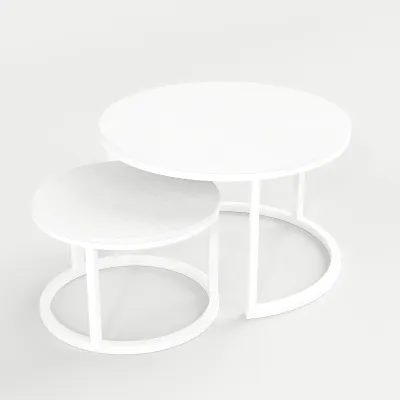
Nesting or modular coffee tables offer high versatility for dynamic living spaces. These sets typically consist of two or three tables of varying heights and sizes that can be partially slid underneath one another. You can keep them clustered together to save floor space daily, then spread them out to provide extra surface area when hosting guests or enjoying a casual meal in front of the television.
Navigating Retailers and Pre-Purchase Verifications
When shopping for a Nordic coffee table in Singapore, you can choose between visiting physical furniture showrooms or browsing online marketplaces. Showrooms allow you to conduct a tactile inspection, testing the table’s weight, checking the smoothness of the wood finish, and verifying the actual color under realistic lighting conditions. This hands-on experience is invaluable for assessing build quality before making a financial commitment.
Online marketplaces and ecommerce platforms offer a broader selection of designs, convenient price comparisons, and direct-to-door delivery. When buying online, pay close attention to the detailed specification sheets, customer reviews, and user-submitted photos to gauge the product’s true appearance and quality. Always verify the seller’s reputation and read their return policy carefully in case the item arrives damaged or does not match the description.
Before finalizing your purchase, confirm the assembly requirements and delivery terms. Some retailers deliver furniture fully assembled, while others ship them as flat-packs that require self-assembly. If you prefer not to handle tools, check if the retailer offers professional installation services, which may be included or available for an additional fee, such as S$30 to S$50.
Finally, review the warranty coverage and delivery timelines. A reliable furniture retailer should offer a warranty against structural manufacturing defects, such as joint separation or wood splitting, typically ranging from one to five years. Confirm the estimated delivery window, especially if the table is a pre-order item, to ensure it aligns with your home renovation or moving schedule.
Frequently Asked Questions (FAQ)
How do I protect a light wood Nordic coffee table from stains?
To protect natural wood finishes, always use coasters under cold drinks and trivets or placemats under hot items. Wipe up any liquid spills immediately with a soft, dry microfiber cloth to prevent moisture from penetrating the wood grain. Avoid using harsh chemical cleaners, abrasive scrubbing pads, or ammonia-based products, which can strip away the protective sealant; instead, use a slightly damp cloth with a mild, pH-neutral soap for routine cleaning.
Can I mix a Nordic coffee table with non-Scandinavian furniture?
Yes, the minimalist nature of Nordic coffee tables makes them highly versatile and easy to integrate into eclectic, industrial, or contemporary interiors. To create a cohesive look, balance the visual weight of the table with your other furniture pieces and maintain a consistent color palette. For instance, you can bridge different styles by matching the wood undertones of your coffee table with your TV console, or by placing transitional decor items, such as ceramic vases or textured trays, on the table surface.
Community discussion
Share your experience or ask a question. Comments are reviewed before publication.