
Cervical traction is a therapeutic technique used to relieve neck pain by gently pulling the head away from the neck, stretching the surrounding muscles and ligaments while increasing the space between the vertebrae. A neck hammock is a simplified, portable version of this clinical traction designed for home use. It consists of a padded fabric cradle that supports the head, attached to adjustable straps that anchor to a door, wall, or stand. By suspending the head a few inches off the floor, the device uses gravity and the natural weight of your head to apply a gentle, passive stretch to the cervical spine.
To choose the best neck hammock design for your needs, you must evaluate three main areas: the mounting system, the materials used, and the adjustability of the traction angle. Your choice depends heavily on your living space, skin sensitivity, daily routine, and whether your neck discomfort is a matter of simple muscle tightness or a deeper structural issue. Understanding these design variations ensures you select a safe, effective tool that fits seamlessly into your lifestyle.
Evaluating Mounting Designs and Space Requirements
Before purchasing a neck hammock, you must evaluate where and how you will install it. The mounting design determines not only the stability of the device but also whether it is compatible with your living space.
Products mentioned in this guide
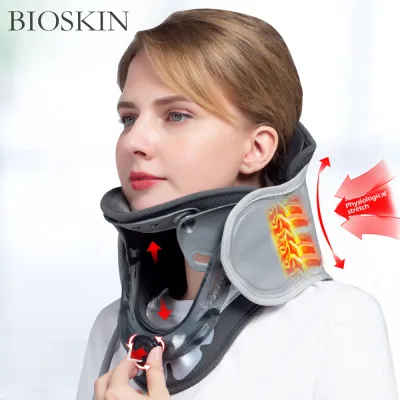
Prices are valid at publication and may change. Please refer to the product page for the latest price.
Door-mounted setups are the most common design, utilizing a strap that loops over the top of a door or around the interior doorknob. Before using this setup, you must inspect the door and its frame. Many modern interior doors, especially in newer apartments, are hollow-core doors made of thin wood veneers or composite materials. While the weight of a human head is relatively small, the dynamic force applied when you settle into the stretch puts significant stress on the door hinges and frame. Ensure the door is sturdy, the hinges are tightly secured, and there is no visible warping.
The direction the door opens is a critical safety factor. Ideally, you should set up the hammock on the side of the door where it closes into the frame. This ensures that when you pull on the strap, your weight pulls the door tighter into the door jamb. If you must set it up on the side where the door opens toward you, you are relying entirely on the door latch to hold your weight. If the latch fails or someone opens the door from the other side, the door will swing open, causing your head to drop suddenly, which can cause severe neck injury. Always lock the door or use a warning sign during your session.
You also need a flat, clear floor space directly in front of the door. This space should be at least 1.5 to 2 meters long to allow you to lie down fully extended without your body hitting furniture or walls. In smaller bedrooms or tight hallways, finding this amount of clear space can be challenging, so measure the area beforehand.
Ceiling or wall anchors offer a permanent mounting solution, typically involving a metal eye bolt or anchor plate screwed directly into a structural support. If you live in a rented property, drilling permanent holes into walls or ceilings is often strictly prohibited. Even if permitted, drilling into concrete walls requires a hammer drill and heavy-duty expansion anchors. You must never mount an anchor into plain drywall or thin wood paneling, as the anchor will easily pull out under tension, risking severe head or neck injury.
Portable straps are designed for users who want to use the device while traveling or at the office. These systems use versatile, multi-loop straps that can wrap around external anchor points. When using a portable setup, you must exercise caution when selecting an anchor point. Suitable anchors include heavy-duty metal railings or highly stable, heavy furniture legs. Unsuitable anchors include lightweight chairs, thin table legs, or decorative partitions, which can easily tip over or break under tension.
The stability of your anchor point directly affects the quality of the traction. A fixed door or wall anchor provides a highly stable, consistent pull, allowing you to relax completely. Adjusting the angle of traction is also crucial for targeting different areas of the neck. A higher anchor point creates a steeper angle, which pulls the head slightly upward and forward, targeting the lower cervical spine. A lower anchor point creates a flatter angle, pulling the head straight back to target the upper cervical spine and the base of the skull. Ensure the design you choose allows you to easily adjust the strap length to achieve the correct angle.
Checking Materials, Padding, and Comfort Features
The materials used in a neck hammock directly impact its comfort, durability, and hygiene. Because the cradle comes into direct contact with your head and face, checking these features is essential before making a choice.

Fabric choices play a significant role in skin comfort, especially in warm or humid climates. Neoprene is highly durable, holds its shape well, and is easy to wipe clean, making it a common choice for shared household devices. However, neoprene is not highly breathable and can trap heat and sweat against your skin, causing discomfort. Cotton and cotton blends are highly breathable, soft, and gentle on sensitive skin, but they absorb sweat and skin oils, requiring frequent washing to prevent bacterial buildup. Fleece linings offer maximum softness but can quickly become too warm and tend to collect dust and hair.
The cradle must have sufficient padding to cushion the back of your head and the sides of your face. Without adequate padding, the hard edges of the fabric or straps can press into your ears, temples, or jaw, causing pain and tension headaches. Look for designs that use high-density foam or memory foam inserts, which contour to the unique shape of your skull to distribute weight evenly and reduce pressure points. Pay close attention to the design of the ear and jaw cutouts; if you are prone to jaw clenching or TMJ issues, look for a design with dedicated ear cutouts that keep pressure off the jaw.
The straps are the primary safety component of the neck hammock and must be made of high-tensile, non-elastic webbing, similar to car seatbelts. Elastic straps or bungee cords should be avoided, as they bounce and do not provide the stable, controlled tension required for safe cervical traction. Inspect the buckles and connectors; high-quality designs use heavy-duty steel carabiners or thick, industrial-grade polymer buckles that lock securely. Avoid designs with thin, flimsy plastic clips that can easily crack or slip under tension.
Because the neck hammock comes into direct contact with your face, hair, and sweat, maintaining hygiene is essential. Before purchasing, check the care label. The most hygienic option is a neck hammock with a fully removable, machine-washable outer cover, allowing you to wash the fabric regularly without damaging the internal padding or foam inserts. If the cover is not removable, check if the entire unit can be hand-washed, and avoid designs that cannot be cleaned at all.
Matching the Design to Your Daily Routine and Needs
To get the most benefit from a neck hammock, you should align its design features with your daily routine, spatial constraints, and specific physical needs.
Choose a door-mounted design if you need a fixed daily routine at home with easy setup. If you have a consistent routine—such as stretching for 10 minutes every evening—and a quiet room with a sturdy door, a door-mounted setup is highly convenient. You can attach the straps to the door, adjust them to your preferred height, and leave them in place or quickly hook the cradle on when needed, minimizing setup time and ensuring a consistent stretch.
Choose a portable design if you travel frequently or lack suitable door frames. If you travel often for work, live in a compact studio apartment, or want to use the device at your office desk, a portable design is much more suitable. Portable neck hammocks are lightweight, highly packable, and often come with a compact travel pouch. Some portable options even come with a self-supporting folding metal stand, which eliminates the need for any external anchor point, making them highly versatile for open-plan living spaces.
Choose adjustable angle features if you need to target specific cervical curves. Not everyone experiences neck discomfort in the same way. Some people have tightness at the base of the skull, while others have stiffness in the lower neck and shoulders due to slouching over screens. By changing the length of the straps and the height of the anchor point, you can alter the angle of traction to target these different areas. A flatter angle provides a straight pull that helps decompress the upper cervical vertebrae, while a steeper angle creates a diagonal pull that gently flexes the neck forward, targeting the lower cervical spine.
Verify first if your discomfort requires targeted clinical traction rather than general relaxation. A neck hammock is primarily a tool for mild, passive relaxation and muscle stretching, making it excellent for relieving temporary tension from daily stress or desk work. However, if you are experiencing severe, chronic neck pain, sharp shooting pain down your arms, numbness or tingling in your fingers, or muscle weakness, these are signs of a more serious underlying condition, such as a herniated disc or spinal stenosis. These conditions require precise, controlled mechanical traction monitored by a medical professional, and attempting to use a home neck hammock can worsen nerve compression.
Safety Boundaries and When to Seek Medical Advice
While a neck hammock can be a helpful tool for relaxation, safety must always be your top priority. Understanding the safety boundaries of home cervical traction is essential to prevent injury.
Recognizing warning signs is crucial during use. While you should feel a gentle, comfortable stretching sensation along the back of your neck, you should never feel pain, pinching, or intense pressure. Stop using the device immediately if you experience dizziness, lightheadedness, nausea, double vision, a sudden headache, or numbness, tingling, or weakness in your face, shoulders, arms, or hands. These symptoms can indicate that the traction is compressing important nerves or restricting blood flow through the vertebral arteries.
Always check and adhere to the manufacturer’s specified weight limits for both the user and the anchor points. Before every session, perform a quick safety inspection of the device. Check the straps for any signs of fraying or loose stitching, and inspect the buckles and carabiners for cracks or slipping. If you notice any wear or damage, do not use the device; a sudden failure of a strap or buckle while your head is suspended can cause your head to drop abruptly, resulting in severe neck strain or spinal injury.
There are several medical conditions where cervical traction is strictly contraindicated. You must never use a neck hammock if you have been diagnosed with cervical spine instability, rheumatoid arthritis affecting the spine, severe osteoporosis, bone spurs in the neck, recent neck trauma or whiplash, or spinal cord compression. In these cases, applying traction can cause joint subluxation or direct pressure on the spinal cord, leading to permanent neurological damage.
A neck hammock is a temporary relief tool, not a permanent cure for chronic neck pain or poor posture. If you suffer from persistent neck discomfort, frequent tension headaches, or chronic stiffness, you should seek a professional medical diagnosis. A registered physiotherapist or doctor can perform a comprehensive physical assessment, identify the root cause of your pain, and design a safe, personalized treatment plan that includes targeted strengthening exercises and ergonomic adjustments.
Frequently Asked Questions (FAQ)
How long should you use a neck hammock in a single session?
When you first start using a neck hammock, it is highly recommended to keep your sessions very short—typically between 5 and 10 minutes. This allows your cervical muscles, ligaments, and joints to gradually adapt to the passive stretching force without over-stretching or causing rebound muscle spasms. If you tolerate these initial sessions well, you can gradually increase the duration to 15 minutes, which is the standard recommended time for most home traction devices. You should never exceed 20 minutes in a single session unless specifically advised by a healthcare professional, and always stop immediately if you feel any discomfort or strain.
Can a neck hammock replace professional physiotherapy?
No, a neck hammock is a supplementary relaxation tool and cannot replace professional physiotherapy or medical treatment. While it can provide temporary relief from muscle tension and joint compression, it does not address the underlying causes of chronic neck pain, such as weak neck and shoulder muscles, poor posture habits, or structural spinal issues. Professional physiotherapy involves a comprehensive approach to rehabilitation, including personalized physical assessments, targeted strengthening exercises, manual joint mobilization, and ergonomic education, which are essential for long-term recovery and preventing future injuries.
How do you clean a neck hammock with memory foam inserts?
Proper hygiene is essential since the hammock comes into direct contact with your skin, hair, and sweat. Always check the manufacturer’s care label on your specific product before cleaning. If your neck hammock features memory foam inserts, you must separate the removable fabric cover from the foam before washing. The fabric cover can typically be hand-washed or machine-washed on a gentle cycle with cold water and a mild detergent. Solid memory foam should never be submerged in water or placed in a washing machine, as water will break down the foam structure and ruin its supportive properties; instead, spot-clean the foam gently with a damp cloth and allow it to air dry completely in a shaded, well-ventilated area.
Community discussion
Share your experience or ask a question. Comments are reviewed before publication.