
Finding the right outdoor pillow can make the difference between a restorative night under the stars and a restless, neck-straining ordeal. While many campers focus heavily on sleeping bags and mats, a proper pillow is the final, crucial component of a functional sleep system. When comparing a naturehike pillow against offerings from established brands like Sea to Summit and Decathlon, you are looking at a classic trade-off between weight, comfort, and budget. Each brand addresses these three core pillars differently, catering to distinct styles of outdoor recreation.
Quick Answer: Which Outdoor Pillow Brand Fits Your Trip?
There is no single “best” brand for every camper; the right choice depends entirely on how you balance weight, packed size, comfort, and budget. By identifying your specific camping style, you can quickly determine which brand’s design philosophy aligns with your gear strategy.
- Naturehike is the go-to brand for budget-conscious campers who want a balance of comfort and versatility. They offer a wide range of hybrid options and ergonomic shapes that mimic home pillows without a premium price tag.
- Sea to Summit represents the premium, technical end of the spectrum. This brand is tailored for ultralight backpackers and trekkers who prioritize minimal weight, highly compact packed sizes, and advanced ergonomic construction.
- Decathlon (Forclaz/Quechua) focuses on accessible, practical, and highly durable basics. Their pillows are ideal for car camping, family trips, or beginners who want straightforward comfort and reliable performance without a high financial investment.
Brand Positioning: Naturehike Pillow vs Competitors
To understand how these pillows perform in the field, it helps to look at the design philosophy behind each brand. Every manufacturer targets a specific type of outdoor enthusiast, which directly influences their choice of materials, construction methods, and pricing.
Products mentioned in this guide
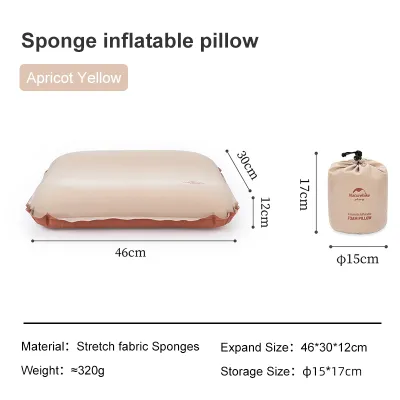
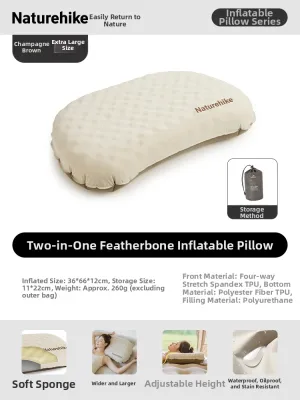
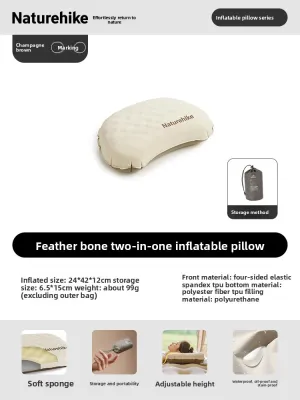
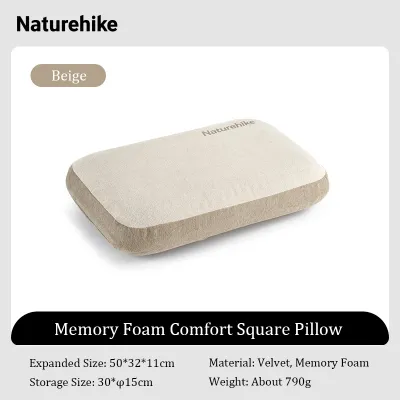
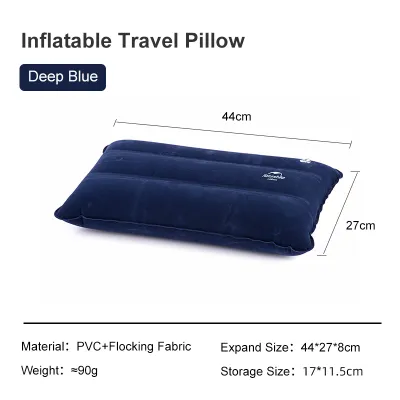
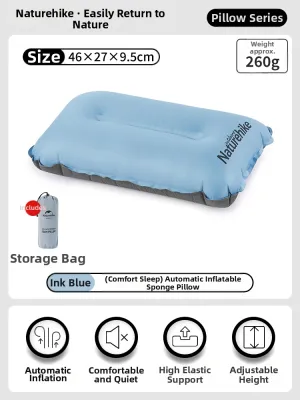
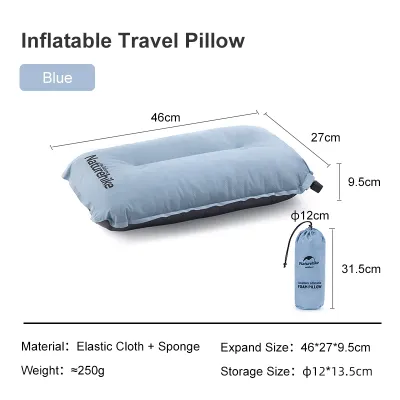
Prices are valid at publication and may change. Please refer to the product page for the latest price.

Naturehike offers highly functional, value-driven gear, aiming to make outdoor activities accessible by reproducing high-end concepts at a fraction of the cost. Their pillows come in various shapes, like classic rectangular, contoured ergonomic, and envelope designs, often featuring hybrid fills that combine air bladders with foam or synthetic insulation for a bed-like feel. This appeals to recreational campers, weekend backpackers, and budget-conscious travelers.
Sea to Summit focuses on technical, performance-first gear for expeditions, long-distance trekking, and ultralight backpacking. Their sleep systems prioritize weight reduction, space-saving packability, and ergonomic support, utilizing proprietary baffle designs, premium fabrics, and multi-function valves. They target serious outdoor enthusiasts who view gear as a long-term investment.
Decathlon (Quechua and Forclaz) operates on a mass-market model to make the outdoors accessible. Their product development emphasizes durability, ease of use, and practical designs over technical fabrics or extreme weight savings. These robust, intuitive pillows are excellent for families, casual campers, and beginners.
Comfort and Sleep Quality: Support, Shape, and Insulation
Outdoor pillow comfort is subjective, but it generally relies on the intersection of three key elements: loft (height), firmness adjustability, and surface texture. A pillow that is too firm can cause neck stiffness, while one that is too soft or low will fail to align your spine. Each of these three brands approaches comfort from a different angle, utilizing distinct construction methods to help you achieve a restful night’s sleep.
Inflatable and Hybrid Designs
Inflatable pillows rely on an internal air bladder for structure and height, allowing you to easily adjust firmness by releasing small amounts of air. Both Naturehike and Sea to Summit offer highly adjustable inflatable models, but their internal structures differ.
Sea to Summit utilizes contoured internal baffles in many models. These baffles create a curved surface that naturally cradles your head, keeping it centered when you move and preventing the “balloon effect”—where the pillow feels like a hard, round ball.
Naturehike offers a wider variety of physical shapes, including ergonomic wave designs and traditional rectangular profiles. Many Naturehike models feature a hybrid design, integrating a thin layer of synthetic insulation or foam padding over the air bladder. This provides a softer, quieter sleeping surface that dampens the crinkling noise common in pure inflatables.
For cold environments, sleeping on a pure air bladder can draw heat away from your head. While rarely an issue in warm, humid climates like Singapore, those camping in colder mountain regions should check product labels for built-in thermal reflectors or insulated covers.
Compressible and Self-Inflating Options
For campers prioritizing a familiar, bed-like feel over minimal weight, compressible and self-inflating pillows are excellent alternatives. These designs rely on open-cell foam to provide support, offering a much quieter and more consistent sleeping surface.
Decathlon and Naturehike both offer prominent options here. Decathlon’s foam-based pillows focus on plush comfort, utilizing shredded or solid foam blocks that compress into a storage sack. They do not bounce or shift, mimicking a home mattress. Naturehike’s self-inflating options combine open-cell foam with an air valve; opening the valve allows the foam to expand, and you can top it off with a breath to customize firmness.
While comfortable, foam-based pillows are bulkier than air-only designs. Additionally, the cover fabric is critical. In warm, humid environments like Singapore, non-breathable polyester can feel sticky. Look for models with breathable, moisture-wicking covers like brushed polyester or cotton blends to ensure a cool night.
Packability and Setup: Weight, Packed Size, and Inflation Effort
When packing for an outdoor trip, space and weight are always at a premium. Whether you are squeezing gear into a 50-liter backpacking pack or loading up a car trunk for a family weekend, how a pillow packs down and how easily it sets up are crucial practical considerations.
Packed Volume and Weight
Packed volume is directly tied to internal construction. Pure inflatable pillows are the undisputed champions of packability. Models from Sea to Summit and Naturehike’s ultralight lines compress to the size of a small apple, weighing as little as 50 to 80 grams.
In contrast, compressible foam pillows from Decathlon and Naturehike’s comfort lines are significantly bulkier. Even tightly rolled, they can occupy a volume similar to a one-liter water bottle and weigh between 200 and 400 grams. While negligible for car camping, this extra bulk can be a dealbreaker for multi-day trekking. Always verify the exact packed size dimensions and weight specifications on the product page before purchasing.
Inflation, Deflation, and Valve Technology
The ease of setting up your pillow depends heavily on its valve technology. Modern outdoor pillows utilize high-flow, multi-functional designs instead of basic pinch valves.
Sea to Summit is highly regarded for its proprietary multi-function mini valves. These feature a one-way design that allows you to blow air in without any escaping. They also include a micro-adjustment button to release tiny increments of air, and a rapid-deflation tab that dumps air instantly.
Naturehike utilizes similar dual-layer, quick-release valves on many inflatable models, featuring a one-way inflation port and a wide deflation layer. While highly functional, some users find Naturehike’s valves slightly stiffer to operate than premium alternatives.
Decathlon’s inflatable models often feature simple, reliable push-button or twist valves. While they lack micro-adjustment precision, they are highly intuitive and robust for beginner campers.
Setup Time and Inflation Effort
The time required to prepare your pillow varies by type. Pure inflatables require active inflation, usually taking between 3 to 10 deep breaths. Some premium models are compatible with specialized pump sacks to avoid introducing breath moisture, though these are often sold separately.
Self-inflating and hybrid pillows require patience. Upon arriving at camp, you must open the valve and allow the open-cell foam to naturally expand over 10 to 15 minutes before closing the valve or adding a final breath. Storing these pillows compressed for long periods can slow down this expansion, so it is wise to let them sit open before sleeping.
Durability and Care: Materials, Puncture Resistance, and Cleaning
An outdoor pillow must withstand rough ground, sweat, sunscreen, and shifting temperatures. Investing in a pillow made of durable materials and maintaining it properly will ensure it lasts for many seasons of camping.
Bladder and Shell Materials
The internal air bladder is the heart of any inflatable pillow. High-quality pillows use Thermoplastic Polyurethane (TPU) rather than PVC. TPU remains flexible across temperatures, does not crack easily, and lacks the chemical smell of PVC. Both Sea to Summit and Naturehike utilize TPU bladders in their inflatable lines.
The outer shell fabric protects the bladder from wear. Sea to Summit frequently uses high-tenacity ripstop nylon or premium polyester knit fabrics for a soft feel. Naturehike typically employs durable polyester or elastic fabric blends that balance comfort with cost-effectiveness. When examining any pillow, check the high-frequency welded seams to ensure there are no slow air leaks along the edges.
Puncture Risks and Site Prep
No inflatable pillow is completely puncture-proof. Sharp twigs, pine needles, gravel, or stray zippers can easily pierce a TPU bladder. Before setting up your sleep system, perform a basic pre-sleep site clearing to remove sharp debris from your tent floor.
Always check if the manufacturer includes a repair kit. Sea to Summit often packs adhesive repair patches with their pillows, while Naturehike models may or may not include them depending on the product line. Carrying a small roll of gear repair tape is a smart precaution for any outdoor trip.
Cleaning and Long-Term Storage
Sweat, hair oils, and dirt will inevitably accumulate on your pillow cover. Regular cleaning is essential for hygiene and to prevent the degradation of fabric coatings.
Before cleaning, always check the applied product’s label and the pillow manufacturer’s instructions. If instructions conflict, the item is unidentified, or the use is not covered, stop and consult the manufacturer or a qualified professional.
For safe, low-risk maintenance, follow these steps:
- Spot Clean: Use a soft cloth with warm water and a mild, non-detergent soap. Avoid harsh chemical detergents or abrasive brushes that can strip water-resistant coatings.
- Do Not Submerge Inflatables: Unless the cover is completely removable, avoid submerging the entire pillow to prevent moisture from getting trapped inside the air bladder.
- Air Dry Completely: Hang the pillow to air dry in a well-ventilated, shaded area. Keep it out of direct sunlight to prevent UV degradation. This is especially critical in humid climates like Singapore to prevent mold.
- Storage: Store self-inflating or foam pillows unrolled or loosely stuffed in a cool, dry place rather than compressed in tight stuff sacks.
Key Decision Matrix: Comparing the Contenders
To help you quickly synthesize the differences between these three prominent outdoor pillow brands, the matrix below outlines their typical best uses, primary designs, packed volume profiles, and general price positioning.
| Brand | Typical Best Use | Primary Fill / Design | Packed Volume Profile | Price Positioning |
|---|---|---|---|---|
| Naturehike | Versatile camping, budget backpacking, and weekend trips | Inflatable, hybrid air-foam, and self-inflating designs | Compact to Moderate | Highly Accessible / Value-focused |
| Sea to Summit | Ultralight backpacking, long-distance trekking, and technical expeditions | Ultralight inflatable with contoured ergonomic baffles | Ultra-compact (pocket-sized) | Premium / Investment-grade |
| Decathlon | Family camping, car camping, and casual outdoor recreation | Compressible shredded foam, solid foam, and basic inflatables | Moderate to Bulky | Accessible / Budget-friendly |
Note: Packed volume profiles and weights can vary between specific models within each brand’s catalog. Always consult the exact specifications on the product packaging or manufacturer’s page before making your final selection.
The Final Verdict: Choose Your Pillow Based on Your Gear Strategy
Your choice of outdoor pillow should ultimately align with your broader gear strategy, packing capacity, and personal comfort requirements. By identifying your primary camping style, you can select the brand that delivers the right balance of support and convenience.
Choose Naturehike if:
You want an excellent balance of comfort, versatility, and affordability. Naturehike is ideal if you want to experiment with different pillow shapes—such as ergonomic wave profiles—or prefer the softer feel of hybrid air-foam designs without paying premium prices. It is a fantastic choice for weekend campers, casual backpackers, and travelers keeping their gear budget manageable.
Choose Sea to Summit if:
You are an ultralight backpacker, long-distance trekker, or fast-packer where every single gram and cubic centimeter in your pack counts. If you prioritize advanced ergonomic contouring, demand highly precise micro-adjustable valves, and want premium, long-lasting materials, Sea to Summit is worth the investment.
Choose Decathlon if:
Your primary activities involve car camping, family camping trips, or casual travel where packed volume and weight are not major concerns. If you prioritize a familiar, bed-like feel and straightforward durability over minimal pack size, Decathlon’s foam-based and robust inflatable options offer excellent, no-nonsense performance at an accessible price point.
Important Verification Steps Before You Buy
Before making your final purchase, always verify a few critical details:
- Check the Dimensions: Ensure the fully inflated dimensions fit comfortably inside the hood of your sleeping bag.
- Verify Return Policies: Check the retailer's return and warranty policy, particularly regarding air leaks.
- Assess Thermal Needs: If camping in cold weather, verify if the pillow model has any insulating properties or R-value ratings.
Frequently Asked Questions (FAQ)
To help you get the most out of your outdoor sleep system, here are answers to some of the most common practical questions regarding outdoor pillow usage, customization, and maintenance.
Can I use my outdoor pillow as a stuff sack for my clothes?
Some outdoor pillows are designed with a dual-purpose cover that allows you to use them as a stuff sack. These models feature a zippered outer sleeve that you can fill with spare clothing—such as fleece jackets, down layers, or clean socks—to create a customized pillow loft and firmness.
This setup is popular among ultralight backpackers because it eliminates the weight of an air bladder. However, not all pillows support this. Standard inflatable pillows with integrated, non-removable covers should not be stuffed with clothing, as doing so can damage the internal seams or the valve mechanism. Always check the manufacturer’s product description to confirm if your specific model is designed for dual-purpose stuff-sack use before attempting to pack clothes inside it.
How do I prevent my inflatable pillow from sliding off my sleeping pad?
One of the most common complaints among campers is that lightweight, polyester inflatable pillows tend to slide off slick sleeping pads during the night. To combat this, look for pillows that feature silicone grip prints, textured fabric bases, or built-in attachment systems.
For example, Sea to Summit features a proprietary Pillow Lock system that uses hook-and-loop patches to secure their pillows directly to compatible Sea to Summit sleeping mats. If your gear does not have a built-in locking system, you can use a dedicated pillow strap or slide your pillow inside the hood of your sleeping bag to keep it contained. Alternatively, placing a buff or a spare t-shirt over the top of your sleeping pad can create enough friction to keep the pillow in place. Avoid using unverified DIY adhesives or strong tapes on your gear, as these can chemically degrade the fabric coatings or leave a sticky residue that attracts dirt.
Community discussion
Share your experience or ask a question. Comments are reviewed before publication.