
Selecting the perfect rattan bar stool for your home involves more than just matching a design aesthetic to your kitchen island or outdoor patio. The core decision rests on a fundamental material choice: natural versus synthetic rattan. Choosing between these two options determines not only how your seating looks today, but also how well it will withstand daily use, climate exposure, and your household’s maintenance routine over the coming years.
The right choice depends entirely on where you intend to place the stools and how much effort you want to invest in their upkeep. Natural rattan is the ideal choice for dry, strictly indoor, climate-controlled spaces where you want to highlight authentic organic textures and artisanal craftsmanship. Conversely, synthetic rattan—specifically high-quality polyethylene resin—is the superior option for outdoor balconies, poolside bars, or high-humidity zones where resistance to moisture, spills, and intense sunlight is non-negotiable.
Material Basics: What Are Natural and Synthetic Rattan?
To make an informed decision, it is essential to understand what these materials actually are and how they are constructed. Natural rattan is a sustainable, fast-growing climbing vine belonging to the palm family, native to tropical regions of Asia and Africa. Once harvested, the outer skin is often peeled to create cane for wrapping and weaving, while the solid, flexible inner core is steamed and bent into sturdy furniture frames. Because it is a natural plant material, every single strand possesses unique organic variations, featuring subtle shifts in color, texture, and grain that give each piece a distinct, handcrafted character.
Products mentioned in this guide
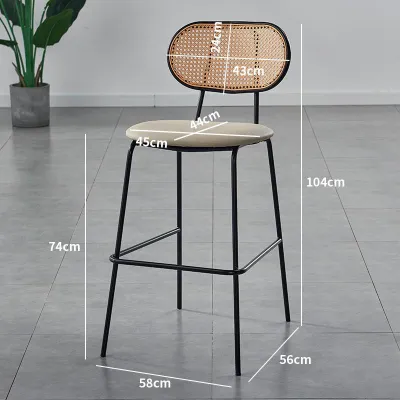
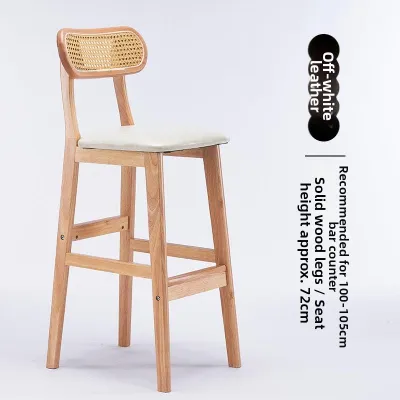
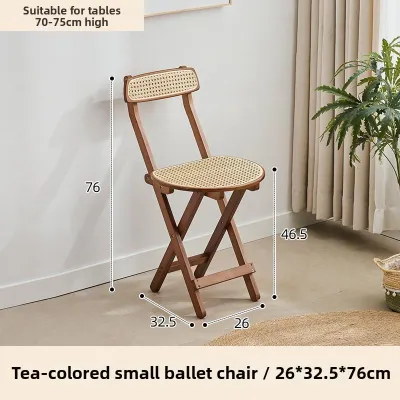
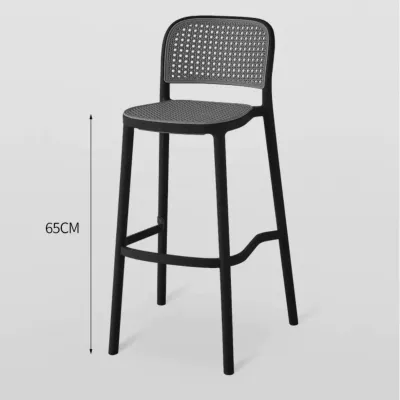
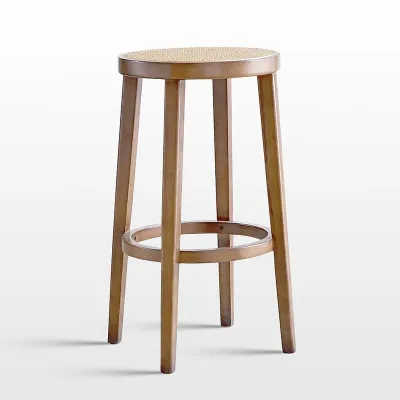
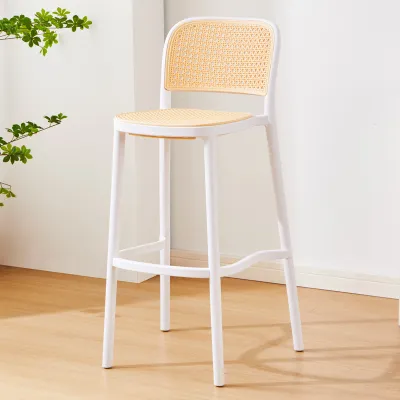
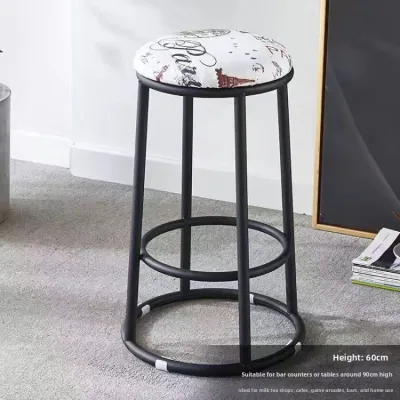
Prices are valid at publication and may change. Please refer to the product page for the latest price.
Synthetic rattan, often referred to as resin wicker or PE rattan, is a man-made alternative engineered to replicate the appearance of natural vine. High-quality synthetic rattan is extruded from High-Density Polyethylene (HDPE), a durable polymer that can be infused with UV inhibitors and color pigments throughout the material. Lower-end synthetic stools may use Polyvinyl Chloride (PVC) or standard polyurethane, which tend to be more brittle and less resilient over time.
A common point of confusion is the term “wicker.” Wicker is not a material itself, but rather the ancient weaving technique used to construct the furniture. Both natural and synthetic rattan are woven using wicker techniques, meaning a wicker bar stool could be made of either material.
The structural foundation of a bar stool also differs significantly between the two types. Natural rattan stools often utilize thick, solid rattan poles, solid wood, or internal metal frames to provide the structural integrity required for elevated bar-height seating. Synthetic rattan, designed primarily for outdoor or high-wear environments, is almost always woven over an internal frame of lightweight, rust-proof powder-coated aluminum or stainless steel to ensure long-term stability and weather resistance.
Before purchasing any bar stool, always measure your counter height to ensure a comfortable seating clearance of 25 to 30 centimeters between the seat and the underside of the counter. Additionally, verify the stool’s load capacity, base stability, and whether it arrives fully assembled or requires manual assembly, especially when navigating tight doorways or lift access in high-rise apartments.
Durability and Climate Resistance for Your Rattan Bar Stool
When evaluating seating for your home, environmental conditions play a decisive role in material longevity. In a tropical climate like Singapore, characterized by year-round high humidity, intense UV exposure, and heavy rainfall, these materials perform in starkly different ways.

Natural rattan is highly sensitive to its surrounding environment. Because it is porous, it readily absorbs moisture from the air. In humid spaces, this trapped moisture can lead to mold, mildew, and structural softening, which gradually weakens the joints. Conversely, prolonged exposure to direct sunlight or dry, air-conditioned draft zones can strip the natural moisture from the vine, causing it to become brittle, split, or fade. For these reasons, natural rattan stools are best reserved for indoor spaces protected from climate extremes.
Synthetic rattan, particularly when crafted from premium HDPE, is specifically engineered to withstand harsh weather conditions. It is entirely waterproof, meaning it will not swell, warp, or harbor mold when exposed to rain or high humidity. High-grade HDPE also features built-in UV stabilizers that prevent the material from breaking down, cracking, or fading under intense tropical sunlight.
However, the durability of a synthetic stool is only as good as its underlying frame. If you are placing synthetic stools outdoors, you must verify the frame material. Untreated steel frames wrapped in synthetic rattan will quickly rust from the inside out when exposed to moisture, leaving unsightly orange stains on your patio tiles and compromising the stool’s structural safety. Look for powder-coated aluminum frames, which offer excellent rust resistance and structural longevity in humid or coastal environments.
Aesthetics, Comfort, and Design Appeal
Beyond durability, the visual and tactile qualities of your seating will define the atmosphere of your dining or entertainment space. Natural rattan brings an irreplaceable organic warmth and character to an interior. The natural imperfections, slight color gradients from golden honey to deep brown, and matte finish create a sense of relaxed luxury. This aesthetic aligns beautifully with bohemian, coastal, Scandinavian, or warm minimalist interior design themes, adding texture and depth that synthetic alternatives struggle to replicate.
Modern synthetic rattan has made massive strides in visual quality. High-end manufacturers now produce multi-tonal, textured strands that mimic the look and feel of natural fibers quite convincingly from a distance. However, upon closer inspection, synthetic rattan still exhibits a level of uniformity in its weave and color that reveals its manufactured origin. It is highly suited for contemporary outdoor settings, modern transitional spaces, and sleek, minimalist pool decks where clean lines and consistent coloring are preferred.
Comfort is another key consideration for bar-height seating, where guests often sit for extended periods. Natural rattan possesses an inherent elasticity; the fibers have a subtle “give” that molds slightly to the body, providing a naturally comfortable seat. Synthetic rattan can feel firmer and more rigid, depending on the tension of the weave and the thickness of the plastic strands.
Regardless of the material, overall comfort is heavily influenced by the stool’s ergonomic design rather than just the weave. When selecting a stool, pay close attention to the depth of the seat pan, the angle of the backrest, and the presence of a well-positioned footrest. For both natural and synthetic options, adding a removable, high-density foam cushion wrapped in performance fabric can dramatically enhance comfort while protecting the woven seat underneath from direct wear.
Everyday Maintenance and Cleaning
The effort required to keep your bar stools looking pristine is a major factor in long-term satisfaction. Before purchasing, review the care instructions for both materials to ensure they align with your lifestyle.
Caring for Natural Rattan
Natural rattan requires a gentle, attentive touch to preserve its structural integrity and finish.
- Routine Dusting: Use a vacuum cleaner equipped with a soft brush attachment to gently pull dust and debris out of the tight crevices of the wicker weave. Alternatively, a dry, soft-bristled paintbrush works exceptionally well for dusting hard-to-reach areas.
- Damp Cleaning: For occasional deeper cleaning, wipe the stool down with a soft microfiber cloth slightly dampened with a mixture of warm water and a tiny drop of mild dish soap. Never saturate the wood or allow water to pool in the joints, as this can trigger mold growth or weaken the adhesives.
- Drying: If the stool does get damp, dry it immediately with a clean towel and allow it to air dry completely in a well-ventilated indoor space before sitting on it.
- Conditioning: To prevent the natural fibers from drying out and cracking over time, consider applying a thin coat of high-quality furniture oil or liquid beeswax once or twice a year, buffing it gently with a dry cloth.
- Avoid Harsh Chemicals: Never use abrasive scrubbers, bleach, or solvent-based cleaners, as these will strip the protective clear lacquer and dry out the underlying vine.
Caring for Synthetic Rattan
Synthetic rattan is incredibly forgiving and requires minimal upkeep, making it ideal for busy households with children or pets.
- Washing Down: You can easily clean synthetic stools by wiping them down with a sponge and soapy water. If used outdoors, they can even be gently hosed down with clean water to remove dust, pollen, or outdoor grime.
- Stain Resistance: Because the material is non-porous, spilled drinks, sauces, or sunscreen can be wiped away quickly without leaving permanent stains.
- Deep Cleaning: For accumulated dirt in the weave, a soft nylon brush can be used to scrub the surface without fear of scratching or unraveling the synthetic fibers.
- No Conditioning Needed: Unlike natural wood products, synthetic resin requires no oils, waxes, or sealants to maintain its flexibility.
Cost, Lifespan, and Long-Term Value
Investing in bar stools requires balancing the upfront purchase price against the expected lifespan of the furniture.
The pricing of natural rattan stools is primarily driven by the grade of the raw vine, sustainable harvesting practices, and the level of hand-weaving craftsmanship involved. Because high-quality natural rattan requires skilled manual labor to steam, bend, and weave, premium indoor stools can represent a significant financial investment. However, when kept strictly indoors in a stable, climate-controlled environment, a well-made natural rattan stool can easily last for decades, making its long-term cost-per-use exceptionally low.
The price of synthetic rattan stools varies widely based on the quality of the polymers and the frame construction. Cheap synthetic stools made with PVC weaves and untreated steel frames are highly affordable upfront but often degrade within a year or two of outdoor exposure, as the plastic cracks under UV light and the frame rusts. Conversely, premium synthetic stools made with commercial-grade HDPE and powder-coated aluminum frames carry a higher initial price tag but are built to endure years of harsh outdoor exposure without structural failure.
When assessing value, consider your specific usage scenario. If you place a premium natural rattan stool on an exposed outdoor patio, its lifespan may be cut short to just a few months due to moisture and sun damage, representing poor value. Placing a high-quality synthetic stool in that same outdoor space, or choosing a beautiful natural stool for your indoor kitchen island, ensures your investment delivers maximum utility and aesthetic pleasure for years to come.
Final Verdict: How to Choose the Right Rattan Bar Stool
To make your final decision, evaluate your home’s layout, your local climate, and your personal maintenance preferences against this clear decision framework.
Choose Natural Rattan if:
- The bar stools will be placed strictly indoors, such as at a kitchen island, dry bar, or dining counter.
- You prioritize the authentic, warm, and highly unique aesthetic of real organic materials.
- You appreciate artisanal craftsmanship and do not mind performing light, regular dusting and occasional conditioning.
- Your home is climate-controlled, minimizing extreme fluctuations in humidity and temperature.
Choose Synthetic Rattan if:
- The stools will be used on an outdoor patio, poolside deck, or an open-air bar area.
- You want hassle-free, low-maintenance furniture that can be easily wiped down or hosed off after spills.
- Your household includes young children or pets, where liquid spills and heavy wear are frequent occurrences.
- You prefer a highly consistent, modern, and uniform design aesthetic.
Verify First if:
- You are purchasing stools for a semi-outdoor space, such as a covered balcony or veranda. While protected from direct rain, these areas are still subject to ambient humidity and wind-blown moisture. Before choosing natural rattan for these spaces, check the manufacturer's specific warranty and guidelines. If the area is prone to dampness, high-quality synthetic rattan remains the safer, more durable choice.
| Feature | Natural Rattan | Synthetic (HDPE) Rattan |
|---|---|---|
| Best Placement | Strictly Indoors | Outdoors, Patios, & High-Humidity |
| Weather Resistance | Low (Vulnerable to moisture & UV) | High (Waterproof & UV-resistant) |
| Maintenance Level | Moderate (Gentle cleaning, periodic oiling) | Low (Easy soap-and-water wash) |
| Aesthetic Style | Warm, organic, unique variations | Modern, uniform, contemporary |
| Frame Material | Solid rattan, wood, or steel | Powder-coated aluminum or steel |
| Average Lifespan | Decades (when kept indoors) | Several years (outdoors, depending on UV) |
Frequently Asked Questions (FAQ)
Can I leave natural rattan bar stools outside on a covered balcony?
It is generally not recommended to leave natural rattan bar stools on a covered balcony. Even if protected from direct rain, natural rattan is highly sensitive to ambient humidity, temperature shifts, and wind-blown moisture. Over time, the damp air can cause the fibers to swell, harbor mold, and weaken structurally, while indirect sunlight can dry out and crack the wood. For semi-outdoor balconies, high-quality synthetic HDPE rattan is a much more reliable and long-lasting choice.
How do I stop synthetic rattan from fading in the sun?
While high-quality HDPE synthetic rattan is engineered with built-in UV stabilizers to resist fading, prolonged exposure to intense, direct sunlight will eventually cause some color degradation over several years. To maximize their lifespan, position your stools in shaded areas during peak sunlight hours or use breathable, UV-resistant furniture covers when they are not in use. Always check the manufacturer’s care instructions before applying any aftermarket UV-protectant sprays to ensure compatibility with the specific resin material.
Community discussion
Share your experience or ask a question. Comments are reviewed before publication.