
Quick Answer: Natural vs Synthetic Rattan Bar Stools
Choosing the perfect seating for your home counter often comes down to a fundamental material choice: natural versus synthetic rattan. Natural rattan is an organic, solid vine harvested from tropical forests, celebrated for its warm, artisanal charm and unique texture. In contrast, synthetic rattan—frequently referred to as resin wicker—is a manufactured material, typically made from high-density polyethylene (HDPE) or polyvinyl chloride (PVC), woven over a supportive metal frame.
The primary rule of thumb for making your decision rests on the intended environment of your bar stools. Natural rattan is best suited for indoor, climate-controlled spaces where its authentic beauty can be preserved without exposure to harsh weather elements. Synthetic rattan is the superior option for outdoor balconies, patios, or semi-outdoor wet kitchens because of its engineered resistance to moisture, rain, and intense sunlight. Balancing where you plan to place the stools, your willingness to perform regular maintenance, and your budget will lead you to the ideal choice.
Understanding the Materials: Natural vs Synthetic Rattan
To make an informed purchase, you must first understand what these materials are made of and how they are constructed. While they may look similar from a distance, their structural properties, origin, and longevity are entirely different.
Products mentioned in this guide
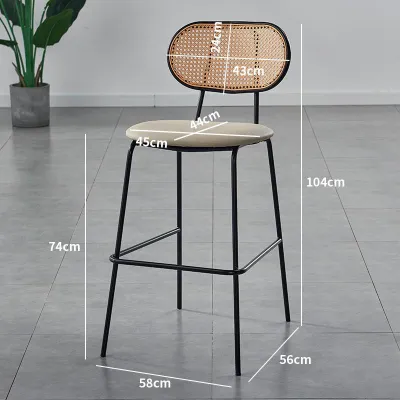
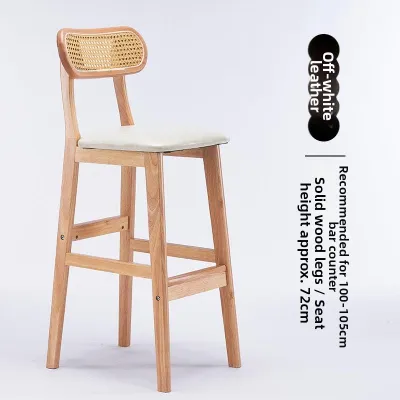
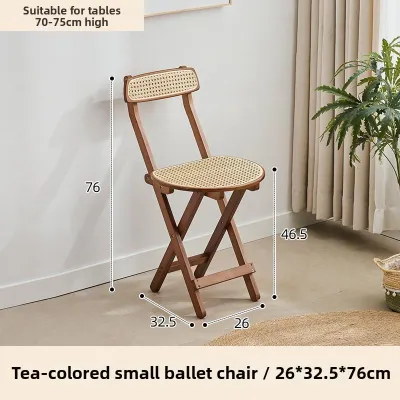
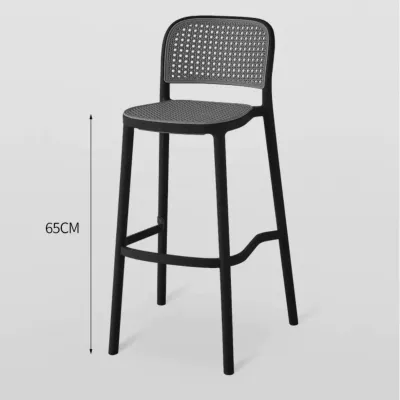
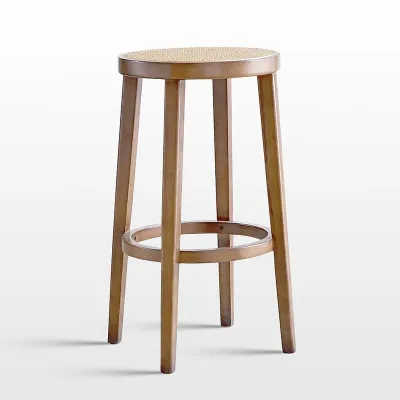
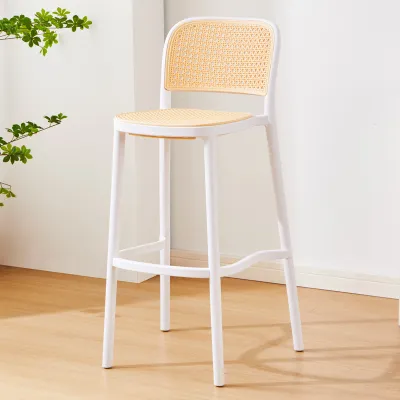
Prices are valid at publication and may change. Please refer to the product page for the latest price.

Natural Rattan
Natural rattan is sourced from climbing palms native to tropical regions. Unlike bamboo, which is hollow, rattan is a solid, fibrous vine that is incredibly strong yet flexible when heated. Artisans peel the outer skin to create cane for detailed weaving, while the inner core is utilized to construct sturdy furniture frames and thicker wicker patterns.
Because it is a natural product, every natural rattan bar stool features organic variations in color, grain, and texture. These slight irregularities and tonal shifts are highly prized, giving each piece a distinct, handcrafted character that mass-produced materials cannot fully replicate. When shopping, always check the product label or manufacturer specifications to identify the specific plant species used and to verify if the weave has been treated with a protective clear coat or lacquer to guard against dust and light moisture.
Synthetic Rattan (PE/PVC Wicker)
Synthetic rattan is an engineered alternative designed to replicate the appearance of natural fibers while overcoming their environmental vulnerabilities. The manufacturing process involves extruding synthetic resins into long, flexible strands that are then hand- or machine-woven over a structural frame, which is typically made of metal.
The quality of synthetic rattan depends heavily on the specific polymer used. High-Density Polyethylene (HDPE) is the premium standard, offering excellent flexibility, recycling potential, and resistance to cracking or fading. Polyvinyl Chloride (PVC) is a more economical option but tends to become brittle and crack over time when exposed to heat. Before buying, check the product tags and manufacturer specifications to confirm the exact resin type and verify any weather-resistance claims, as generic “wicker” labels do not guarantee long-term outdoor performance.
Durability and Maintenance in a Tropical Climate
Living in a tropical climate like Singapore’s introduces unique environmental challenges for home furniture. High relative humidity, frequent heavy downpours, and intense afternoon sun will test the limits of both natural and synthetic materials.
Natural Rattan Natural rattan is highly sensitive to moisture and humidity. In a tropical environment, prolonged exposure to damp air can cause the organic fibers to absorb water, leading to mold growth, warping, and a gradual weakening of the joints. To prevent these issues, natural rattan bar stools must be kept strictly indoors in well-ventilated, dry areas.
For safe, low-risk maintenance of natural rattan, establish a gentle cleaning routine. Dust the stools weekly with a soft-bristled brush or vacuum them using a brush attachment to remove debris from the crevices. If the surface requires deeper cleaning, wipe it down with a microfiber cloth that is barely damp with plain water, then dry the area immediately with a soft towel. Avoid placing natural rattan directly in front of air-conditioning vents, which can dry out the fibers and cause cracking, and keep them away from open windows where sudden rain showers might splash them. Always check the manufacturer’s care instructions before applying any specialized wood cleaners or polishes.
Synthetic Rattan Synthetic rattan is engineered to withstand water, humidity, and temperature fluctuations without rotting or warping. This makes it an exceptionally durable choice for high-humidity areas, including open-air balconies, poolside decks, and semi-outdoor kitchens.
Cleaning synthetic rattan is straightforward and highly reversible. You can wash the woven surfaces with a soft cloth dipped in mild, soapy water, then rinse them with clean water. If the stool’s design and frame permit, you can gently hose down the furniture to remove accumulated dust and outdoor grime. However, always check the manufacturer’s care label for approved cleaning agents. Avoid using abrasive scrubbers or harsh chemical solvents, which can degrade the protective coatings on the plastic resin or damage the underlying frame. If instructions conflict, the item is unidentified, or the use is not covered, stop and consult the manufacturer or a qualified professional.
Frame Considerations The longevity of any bar stool relies heavily on its internal frame, which provides structural stability and load capacity. For synthetic outdoor stools, the frame material is critical; look for powder-coated aluminum, which is naturally rust-resistant and lightweight. Untreated steel or iron frames will quickly rust when exposed to Singapore’s humid air, even if the synthetic weave on top remains intact. Always verify the frame specifications, joint construction, and rust-resistance ratings on the product label before finalizing your purchase.
Aesthetics and Comfort: Matching Your Home Decor
Beyond durability, the visual and physical experience of your bar stools plays a major role in how much you will enjoy them daily. Your choice should complement your home’s interior design while offering a comfortable place to sit.
Visual Appeal Natural rattan brings an unmistakable warmth, texture, and organic elegance to home interiors. Its soft, matte finish and natural color variations pair beautifully with Japandi, Scandinavian, bohemian, and coastal design styles. It adds a relaxed, lived-in feel that softens the clean lines of modern kitchen islands.
Synthetic rattan offers a highly uniform, clean, and consistent appearance. High-quality HDPE wicker can mimic the texture and multi-tonal shading of natural vine remarkably well, but a closer inspection will reveal a slight sheen and a more repetitive pattern. Synthetic options are available in a much wider range of colors, from sleek charcoal grey to crisp white, allowing you to match modern, minimalist, or industrial outdoor decors.
Tactile Feel The physical sensation of sitting on these materials differs. Natural rattan has a warm, smooth, and slightly yielding feel that adapts comfortably to room temperature. Synthetic rattan can feel cooler, stiffer, and occasionally slightly plasticky to the touch, depending on the quality of the resin and the thickness of the strands.
Comfort and Ergonomics A comfortable bar stool requires proper weave tension, an ergonomic seat shape, and adequate support. Because synthetic strands are highly elastic, they can stretch slightly to contour to your body, but they require a tight weave to prevent sagging over time.
To enhance comfort, consider the addition of cushions. Check if the bar stools include removable, washable seat cushions, or if they can accommodate standard third-party cushions. Washable cushions are particularly beneficial for synthetic outdoor models, as outdoor fabrics can collect dust, pollen, and moisture. Ensure that any outdoor cushions feature water-resistant, UV-stable fabrics to prevent mold growth and color fading.
Price and Value: Evaluating Your Budget and Long-Term Use
Understanding the cost drivers behind each material will help you evaluate the long-term value of your investment, ensuring you do not overspend or buy furniture that needs premature replacement.
Natural rattan bar stools generally carry a premium price tag. This cost is driven by the labor-intensive process of harvesting the wild vines, transporting them, treating the raw material, and hand-weaving the intricate patterns. Because of this craftsmanship, high-quality natural rattan is viewed as an investment piece for indoor spaces, offering excellent durability when maintained in a controlled environment.
Synthetic rattan stools span a much wider price spectrum, directly reflecting the quality of their components. Low-cost options often utilize cheap PVC plastic woven over thin, untreated steel frames; while attractive to budget-conscious buyers, these stools are prone to rusting and cracking within a year or two in tropical conditions. Premium synthetic stools feature UV-stabilized HDPE wicker woven over thick, powder-coated aluminum frames. While these carry a higher upfront cost, they offer superior value over time by resisting rust, fading, and structural degradation for many years.
When evaluating price-to-value, consider the cost per year of use. Purchasing a cheap, untreated indoor natural rattan stool to place on a humid, sun-drenched balcony is a poor investment, as the material will quickly deteriorate. Matching the material’s specifications to its actual usage environment is the most effective way to maximize your budget.
Decision Guide: Choosing the Right Rattan Bar Stool
To finalize your choice, evaluate your home’s specific layout, environmental conditions, and lifestyle preferences. Use this conditional framework to guide your decision.
Choose Natural Rattan if:
- The bar stools will be placed strictly indoors, such as around a kitchen island, dining counter, or dry home bar.
- You prioritize authentic, organic materials and appreciate the unique, handcrafted variations of real wood.
- You are comfortable performing gentle, regular dusting and maintaining a stable indoor humidity level.
- Your home interior style leans toward Japandi, bohemian, coastal, or warm rustic aesthetics.
Choose Synthetic Rattan if:
- The stools are intended for an outdoor patio, HDB balcony, poolside deck, or a semi-outdoor wet kitchen.
- You require high resistance to moisture, rain, direct sunlight, and humidity.
- You prefer low-maintenance furniture that can be easily wiped down or washed with mild soapy water.
- You want a wider selection of colors and a modern, uniform aesthetic.
Final Verification: Before making any furniture purchase, you must verify the physical dimensions and structural limits of the bar stools to ensure they fit your space perfectly. Measure your counter height carefully: standard kitchen counters (around 90cm high) pair best with counter stools (seat height of 60cm to 65cm), while bar counters (around 105cm high) require true bar stools (seat height of 75cm to 80cm).
Ensure there is at least 25cm to 30cm of clearance between the seat and the underside of the counter for comfortable leg movement. Additionally, check the available floor space to ensure the stools can be pulled out easily without blocking walkways. For Singapore apartments, always measure your doorway and lift access dimensions before ordering fully assembled furniture to guarantee a smooth delivery process. Finally, verify the manufacturer’s stated load capacity and stability specifications to ensure the stools are safe for daily household use.
Frequently Asked Questions (FAQ)
Can I leave natural rattan bar stools outside in Singapore?
No, you should strongly avoid leaving natural rattan bar stools outdoors or in exposed, semi-outdoor areas in Singapore. The region’s intense tropical humidity and frequent heavy rain will cause the natural fibers to absorb moisture, leading to rapid mold growth, wood rot, warping, and structural failure. For balconies, patios, and outdoor bars, always select high-quality synthetic rattan or other weather-proof materials.
How do I stop synthetic rattan from fading in the sun?
While high-quality HDPE synthetic wicker is manufactured with built-in UV inhibitors to resist sun damage, prolonged exposure to direct sunlight can still cause gradual fading or brittleness over several years. To protect your stools, check the manufacturer’s UV-resistance rating on the product label before buying. When the stools are not in use, protect them by using weather-resistant furniture covers or placing them under patio umbrellas or awnings.
Are rattan bar stools sturdy enough for daily use?
Yes, rattan bar stools can be highly durable and sturdy enough for daily household use, but this depends primarily on the quality of their internal frame and joint construction rather than the woven material itself. When shopping, inspect the frame specifications—look for solid wood or metal frames with reinforced joints—and verify the manufacturer’s stated weight capacity to ensure the stools can easily support daily seating demands.
Community discussion
Share your experience or ask a question. Comments are reviewed before publication.