
In Singapore’s dynamic real estate landscape, maximizing floor space is a constant priority for homeowners. Whether you are moving into a newly completed Housing & Development Board (HDB) flat or renovating a compact condominium, selecting furniture that serves multiple purposes is key to maintaining an organized, clutter-free home. A wooden storage bench is one of the most versatile investments you can make, seamlessly blending comfortable seating with hidden storage. To find the best wooden storage bench brands in Singapore, you must navigate a market divided into three main options: local custom woodworking studios, established physical showrooms, and reputable online platforms. The ideal brand for your home depends on how you balance your budget, customization needs, and the specific functional requirements of your space.
Choosing the right brand requires looking beyond aesthetic appeal to evaluate structural integrity, material suitability for a tropical climate, and genuine utility. A high-quality bench does not merely hide clutter; it enhances the daily flow of your household by serving as an entryway organizer, a dining seat, or a temporary workspace. By understanding the hallmarks of superior craftsmanship and identifying the retail avenues that best suit your purchasing style, you can select a piece that offers lasting value and elevates your home’s interior design.
What Makes a Wooden Storage Bench Truly Multi-Functional?
Multi-functionality in furniture is often talked about, but not all designs deliver practical utility. A truly multi-functional wooden storage bench must successfully balance three core elements: comfortable primary seating, accessible and secure integrated storage, and a secondary utility that addresses a specific spatial challenge. When these three aspects are engineered correctly, the bench becomes a hardworking anchor piece in your home rather than a static box that is difficult to use.
Products mentioned in this guide
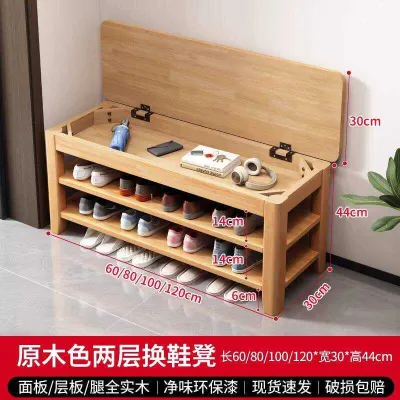
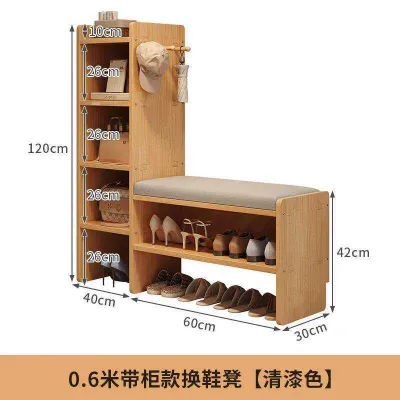
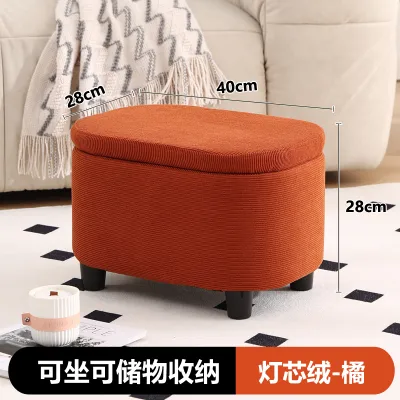
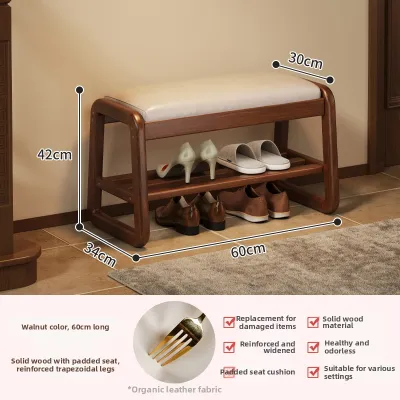
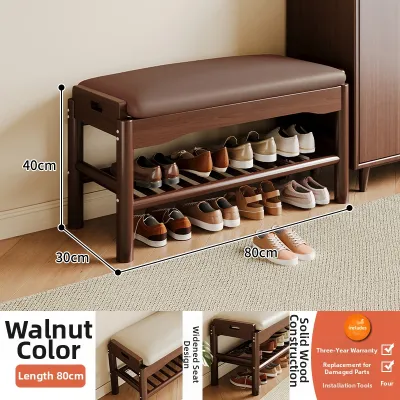
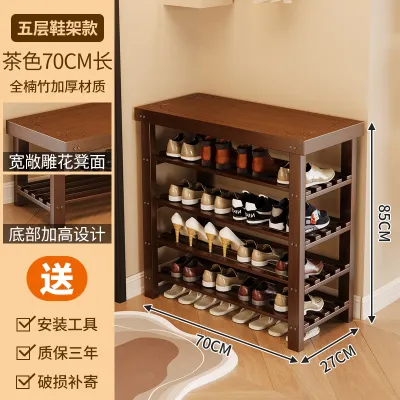
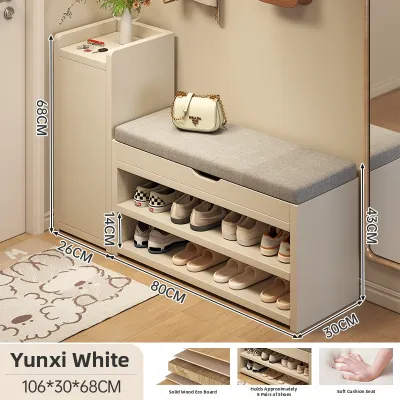
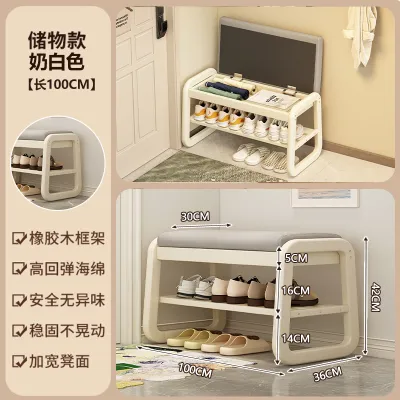
Prices are valid at publication and may change. Please refer to the product page for the latest price.
Primary seating requires a design that supports weight comfortably and safely. A well-designed bench features an ergonomic height—typically between 40 to 45 centimeters from the floor—making it easy to sit on while putting on shoes or dining. The top surface must be structurally reinforced to support multiple adults simultaneously without bowing or creaking. Brands that prioritize multi-functionality often integrate high-density foam cushions covered in durable, easy-to-clean fabrics, or they finish the solid wood top to a smooth, snag-free touch.
Concealed or integrated storage is the second pillar of utility. Rather than offering a simple hollow cavity, superior brands design storage compartments tailored to specific household items. This can include smooth-gliding drawers, drop-down front panels, or lift-top lids supported by safety hinges. The storage space should be easy to access without requiring you to completely dismantle the seating area or remove heavy decorative items every time you need to retrieve an object.
Secondary utility is what elevates a basic bench into a highly functional piece. This utility might manifest as built-in shoe slots, integrated side umbrella stands, fold-out side tables, or a modular design that allows the bench to split into individual stools. In compact Singaporean apartments, these integrated features eliminate the need for secondary furniture pieces, keeping walkways clear and preserving precious floor area.
How to Evaluate the Quality of Wooden Storage Bench Brands
When researching furniture brands in Singapore, you will encounter a wide range of price points and material claims. Because independent, standardized testing data for individual furniture brands is rarely public, you must know how to evaluate build quality yourself. Assessing wood selection, hardware, weight capacity, and finish will help you identify a durable piece that can withstand daily use.

Wood Selection and Treatment
Singapore’s tropical climate, characterized by high relative humidity and consistent warmth, presents unique challenges for wooden furniture. Solid hardwoods like teak, oak, walnut, and mahogany are highly resilient, but they must be properly seasoned and kiln-dried by the manufacturer to minimize warping, cracking, or splitting. Teak is highly favored in Singapore due to its natural oils, which offer inherent resistance to moisture and pests.
If you are considering brands that use engineered wood, such as medium-density fibreboard (MDF) or plywood, verify that they use high-grade, moisture-resistant variants finished with quality wood veneers. Unprotected, low-grade engineered wood can absorb ambient moisture, leading to swelling and structural degradation over time. Always check the manufacturer’s product specifications for details on moisture-resistant treatments or protective sealants.
Joinery and Hardware
The longevity of a storage bench relies heavily on how its joints are constructed and the quality of its moving parts. High-quality brands utilize traditional woodworking joinery—such as mortise-and-tenon or dovetail joints—which distributes weight and stress evenly across the frame. Benches held together solely by basic wood screws or staples are prone to loosening and wobbling after a few months of use.
Hardware is equally critical, especially for lift-top or drawer-access benches. Look for brands that specify the use of heavy-duty, soft-close hydraulic hinges or gas struts. These mechanisms prevent the heavy wooden lid from slamming shut, protecting fingers and reducing impact stress on the wooden frame. For drawer units, full-extension ball-bearing glides ensure smooth operation even when the drawers are fully loaded.
Weight Capacity and Stability
Before purchasing, always verify the manufacturer’s stated maximum weight capacity. A reliable entryway or dining bench should comfortably support at least 150 to 200 kilograms of static weight to accommodate multiple users. Brands that stand by their quality will explicitly state these weight limits in their product documentation.
Stability is another crucial safety factor. The bench must have a low center of gravity and a wide, stable base to prevent tipping when someone sits on the edge or when drawers are pulled out fully. If the bench is tall or features a high backrest, check if the brand includes wall-anchoring hardware to secure the unit safely, especially if the bench is placed on uneven flooring.
Finish and Maintenance
Even the finest wood will deteriorate without a proper protective finish. Evaluate whether the brand uses polyurethane, lacquer, or natural oil finishes, as each requires a different level of care. Polyurethane provides a hard, scratch-resistant barrier that is easy to wipe clean, making it ideal for high-traffic entryways or dining areas.
Natural oil finishes highlight the wood’s organic texture but require periodic reapplication to maintain their protective qualities. Review the manufacturer’s care label prior to purchase. If a brand does not provide clear instructions on cleaning, scratch repair, or moisture protection, it may indicate a lack of long-term product support.
Multi-Functional Designs to Match Your Space and Needs
Different areas of your home demand different functional configurations. To choose the right wooden storage bench, match the specific design features of the bench to the spatial constraints and daily habits of your household.
Entryway Organizers with Shoe Storage
The entryway is the most common location for a storage bench in Singaporean homes. This area requires a piece that facilitates the transition between the outdoors and indoors, keeping footwear, keys, and daily essentials organized. Benches designed for this space typically combine a comfortable top seat with open, ventilated lower shelves or pull-out shoe drawers.
When selecting an entryway bench, ventilation is vital. Closed compartments can trap moisture and odors from damp shoes, creating an environment prone to mold growth. Look for designs featuring slatted wooden shelves or breathable mesh panels. Additionally, measure your corridor width carefully; ensure the bench’s depth allows for comfortable passage and does not obstruct the swing of your main door or household shelter door.
Convertible Dining and Workspace Benches
For multi-purpose rooms or open-concept living areas, convertible wooden benches offer exceptional utility. These innovative designs feature lift-top mechanisms or sliding panels that transform the bench seating into a temporary desk, a vanity station, or an extended dining surface. This flexibility is highly beneficial for those who work from home but do not have space for a dedicated study.
When evaluating convertible designs, pay close attention to the stability of the extended surface. The lifting hardware must lock securely in place to prevent wobbling while typing or dining. Furthermore, verify if the internal storage compartment remains accessible when the top is extended. If you have to clear the entire desktop just to retrieve an item from the storage cavity, the design fails the test of practical multi-functionality.
Modular and Expandable Seating Systems
Modular wooden storage benches consist of individual units—such as nesting stools or interlocking wooden cubes—that can be arranged together to form a long bench or separated to serve as individual seats and side tables. This design is highly adaptable, allowing you to reconfigure your living room layout when hosting guests.
If you choose a modular system, inspect the connecting hardware. High-quality brands use secure, recessed latching systems or heavy-duty magnets to prevent the individual modules from shifting or sliding apart when joined. Additionally, verify the load-bearing capacity of each individual module to ensure they are safe to use as standalone seats.
Where to Find Reputable Furniture Brands and Retailers in Singapore
Navigating the furniture retail landscape in Singapore requires understanding the trade-offs associated with different shopping channels. You can source your wooden storage bench from local custom woodworking studios, brick-and-mortar showrooms, or online home furnishing platforms.
Local Custom Woodworking Studios
If you have a highly specific niche, a unique entryway layout, or a desire for a particular wood species, local custom woodworking studios are an excellent option. These craftsmen can build a storage bench to your exact dimensions, ensuring a perfect fit and allowing you to choose the precise wood type, joinery, and finish.
- Pros: Tailored dimensions, premium material selection, superior hand-crafted joinery, and personalized design input.
- Cons: Higher price points (typically starting from S$1,000 and scaling upward based on wood choice) and longer production lead times, often ranging from four to twelve weeks.
Established Brick-and-Mortar Furniture Showrooms
For buyers who prefer a hands-on shopping experience, visiting established furniture showrooms in retail hubs like Tan Boon Liat Building, Ubi, or Toh Guan is highly recommended. This allows you to physically test the comfort of the seat, inspect the wood finish under natural light, and operate the hinges and drawers yourself.
- Pros: Ability to assess build quality firsthand, immediate assistance from sales staff, and clearer expectations regarding delivery timelines and stock availability.
- Cons: Limited customization options, higher price points than online-only retailers due to showroom overheads, and fixed dimensions that may not fit tight spaces perfectly.
Reputable Online Home Furnishing Platforms
Online furniture platforms offer the widest variety of designs, materials, and price points. They are highly convenient for comparing technical specifications, dimensions, and customer feedback across multiple brands from the comfort of your home.
- Pros: Highly competitive pricing (often ranging from S$150 to S$600), convenient home delivery, and a broad array of multi-functional designs.
- Cons: Inability to physically inspect the product before purchase, potential variance in wood color due to screen calibration, and the frequent requirement for self-assembly.
Your Pre-Purchase Checklist for Singapore Homes
Before finalizing your purchase and committing to a specific wooden storage bench brand, complete this practical checklist to ensure the piece integrates seamlessly into your home and lifestyle.
- Verify Spatial and Logistical Dimensions: Measure the exact spot where the bench will sit, checking for clearance against baseboards, light switches, and power outlets. Do not forget to measure your home's entry points. Ensure the packaged bench can fit through your front door, narrow hallway corners, and the elevator doors of your HDB or condominium building.
- Assess Environmental Suitability: Consider where the bench will be placed. If it will sit near a window with direct afternoon sunlight, ensure the wood finish has UV-resistant properties to prevent fading and cracking. If placed near a bathroom or an open-concept kitchen, prioritize solid woods with moisture-resistant sealants over standard engineered wood.
- Confirm Assembly and Delivery Details: Clarify whether the retailer includes professional delivery and assembly in the purchase price, or if these services require an additional fee. If you choose a flat-packed bench for self-assembly, ensure you have the necessary tools (such as a rubber mallet, screwdriver, or hex keys) and that the assembly instructions are clear and comprehensive.
- Review Warranty and After-Sales Support: Read the warranty terms carefully. A reputable brand should offer at least a one-year warranty covering structural defects, joint failures, and malfunctioning hardware like hydraulic struts or drawer glides. Understand the retailer's return and exchange policy in case the bench arrives damaged or does not match the advertised specifications.
Frequently Asked Questions (FAQ)
How do I maintain a wooden storage bench in a humid climate?
To preserve a wooden storage bench in Singapore’s humid climate, always prioritize the manufacturer’s specific care label instructions. Ensure the room where the bench is placed remains well-ventilated, and avoid placing the furniture directly against damp, exterior-facing walls, which can trap moisture and encourage mold growth. Maintain a gap of at least two to three centimeters between the bench and the wall to facilitate airflow.
For regular cleaning, wipe the surface with a dry or slightly damp microfiber cloth; avoid saturated cloths that leave standing water on the wood. Use only wood-safe cleaners recommended by the brand, and avoid harsh chemical solvents or abrasive scrubbing pads that can strip the protective sealant. If the bench has a natural oil finish, reapply a compatible wood oil according to the manufacturer’s recommended schedule to maintain its moisture barrier.
Community discussion
Share your experience or ask a question. Comments are reviewed before publication.