
Maximizing Floor Space in Compact Singapore Homes
Living in a modern Singaporean apartment, whether it is a newly built BTO flat or a sleek condominium, requires a thoughtful approach to spatial planning. With average home sizes becoming more streamlined, finding furniture that serves multiple purposes is no longer just a design preference—it is a practical necessity. A versatile stool with storage offers an elegant solution to this challenge, acting as a comfortable seat, a steady footrest, and a hidden organizational unit all within a single compact footprint. By replacing several single-use items with one well-designed piece, you can easily minimize daily clutter and maintain an open, inviting atmosphere in your home.
This guide explores the essential design features, practical configurations, and material choices that make storage stools highly effective for compact living. From entryway organization to flexible dining room seating, understanding how to match these features to your daily routine will help you maximize every square meter of your living space.
Selecting a Stool with Storage: Designs That Minimize Clutter
When choosing furniture for tight spaces, the physical footprint of the item is only one part of the equation; you must also consider its visual weight. Bulkier, solid-sided furniture can quickly make a small room feel cramped and dark by blocking natural light and sightlines. Opting for a stool with storage that features a smart structural design ensures you gain valuable utility without overwhelming your home’s aesthetic or obstructing natural traffic flow.
Products mentioned in this guide
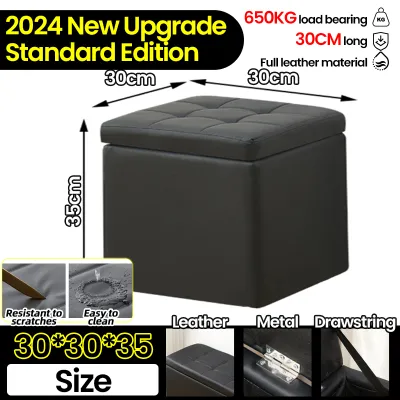
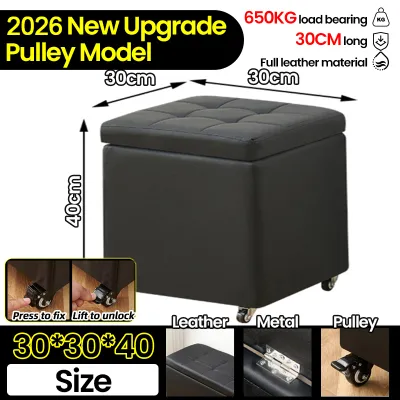
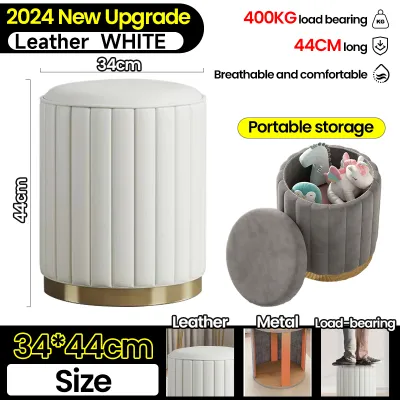
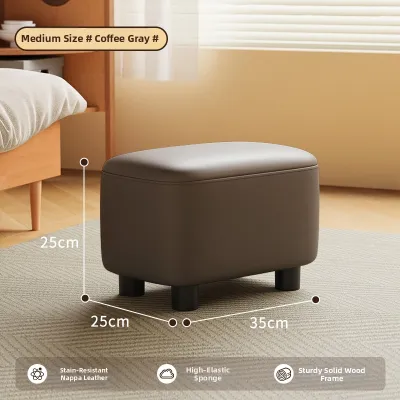
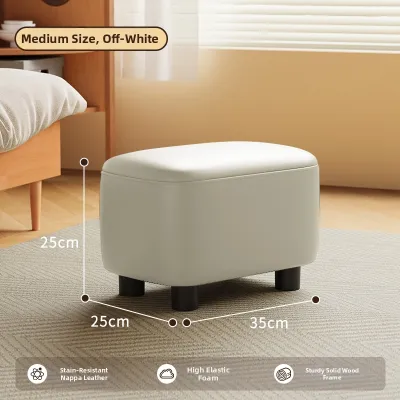
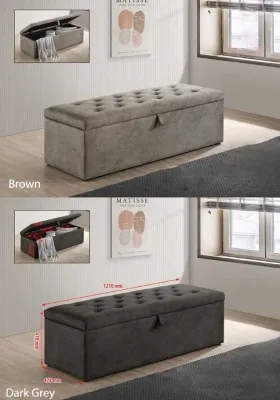
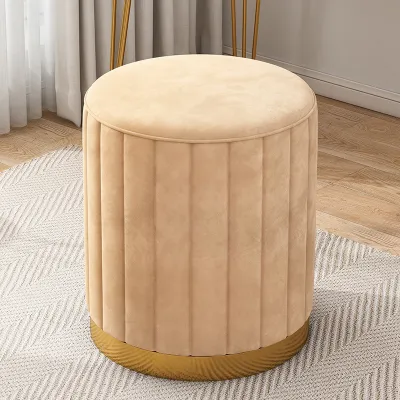
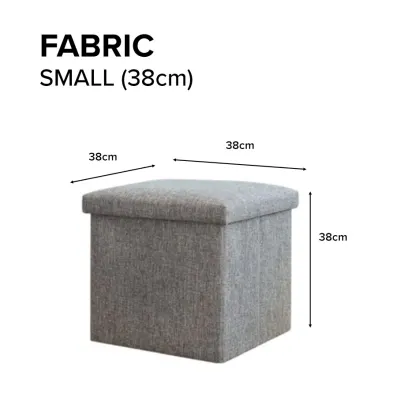
Prices are valid at publication and may change. Please refer to the product page for the latest price.

Stackable and Nesting Configurations
For households that frequently host guests but need to reclaim floor space for daily living, stackable and nesting configurations are exceptionally practical. These designs leverage vertical space, allowing you to stack multiple stools securely within the footprint of a single unit when they are not in use. When evaluating nesting options, look closely at the interlocking bases and how weight is distributed across the frame. Some models feature recessed lids or tapered legs designed specifically to slide together without putting pressure on the storage compartments. Always verify the manufacturer’s stability ratings and stacking limits, as stacking stools beyond their recommended height can compromise balance and create tipping hazards in your home.
Foldable and Collapsible Mechanisms
If you require seating that can be completely tucked away when not needed, foldable and collapsible storage stools offer ultimate space optimization. These pieces typically feature fabric or lightweight composite walls with a removable base insert that provides structural rigidity when assembled. When shopping, pay close attention to the hinge mechanisms or folding seams to ensure they operate smoothly. If the stool features a metal folding frame, check for safety locking pins or secure tension bars that prevent accidental collapsing during use. Additionally, measure the folded thickness of the stool against your intended storage gaps—such as the clearance beneath your bed frame, the narrow space beside your washing machine, or the depth of a utility closet—to ensure a perfect fit.
Slim Profiles with Hidden Compartments
For storage that remains permanently in place and accessible throughout the day, a slim-profile stool with hidden compartments is an excellent choice. These designs generally offer two main access methods: traditional lift-top lids or integrated side drawers. Lift-top stools provide wide-open access to the entire interior cavity, making them ideal for bulky items like blankets or cushions, though they require you to clear the top surface before opening. Side drawers or pull-out compartments allow you to access contents without disturbing items resting on top, but the drawer runners and internal casing can reduce the total usable volume. When analyzing product specifications, compare the external dimensions with the internal storage dimensions, as thick walls or internal hardware can significantly reduce the actual space available for your belongings.
Dual-Purpose Functions for Everyday Apartment Living
Beyond their physical shape, the true value of multi-functional stools lies in how seamlessly they adapt to your daily routines. In a compact Singaporean home, a single piece of furniture might need to transition from an entryway helper in the morning to an extra living room seat in the evening. By identifying the specific bottlenecks in your home—such as a cluttered foyer or a lack of surface space in the bedroom—you can select a stool that targets your exact lifestyle needs.
Entryway Shoe Storage and Seating
The entryway is often the most challenging zone to keep organized, particularly in HDB flats where the front door opens directly near a bomb shelter or a narrow corridor. A storage stool placed here provides a dedicated spot to sit comfortably while putting on or removing shoes, while keeping footwear tucked out of sight. If you plan to use the stool for shoe storage, prioritize designs with ventilated compartments, slatted panels, or breathable fabric linings to prevent moisture and odor buildup in Singapore’s humid climate. Before purchasing, measure the exact width of your foyer or corridor with the front door fully open to ensure the stool’s depth does not block the main walkway or violate safety clearance guidelines.
Bedside Tables with Concealed Storage
Modern bedrooms in Singapore often leave little room for traditional, bulky nightstands on either side of the bed. A compact storage stool can easily double as a bedside table, offering a flat surface for your phone, book, or water glass while keeping personal items hidden below. If you choose this setup, a flat-topped stool with a side-opening door or drawer is generally more practical than a lift-lid design, as you won’t have to clear your bedside items every time you open the compartment. Be sure to check the height compatibility of the stool against your specific mattress and bed frame; ideally, the top of the stool should sit level with or slightly below the top of your mattress for comfortable reach.
Flexible Seating for Living and Dining Areas
When hosting family gatherings or friends for dinner, having flexible seating that doesn’t permanently crowd the living or dining room is essential. Storage stools can serve as comfortable footrests (ottomans) during daily relaxation, and then transition into extra dining chairs when guests arrive. For these high-traffic areas, look for stools featuring durable, easy-to-clean upholstery—such as high-performance synthetic fabrics or wipeable treated surfaces—that can withstand spills and frequent handling. When the gathering is over, these stools should be compact enough to slide neatly under your TV console, tuck into a dining table alcove, or sit flush against a wall out of the main traffic path.
Choosing Materials for Visual Lightness and Durability
The materials you choose play a critical role in both the visual spaciousness of your room and the long-term durability of the furniture. In small spaces, stools featuring slender metal legs, elevated bases, or acrylic elements help maintain “visual lightness” by allowing light to pass underneath and around the piece, making the room feel larger than it is. Conversely, fully upholstered solid block stools tend to anchor the space and can feel visually heavy if overused.
Because Singapore’s tropical climate brings high humidity year-round, material durability is a primary concern. Rather than assuming wood, engineered composites, or fabrics are naturally resistant to mold or warping, always check the manufacturer’s care labels and product descriptions for specific humidity resistance and recommended cleaning routines. For instance, look for moisture-resistant finishes on wooden elements and breathable, mildew-resistant treatments on fabrics.
Additionally, pay close attention to the structural joints and hardware. Since a storage stool is frequently sat on, opened, and moved around, it requires robust construction. Look for reinforced corners, sturdy dowel or screw joints rather than simple glue joints, and high-quality metal hinges or drawer runners. If the stool features a lift-top lid, check that the hardware is rated for frequent use to prevent the hinges from loosening or warping over time.
Measuring Your Space and Verifying Clearances
To avoid the frustration of buying furniture that doesn’t fit or function properly, precise spatial planning is essential. Begin by measuring the exact floor footprint where the stool will sit, but do not stop there. You must also calculate the operational clearances required for the stool to function. For lift-top models, ensure there is sufficient vertical clearance and that nearby wall decorations or low shelves will not interfere with the lid when fully opened. For stools with pull-out drawers or side doors, measure the full extension distance to ensure they can open completely without striking walls, rugs, or other furniture.
Next, map out the surrounding walking pathways. A good rule of thumb in compact apartments is to maintain at least 60 to 75 centimeters of clear walkway space around furniture to ensure comfortable movement. Don’t forget to measure your home’s entry points—including doorway widths, narrow corridor turns, stairwells, and elevator dimensions—to guarantee that the delivery can be made safely without damaging your walls or the item itself. Finally, always verify the product’s stated weight capacity and structural limits in the manufacturer’s specifications to ensure it can safely support its intended use, whether that is light storage or daily seating for adults.
Frequently Asked Questions (FAQ)
This section addresses common safety, maintenance, and structural concerns to help you select and care for your multi-functional storage stool.
Can a storage stool safely support an adult's weight?
Weight capacities vary significantly based on the design, materials, and internal structural support of the stool. While some heavy-duty wooden or metal-framed stools can easily support an adult’s weight, lighter collapsible fabric models may have much lower weight limits. Always verify the manufacturer’s stated maximum load capacity in the product specifications before purchasing. If you plan to use the stool as daily seating, look for models with reinforced joints, solid wood frames, or sturdy metal legs.
Are lift-top storage stools safe around young children?
Heavy lift-top lids can pose a risk of pinched fingers if they slam shut unexpectedly. If you have young children in your home, look for storage stools equipped with soft-close safety hinges or lid stays that hold the top open at various angles. Alternatively, consider choosing stools with side drawers or open cubbies instead of lift-tops to eliminate the risk of heavy lids closing on small hands. Always check the product description to verify these safety features.
How do I prevent musty odors inside the storage compartment?
Singapore’s high humidity can lead to musty odors or mold inside enclosed storage spaces. To prevent this, ensure that any fabric items, shoes, or accessories are completely dry before placing them inside the stool. You can also place commercial moisture-absorbing sachets or silica gel packs inside the compartment. Additionally, make it a habit to periodically leave the lid open to let the interior air out, and follow the manufacturer’s recommended cleaning instructions for the lining.
Community discussion
Share your experience or ask a question. Comments are reviewed before publication.