
Finding the right furniture for a compact Singapore home requires balancing utility, aesthetics, and physical space. In high-density living environments like HDB flats and condominiums, floor area is at a premium, making double-duty furniture highly practical. A multi-functional storage stool serves as a highly efficient solution, offering comfortable seating while discreetly hiding household clutter. By serving as both a seat and a storage unit, this versatile piece helps maximize your usable living area without compromising on style or comfort.
Selecting the ideal storage stool involves more than just picking an attractive design. You must consider how the piece integrates into your daily routine, its structural limits, and how well it withstands the local climate. This guide provides a practical framework to help you evaluate your options, compare different structural designs, and choose a stool that fits your specific household needs.
Core Selection Criteria for Compact Living
Before purchasing any storage stool, you must measure your available floor space and compare it directly against the product’s external dimensions. In a compact living room or entryway, even a few centimeters can determine whether a walkway remains clear or becomes a bottleneck. Use masking tape on the floor to visualize the stool’s footprint before committing to a purchase, ensuring there is ample room to walk around it comfortably.
Products mentioned in this guide
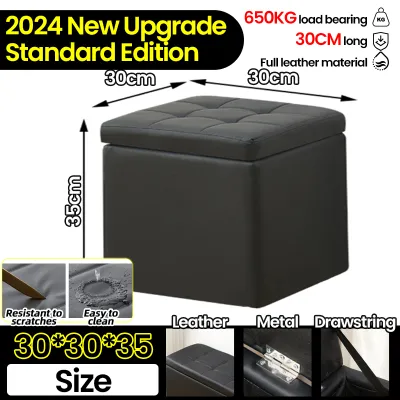
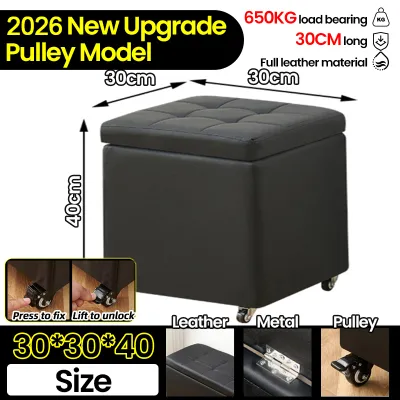
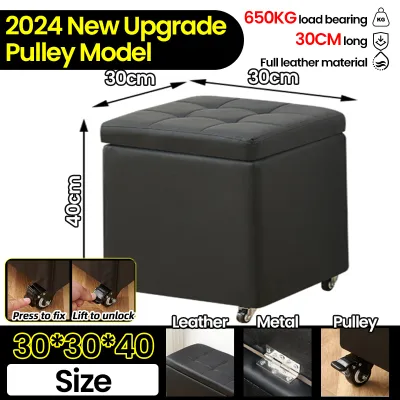
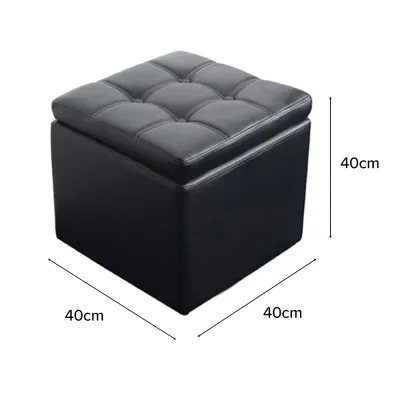
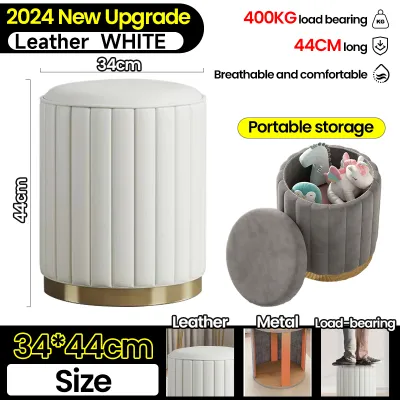
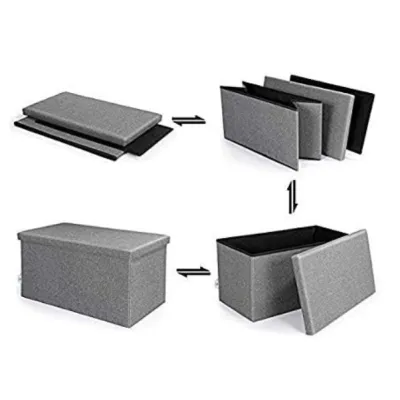
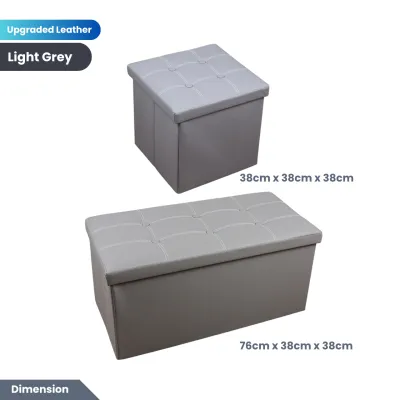
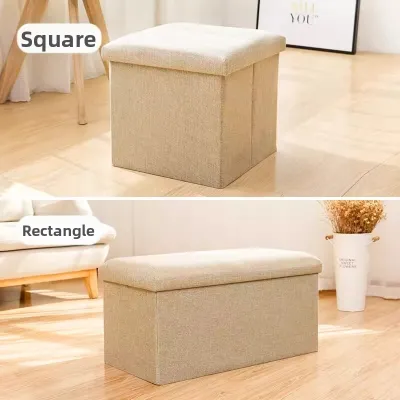
Prices are valid at publication and may change. Please refer to the product page for the latest price.
Weight capacity is another critical factor that directly affects household safety. Because these items double as seating, you must verify the manufacturer’s specified weight limits to ensure they can safely support adult guests. Stools intended solely for footrests or child seating often have lower structural thresholds, whereas those built with solid wood or reinforced metal frames are engineered for daily seating. Always check the product specifications rather than assuming load capacity based on visual appearance.
Material durability and surface treatments are vital for furniture placed in high-traffic, multi-use environments. In Singapore’s humid climate, materials respond differently to moisture and wear over time. If you plan to use the stool in an entryway where damp umbrellas or wet shoes are common, look for water-resistant finishes or easy-to-clean synthetic coverings. For living areas, prioritize tightly woven fabrics or treated surfaces that resist staining and physical wear from daily use.
Types of Multi-Functional Storage Stools
Foldable and collapsible storage stools offer excellent flexibility for highly constrained spaces. These designs typically feature a removable base board that, when lifted, allows the entire fabric or faux-leather body to fold completely flat. They are highly convenient for temporary seating during family gatherings or as seasonal storage that can be tucked away inside a wardrobe when not in use. However, because they rely on folding joints, they generally offer less structural rigidity than solid-frame alternatives.

Lift-top and hidden compartment stools feature a solid, permanent frame with a hinged or fully removable lid. This design is highly suited for permanent placement in the living room or bedroom, providing a sturdy seat while keeping daily essentials out of sight. The solid construction allows for a higher weight capacity and a more premium aesthetic, though the fixed dimensions mean you must have a dedicated permanent spot for the unit within your layout.
Modular, stackable, or nesting storage stools provide highly adaptable seating arrangements for hosting occasional guests. Nesting sets typically feature smaller stools that fit completely inside a larger primary unit, allowing you to pull out extra seats only when needed. This design is particularly useful in modern BTO flats where dining or living space must adapt quickly to different social scenarios. When nesting these units, check that the contact points are well-padded to prevent surface scratching.
Evaluating Storage Capacity and Accessibility
Matching the internal depth and volume of the stool to your actual storage needs prevents disorganized clutter. Deep, single-compartment stools are ideal for bulky, soft items such as spare blankets, throw pillows, or winter wear. Conversely, shallow compartments or stools with built-in shelving are far more practical for daily essentials, shoe storage, or small electronic accessories that would otherwise get lost at the bottom of a deep chest.
Lid mechanisms play a major role in how easily and safely you can access your stored items. Removable lids are simple and allow unrestricted access to the entire compartment, but you must find a temporary place to set the lid down while retrieving items. Hinged lids offer hands-free convenience, but you should look for safety hinges or soft-close mechanisms that prevent the lid from slamming shut unexpectedly, which is a crucial safety consideration for households with young children.
Internal organization features can significantly improve the usability of your storage stool. Some models include removable fabric dividers, plastic trays, or dedicated pockets along the inner walls. These inserts allow you to categorize smaller items, such as remote controls, chargers, or shoe polish kits, keeping them upright and easily accessible rather than piled loosely in a single open space.
Space Planning and Safety Checks
Integrating a storage stool into your home layout requires careful calculation of clearance space. Beyond the static footprint of the stool, you must account for the space required to open the lid or pull out any integrated drawers. For example, a drawer-style storage stool placed in a narrow entryway must have enough clearance to extend fully without hitting the front door or forcing you to step aside awkwardly while retrieving your shoes.
Stability is a primary safety concern, particularly for taller or narrower stools that may present a tip-over risk. If you plan to use the stool as a step helper or if you have active pets and young children, prioritize designs with a wide, low-profile base. Avoid lightweight, top-heavy models that can easily wobble when weight is applied unevenly to the edges of the seat.
Protecting your flooring is essential to maintain the value of your home, whether you have vinyl, parquet, or polished tile floors. Check the base of the stool for built-in floor protectors, such as felt pads or rubber feet. If the product does not come with them, consider adding adhesive felt pads to prevent unsightly scratches and reduce noise when sliding the stool across the room.
Building Your Condition-Based Shortlist
To find the right storage stool, begin by matching the design type to your primary household bottleneck. If your main challenge is a cluttered entryway, focus on solid-frame benches with low shelves or drawer access for easy shoe retrieval. If you require occasional seating for guests in the living room, prioritize nesting or foldable designs that can be stored away or rearranged at a moment’s notice.
Establish a realistic budget in S$ based on your material preferences and expected usage frequency. Basic foldable fabric stools are highly affordable, often ranging from S$15 to S$40, making them excellent budget-friendly options for light storage. Solid wood, upholstered benches, or designer modular units can range from S$80 to over S$200, offering greater durability and aesthetic appeal for prominent areas of your home.
Before finalizing your purchase from a local retailer or online marketplace, verify the delivery dimensions and assembly requirements. Ensure the packaged box can easily fit through your apartment doorway and standard lift doors. Additionally, check the retailer’s return policy and warranty terms, especially regarding structural joints and hinges, so you can shop with confidence and ensure long-term satisfaction.
Frequently Asked Questions (FAQ)
How do I clean and maintain fabric or faux-leather storage stools?
For fabric-upholstered storage stools, routine maintenance involves vacuuming the surface weekly using an upholstery brush attachment to remove dust and loose debris. If a spill occurs, blot the area immediately with a clean, dry cloth rather than rubbing, which can push the liquid deeper into the fibers. Always check the manufacturer’s care label for specific cleaning codes before applying any water-based solutions or specialized fabric cleaners.
Faux-leather surfaces can be maintained by wiping them down regularly with a soft, slightly damp microfiber cloth to remove dust and body oils. Avoid using harsh chemical solvents, alcohol-based wipes, or abrasive scrubbers, as these can dry out the synthetic material and cause it to crack over time. For stubborn stains, use a mild soap solution, wipe it clean with a damp cloth, and dry the surface thoroughly with a towel.
Can storage stools be used as primary dining seating?
While storage stools can serve as occasional dining seats, they are generally not recommended for primary, daily dining use. Standard dining chairs typically feature a seat height of approximately 45 centimeters to align comfortably with standard dining tables, whereas many storage stools are lower, designed primarily for lounging or entryway use. Always measure the stool’s height against your dining table to ensure adequate leg clearance.
Furthermore, storage stools lack back support and ergonomic contouring, which can lead to discomfort during longer meals. The lack of a backrest also makes them less suitable for older adults or individuals who require extra stability when sitting down and rising from the table. For daily dining, traditional chairs remain the more supportive and comfortable choice.
Community discussion
Share your experience or ask a question. Comments are reviewed before publication.