
Selecting the right multi-functional folding cupboard storage for a compact HDB flat requires balancing spatial efficiency with mechanical reliability. In a limited living area, furniture must serve multiple purposes without overcrowding the floor plan or demanding excessive physical effort to operate. To make an optimal choice, you must evaluate how the unit transitions between its folded and expanded states, verify the physical dimensions of your room and delivery pathways, and inspect the load-bearing hardware. By focusing on verifiable specifications rather than aesthetic appeal alone, you can secure a durable storage solution that enhances your daily routine.
Core Criteria for Evaluating Multi-Functional Cupboards
Before browsing online marketplaces or visiting local showrooms, you need a clear framework to evaluate how a folding cupboard performs in a compact home. The primary appeal of multi-functional furniture is its ability to change shape, but this utility is lost if the unit is too cumbersome to use daily.
First, compare the folded footprint of the cupboard against its fully expanded operational space. A unit might look incredibly slim when closed, but it may require a significant clearance zone when opened. You must measure both states to ensure that when the cupboard is fully deployed, it does not block essential walkways, cover power outlets, or obstruct other furniture.
Products mentioned in this guide
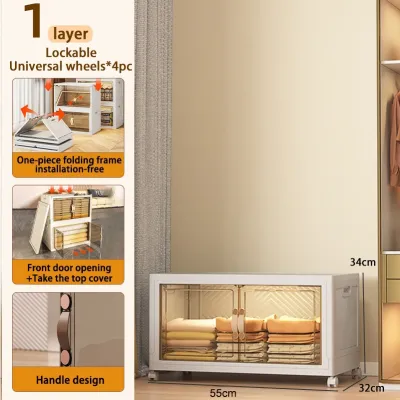
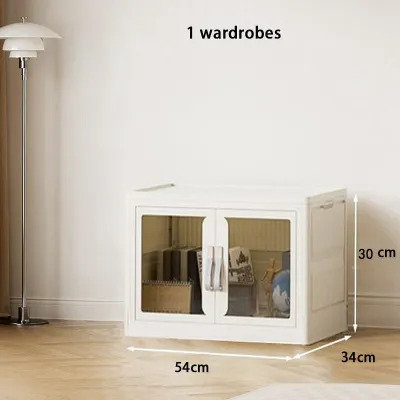
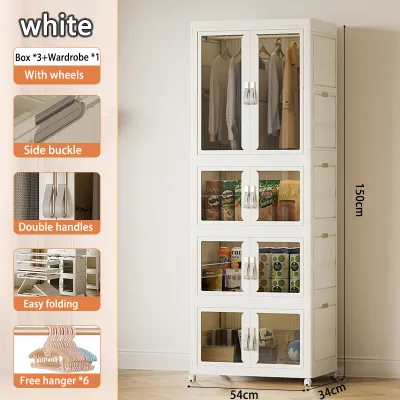
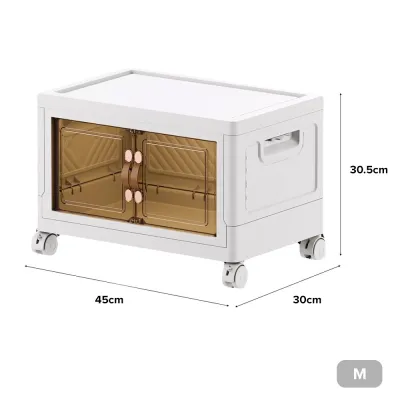
Prices are valid at publication and may change. Please refer to the product page for the latest price.
Second, evaluate the transition effort required to fold and unfold the unit. A well-designed folding cupboard should transition smoothly in just a few logical steps without requiring extreme physical strength. If a mechanism is stiff, overly complex, or lacks safety locks, you are likely to leave it permanently in one position, defeating the purpose of buying a folding piece.
Third, assess the balance between the primary and secondary functions of the cupboard. For example, if a cupboard folds out into a dining table, you must verify that the storage shelves remain accessible when the table is in use. A design that forces you to empty the shelves before folding the unit down is highly impractical for daily HDB living.
Additionally, consider the modularity of the design. Some folding cupboards are standalone units, while others can be paired with matching side cabinets or shelving systems. If you plan to expand your storage setup in the future, choosing a modular system allows you to scale your furniture without replacing the core folding unit. This adaptability is highly valuable in HDB flats where household needs can change over time, such as transitioning a study room into a nursery.
Measuring and Verifying Space Constraints in HDB Flats
HDB flats present unique spatial challenges, from structural pillars to surface-mounted utility trunking. Precise measurement is your most effective defense against buying a cupboard that cannot be installed or used comfortably.

Begin by measuring the exact floor area where you plan to place the cupboard. Do not rely solely on wall-to-wall measurements; you must account for the thickness of skirting boards, which can prevent a flat-backed cupboard from sitting flush against the wall. Additionally, note the locations of power sockets, light switches, and air-conditioning trunking, as these obstructions can limit where a tall or wide unit can stand.
Next, map out the door swing arcs of nearby doors, windows, and adjacent cabinets. A folding cupboard that collides with a bedroom door or a kitchen drawer when expanded will quickly become a source of frustration. Ensure there is at least a sixty-centimeter clearance path around the fully expanded unit to allow for comfortable movement.
Logistics are just as critical as the final room placement. Before finalizing your purchase, check the dimensions of your HDB block’s elevator, common corridors, and your apartment’s front doorway. Many multi-functional cupboards are delivered partially or fully assembled to preserve the integrity of their complex folding mechanisms, meaning a bulky package must fit through tight communal spaces and sharp corridor turns.
Another often-overlooked factor is floor leveling. Older HDB flats may have slight floor slopes or uneven tiling, which can affect the stability of a tall folding cupboard. When a cupboard is top-heavy or features a fold-out desk, even a minor floor incline can strain the hinges and cause the folding mechanism to misalign. You should use a spirit level to check the floor area and consider units with adjustable leveling feet to compensate for any unevenness.
Finally, identify the wall type where the cupboard will stand. HDB flats feature a mix of reinforced concrete structural walls (including household shelters) and non-load-bearing partition walls. If your chosen folding cupboard is tall or top-heavy, it will require secure anchoring to prevent tipping during transition. Anchoring into concrete requires a rotary hammer drill and heavy-duty wall plugs, whereas partition walls require specialized hollow-wall anchors and careful placement along internal studs.
Inspecting Folding Mechanisms and Structural Durability
The lifespan of a folding cupboard depends almost entirely on the quality of its moving parts and structural joints. Because these units experience regular friction and weight shifts, standard furniture assembly methods are often insufficient.
When inspecting a unit, look closely at the hardware driving the folding action. High-quality cupboards utilize heavy-duty steel hinges, gas-assist struts, or spring-loaded tension bars to ease the physical effort of opening and closing. Gas struts are particularly useful for drop-down desks or wall beds, as they prevent the heavy panels from slamming down unexpectedly. Ensure there are positive locking pins or magnetic latches that hold the unit securely in both its folded and unfolded configurations.
Do not assume a cupboard is sturdy simply because it is made of solid wood or thick panels. Instead, check the manufacturer’s official specification sheets for explicit load-bearing limits. These limits should be broken down by individual shelves, the main folding surface, and the overall frame. A generic material name does not guarantee weight capacity; look for certified load ratings to confirm the unit can safely hold your appliances, books, or pantry items.
Surface finishes and edge banding also require close inspection. The constant movement of folding parts creates friction points where cheap veneers or thin laminates can easily chip or peel. Look for high-pressure laminates or melamine finishes with impact-resistant ABS edge banding. These materials resist moisture and daily wear, which is especially important in Singapore’s humid climate where wood-based panels can swell if moisture penetrates unsealed edges.
Furthermore, pay attention to the presence of soft-close mechanisms and safety dampers. These components are not just luxury additions; they play a critical role in preventing wear and tear on the cupboard frame. A folding desk or cabinet door that slams shut repeatedly will eventually loosen the mounting screws and compromise the structural integrity of the joints. Soft-close hinges absorb the impact force, ensuring the cupboard operates quietly and remains structurally sound over years of daily use.
Building Your Shortlist: Matching Storage to Daily Routines
To find the right cupboard, you must align its storage capabilities with your household’s daily habits. A piece of furniture that works well for a remote worker might be entirely unsuitable for a family with young children.
Start by mapping your daily routines to specific furniture types. If you work from home, a fold-down desk cupboard provides a dedicated workspace during the day and hides your office equipment out of sight in the evening. For compact kitchens, an expandable pantry cupboard with pull-out prep surfaces can serve as an auxiliary countertop when cooking, then fold away to keep the kitchen walkway clear.
Use a simple decision matrix to weigh how often you will use the folding mechanism against its convenience. If you plan to fold the unit multiple times a day, prioritize lightweight panels and smooth gas-assist mechanisms. If the unit will remain expanded most of the week and only fold away when hosting guests, you can opt for a heavier, more robust design that prioritizes maximum storage volume over rapid transition.
Your household composition should dictate your non-negotiable safety features. If you have young children or pets, look for cupboards with integrated safety locks that prevent curious hands from releasing a heavy folding panel. For units housing electronic appliances or kitchen gadgets, ensure there are built-in ventilation grilles or open back panels to prevent heat buildup when the cupboard doors are closed.
Finally, factor in the maintenance and cleaning routines required for different materials. Folding cupboards with intricate slatted doors or deep grooves can trap dust and require frequent cleaning, which may not suit a busy household. For high-traffic areas like the living room or kitchen, prioritize smooth, non-porous surfaces that can be easily wiped down with a damp cloth. Understanding your willingness to maintain the furniture will help you filter out high-maintenance designs in favor of practical, durable options.
Frequently Asked Questions (FAQ)
Do folding cupboards require wall anchoring in HDB flats?
Yes, tall or top-heavy folding cupboards generally require secure wall anchoring to ensure safety. When you fold or unfold a multi-functional unit, the center of gravity shifts forward, which can cause the entire cupboard to tip over if it is not secured. Before installing, check whether your wall is a concrete structural wall or a gypsum partition wall. Always follow the manufacturer’s specific anchoring instructions and use the correct wall plugs for your wall type to prevent accidents.
How can I verify the weight capacity of a multi-functional unit?
To verify the weight capacity, locate the official product specification sheet or the physical safety label attached to the cupboard. Do not estimate the load limit based on the visual thickness of the shelves or generic material descriptions. Reliable manufacturers provide explicit weight limits in kilograms for both static shelving and dynamic folding surfaces. If this information is missing from the product listing, request the technical data sheet from the retailer before completing your purchase.

Community discussion
Share your experience or ask a question. Comments are reviewed before publication.