
Selecting the right dining storage bench requires balancing seating comfort with smart spatial utility. To find the most practical option for your home, look for hidden compartments with soft-close safety hinges, convertible elements like nested stools or pull-out extensions, and dual-purpose designs that can double as room dividers. These features allow you to maximize floor space, keep dining essentials within arm’s reach, and maintain a tidy, organized environment.
In modern homes, particularly space-conscious apartments in Singapore, every square meter counts. A dining storage bench provides comfortable seating while discreetly housing table linens, dinnerware, or seasonal items, eliminating the need for bulky sideboards. By choosing a piece that serves multiple roles, you can create a highly functional dining zone without compromising on style or comfort.
Why Multi-Functionality Matters in Dining Spaces
The traditional dining room is evolving rapidly. It is no longer just a place reserved for formal evening meals; it has transformed into a multi-use zone where family members work from home, children complete school projects, and friends gather for casual weekend socializing. This shift in lifestyle demands furniture that can quickly adapt to different tasks throughout the day without cluttering the floor plan.
Products mentioned in this guide
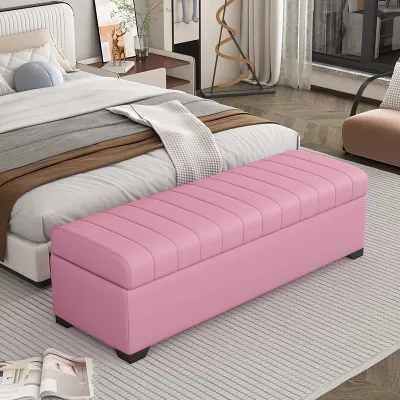
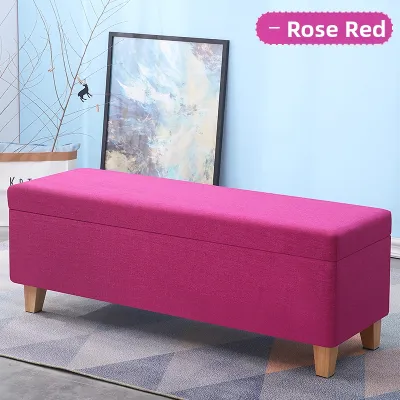
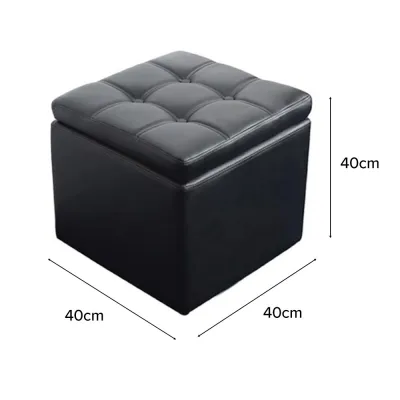
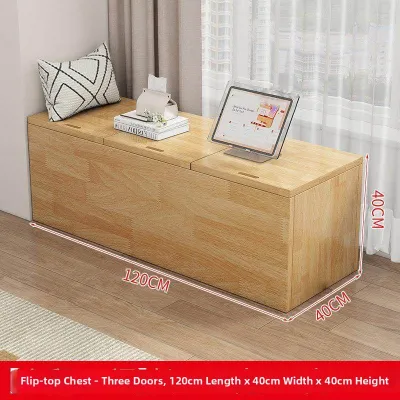
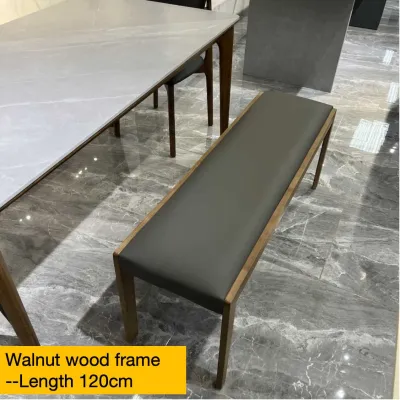
Prices are valid at publication and may change. Please refer to the product page for the latest price.
A standard set of dining chairs, while functional, offers zero storage utility and can make a compact room feel cramped when chairs are pulled out. By integrating a dining storage bench, you effectively combine two essential pieces of furniture into one. This integration eliminates the need for standalone storage cabinets, sideboards, or credenzas, freeing up valuable floor space for better traffic flow.
Beyond saving physical space, these pieces help maintain a clean, minimalist aesthetic. Keeping dining essentials like placemats, napkins, and serving platters tucked away but easily accessible ensures that the dining table remains clear and ready for any activity at a moment’s notice. A clutter-free dining area naturally feels larger, more inviting, and easier to clean.
Essential Multi-Functional Features to Evaluate
Hidden Compartments and Lift-Top Storage
Concealed storage is the cornerstone of a practical dining storage bench. Lift-top designs feature a hinged seat that opens upward, revealing a deep, hollow compartment perfect for keeping table linens, holiday placemats, and oversized serving platters out of sight. This hidden cavity utilizes space that would otherwise be wasted beneath standard dining chairs.

When evaluating these benches, look for models that include internal dividers or removable sorting trays. These additions prevent smaller items like napkin rings, spare cutlery, and candles from rolling around or getting lost in a deep cavity. Organized compartments make it much easier to retrieve what you need without rummaging through a pile of linens.
Safety is a critical factor for any lift-top mechanism. Prioritize heavy-duty safety hinges, pneumatic gas lifts, or soft-close stays that hold the seat open securely and prevent it from slamming down onto fingers. This is especially important in households with children or older adults, where heavy lids can pose a safety hazard if left unsupported.
Convertible and Expandable Designs
Flexibility is key if your seating needs change frequently. Some dining storage benches feature built-in pull-out extensions or nested stools hidden within the main frame, which can be drawn out instantly when hosting guests. This design provides extra seating on demand without taking up permanent floor space during daily use.
Modular configurations offer another layer of versatility. These designs feature individual bench sections that can be detached and used as independent stools, side tables, or footrests around the living area, then reassembled into a single bench when the meal is over. This adaptability is perfect for dynamic households that love to host casual gatherings.
You can also find benches with adjustable or fold-down backrests. These components allow the piece to transition seamlessly from a structured, supportive dining seat to a low-profile lounge bench or even an entryway shoe-changing station. Look for robust locking mechanisms that ensure the backrest remains stable in every position.
Dual-Purpose Use and Room Zoning
A well-designed bench does more than just sit against a wall. Benches with fully finished backs can serve as architectural anchors in open-plan layouts, acting as a low-profile room divider that clearly demarcates the dining zone from the living room. This helps define distinct functional areas without blocking light or sightlines.
Some models feature integrated rear display shelves or console-style tops. This design allows you to place decorative items, small potted plants, or books on the outward-facing side, turning a simple seating option into an attractive display piece. It adds character to your home while serving a highly practical purpose on the dining side.
Additionally, transition-friendly designs work beautifully near entryways that flow directly into the dining area. These benches can store outdoor bags, umbrellas, and keys in their compartments while offering a convenient spot to sit and remove shoes. This dual-purpose utility streamlines your daily routine right at the entrance of your home.
How to Choose the Right Bench for Your Dining Area
Space, Dimensions, and Clearance Checks
Before purchasing, you must verify how the bench interacts with your existing dining table. Measure the table’s apron height—the wooden panel below the tabletop—and the clearance between the table legs to ensure the bench can slide fully underneath when not in use. This step is crucial for keeping walkways clear in tight dining rooms.
For lift-top models, calculate the lid swing radius. Ensure there is enough overhead and backward clearance so the seat can open fully without scraping against the dining wall, adjacent cabinets, or nearby chairs. If the bench must sit flush against a wall, look for “wall-hugger” hinges designed to open upward without requiring backward clearance.
Do not forget to account for general walkway clearance and traffic flow. Leave at least 60 to 90 centimeters of open space behind the bench when it is occupied to allow family members to walk past comfortably. Additionally, check your home’s entry pathways, including lift doors, main doorway, and narrow corridors, to confirm that the delivery team can safely transport the bench into your dining room.
Material, Finish, and Maintenance
Dining furniture must withstand daily wear, heavy loads, and the occasional spill. When comparing frames, solid wood offers exceptional stability and joint strength, while high-quality engineered wood or metal frames can also provide excellent load capacity. Always check the manufacturer’s specified weight limits before buying to ensure the bench can safely support multiple adults.
The choice between an upholstered top and a hard wooden surface involves a clear trade-off. Upholstery offers superior comfort for long dinners, but it is susceptible to stains; if you choose fabric, look for spill-resistant, wipeable, or removable covers that can be washed. Alternatively, leather or high-quality synthetic leather offers a plush feel that can be wiped clean easily.
Hardwood or laminate seats are incredibly easy to wipe clean after meals but may feel stiff during long seating periods. If you opt for a hard surface, inspect the finish to ensure it is sealed against moisture, preventing water rings from cold drinks or humid conditions. Always review the manufacturer’s care instructions and warranty guidelines, and avoid harsh chemical cleaners that could strip the protective lacquer.
Recommended Storage Bench Types by Dining Need
For Compact Dining Nooks and HDB Flats
In cozy HDB flats or compact apartments, space is at a premium. A backless, shallow-depth dining storage bench is highly recommended because it can be tucked completely under the dining table when dinner is over, keeping walkways entirely clear. This simple adjustment can instantly make a small dining area feel more spacious and less cluttered.
For these tight spaces, select a lift-top bench with a single, deep compartment without dividers. This open cavity is ideal for storing bulky household items that do not fit elsewhere, such as spare bedding, seasonal cushions, or large kitchen appliances. It acts as an extension of your home’s built-in storage.
To keep your dining area feeling bright and open, opt for benches with light-colored wood finishes, neutral upholstery, or raised legs that allow light to pass underneath. This visual trick prevents the furniture from looking heavy or dominant in a small room, maintaining an airy and welcoming atmosphere.
For Open-Concept Living and Dining Areas
If your home features an open-plan layout, look for a bench that bridges the aesthetic gap between your dining table and your living area. A bench with a fully finished back and open rear shelving functions beautifully as a subtle divider between zones, creating a sense of structure without closing off the space.
Choose a design that balances concealed storage with open display compartments. You can use the hidden storage for table linens and the open shelves to display books, decorative ceramics, or plants that face the living room side. This dual-facing utility ensures the bench looks attractive from every angle in the room.
Coordinate the materials and color palette of the bench with both zones to create a cohesive look. For example, matching the wood tone of the bench frame to your TV console while matching the seat cushion to your living room sofa creates a seamless visual transition that ties the entire open-plan space together beautifully.
For Large Families and Frequent Hosting
For busy households that host frequent gatherings, durability and adaptability are paramount. Look for modular or expandable benches that can be split into separate seating modules to accommodate extra guests around the table. This flexibility ensures everyone has a comfortable seat without crowding the room.
Prioritize heavy-duty construction with reinforced corner blocks, sturdy dowel joints, and a high weight capacity. Verify these specifications directly with the manufacturer or retailer to ensure the bench can safely support multiple adults simultaneously. Sturdy construction is essential for furniture that experiences heavy, daily use.
Opt for highly durable, stain-resistant upholstery fabrics such as performance polyester, or choose a solid wood seat paired with removable, washable seat pads. This setup ensures that spills from busy family dinners can be cleaned up quickly without leaving permanent marks, keeping your bench looking pristine for years to come.
Frequently Asked Questions (FAQ)
How do I ensure a storage bench matches my dining table height?
To maintain ergonomic comfort, the distance between the top of the bench seat and the top of your dining table should be between 25 and 30 centimeters. Standard dining tables are usually around 75 centimeters high, meaning your storage bench seat height should ideally measure between 45 and 48 centimeters from the floor.
When taking measurements, remember to account for the compression of upholstered seats. A thick, plush foam cushion may sink by 2 to 5 centimeters when sat upon, so measure the compressed height rather than just the lofted edge. This ensures your guests sit at a comfortable height relative to the tabletop.
Finally, measure from the floor to the lowest point of the table’s underside or apron. Ensure that the uncompressed bench height is lower than this measurement so the bench can slide smoothly underneath without scraping the table frame. This simple check prevents frustrating clearance issues after delivery.
Are lift-top storage benches safe for homes with young children?
Yes, lift-top storage benches can be perfectly safe for households with children, provided they are equipped with the correct safety hardware. Standard hinges can allow a heavy wooden lid to crash down, posing a serious risk of pinched fingers or head injuries.
When shopping, look specifically for soft-close hinges, pneumatic gas struts, or adjustable safety stays. These mechanisms are designed to hold the lid open at any angle and slow down the closing motion, requiring a deliberate, gentle push to shut completely. This prevents accidental slams and protects little hands.
It is also wise to look for designs with built-in finger-pinch gaps—small recesses or cutouts along the front edge of the bench frame. These gaps ensure that even if the lid closes unexpectedly, there is still enough clearance to prevent fingers from being trapped. Always refer to the manufacturer’s safety guidelines and assembly instructions to ensure proper installation of these safety components.
Community discussion
Share your experience or ask a question. Comments are reviewed before publication.