
Choosing between a Muji chair and a Nitori chair for your Singapore home comes down to a choice between minimalist, natural-toned simplicity and highly functional, varied utility. Both Japanese retail giants have established a strong presence in Singapore, offering distinct approaches to home furnishing that cater to different interior design styles, spatial constraints, and lifestyle needs. Whether you are furnishing a compact HDB flat, a modern condominium, or a spacious landed property, understanding how these brands differ in design, comfort, materials, and spatial footprint will help you make an informed investment.
While both brands champion the efficiency and clean lines characteristic of Japanese design, they target different home environments. Muji focuses on a highly cohesive, understated aesthetic that emphasizes natural materials and modularity. Nitori, often described as a highly functional home furnishing center, offers a wider variety of styles, adjustable features, and price points designed to accommodate diverse household setups. By evaluating your daily habits, aesthetic preferences, and the physical dimensions of your living space, you can select the seating option that best enhances your home.
Comparing Design Philosophies and Aesthetic Fit
To choose the right chair, you must first evaluate how each brand’s visual style and silhouette align with your existing home decor. Muji adheres strictly to a minimalist philosophy, utilizing natural-toned aesthetics, signature oak and walnut finishes, and simple, unadorned silhouettes. This design language is highly cohesive, meaning a Muji chair is designed to blend seamlessly not only with other Muji furniture but also into Japandi, Scandinavian, or minimalist interior themes. The color palette is intentionally limited to neutral tones, off-whites, greys, and natural wood grains, which helps create a calm, uncluttered atmosphere in rooms with limited natural light.
Products mentioned in this guide
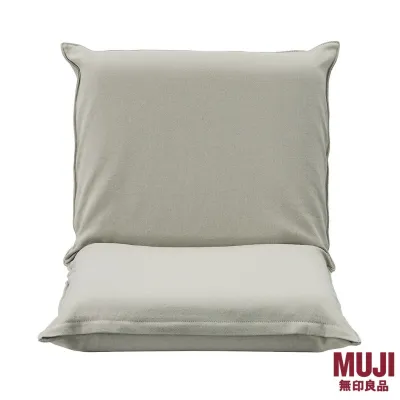
Prices are valid at publication and may change. Please refer to the product page for the latest price.
Muji’s design philosophy centers on the concept of “emptiness” rather than simplicity. This means their chairs are stripped of unnecessary ornamentation, allowing the natural texture of the wood or fabric to stand out. This visual lightness is particularly beneficial for smaller Singaporean apartments, as furniture with open frames and slender legs allows light to pass through, creating the illusion of a larger, more open living area.
In contrast, Nitori offers a broader, contemporary range of functional styles that cater to a wider variety of tastes. While Nitori provides plenty of natural wood options, its catalog also features modern, colorful, industrial, and highly utilitarian designs. This diversity allows you to find chairs that match eclectic, mid-century modern, or traditional decor styles that might feel too vibrant or structured for Muji’s understated lineup. Nitori’s silhouettes often prioritize visible functional elements, such as reclining levers, high-back supports, and integrated headrests.
When integrating these chairs into your home, consider how the typical color palettes and silhouettes will interact with your existing room setups and lighting. A low-profile, light oak chair can make a small dining room feel more open and airy, whereas a dark, structured high-back chair can serve as a grounding focal point in a study. Because specific collections and fabric colors vary by season, it is highly recommended to check current in-store displays or official online stores to ensure an exact visual match with your current furniture.
Evaluating Comfort and Ergonomic Support
A chair’s visual appeal must be matched by its physical support, making it essential to evaluate comfort based on your primary daily activities. Before making a purchase, plan to test key comfort metrics in person at local showrooms. Pay close attention to seat depth, backrest angle, cushion firmness, and armrest height. A chair that feels comfortable for a quick five-minute sit may not provide the necessary support during a three-hour dinner or a full day of remote work.

When testing seat depth, ensure there is a small gap between the edge of the seat and the back of your knees to prevent circulation issues. The backrest should support the natural curve of your spine, especially in the lumbar region. Because both Muji and Nitori design their furniture primarily for Asian markets, their chair heights and depths generally align well with local body proportions, offering a more ergonomic fit than some larger Western furniture brands.
Your primary use case should dictate the level of structured support you require. If you are looking for low-profile lounging, Muji’s living-dining series offers relaxed, wider seats with lower heights that encourage a casual, laid-back posture. However, if you require structured, adjustable support for extended sitting, Nitori’s range of ergonomic office chairs and reclining armchairs often features adjustable lumbar support, headrests, and tension controls. These features are designed to distribute body weight evenly and reduce physical strain during long hours of desk work or television viewing.
While testing chairs, remember to read the product tags and specifications for specific ergonomic claims and weight distribution features. Comfort remains highly subjective and model-dependent, so do not rely solely on online reviews. Sit in the chair in your typical sitting posture, wear the type of footwear you normally wear at home, and simulate daily movements to assess how well the cushion and frame support your lower back and thighs.
Inspecting Build Quality, Materials, and Care
Long-term satisfaction with your furniture depends heavily on inspecting build quality and understanding the maintenance required for different materials. When browsing showrooms or online catalogs, check the product labels and specifications to compare material choices. Muji frequently utilizes solid wood, such as oak and walnut, alongside natural fabric covers like cotton and linen. These materials offer a tactile, organic feel but may require more attentive care to maintain their appearance in Singapore’s humid climate.
Solid wood is a living material that can expand and contract with fluctuations in humidity and temperature. In Singapore, where air conditioning is frequently turned on and off, solid wood frames require stable indoor conditions and occasional conditioning to prevent warping or cracking. Natural fabric covers, while breathable and comfortable against the skin, can be susceptible to moisture absorption and staining if not treated with care.
Nitori’s lineup relies more heavily on a mix of engineered woods, steel frames, synthetic blends, and polyurethane leathers. These materials are often chosen for their durability, ease of cleaning, and cost-effectiveness. Engineered wood with high-quality laminate finishes can resist moisture well, though you must check that the edges are fully sealed to prevent water from seeping in and causing the material to swell. For households with busy daily routines, synthetic fabrics and engineered frames can offer excellent resistance to wear and tear, making them highly practical options for high-traffic dining areas or study rooms.
To ensure safety and longevity, verify weight capacities, joint constructions, and fabric care instructions directly from the manufacturer’s specifications. Look closely at how the joints are connected; solid wood joinery or heavy-duty metal brackets generally indicate a stable frame. Keep in mind that material names alone do not guarantee stain resistance or longevity. You must follow specific care routines based on the exact upholstery and frame materials, such as applying wood conditioners to solid timber or using specialized fabric protectors on natural fiber covers.
Space Planning and Dimensions for Your Home
In Singapore’s compact residential layouts, precise space planning is crucial to ensure your chosen chairs fit comfortably without obstructing daily movement. Before visiting a showroom, measure your available floor space, walkway clearances, and the heights of your existing dining tables or desks. A standard dining table in Singapore typically stands around 75 centimeters high, requiring a chair with a seat height of 40 to 45 centimeters to ensure comfortable legroom of about 25 to 30 centimeters between the seat and the underside of the table.
Walkway clearance is another critical factor. A standard walkway requires at least 60 to 90 centimeters of clearance to allow family members to pass comfortably behind a seated person. If your dining area doubles as a main thoroughfare in your HDB flat, choosing chairs with a smaller footprint or those that can be tucked completely under the table is essential.
The general footprint tendencies of both brands differ significantly. Muji chairs often feature compact, modular designs with slim profiles, making them exceptionally well-suited for tight dining corners or multi-functional living spaces. Many of their models are designed to slide completely under tables when not in use, maximizing floor space. Nitori, while offering compact options, also features bulkier, feature-rich models such as power recliners or wide-set lounge chairs. These larger pieces require a generous footprint and additional clearance behind the backrest to function properly without hitting walls.
Finally, do not overlook the logistics of getting the furniture into your home. Always check the dimensions of your entryways, elevator doors, and stairwells against the packaged or pre-assembled dimensions of the chairs. Larger, fully assembled lounge chairs or heavy dining sets can be difficult to maneuver through narrow HDB corridors or standard lift doors, so verifying these measurements beforehand will prevent delivery day complications.
Decision Framework: Choosing the Right Chair
To make your final decision, synthesize these comparison points into a clear framework based on your home’s specific needs and your personal lifestyle.
Choose Muji if your priorities are:
- Minimalist, cohesive aesthetics that emphasize natural wood grains and neutral tones.
- Low-profile, modular designs that help small rooms feel more open and uncluttered.
- Natural material finishes, such as solid oak or walnut, paired with removable, washable natural fabric covers.
Choose Nitori if your priorities are:
- Highly adjustable ergonomic features, such as lumbar support, headrests, and reclining mechanisms.
- A wide variety of contemporary design styles, colors, and synthetic, easy-to-clean materials.
- Functional, structured seating options tailored for long hours of working, studying, or dedicated lounging.
Before committing to any purchase, verify your choice by checking the exact dimensions of the model, current stock availability, and the local return or warranty policies at official showrooms or brand websites. Taking the time to measure, test, and compare will ensure your new chairs provide lasting comfort and style for years to come.
Community discussion
Share your experience or ask a question. Comments are reviewed before publication.