
Quick Answer: Which Minimalist Bar Stool Brand Wins?
Choosing the perfect minimalist bar stool for your Singapore home depends entirely on your household’s specific lifestyle priorities. Because no single manufacturer dominates every category, the ideal choice hinges on whether you prioritize natural material authenticity, tight budget constraints, or easy-to-clean everyday comfort. Each brand addresses these needs through distinct design philosophies and structural configurations.
MUJI is the premier option for homeowners seeking authentic, natural wood finishes and timeless Japanese aesthetic simplicity. Their stools are best suited for those willing to invest a premium for solid timber construction and cohesive, warm minimalist interiors.
IKEA serves as the ultimate budget-friendly, highly modular choice, offering a wide selection of materials, heights, and easily replaceable components. It is the go-to brand for renters, DIY enthusiasts, or those who prefer to update their interior decor frequently without a major financial commitment.
Products mentioned in this guide
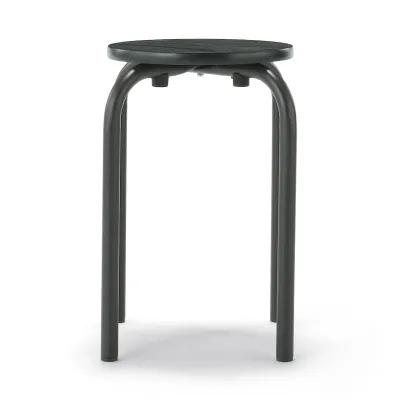
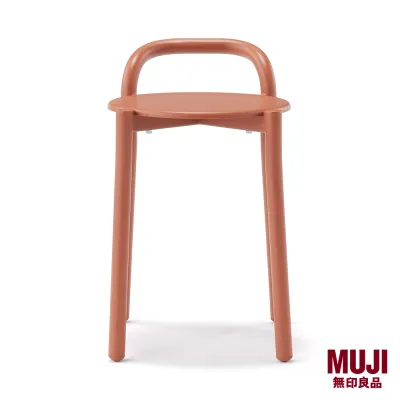
Prices are valid at publication and may change. Please refer to the product page for the latest price.
Nitori offers a balanced middle ground, combining practical Japanese functionality with compact, padded comfort at a highly competitive price point. Their designs are tailored specifically for small-space living, making them exceptionally well-suited for typical Singaporean apartments.
This comparison focuses specifically on bar stools and counter stools intended for kitchen islands, high tables, and breakfast counters. By evaluating their design languages, material durability, local pricing structures, and spatial footprints, you can confidently select the brand that best enhances your kitchen.
Design and Aesthetics: Japanese Minimalism vs Scandinavian Practicality
The visual impact of your seating plays a crucial role in establishing the atmosphere of your kitchen and dining areas. While all three brands are celebrated for their clean, minimalist profiles, they execute this design language through distinct cultural lenses that suit different interior themes.

MUJI: Warm Wood and Wabi-Sabi Simplicity MUJI designs center on the concept of simplicity and the elimination of the unnecessary. Their bar stools typically feature natural oak or walnut finishes, showcasing clean lines, seamless joinery, and organic textures. This aesthetic is designed to fade into the background of a room, creating a calm, uncluttered environment. It is the perfect match for Japandi (Japanese-Scandinavian fusion), traditional Muji-style, or warm minimalist interior designs that rely heavily on natural timber and neutral color palettes.
IKEA: Scandinavian Modernity and Structural Versatility IKEA approaches minimalism through Scandinavian design principles, which prioritize bold geometry, functional modularity, and a diverse mix of materials. In their collection, you will find a broad spectrum of designs ranging from sleek, black steel frames to molded plastics and engineered birch veneers. This versatility allows IKEA stools to integrate seamlessly into modern, industrial, or eclectic spaces. If your kitchen features concrete screed, bold accent walls, or high-contrast cabinetry, IKEA’s varied catalog offers the flexibility needed to match those elements.
Nitori: Practical Japanese Comfort and Understated Cozy Style Nitori delivers a highly practical Japanese aesthetic that bridges the gap between warm wood tones and modern utility. Their stools frequently pair light-toned wood bases with neutral, padded fabrics or synthetic leather cushions. Rather than striving for the stark artistic minimalism of MUJI, Nitori focuses on creating a cozy, lived-in feel. This makes their designs highly compatible with understated, family-oriented homes where comfort and visual warmth are prioritized equally.
Actionable Showroom Check Because digital screens can distort colors and hide texture details, it is highly recommended to visit local showrooms in Singapore before making a purchase. Take the time to examine the wood grain patterns, run your hands over the finishes, and inspect the fabric textures in person. This hands-on evaluation ensures the stool’s physical appearance matches your design expectations and coordinates perfectly with your kitchen cabinetry.
Material Quality and Durability: What to Expect from Each Brand
A bar stool must withstand significant daily wear, from supporting body weight to resisting the humid, oil-prone environment of a Singapore kitchen. Understanding the material composition and construction methods of each brand will help you gauge their long-term durability.
MUJI: Solid Timber and Premium Veneers MUJI primarily utilizes solid wood, such as oak or rubberwood, alongside high-quality wood veneers for their seating surfaces. While solid wood offers excellent structural stability and a premium feel, it requires attentive maintenance in a tropical climate. Natural wood is sensitive to fluctuations in humidity and temperature, which can cause minor warping if not properly managed. To maintain its integrity, avoid placing MUJI stools in direct sunlight near balcony doors, and always wipe up liquid spills immediately with a dry cloth to prevent water rings and moisture penetration.
IKEA: Diverse Material Grades and Engineered Composites IKEA utilizes a wide array of materials, including solid birch, powder-coated steel, reinforced polypropylene, and paper-foil laminated particleboard. Because their material selection is so diverse, durability varies significantly across their product lines. A solid wood or steel-framed IKEA stool will naturally offer greater longevity than an entry-level model constructed from fiberboard. When shopping at IKEA, it is essential to check the specific material specifications of each model to ensure it matches your household’s usage patterns.
Nitori: Resilient Laminates and Easy-Clean Synthetics Nitori excels in selecting materials that prioritize hassle-free maintenance for busy households. Many of their stool options feature durable laminate finishes that resist scratches, alongside synthetic leather or specially treated fabric upholstery. These materials are engineered to withstand kitchen spills, grease, and daily cleaning without staining or degrading. For households with young children or those who use their kitchen island as a primary dining space, Nitori’s focus on low-maintenance materials offers a distinct practical advantage.
Pre-Purchase Verification Steps Before finalizing your purchase, perform these structural checks in the showroom:
- Inspect the Joinery: Shake the stool gently to check for wobbling. Look for reinforced corner blocks or metal-to-metal bolt connections, which offer superior stability over simple wood screws.
- Check the Weight Capacity: Locate the manufacturer's product label to verify the maximum weight limit, ensuring it safely accommodates all members of your household.
- Test the Footrest Durability: The footrest is a primary wear point on any bar stool. Verify that it is reinforced with a metal plate or a highly durable finish that will not easily scratch or wear down under footwear.
Price and Value Comparison in Singapore
Navigating the furniture market in Singapore requires balancing upfront costs against long-term value. Each of these three brands occupies a distinct price tier, catering to different budgeting strategies.
IKEA: The Budget-Conscious Entry Point IKEA sits firmly in the budget-friendly category, with most of their bar stools falling under the S$80 price band. The value proposition here is centered on low upfront costs, immediate availability, and modularity. If a component breaks or wears out, you can often purchase individual replacement parts or replace the entire stool without a significant financial burden. This makes IKEA highly attractive for temporary living arrangements or budget-restricted renovations.
Nitori: The High-Value Mid-Range Option Nitori occupies the mid-range price tier, with stools typically positioned between S$80 and S$200. Nitori delivers exceptional value by offering fully assembled, padded, and highly comfortable seating at a fraction of the cost of premium designer brands. Their focus is on providing durable, comfortable furniture that requires minimal maintenance, making it an excellent investment for homeowners who want quality without a premium price tag.
MUJI: The Premium Minimalist Investment MUJI represents the premium tier in this comparison, with their solid wood stools generally priced above S$200. The value of a MUJI stool is found in its material authenticity, exceptional craftsmanship, and enduring aesthetic appeal. Rather than offering quick, cheap solutions, MUJI designs are built to last for years, developing a beautiful natural patina over time. For buyers who view furniture as a long-term investment in their home’s atmosphere, MUJI’s premium pricing is justified by its superior tactile quality and design longevity.
Accounting for Hidden Costs in Singapore When planning your budget, be sure to account for potential additional expenses:
- Delivery Fees: Large furniture items often incur flat-rate delivery charges, which can vary depending on your location and the total purchase value.
- Assembly Services: While IKEA and Nitori offer flat-pack options to save on costs, professional assembly services are available for an extra fee if you prefer to skip the DIY process.
- Long-Term Maintenance: Natural wood stools from MUJI may eventually require specialized wood cleaners, oils, or waxes to keep the timber hydrated and protected against Singapore's humid climate.
To ensure you have the most accurate financial picture, always consult the official brand websites or visit their physical retail outlets in Singapore to check current pricing, delivery policies, and seasonal promotions.
Space and Ergonomics: Fitting Bar Stools into Singapore Homes
Singaporean residential properties, particularly HDB BTO flats and modern condominiums, often feature compact kitchen layouts where every centimeter counts. Selecting a bar stool with the correct dimensions and ergonomic features is essential for maintaining both physical comfort and smooth household traffic flow.
The Golden Rule of Height Matching The most critical step in buying a bar stool is ensuring a proper match between the stool’s seat height and your kitchen counter’s surface height. Mismatched heights can lead to poor posture, back strain, and a highly uncomfortable dining experience.
- Counter-Height Tables (approx. 90 cm high): Require stools with a seat height of 60 to 65 cm.
- Bar-Height Tables (approx. 100 to 105 cm high): Require stools with a seat height of 70 to 75 cm.
- The Clearance Rule: Always aim for a clearance of 25 to 30 cm between the top of the stool seat and the underside of the counter table. This provides comfortable legroom and allows you to cross your legs naturally.
Footprint and Storage Solutions for Compact Kitchens The physical footprint of your stools determines how easily you can move around your kitchen island when the seats are in use or tucked away.
- IKEA: Offers excellent space-saving options, including lightweight foldable stools and stackable designs. These can be easily stored in a utility closet or against a wall when you need to clear floor space for cooking or hosting.
- MUJI: Focuses on lightweight, armless wooden designs with highly compact footprints. Their stools are easy to lift and slide completely under the counter, keeping your walkways clear and maintaining a clean visual line.
- Nitori: Optimizes space by offering compact, slim-profile frames that do not sacrifice seat padding. This allows you to enjoy the comfort of a cushioned seat without cluttering a narrow kitchen corridor.
Ergonomic Features for Prolonged Sitting If you plan to use your kitchen island as a home office, a homework station for children, or a primary dining table, ergonomics should be your top priority. Look for stools that feature supportive, curved backrests and deep seat pans to distribute body weight evenly. Additionally, ensure the footrest is positioned at a comfortable height, as dangling legs can quickly cause fatigue and restrict blood circulation during extended sitting sessions.
Final Verdict: How to Choose the Right Stool for Your Kitchen
To make your final decision, evaluate your daily household habits, design preferences, and budget against this straightforward decision framework.
Choose MUJI if:
- You are committed to a cohesive Japandi or warm minimalist interior design.
- You prioritize authentic, solid wood construction and appreciate the natural variation of timber grain.
- You have a flexible budget and view your furniture as a long-term aesthetic investment for your home.
Choose IKEA if:
- You are working with a strict budget or furnishing a temporary rental property.
- You enjoy modular, customizable designs and do not mind engineered materials or DIY assembly.
- You require highly practical, space-saving features like stackable or foldable frames.
Choose Nitori if:
- You want the cozy warmth of Japanese design but require cushioned, padded comfort for long seating sessions.
- You need low-maintenance, spill-resistant materials that can easily withstand daily family use.
- You are looking for a reliable, mid-range option that offers an exceptional balance of price, comfort, and durability.
As a final step, always measure your kitchen counter height, under-counter clearance, and surrounding walkway space accurately before placing an order. Testing the stools in-store for comfort, stability, and ease of movement will guarantee a successful addition to your Singapore home.
Frequently Asked Questions (FAQ)
Can I use a standard dining chair as a bar stool?
No, standard dining chairs are not suitable for kitchen islands or high bar tables. Dining chairs typically have a seat height of 43 to 47 cm, which is designed for tables around 75 cm high. Using them at a standard 90 cm kitchen counter will leave you sitting far too low, making it difficult to reach the surface comfortably, straining your shoulders, and disrupting the visual balance of your kitchen layout.
How do I protect my kitchen floor from bar stool scratches?
Protecting your flooring from constant stool movement requires simple, proactive maintenance. Apply high-quality, heavy-duty felt pads to the bottom of the stool legs to cushion them against vinyl, laminate, or hardwood floors. If your kitchen features tiled floors, consider durable plastic or rubber floor protectors. Regularly inspect these glides or pads, as they accumulate dust and wear down over time, exposing bare metal, wood, or hard plastic that can cause deep scratches.
Community discussion
Share your experience or ask a question. Comments are reviewed before publication.